
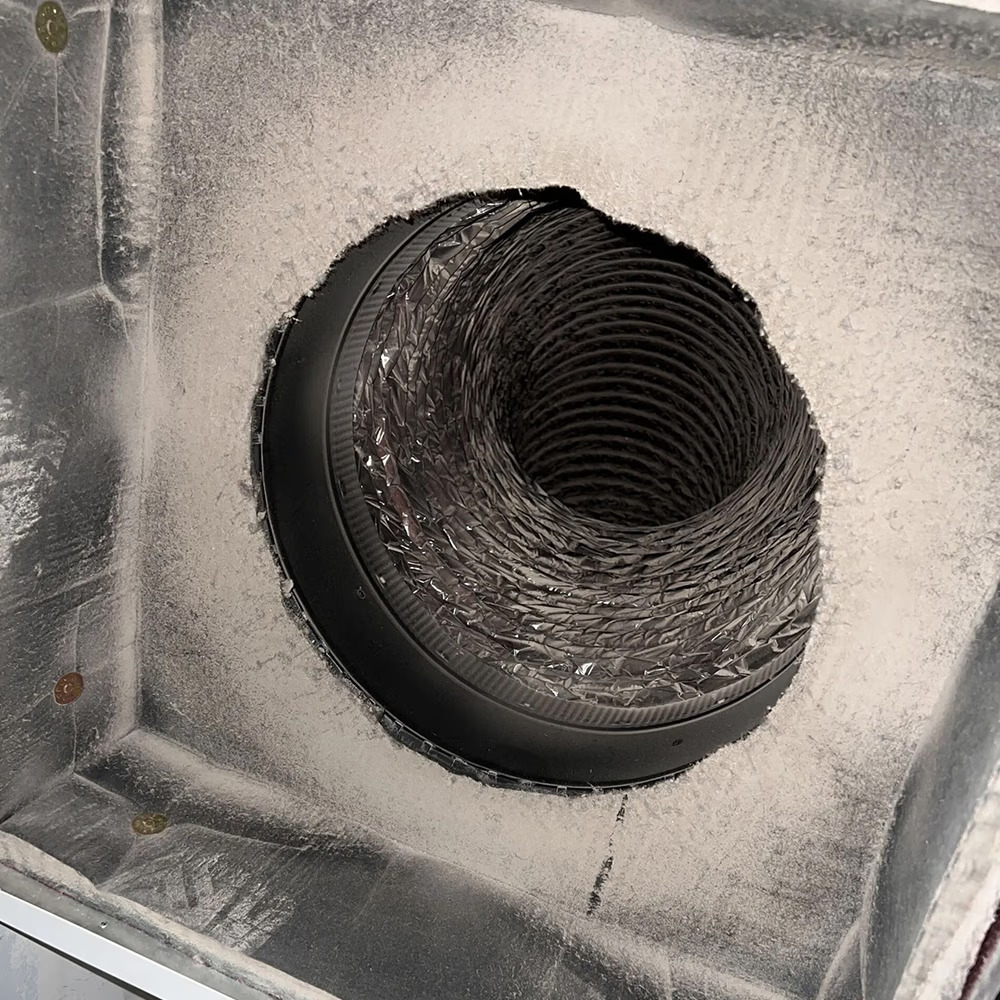
Bad Smells From Vents: HVAC Duct Cleaning Help
If your air feels clean but smells off, the source is often inside the HVAC duct system or tied to the way indoor air is moving. This guide helps you sort out what those odors may mean, what to check first, and when duct and vent cleaning can improve indoor air quality in Frisco, TX.
One evening you turn on the AC in your Frisco home and the air coming from the vents smells musty, stale, or even a little “burnt” for a few minutes. You switch the thermostat settings, run the fan, and the odor seems to return whenever the system cycles.
It is tempting to cover it up with a plug-in fragrance, but that does not address the root cause. This guide walks you through practical checks you can do right away, explains the most common duct and vent contributors to bad odors, and helps you decide whether HVAC duct cleaning or dryer vent cleaning (or both) should be on your to-do list.
- Quick answer
- What to check first
- Main things customers should understand
- Why this matters in Frisco, TX
- Common mistakes to avoid
- Customer checklist
- Frequently asked questions
Quick Answer
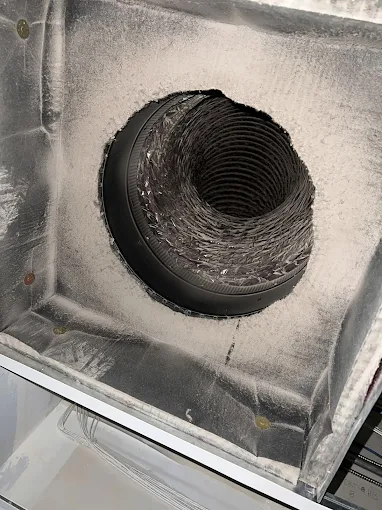
If vents smell musty, smoky, or stale, start by checking for obvious triggers such as recent plumbing leaks, a dirty return grill, or a dryer vent that is backing lint or odors into the home. If the smell changes with HVAC cycles (especially when cooling or heating kicks on), HVAC duct cleaning may help remove built-up debris that can affect indoor air quality and airflow. For the most practical next step, schedule a duct and vent inspection and ask whether your symptoms point to HVAC duct cleaning, dryer duct cleaning, or both. Lone Star Pro Flow LLC serves Frisco, TX and nearby areas.
What to Check First
Before you invest in cleaning, narrow down the likely source. Odors can travel through air pathways, but they also can be caused by moisture, lint, or nearby activities that trigger the HVAC fan. These first checks help you avoid chasing the wrong system.
Match the odor to the system
Does the smell start only when the AC or heat runs, or does it appear even when the system is off? HVAC-cycle odors often point to ductwork or air handler components.
Inspect the return and supply grilles
Look for dust buildup, debris around the edges, or signs of moisture. If a return vent is heavily coated, it can contribute to stale smells because it pulls air from the home.
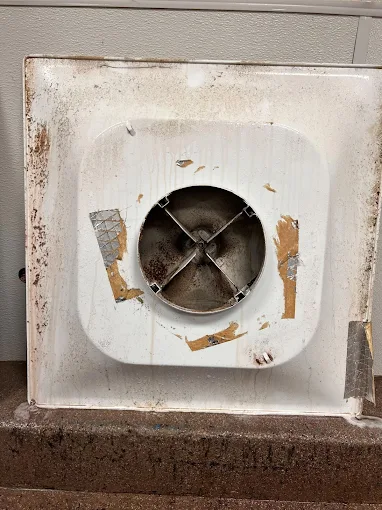
Think about dryer odors too
If the “bad smell” shows up after laundry or lingers near the utility area, dryer vent cleaning may be part of the answer. This is especially true when lint buildup can trap odors.
If you want a focused starting point, Lone Star Pro Flow LLC has service pages that can help you understand what cleaning targets. For example, HVAC duct and vent cleaning is designed to address odor and debris within the duct system, while dryer duct cleaning targets lint and buildup in the dryer exhaust pathway.
Main Things Customers Should Understand
Bad smells from vents are not one-size-fits-all. In practice, the odor often comes from a combination of dust accumulation, moisture exposure, and how air moves through your ductwork. Here are the most common factors customers should understand when troubleshooting HVAC odors.
Professional observation: Odors can “wake up” when airflow increases. If you notice the smell most during certain thermostat settings, that is often a clue that debris or moisture in the duct system is being stirred and distributed through the home.
1) Dust and organic buildup can create a stale smell
Over time, normal household dust collects in duct runs and on components that move air. When the system turns on, that dust can release a musty or stale odor, especially if the dust has been exposed to humidity.
2) Moisture is a frequent odor trigger
Even small moisture events can change how air smells. If there was a leak, condensation issue, or damp crawlspace or attic environment, you may smell mildew-like odors through vents. Moisture can also contribute to buildup that becomes harder to remove if it sits for long periods.
3) Dryer exhaust problems can mimic HVAC odor symptoms
Many homeowners assume the smell is “coming from the vents” because it appears when the HVAC runs. But dryer vent blockage or exhaust restrictions can trap lint and odors, and those odors can travel through the home depending on air pressure and airflow patterns. If your smell appears after laundry, consider dryer-focused cleaning as well.
How to tell what may be involved
| What you notice | Common contributing source | Cleaning to consider |
|---|---|---|
| Musty smell that shows up when AC or heat cycles | Dust buildup and possible moisture exposure in duct runs and returns | HVAC duct cleaning services |
| Odor seems tied to laundry time or the utility area | Lint and odor trapped in the dryer exhaust pathway | Dryer duct cleaning and dryer vent cleaning |
| Air feels dusty even after basic filter changes | Debris that is circulating through ductwork | HVAC duct and vent cleaning |
| Odor lingers in specific rooms near returns or supply vents | Localized airflow distribution and buildup | Whole-system inspection to identify ductwork sections |
Customer-focused takeaway: When you can connect the odor to a trigger, you can ask better questions during your inspection. That helps ensure the right area gets cleaned instead of guessing.
Why This Matters in Frisco, TX
In Frisco, TX, seasonal swings and indoor humidity patterns can make odors more noticeable. When the AC is running more often, airflow increases and can stir up dust in HVAC ductwork. If your home has older duct sections, or if humidity has contributed to buildup at any point, you may smell mustiness through vents during cooling cycles.
Also, many Frisco homes include laundry setups close to return pathways or common areas. If dryer exhaust is restricted, lint and odors can build up in the dryer vent system and become part of the overall “indoor air” smell. That is why homeowners often benefit from thinking in terms of both air pathways: the HVAC ducts and the dryer exhaust system.
Common Mistakes to Avoid
Odor problems can lead to quick fixes that do not address the cause. Here are common mistakes that tend to waste time, and what to do instead.
- Replacing air filters without investigating a duct or vent source when the smell returns after cycles.
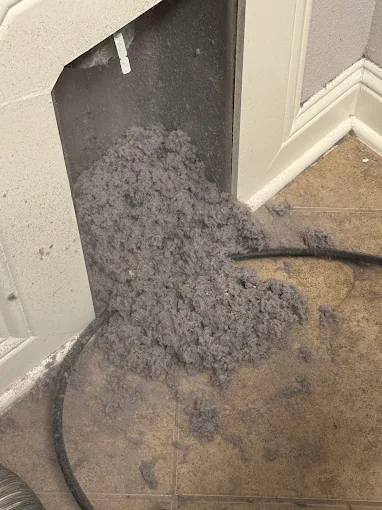
- Assuming the odor is always “from the HVAC” when it may be triggered by laundry or dryer exhaust activity.
- Using strong fragrances to cover odors instead of identifying whether moisture, dust, or lint buildup is involved.
- Ignoring visible debris around return grilles or letting dusty vents go unchecked for months.
- Scheduling cleaning that targets only one pathway when the odor appears to involve multiple systems.
Customer Checklist
Use this checklist to prepare for an inspection call or on-site visit. It helps you communicate what you are experiencing and makes it easier to choose the right duct and vent cleaning approach.
- Write down when the odor happens (only during AC, only during heat, after laundry, or when the fan runs).
- Note the odor type (musty, stale, smoky, or “burnt” smell) and whether it fades after the system runs for a while.
- Check for recent events such as water leaks, condensation issues, or any plumbing repairs.
- Inspect return grilles for dust buildup or visible debris you can safely see.
- For laundry-related odors, observe whether the smell increases after dryer use.
- Confirm whether you have flexible duct sections or long duct runs that may be more prone to debris buildup.
Representative scenario (anonymized)
A Frisco homeowner noticed a musty odor that returned each time the AC kicked on. The smell was strongest near the main return vent and in rooms fed by nearby supply runs. The homeowner also reported that laundry odors seemed to “blend” into the overall smell after the dryer ran. During inspection, the team noted dust buildup within the HVAC duct system and lint-related odor concerns in the dryer exhaust pathway. Cleaning of the appropriate HVAC duct sections and dryer vent system helped reduce the source odors and improved how the home smelled during cooling cycles.
Get help pinpointing the odor source
If you are dealing with recurring bad smells from vents, a focused inspection can help you decide whether HVAC duct cleaning, dryer duct cleaning, or both should be addressed.
(972) 532-7959Frequently Asked Questions
Can bad vent smells come from something other than the HVAC ducts?
Yes. Odors can originate in nearby areas and still show up “through the vents.” For example, dryer vent blockage and lint buildup can trap odors that linger after laundry. Moisture from leaks or condensation can also create musty smells that circulate when the system runs. That is why it helps to connect the odor to a trigger such as AC cycles or dryer use. When the smell pattern is clear, it is easier to target the right cleaning pathway.
How do I know whether I should schedule HVAC duct cleaning or dryer vent cleaning?
Start with timing. If the smell appears mainly when the AC or heat runs, it often points to HVAC ductwork or returns. If the odor increases after running the dryer, it often points to the dryer exhaust pathway. In some homes, both pathways contribute, especially when indoor airflow pulls air from multiple sources. A professional inspection can confirm where debris and odor buildup are most likely coming from so you can clean what actually needs attention.
Will cleaning ducts automatically fix indoor air quality?
Duct and vent cleaning can help reduce debris that circulates through the system, which may improve how air feels and smells. However, indoor air quality also depends on factors like ongoing dust sources, moisture control, and how the system is maintained. If odor returns quickly, it can be a sign of a continuing moisture issue or a different source such as dryer exhaust problems or dust accumulation around vents. Pairing cleaning with basic maintenance is usually the most practical approach.
What are signs of dryer vent blockage that can lead to odors?
Homeowners often notice that laundry takes longer to dry or that the area near the laundry room smells musty or “off” after dryer use. Lint buildup can also contribute to odor retention. If you suspect blockage, it is better to address the dryer vent system rather than masking the smell. Dryer duct cleaning and dryer vent inspection can help identify where lint and buildup are collecting so the exhaust pathway can perform properly.
How should I prepare for a cleaning inspection call?
Write down when the odor happens and what seems to trigger it, such as AC cycles or laundry. Note any recent leaks or condensation issues. If possible, check return grilles for visible dust or debris. For dryer-related odors, observe whether the smell increases after running the dryer. Having this information helps the technician focus on the most likely sources and reduces guesswork.
Choose practical cleaning for cleaner-smelling air
If vent odors keep coming back, Lone Star Pro Flow LLC can help you sort out whether HVAC duct cleaning, dryer duct cleaning, or both are the best next step for your Frisco, TX home.
Contact Lone Star Pro Flow LLC
About Lone Star Pro Flow LLC
Lone Star Pro Flow LLC provides duct and vent cleaning services for homeowners and businesses in Frisco, TX and the surrounding area. Their focus is on helping improve airflow and indoor comfort by addressing debris and buildup in HVAC ducts and dryer exhaust pathways through professional air duct cleaning and dryer vent cleaning.
Service area: Frisco, TX & surrounding areas