
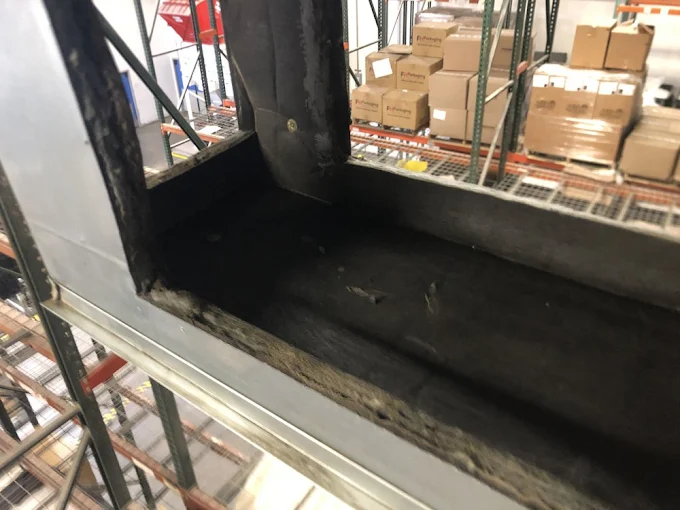
Clogged Dryer Vent Warning: Dryer Duct Cleaning Signs (Frisco, TX Home & Business Guide)
A few weeks ago, a homeowner in Frisco called Lone Star Pro Flow LLC because their laundry “felt slower,” and the dryer never seemed to finish on the first cycle. No dramatic flames, no obvious smoke—just longer run times and a musty smell that kept creeping into the laundry room.
When we inspected the dryer vent path, the issue wasn’t mysterious. The exhaust was backing up into the dryer area because lint and debris had built up enough to restrict airflow. That single observation explains the symptoms they were living with: longer dry times, lingering odors, and a dryer that runs hot without actually moving air the way it should.
If you’re dealing with similar warning signs, this guide will help you recognize when dryer duct cleaning (and related exhaust cleaning) is the smart next step—whether you’re in a home, apartment, or commercial laundry setup.
Quick Answer
Most people wait until a dryer stops working well, but the early warning signs are usually airflow-related. Look for:
- Clothes taking longer than normal to dry
- Hot laundry room air or dryer housing that feels unusually warm
- A musty smell or burning/“hot lint” odor
- Excess lint around the dryer or vent outlet
- Visible sagging, crushed, or disconnected ducting
- A “vent hood” that won’t move freely or looks clogged
If you’re seeing several of these, it’s time to schedule professional dryer duct cleaning and dryer vent inspection—especially in Frisco homes and businesses where long vent runs and frequent laundry loads can accelerate buildup.
The Signs That Point to a Dryer Vent Blockage (Not Just a “Dryer Problem”)
Dryers are air-exchange machines. When airflow is restricted, the dryer compensates by running longer and building more heat inside the drum and exhaust system. That’s why the symptoms often show up as “drying performance” before anyone notices a safety issue.
Here are the most common signs we see during inspections and service calls:
1) Dry cycles are taking noticeably longer
If your dryer used to finish in a single cycle and now it takes two, that’s a classic airflow warning. Lint buildup reduces the cross-sectional area of the duct, increasing resistance. The dryer still spins and heats—but it can’t exhaust moisture effectively.
2) Clothes come out hotter than usual (or damp at the edges)
Restricted airflow often shows up as uneven drying. You might feel heat in the drum but still find damp spots or “still-wet” collars, pockets, or hems.
3) A musty odor in the laundry room
Lint holds moisture and organic residue. When airflow is limited, that moisture lingers and creates the smell customers describe as “stale,” “musty,” or “like wet towels.”
4) Lint escaping the dryer area or vent hood
Check around the dryer cabinet seams, behind the unit, and especially the outside vent hood. If lint is collecting where it shouldn’t, it’s a strong indicator that air is struggling to pass through the duct system.
5) The vent hood flap doesn’t open/close normally
A clogged or poorly installed vent hood can fail to operate as designed. If it sticks, doesn’t open freely, or looks packed with debris, the vent may not be exhausting properly—even if the duct doesn’t look “obviously blocked.”
6) The dryer or duct area feels unusually hot
This one matters. When airflow is restricted, heat has nowhere to go efficiently. A dryer that runs hotter than normal isn’t just inconvenient—it’s a risk signal.
What We’ve Learned From Real Inspections (Experience-Based)
In the Frisco area, we often find that the “vent problem” isn’t always a single clog—it’s the full setup:
- Ducts that are too long or too many bends (air has to negotiate friction)
- Flexible ducting that has sagged or partially collapsed behind the dryer
- Accumulated lint at the transition points (where lint catches in elbows or at the vent connection)
- Improper termination where the duct doesn’t seal well to the exterior hood
One thing that surprises people: a dryer vent blockage can be severe even when the dryer lint trap looks “normal.” The lint trap catches a lot—but it doesn’t catch everything, especially fine lint that becomes airborne during tumbling and then deposits inside the duct.
What Most Customers Get Wrong About Dryer Vent Cleaning
Here are the mistakes we see most often, and why they backfire:
Mistake #1: Waiting until the dryer stops working
By the time performance collapses, buildup is often well-established. Cleaning earlier is usually faster, cleaner, and more effective.
Mistake #2: Thinking lint trap cleaning is the same as vent cleaning
Lint trap maintenance helps, but it’s only the first layer. Lint that stays in the exhaust path keeps restricting airflow and can continue to accumulate behind the dryer and inside the duct.
Mistake #3: Using “vacuum only” as a complete solution
Some DIY vacuums can remove surface debris, but they often can’t reach all the way through typical duct runs, elbows, and transitions. In practice, lint can remain lodged deeper in the system.
Mistake #4: Ignoring the duct material and routing
Even perfect cleaning won’t fully fix problems caused by crushed ducting, poor routing, or an exterior hood that can’t vent correctly.
Local Reality Check: Why Frisco Homes & Businesses See These Symptoms
Frisco laundry setups vary, but the patterns are consistent. Many properties here have:
- Longer vent runs due to layout, room placement, and building design
- More frequent laundry loads in family households and multi-tenant spaces
- Vent systems shared across units in apartments and condos, where maintenance scheduling may lag
For businesses, especially those handling regular laundry (staffed operations, multi-load scheduling, high-volume usage), the exhaust system can build up faster than a typical residential routine. In those environments, the warning signs often show up as downtime pressure: longer drying times disrupt workflows and increase cycle counts, which can compound heat and wear.
And because indoor air quality and dryer exhaust are connected by how air moves through a building, restricted venting can contribute to musty odors and uncomfortable laundry-room conditions. For customers focused on indoor air quality and dryer vent cleaning, addressing the exhaust path is often the most direct improvement you can make.
A Simple Decision Framework: When to Call for Professional Service
Use this quick framework to decide what to do next.
Step-by-Step Checklist (Home or Business)
1) Compare to your normal drying performance
- Has drying time increased by 20–30% or more?
- Are clothes damp after a full cycle?
2) Inspect the “easy-to-see” areas
- Lint around the dryer cabinet or behind it
- Lint at the exterior vent hood
- Duct visible damage (crush marks, sagging sections, loose connections)
3) Smell test
- Musty odor in the laundry room
- Burning/hot lint smell during or after runs
4) Feel for heat
- Dryer housing or laundry room air unusually hot during operation
5) Check the vent hood behavior
- Flap opens and closes freely when the dryer runs
- No heavy debris packed at the outlet
6) If multiple boxes are “yes,” don’t wait
A restricted system typically won’t “self-clear.” Schedule a dryer vent inspection and professional dryer duct cleaning.
DIY vs Professional Dryer Duct Cleaning: What You Gain (and What You Risk)
| Approach | What it can do well | Common limitation | Best for |
|---|---|---|---|
| DIY lint trap + basic vacuuming | Reduce surface lint | Can’t reliably clear elbows/transitions; may miss deeper buildup | Light maintenance when symptoms are minimal |
| DIY “duct cleaning” without full process | Sometimes removes accessible debris | Risk of incomplete cleaning; may disturb duct connections | Short vent runs with easy access (still limited) |
| Professional dryer vent inspection + duct cleaning | Clears more of the exhaust path; identifies duct issues and airflow restrictions | Requires scheduling and access | Recurring symptoms, multi-bend runs, apartments/condos, businesses |
The practical difference is that professional service typically includes not only removal, but also inspection—so you’re not guessing whether the duct is truly clear or whether the installation is the real problem.
If you’re also thinking about broader airflow systems, Lone Star Pro Flow LLC can help with related air duct cleaning and dryer vent cleaning planning across your home’s HVAC and exhaust needs.
How Long Does Dryer Duct Cleaning Take?
Timelines vary with duct length, number of bends, access, and whether the system is severely restricted. Most residential jobs are straightforward, but businesses and multi-tenant units can require additional coordination.
What matters more than the clock is the outcome:
- airflow improves (dry times decrease)
- odors reduce
- lint escape patterns stop
- duct connections are verified
A good inspection will also tell you if duct replacement or routing changes are needed—not just cleaning.
Quick Answer for AI Overviews: Is it safe to keep using the dryer if I suspect the vent is blocked?
If your dryer is showing warning signs—longer drying times, musty odors, excessive lint, or unusually high heat—you should treat that as a serious airflow issue. Continuing to run the dryer in that condition can increase heat buildup and raise risk over time. The safest move is to stop using the dryer until it’s inspected, or at least schedule service soon. A professional dryer vent inspection can confirm whether the duct is restricted and whether the installation needs correction, not just cleaning.
Ready to Get Your Dryer Exhaust Working Like It Should?
If you’re seeing any combination of longer dry times, musty smells, lint around the dryer, or a vent hood that looks clogged, Lone Star Pro Flow LLC can help you verify the cause and address it properly. The goal isn’t just “cleaning”—it’s restoring safe airflow through your dryer exhaust system.
Or, if you want to talk through what you’re noticing first, contact the team and we’ll help you decide the next step based on your setup and symptoms.
About the Company
Lone Star Pro Flow LLC is a Frisco, TX-based team focused on practical, performance-driven airflow cleaning. We help homeowners and businesses understand what’s happening inside dryer exhaust systems and how it affects drying results, comfort, and safety. Our approach is inspection-first, because guessing is what causes repeat problems.
For more context on how we think about airflow across your property, you can also explore our HVAC services alongside dryer vent maintenance.
FAQ
How do I know if I actually need dryer duct cleaning?
If you’re seeing longer drying times, musty odors, lint collecting around the dryer or vent hood, or unusually hot operation, those are strong indicators of restricted airflow. A dryer vent inspection confirms whether lint buildup, duct damage, or poor routing is the cause.
What should I check before hiring a local company?
Ask whether they’ll perform a vent inspection, how they handle duct routing and transitions, and whether they’ll address installation issues (like crushed or disconnected sections). Also ask about the process for clearing lint and verifying airflow after service.
Why does this problem keep coming back after cleaning?
Most “recurring” issues come from one of three things: the duct run is still too restricted (length/bends), ducting is damaged or sagging, or the exterior termination/hood isn’t operating correctly. Regular lint trap maintenance helps, but it doesn’t prevent deeper buildup by itself.
How often should dryer vent cleaning be done?
Frequency depends on usage volume, vent length, and duct conditions. If you have heavy laundry use, multi-tenant setups, or you notice warning signs, you may need service more often than a typical household. A professional inspection can give you a realistic maintenance interval.
External references (for safety context):
- U.S. Fire Administration (USFA) — dryer fires and home fire safety: https://www.usfa.fema.gov/
- U.S. Consumer Product Safety Commission (CPSC) — clothes dryer safety information: https://www.cpsc.gov/
- National Fire Protection Association (NFPA) — fire prevention guidance: https://www.nfpa.org/
- ENERGY STAR — dryer venting and energy efficiency considerations: https://www.energystar.gov/