
Dryer Duct Cleaning Frequency: How Often Needed
If your laundry cycle is taking longer, your dryer feels hotter, or you notice lint around the dryer exhaust, you are not alone. This guide explains how often dryer duct cleaning and dryer vent cleaning services are typically needed, what changes the schedule, and how to spot when it is time in Frisco, TX.
Last week, the dryer finished one load… but it took noticeably longer than usual. The clothes came out warmer than you expected, and you could smell a faint, “hot” odor near the laundry room. When you checked the vent area, there was more lint than normal.
That combination is often a sign your dryer exhaust path is not moving air the way it should. In this guide, you will learn realistic cleaning frequency expectations, which warning signs mean it is time for professional dryer duct cleaning, and how to set a practical maintenance routine for your home in Frisco.
- Quick answer
- What to check first
- Main things customers should understand
- Why this matters in Frisco, TX
- Common mistakes to avoid
- Customer checklist
- Frequently asked questions

Quick Answer
Most homes in Frisco benefit from routine dryer vent maintenance and lint removal on a regular basis, but the “cleaning frequency” for the full dryer duct and vent depends on airflow and buildup. A practical rule is to schedule professional dryer duct cleaning services when you notice slower drying, repeated overheating, visible lint around the exterior vent, or a vent that feels restricted. If you have heavy household use, long duct runs, or older ductwork, you may need more frequent professional cleaning than a light-use home. Start with vent inspection and then clean based on what the technician finds.
What to Check First
Before you guess at a schedule, check the conditions that usually reveal whether airflow problems are building up. These steps are quick, homeowner-friendly, and they help you avoid unnecessary work.
Drying time changes
If loads take longer than they used to, the vent path may be restricting airflow. That can happen even when the lint screen is clean.
Heat and smell
Noticeable heat near the dryer, a musty or “hot lint” odor, or clothes that feel less dry can point to restricted dryer exhaust cleaning.
Exterior vent condition
Look for lint buildup around the outside vent hood or signs that air is not exhausting strongly.
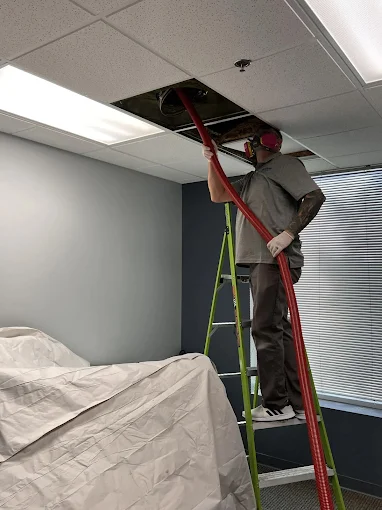
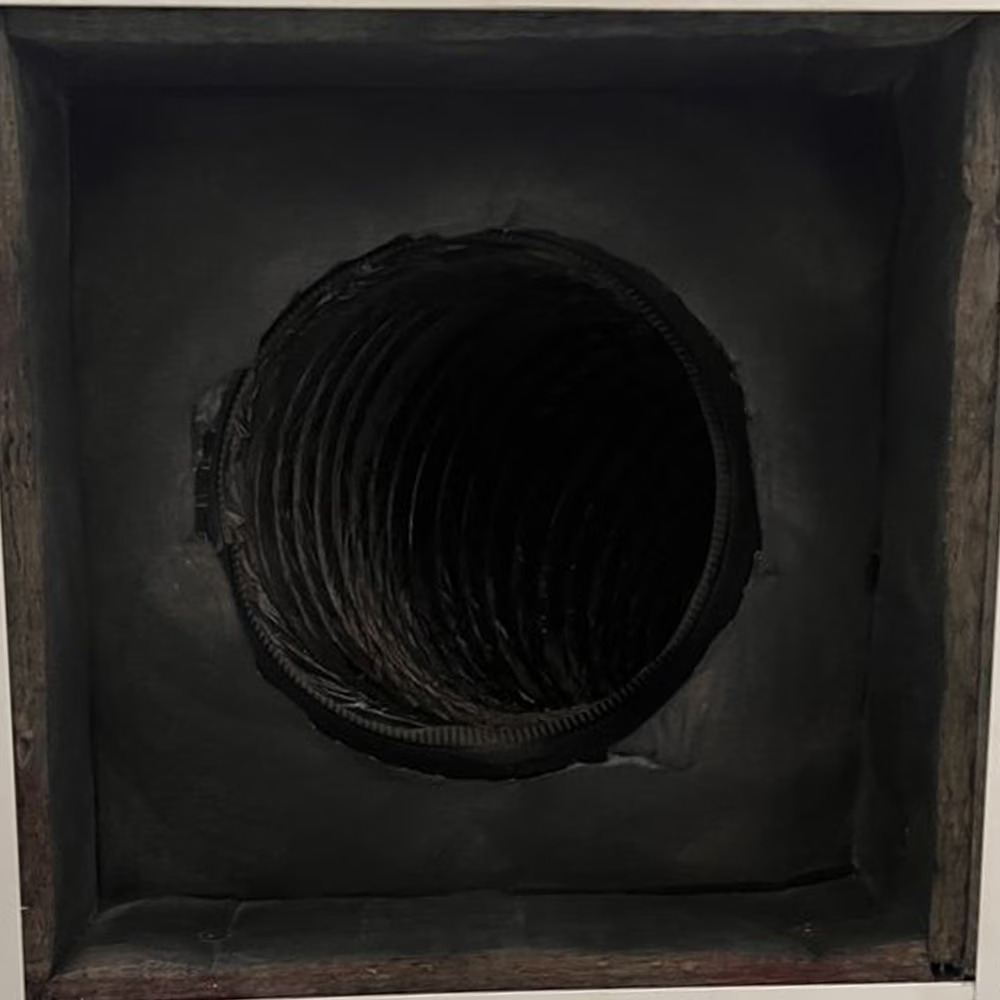
Professional observation: Dryer vent cleaning is not just about removing lint from the dryer. In real homes, the buildup often collects deeper in the duct and at bends, where airflow slows and lint settles.
Main Things Customers Should Understand
Dryer duct cleaning frequency is not one-size-fits-all. It is driven by how your dryer is used, how the duct system is routed, and how quickly lint accumulates in the places where airflow changes direction.
1) Household usage level
A home with frequent laundry cycles can generate more lint and moisture, which can lead to faster buildup. If you run multiple loads back to back, you should pay closer attention to drying performance and vent indicators.
2) Duct length, bends, and routing
Longer duct runs and multiple turns increase the chances of lint accumulation. Each bend can act like a collection point. Even if you clean the lint screen after every load, lint can still travel through the system.
3) Older or mismatched duct materials
Some ductwork configurations do not move air efficiently. When airflow is restricted, your dryer can work harder, which can increase heat and contribute to faster lint buildup.
4) Signs that it is time for professional cleaning
When you see or feel any of the following, it is a good indication that you should schedule professional dryer vent cleaning and a thorough check of the duct path:
- Dryer cycles consistently run longer than normal
- Clothes do not feel fully dry at the end of the cycle
- Exterior vent air flow seems weak
- Visible lint near the dryer or around the exterior vent hood
- Frequent overheating or unusual smells
| Situation you notice | What it often means | Practical next step |
|---|---|---|
| Drying time is trending longer | Airflow may be restricted by lint buildup in the duct | Schedule an inspection and consider dryer vent blockage removal if buildup is found |
| Lint around the exterior vent | Lint may be accumulating where airflow slows and deposits settle | Ask for a duct-focused cleaning plan, not just dryer lint removal |
| Heat or odor in the laundry area | Restricted exhaust can cause the dryer to run hotter | Get dryer exhaust vent cleaning so the vent system can move air properly |
| Frequent laundry use | More cycles can mean buildup happens faster | Set a maintenance rhythm and clean based on observed airflow performance |
Why This Matters in Frisco, TX
In Frisco, TX, homeowners often run dryers year-round, and laundry routines stay busy with school schedules and active households. When the vent system is partially restricted, you may not notice it right away because the dryer still “finishes” the cycle. Over time, however, lint accumulation can reduce airflow and increase cycle times.
If your home has a typical setup with a vent termination on an exterior wall and duct runs routed through framing or around obstacles, lint can collect at bends and transitions. That is why professional laundry vent cleaning and dryer vent inspection matter when you see performance changes, not just when you suspect a complete blockage.
Local homeowner tip: If you recently moved into a new-to-you home in Frisco, the dryer vent history may be unknown. A vent inspection is a smart baseline, especially if the duct layout looks older or more complex.
Common Mistakes to Avoid
Many dryer problems come from small habits that unintentionally keep lint in the system. Avoiding these mistakes can help you maintain healthier airflow and reduce the chance of recurring issues.
- Only cleaning the lint screen: The lint screen catches a lot, but lint can still travel into the duct and collect deeper in the vent path.
- Waiting until the dryer stops working: By the time a vent is fully blocked, you may already have reduced airflow and recurring performance problems.
- Using the wrong “quick fix”: DIY methods that do not address the full duct run may leave buildup in bends and transitions.
- Ignoring exterior vent signs: Lint around the outside vent hood is a clue that the exhaust path needs attention.
- Assuming all duct paths are the same: Two homes can have similar dryers, but different duct lengths and routing can change how quickly lint accumulates.
Need a dryer vent inspection in Frisco?
If your dryer cycle times are creeping up, or you suspect lint buildup beyond the lint screen, Lone Star Pro Flow LLC can help you evaluate the duct and vent system and plan the right next step.
Schedule dryer duct cleaningCustomer Checklist
Use this checklist to decide whether it is time to maintain, inspect, or schedule professional cleaning for your dryer duct cleaning and dryer vent cleaning services.
- Lint screen is cleaned after each load (and you still notice performance changes)
- Dryer takes longer than it used to to dry the same type of laundry
- You notice visible lint near the dryer or around the exterior vent hood
- Airflow from the exterior vent seems weaker than normal
- There is heat buildup or an unusual odor during or after drying
- Your duct run includes multiple bends or a longer route than expected
- You have not had dryer vent inspection or cleaning since moving in
A Representative Scenario (What We Typically See)
Imagine a Frisco household that runs laundry several times a week. The homeowner cleans the lint screen each time, but the dryer starts taking longer. Over a few months, they notice the exterior vent blowing less strongly and see lint collecting near the vent hood. When the vent path is checked, buildup is found in the duct run, especially where the line turns. The dryer has to work harder to move air, which can create more heat during cycles. After the duct and vent are cleaned, the homeowner typically sees the cycle performance return closer to normal because the exhaust path can move air more freely.
Frequently Asked Questions
How often should I clean my dryer vent in Frisco?
There is no single calendar schedule that fits every home, but you can use performance and vent indicators to set a practical pace. If your dryer cycles are taking longer, the exterior vent looks lintier than usual, or you notice heat and odor, those are strong signs to schedule professional dryer vent cleaning. For many households, routine lint removal and dryer vent maintenance are done regularly, while deeper duct cleaning is scheduled when buildup is confirmed during inspection. Lone Star Pro Flow LLC can help you match the frequency to your duct layout and laundry habits.
Will cleaning the lint screen replace dryer duct cleaning?
No. Cleaning the lint screen is essential, but it does not remove lint that travels through the dryer and settles deeper in the duct. Even with a clean lint screen, lint can collect at bends and transitions where airflow slows. Over time, that buildup can reduce airflow and increase drying time. Dryer duct cleaning focuses on the vent path beyond the screen, which is why it is often needed when you notice performance changes or lint around the exterior vent hood.
What signs mean I need dryer vent inspection?
Common signs include longer-than-normal drying cycles, clothes that do not feel fully dry at the end, weaker exhaust air from the exterior vent, visible lint around the vent hood, and unusual heat or odor during drying. If you recently moved into a home and do not know the dryer vent history, inspection is also a smart baseline. An inspection helps determine whether the issue is limited to the dryer connection or whether there is buildup deeper in the duct that requires dryer duct cleaning services.
Can blocked dryer vents affect indoor air quality?
Restricted dryer exhaust can contribute to more lint and moisture lingering in the exhaust path, which can lead to odors and reduced dryer performance. While dryer vent cleaning is primarily about improving airflow, it can support healthier indoor conditions by reducing the buildup that comes from repeated drying cycles. If you are also dealing with general airflow or dust concerns, you may want to review your broader system maintenance. You can explore related service information for air systems at HVAC duct and vent cleaning.
Do you clean just the dryer or the entire vent path?
Professional dryer duct cleaning focuses on the dryer’s exhaust route, not only the area immediately connected to the dryer. The goal is to address lint buildup along the duct run and at the points where air changes direction. That is why inspection matters. If the duct path is clear, the cleaning approach can be targeted. If buildup is found, cleaning can be planned around the actual condition of your vent system, including dryer exhaust vent cleaning and any needed vent blockage removal.
Get help for your dryer vent system
If you are trying to decide whether it is “time yet,” the fastest way to avoid guesswork is a vent inspection. Lone Star Pro Flow LLC serves Frisco, TX and surrounding areas and can help you plan appropriate dryer exhaust cleaning based on what your duct system shows.
Call (972) 532-7959
Lone Star Pro Flow LLC
Lone Star Pro Flow LLC provides duct and vent cleaning with a focus on practical results for homeowners, property managers, and businesses across Frisco, TX and surrounding areas. If you are looking for air duct and dryer vent cleaning or HVAC duct and dryer vent cleaning support, our approach centers on inspecting the system and addressing the areas that actually affect airflow. You can learn more about our dryer duct cleaning options at dryer duct cleaning.