
How Often Should HVAC Duct Cleaning Be Done
If you are in Frisco, TX and wondering whether duct cleaning is “due” or just another maintenance task, this guide helps you decide based on how your system is performing, what you are seeing at home, and what to check before scheduling duct and vent cleaning.
It starts the same way for many homeowners around Frisco: the AC runs, the vents look fine at first glance, and then you notice dust settling faster than usual or you smell a “stale” odor when the system kicks on. You might also be dealing with seasonal allergies, a musty feel in certain rooms, or recurring dust near return grilles.
That is a good time to ask a practical question: should you clean your HVAC ducts right now, or is it something else in the system? This guide explains how often HVAC duct cleaning should be done, what signals to look for, and how duct cleaning ties into dryer vent maintenance for better indoor air quality and airflow performance.
- Quick answer
- What to check first
- Main things customers should understand
- Why this matters in Frisco, TX
- Common mistakes to avoid
- Customer checklist
- Frequently asked questions
Quick Answer
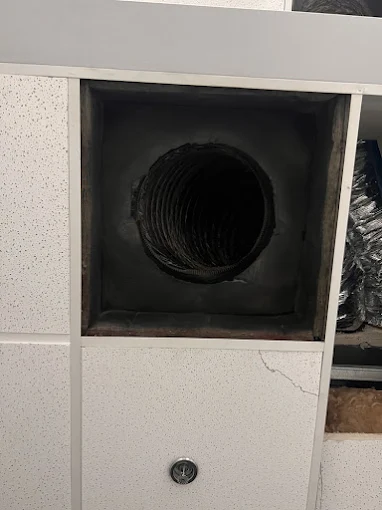
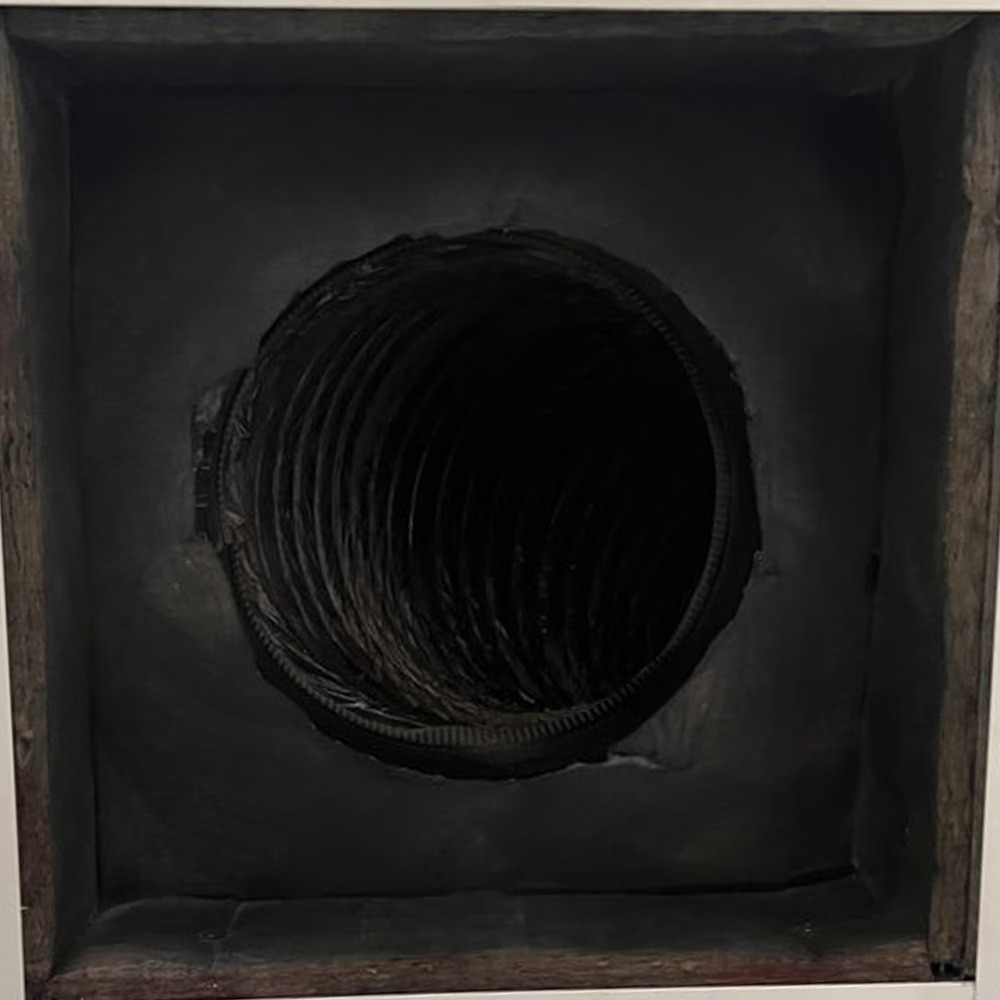
Most homes do not need HVAC duct cleaning on a strict calendar. Instead, duct and vent cleaning is usually worth it when you see clear performance or air-quality signals, such as persistent odors, visible dust buildup around registers or returns, airflow changes, or if you recently had a condition that could have introduced debris into the ductwork. A practical recommendation is to check your filters, confirm airflow balance, and inspect returns before scheduling cleaning. If you are unsure, professional inspection helps you avoid unnecessary work and focus on what is actually affecting indoor air.
What to Check First
Before anyone schedules duct cleaning, start with the “easy wins” that often explain dust and odor complaints. First, look at your HVAC filter. If it is dirty, damaged, or not the right size for your system, it can contribute to dust recirculation and clogged airflow. Next, check whether you are seeing uneven airflow across rooms. If some rooms are consistently weaker, the issue may be duct balancing, registers that are restricted, or an HVAC component problem rather than dirty ducts.
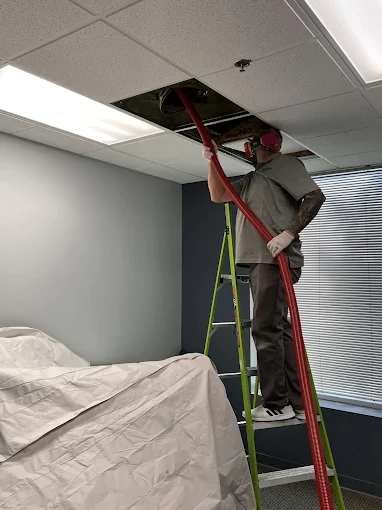
Then, do a quick visual check around the return grilles and supply registers. If you see heavy dust accumulation right around these openings, that can be a clue. If the dust is mainly on surfaces in the home, it may be coming from everyday sources and not necessarily from inside the ductwork. When you are ready for a deeper look, duct cleaning and vent cleaning professionals typically inspect the duct system and evaluate whether cleaning will address the symptoms you are experiencing.
Filter status
Confirm the filter is clean enough for airflow and properly installed.
Airflow balance
Note weak rooms or registers that do not respond as expected.
Return and register dust
Look for buildup near returns, not just dust on furniture.
Main Things Customers Should Understand
When customers ask about “how often,” the real answer depends on triggers. HVAC duct cleaning is generally most helpful when there is a reason debris has built up or when the duct system is contributing to indoor comfort issues. In practice, the biggest factors are the condition of the ductwork environment, the presence of moisture sources, and how the system is maintained between seasons.
Professional observation: In homes around Frisco, many dust and odor complaints turn out to be connected to airflow issues, filter problems, or other household sources. Duct and dryer vent cleaning can still help, but the “best timing” depends on what is driving the symptoms you are noticing.
Here are common situations that often change the recommended cleaning schedule:
- Visible buildup near returns or registers: If you consistently see debris around duct openings, it can indicate that the system is circulating particulates.
- Persistent musty or stale odors: Odors that show up when the system runs may point to contaminants in the HVAC airflow path.
- After a major home event: Renovations, heavy construction dust, or other events that introduce debris can warrant inspection sooner than a routine schedule.
- Moisture-related concerns: If you suspect water intrusion or a damp environment near HVAC components, inspection is the right first step.
- Allergy or respiratory symptom flare-ups: If symptoms worsen specifically when the HVAC runs, duct cleaning and airflow-focused maintenance may be considered.
If you are also thinking about air duct cleaning and dryer vent cleaning near me, keep in mind that these are different systems with different risks. Dryer vent cleaning directly affects exhaust flow and laundry-area safety, while HVAC duct cleaning targets air distribution. Many homeowners in Frisco choose to address both so the whole home ventilation path is working as intended.
| Situation you are noticing | More likely to relate to duct cleaning | More likely to relate to dryer vent cleaning |
|---|---|---|
| Dust seems to settle faster after the AC runs | Yes, check HVAC airflow path and returns | Usually no |
| Stale or musty smell when heating or cooling starts | Yes, inspect ductwork and airflow path | Sometimes (if odor is from laundry area, it can be separate) |
| Clothes take longer to dry than before | No, this is typically a dryer exhaust airflow issue | Yes, inspect dryer exhaust and venting |
| Laundry vent area feels warm or smells like lint | No | Yes, dryer lint removal and blockage checks |
Why This Matters in Frisco, TX
In Frisco, seasonal temperature swings can make HVAC systems cycle more frequently, which means any airflow restriction or buildup can show up as quicker comfort changes. Homes across the area often rely on forced-air heating and cooling, so dust and contaminants can circulate through the duct system when filters are not keeping up or when airflow paths are not balanced. That is why homeowners notice symptoms “right when the system turns on,” especially during seasonal transitions.
At the same time, laundry ventilation is a separate but related part of indoor air quality and home performance. When dryer venting is restricted, it can create airflow resistance that affects how well the dryer exhausts moisture. That is one reason many customers bundle duct and dryer vent cleaning planning together instead of treating them as unrelated tasks.
Tip for Frisco homeowners: If you are already scheduling HVAC duct cleaning, it is a good moment to also review your laundry vent plan. A clean HVAC airflow path helps comfort, and clean dryer exhaust helps drying performance and reduces lint-related buildup in the vent route.
Common Mistakes to Avoid
Most duct cleaning problems are not about the cleaning itself. They are about skipping the checks that determine whether duct cleaning is actually the right move. One common mistake is assuming that any household dust automatically means your ducts are dirty. Dust can come from many sources, including everyday activity and filter choices. Another mistake is changing filters inconsistently and expecting duct cleaning to fix ongoing airflow issues.
Here are a few other missteps to avoid:
- Cleaning on a fixed schedule without symptoms: Duct cleaning is usually best driven by conditions, not a calendar.
- Ignoring filter fit and maintenance: If filters are the wrong size or installed incorrectly, you can still pull dust through the system.
- Overlooking dryer vent blockage: If clothes take longer to dry, the duct system may not be the cause. Dryer vent inspection and cleaning may be the more direct fix.
- Only focusing on supply vents: Returns and airflow path components matter too, especially when dust seems to appear after the system runs.
If you want to compare approaches for duct and dryer vent cleaning, Lone Star Pro Flow LLC also provides dryer duct cleaning focused on dryer exhaust and lint buildup concerns.
Customer Checklist

- Check your HVAC filter condition and confirm it is correctly installed.
- Note whether symptoms happen when heating or cooling starts (odor, dust, or comfort changes).
- Look at returns and registers for dust buildup near duct openings.
- Compare room-to-room airflow to see if some areas are consistently weaker.
- Consider whether any recent event (like renovation dust) could have introduced debris.
- If laundry drying is slower, plan for dryer vent lint removal and inspection alongside HVAC considerations.
If you are trying to decide what to prioritize first, a focused inspection can help you avoid unnecessary work and address the system that is actually causing the problem. For HVAC-specific guidance, you can also review Lone Star Pro Flow LLC HVAC duct cleaning to understand how professional duct cleaning supports cleaner airflow.
Need help deciding what your system actually needs?
If you are in Frisco, TX and your HVAC comfort issues keep coming back, Lone Star Pro Flow LLC can help you sort out whether HVAC duct cleaning, dryer vent cleaning, or both are the right next step.
(972) 532-7959Representative Scenario
A Frisco homeowner noticed that dust settled on the coffee table faster during the first weeks of AC use. They also saw that return grilles collected dust, and the bedroom felt slightly cooler than the rest of the house. Instead of immediately requesting duct cleaning, they replaced the HVAC filter and kept it in place for several weeks while observing airflow differences. When the issue persisted, a professional inspection suggested that the airflow path had accumulated debris consistent with the homeowner’s observations. The result was targeted duct cleaning paired with dryer vent cleaning planning to address laundry-area exhaust concerns.
Frequently Asked Questions
How often should HVAC duct cleaning be done in Frisco?
For most households, HVAC duct cleaning is not something you need to schedule on a strict calendar. In Frisco, the better approach is to base timing on what you are seeing and how the system is performing. If you have persistent odors when the system runs, visible dust buildup near returns or registers, or comfort issues that correlate with heating or cooling cycles, those are practical reasons to consider duct cleaning after you check your filter and airflow balance. Professional inspection can confirm whether cleaning is likely to help or whether another part of the system needs attention.
Does air duct cleaning and dryer vent cleaning need to happen at the same time?
They do not have to be done on the exact same day, but many homeowners plan them together because both affect airflow in different ways. HVAC duct cleaning focuses on air distribution and indoor comfort symptoms tied to heating and cooling. Dryer vent cleaning focuses on dryer exhaust flow and lint buildup along the vent route. If you are already addressing an indoor air-quality concern and you also notice laundry drying problems, it is reasonable to schedule both so you are improving the whole ventilation picture in your home.
What are the signs that I need dryer vent cleaning services?
Common signs include longer drying times than usual, laundry-area odors that seem linked to lint, or a dryer that does not exhaust air as strongly as before. If you notice that the area around the dryer exhaust feels unusually warm or you suspect lint is accumulating beyond the lint trap, that is a strong indicator to schedule dryer vent inspection and professional dryer duct cleaning. Addressing dryer exhaust cleaning and potential blockages helps restore proper exhaust flow and supports safer laundry operation.
Will duct cleaning eliminate all dust in my home?
Duct cleaning can reduce debris inside the HVAC airflow path, but it does not eliminate every source of household dust. Dust enters from many places, including everyday activity, textiles, and outdoor particles that come in through doors and windows. For the best results, duct cleaning should be paired with routine filter maintenance and good airflow practices. If dust keeps returning quickly after cleaning, the next step is usually to look for filter issues, airflow imbalance, or other dust sources rather than assuming the ducts are the only cause.
How do I choose between HVAC duct cleaning and HVAC system cleaning?
HVAC duct cleaning focuses specifically on the ductwork and airflow path. HVAC system cleaning is broader and may include other components depending on what is contributing to the issue. Your choice should be driven by symptoms. If the main concerns are dust near returns, odors that coincide with system operation, or suspected buildup inside ducts, duct cleaning is often the starting point. If you suspect deeper system-related causes, an inspection can help determine whether duct cleaning alone is sufficient or whether additional HVAC system cleaning is needed.
Ready to plan duct and dryer vent cleaning for your home?
Lone Star Pro Flow LLC serves Frisco, TX and surrounding areas with practical duct cleaning and dryer vent cleaning services. If you want help deciding what your system needs now, contact us and we will help you work from the symptoms you are actually experiencing.
Contact Lone Star Pro Flow LLC
About Lone Star Pro Flow LLC
Lone Star Pro Flow LLC provides duct and vent cleaning for homeowners and property managers in Frisco, TX. Their focus is on helping customers address indoor comfort and airflow concerns with a practical, inspection-led approach, including HVAC duct cleaning and dryer duct cleaning for a more complete ventilation plan.