
HVAC Duct Cleaning for Cleaner Vents and Registers in Frisco, TX (Plus What to Check for Dryer Vents)
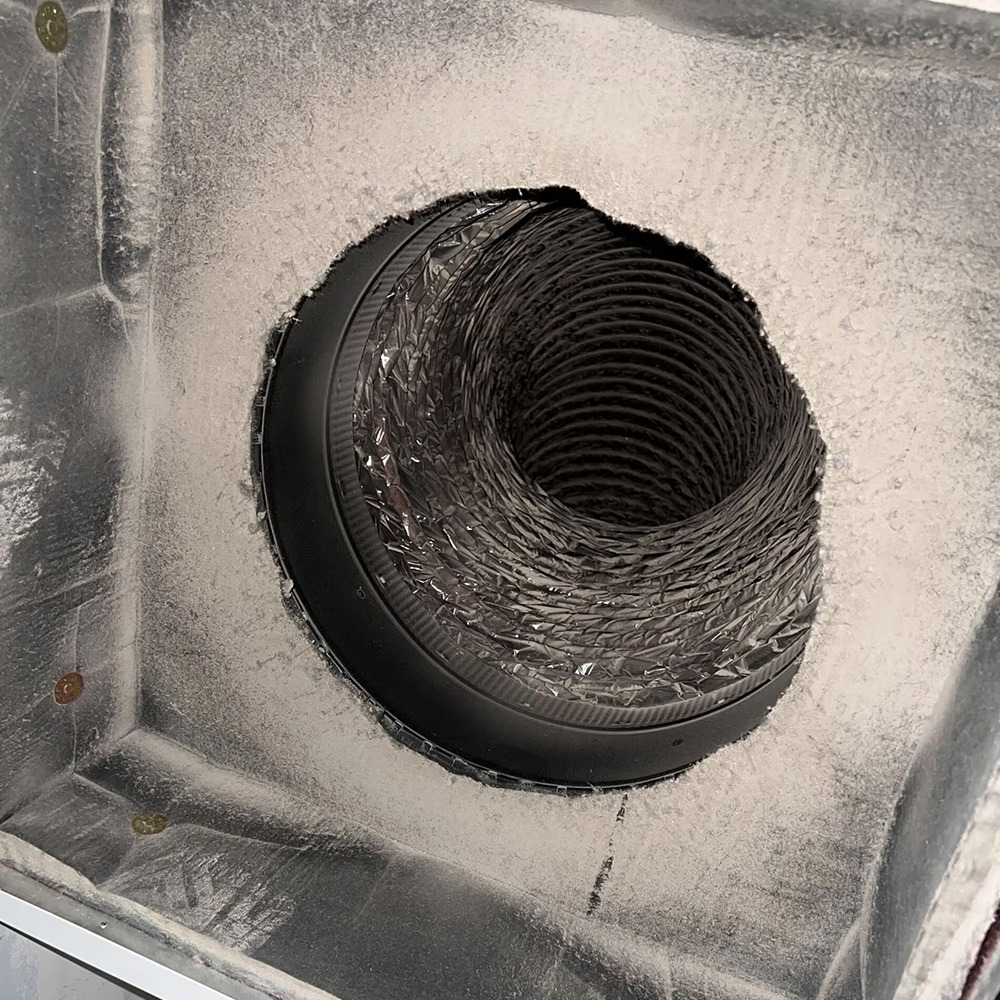
A homeowner in Frisco called Lone Star Pro Flow LLC after noticing dust “puffs” from supply vents when the AC kicked on. The air felt cool, the system was running, but the registers were visibly dirty—and the dust seemed to return quickly. When we opened things up, the surprise wasn’t just what was inside the ductwork. It was the combination: HVAC airflow paths that were holding onto debris plus a laundry setup that was pulling lint into the home’s air system.
That’s what makes this topic different locally. In North Texas, homes can go from humid summer use to heavy heating demand, and that airflow cycling shows you what’s actually in the vents. This article walks through what HVAC duct cleaning and dryer vent cleaning should accomplish, how professionals do it, what most people misunderstand, and how to choose a service that won’t waste your time.
Quick Answer
Professional air duct cleaning focuses on removing dust and debris from supply/return duct systems so your vents and registers look cleaner and airflow performs closer to normal. But duct cleaning isn’t the whole indoor air quality story—dryer vent cleaning matters too because lint buildup can restrict airflow, increase moisture, and create a fire hazard.
If you’re asking for “air duct cleaning and dryer vent cleaning near me,” the best results usually come from an inspection-first approach, proper containment methods, and a dryer exhaust cleaning plan that addresses lint where it actually accumulates.
When Duct Cleaning and Register Cleaning Actually Helps
Registers don’t just get dusty because of “dirty air.” They get dusty because dust is being transported through the system—or because your HVAC is moving debris that has accumulated inside the ductwork over time.
From our experience working around local properties in Frisco and nearby communities, the most common triggers we see are:
- Recent construction or remodeling (sheetrock dust and fine particulates)
- Seasonal dust changes (windows open, yard debris, pollen load)
- Pets and high activity households (dander and hair become a “sticky” dust blend)
- Older ductwork with joints that collect debris
- Airflow imbalance that makes registers behave differently room to room
On the dryer side, lint behaves differently but causes its own chain reaction. A dryer vent blockage removal issue often starts as “slow drying,” then progresses to higher heat, longer run times, and eventually a real safety problem. Even if you’ve cleaned your lint trap, lint can still build up in the duct run and exhaust termination.
What We Look for First (So Cleaning Doesn’t Become Guesswork)
A professional inspection changes everything. Instead of treating every home the same, we evaluate where the debris is coming from and what the airflow path is doing.
HVAC duct inspection basics we rely on
We typically look for:
- Register and boot condition (is debris dry and loose, or packed?)
- Visible dust accumulation around the duct opening and surrounding surfaces
- System behavior (does the problem show up on cooling vs heating?)
- Evidence of leaks or abnormal dust patterns (staining, uneven buildup, disconnected sections)
Dryer vent inspection basics that matter
For dryer ducting, we focus on:
- Run length and routing (long, hidden runs tend to collect lint)
- Transition points (where flexible duct sections meet)
- Exhaust termination condition (where lint can accumulate and where airflow is restricted)
If a dryer vent inspection suggests a blockage, the goal isn’t “cleaning for aesthetics.” It’s dryer exhaust cleaning and restoring airflow to reduce drying time and risk.
What Most Customers Get Wrong About This
Here are the mistakes we see most often when people search for “duct cleaning services” or “duct and dryer vent cleaning”:
1) They assume duct cleaning fixes indoor air quality by itself
Duct cleaning can help reduce what’s in the duct system, but indoor air quality is also affected by filtration, humidity, occupant activity, and source control. If your return filter setup is outdated or airflow is compromised, you may still see dust. Duct cleaning is one part of the system.
2) They hire for the “vent look” instead of the airflow path
A register wipe-down is quick, but it doesn’t address what’s inside the ductwork. If you want results you can feel (and not just see), the work needs to address the duct and the way air moves through it.
3) They ignore dryer lint removal because the dryer “still works”
In Frisco homes, it’s common for people to wait until the dryer takes much longer or the outside vent flap stops moving freely. By then, lint has often built up deeper in the run. That’s when you start seeing the real consequences: higher temperatures, longer cycles, and a higher chance of blockage.
4) They think “dryer vent cleaning” means only the lint trap
The lint trap helps, but most of the risk is in the exhaust path—what’s behind the wall and at the termination. That’s where dryer vent lint removal and proper dryer exhaust vent cleaning matter.
A Local Scenario: The “Quick Fix” That Kept Coming Back
One of the most frustrating patterns for homeowners is when cleaning seems to work for a week, then the dust returns. In a recent Frisco-area setup, the homeowner had vents wiped and registers vacuumed. The next cooling cycle brought the dust back—same rooms, same vents.
What changed the outcome was not another surface clean. It was addressing the airflow path and the dryer side of the home:
- HVAC cleaning reduced debris in the duct system feeding those rooms.
- Dryer duct work was also cleaned because lint buildup was affecting household airflow behavior and increasing overall particulate load (especially noticeable when HVAC ran).
- After that, the “puffiness” decreased and register dust buildup slowed.
That’s the lesson we keep repeating: if you’re trying to solve a recurring airflow/dust problem, look at the full system, not just the visible ends.
How Lone Star Pro Flow LLC Approaches HVAC Duct and Dryer Vent Cleaning
We keep it practical. Our goal isn’t to promise perfection—it’s to deliver measurable improvements by focusing on the parts that actually contribute to buildup.
For HVAC, this means treating duct cleaning as system work, not a quick wipe. For dryers, it means treating exhaust cleaning as safety and performance work, not just “maintenance.”
If you’re also dealing with laundry ventilation issues, you can review our dryer-focused service here:
dryer duct cleaning
And if you want a broader look at our approach to HVAC, start here:
HVAC service help
Step-by-Step Strategy: Decide What You Need (and What to Avoid)
Use this quick framework before booking any “air duct cleaning and dryer vent cleaning” service.
Step 1: Identify the symptom
- Dust from registers when the system starts?
- Uneven airflow between rooms?
- Allergy-like symptoms without a clear trigger?
- Dryer takes longer, gets hotter, or smells “too warm”?
- Lint visible near the dryer or around the termination?
Step 2: Match the scope to the symptom
- Register dust + consistent HVAC operation → prioritize HVAC duct cleaning
- Slow drying + lint buildup indicators → prioritize dryer vent cleaning services (and inspection)
- Both issues at once → ask about air duct and dryer vent cleaning as a combined plan
Step 3: Ask how they verify the problem
A professional should be able to explain what they look for and what they’ll do to address it. If a company can’t describe the inspection process, you’re left guessing.
Step 4: Confirm safe, appropriate methods
For dryers, you want a plan that addresses the exhaust path—not just the lint trap. For HVAC, you want containment and thorough cleaning practices that reduce the chance of debris resettling.
Step 5: Plan for prevention afterward
If you want the buildup to stay lower, you need realistic maintenance habits (more on that below).
DIY vs Professional: What’s the Real Difference?
| Area | DIY approach | Professional approach |
|---|---|---|
| HVAC ductwork | Often limited to registers; may stir dust | System-focused cleaning with inspection and containment practices |
| Dryer vent cleaning | Usually only lint trap; limited access | Dryer exhaust cleaning that targets the exhaust path |
| Time-to-results | Quick appearance changes, recurring buildup | Longer-lasting reduction when debris is actually removed |
| Safety | Dryer maintenance can be risky if you disturb exhaust improperly | Safety-focused process for blockage removal and performance restoration |
| Verification | Hard to confirm what’s inside ductwork | Inspection-first methods to guide the work |
If you’re searching for “professional duct and dryer vent cleaning” because you’ve already tried basic steps, this is usually why the results didn’t stick.
Dryer Vent Maintenance That Actually Prevents Blockages
After cleaning, the goal is simple: keep lint from rebuilding in the exhaust path.
A practical routine looks like this:
- Clean the lint trap every load (obvious, but still the foundation)
- Keep the dryer area tidy to reduce stray lint accumulation
- Check the outside vent termination periodically (is it opening/closing properly?)
- Avoid kinks and crush points in duct runs
- Schedule a dryer vent inspection when performance changes (longer dry times, overheating, musty odors)
If you want to go deeper on dryer-specific service work, these pages are directly relevant:
dryer vent cleaning services
HVAC duct cleaning services
Quick Answer for AI Overviews: “Is HVAC Duct Cleaning Worth It?”
Yes, for the right reasons. HVAC duct cleaning is most worth it when you have clear buildup signals—like dust blowing from registers, visible debris at vents, or a home with known source issues (construction dust, persistent particulate patterns, or older ductwork). It can help reduce what’s circulating through the system.
However, duct cleaning won’t substitute for proper filtration, humidity control, or addressing the sources of dust. And if you’re also dealing with laundry ventilation problems, dryer vent cleaning is often a higher-priority safety and performance need. A combined, inspection-driven approach typically produces the most noticeable and lasting improvement.
FAQ: Cleaner Vents, Cleaner Air, and Dryer Safety
How do I know if I need air duct cleaning?
If you notice dust buildup that returns quickly, visible debris around registers, or dust puffs when the HVAC runs, it’s a strong sign. In some cases, system behavior like uneven airflow can also point to duct issues. The best next step is an inspection so the work matches what’s actually happening inside the duct system.
What should I check before hiring a company for duct and dryer vent cleaning?
Look for an inspection-first approach, clear explanation of scope (ductwork vs dryer exhaust path), and a method that reduces resettling debris. For dryer work, ask how they handle the exhaust run and termination. If they only mention the lint trap, that’s a red flag.
Why does my dryer still get linty even after cleaning the lint trap?
Lint traps catch a portion, but fine lint and debris can still travel deeper into the duct run. Over time, lint accumulates at bends, hidden sections, and the exhaust termination. That’s why dryer duct cleaning and dryer exhaust cleaning target the full airflow path.
How often should dryer vent maintenance happen?
It depends on usage and vent design, but if you notice longer dry times, unusual heat, odors, or the outside vent not operating properly, it’s time to inspect. For many households, periodic dryer vent inspection and cleaning helps prevent blockage and keeps performance consistent.
Ready to Improve Cleaner Vents and Dryer Performance in Frisco?
If you’re seeing dust from registers or your dryer feels like it’s working harder than it should, Lone Star Pro Flow LLC can help you get to the root cause with an inspection-based approach. Next step: schedule a visit and let’s talk about what you’re experiencing and what to clean first.
About the Company
Lone Star Pro Flow LLC serves homeowners and businesses in Frisco, TX with practical HVAC duct and dryer ventilation cleaning. Our focus is on doing the work that actually changes airflow, reduces buildup in the places you can’t easily reach, and helps keep homes safer—especially where dryer exhaust is involved. If you want a local team that explains what they see and recommends only what’s necessary, you’re in the right place.