
HVAC Duct Cleaning: What Actually Comes Out of Your Air Vents (and Why It Matters in Frisco, TX)
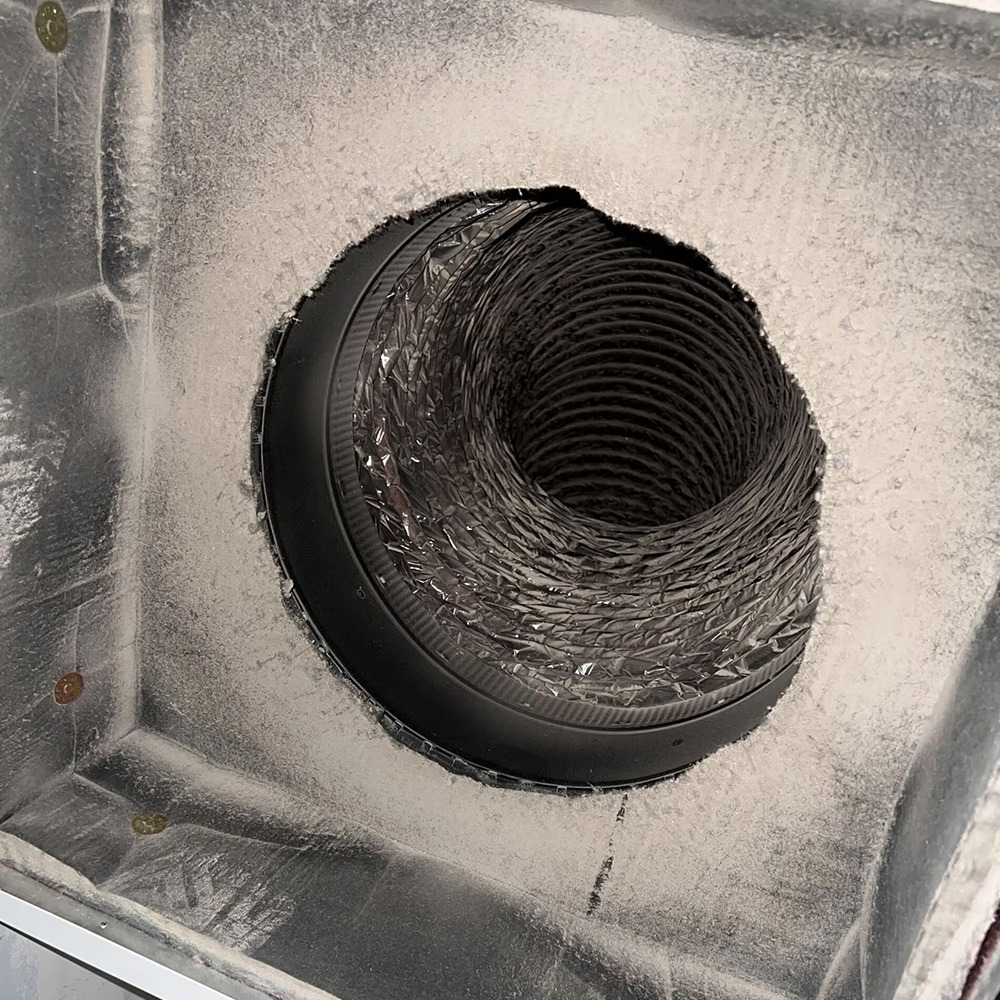
The first time we pulled a return grille in a Frisco home, the homeowner expected “dust.” What we found was more specific: a mix of fine construction debris that had made its way through the system over time, plus a layer of dirt that looked like it had been there since the HVAC was installed. After we cleaned, the difference wasn’t just visual—it was the way the home smelled and how quickly the system stopped re-depositing that “fresh dust” feeling.
That’s why people in Frisco and surrounding areas ask Lone Star Pro Flow LLC the same practical question: what happens inside the vents during HVAC duct cleaning, and what should I actually expect to see? This guide walks through what’s typically inside your ductwork, what a professional process looks like, what to watch for, and how to decide whether duct and dryer vent cleaning is the right next step.
Quick Answer
HVAC duct cleaning focuses on removing dust, debris, and buildup from supply and return air ducts (and sometimes related components like grilles, registers, and air handlers). A real professional process uses inspection first, then targeted cleaning with controlled equipment, and ends with verification—so you don’t just “stir up” contaminants. In homes and businesses in Frisco, where seasonal airflow changes and new construction activity are common, cleaning can help reduce nuisance dust, improve airflow comfort, and support indoor air quality efforts—especially when the source isn’t coming from elsewhere (like a blocked dryer vent).
What Gets Removed During HVAC Duct Cleaning (A Real-World Walkthrough)
Let’s talk about what’s actually inside ductwork. Ducts are supposed to carry conditioned air, but they also collect whatever the system brings in or distributes:
- Dust and lint that migrate from the home’s air into the duct surfaces
- Fine debris from past renovations, ongoing construction dust, or filter bypass
- Biofilm residues in certain conditions (more likely when moisture is present)
- Built-up particulate on bends, trunks, and near registers where airflow slows
- System dust that keeps cycling—the same “dust problem” that seems to appear after you clean
Step-by-step: what the cleaning process usually looks like
A professional duct cleaning is rarely just “vacuum and go.” In our work, the process typically includes:
1. Inspection and identification of hotspots
We check for obvious buildup at accessible points first—registers, returns, and the air handler area. Then we look for patterns: heavy accumulation on returns versus supplies, visible debris near certain runs, and any signs of moisture or damage.
2. Controlled access and setup
Registers and grilles are removed as needed. The goal is to clean duct surfaces without spreading debris through the living space more than necessary.
3. Source-focused agitation and removal
Depending on the system and duct condition, cleaning equipment may agitate debris from duct walls while high-suction collection removes it. The key is that debris should be captured, not redistributed.
4. Cleaning at the air handler and connection points (when accessible)
Many “dusty home” complaints aren’t only duct-related. Connections, the blower area, and nearby surfaces can contribute to what occupants see and smell.
5. Verification and cleanup
A real job ends with attention to the registers, returns, and surrounding areas—so you’re not leaving behind the very dust you wanted removed.
What you might notice after a good cleaning
People often report one or more of the following:
- Less “dust reappearing” on shelves near registers
- Improved comfort because airflow feels steadier
- A cleaner smell (especially if the home had stale buildup near returns)
If your issue is actually dryer vent blockage, duct cleaning alone may not change much—more on that below.
The One Mistake We See Most Often: People Clean Ducts While Ignoring the Dryer Vent
Here’s the pattern we notice with local customers: they’ll schedule duct cleaning after noticing dust, pet hair, or debris, but the dryer vent exhaust system is quietly doing the opposite job—pulling lint and air through the home and then reintroducing particles.
If you’re dealing with any of these, duct cleaning may only be part of the solution:
- Clothes dryer takes longer than it used to
- The laundry area gets unusually warm or smells “stale”
- You’ve had visible lint around the dryer or vent termination
- There’s a history of dryer vent buildup or repeated lint clogs
That’s why we often recommend pairing air duct and dryer vent cleaning when the symptoms point to both systems. If you want to compare services, this can help: dryer duct cleaning.
Why Frisco Homes and Businesses Often Need a Smarter Approach
Frisco’s mix of older homes, newer builds, and busy renovation activity changes what we see in ductwork. In many properties we visit, these factors show up in the duct surfaces:
- Construction and landscaping dust migrating into the system over time
- Filter changes that are inconsistent (or filters sized incorrectly)
- Airflow adjustments from upgrades or thermostat changes
- Seasonal demand spikes that reveal weak airflow balance or buildup
Local businesses—especially offices, retail spaces, and multi-tenant suites—also have a different reality than a typical home. They often have:
- Higher occupant turnover and foot traffic
- More variable schedules (which affects how long HVAC runs)
- Guest or tenant complaints that show up quickly when airflow drops
That’s why we don’t treat every job the same. The right plan depends on duct layout, system type, and what’s driving the complaint—dust, odor, airflow, or allergy symptoms.
If you’re curious about what Lone Star Pro Flow LLC does from the HVAC side, start here: HVAC.
What Most Customers Get Wrong About Duct Cleaning (and What to Do Instead)
There are a few misconceptions that cost homeowners and businesses time—and sometimes money—without improving comfort.
1) “If it’s dusty, duct cleaning will fix it.”
Dust can come from many places: poor filtration, household activities, humidity issues, or an unbalanced system. Duct cleaning helps when duct surfaces are actually contributing, but it isn’t always the root cause.
2) “The system just needs a quick vacuum.”
If debris is embedded in duct surfaces or concentrated in certain runs, a superficial approach won’t remove what matters. A professional job focuses on hotspots and removal with capture.
3) “DIY cleaning is close enough.”
DIY can stir particles into the air and leave behind debris in bends and hard-to-reach sections. For many homeowners, it becomes a short-term cleanup that doesn’t solve the long-term cycle.
4) “Duct cleaning is the same as air vent cleaning.”
Air vent cleaning (register-level cleaning) can help appearance, but it’s not the same as cleaning ductwork surfaces and the internal airflow pathways.
A Practical Checklist: How to Tell If You Need HVAC Duct Cleaning (or Dryer Vent Cleaning Too)
Use this as a quick decision framework before you book.
Step 1: Look for duct-related clues
Consider duct cleaning if you notice:
- Visible dust buildup at returns more than supplies
- Dust that seems to cycle shortly after cleaning
- Unexplained debris patterns around HVAC registers
- Construction dust exposure in the last year or two
Step 2: Look for dryer vent clues (don’t skip this)
You’re likely a strong candidate for dryer duct cleaning if:
- Dryer lint builds up quickly
- Dry times are increasing
- The dryer exhaust feels weak
- You’ve had lint clogs or repeated cleaning needs
Step 3: Decide whether you need both
If you have indoor dust complaints plus laundry performance issues, it’s usually smarter to address both systems. That’s how you stop the “problem loop.”
Step 4: Ask the provider these questions
- Do you start with an inspection?
- How do you prevent debris from spreading?
- What equipment do you use to remove debris from duct surfaces?
- Do you also clean the air handler area when accessible?
- How do you handle verification and final cleanup?
If a company can’t answer these clearly, you’ll likely end up paying for partial work.
Professional Duct and Dryer Vent Cleaning: DIY vs. What Lone Star Pro Flow LLC Does
| Scenario | DIY approach | Professional approach |
|---|---|---|
| Dust at registers | Often improves appearance only | Targets duct pathways and removal points |
| Embedded debris in duct walls | Easy to stir up, hard to remove | Uses controlled methods to dislodge and capture debris |
| Dryer lint buildup | Can miss deeper blockage | Focuses on airflow path and exhaust cleaning needs |
| Repeated “dust returns” | Doesn’t address system sources | Checks for contributing factors across HVAC and laundry exhaust |
| Verification | Usually none | Includes inspection, cleanup, and process transparency |
Quick Answer: What Should You Expect to See During the Service?
Most reputable duct and dryer vent cleaning services will do more than talk. Here’s what “good” typically looks like:
- You’ll see registers removed and accessible areas inspected
- You’ll hear a clear explanation of where buildup is most likely
- You’ll get process details (how debris is dislodged and captured)
- You’ll get final cleanup in the area around returns and supplies
- You’ll leave with clarity on whether duct cleaning, dryer vent cleaning, or both are appropriate
If you don’t see any inspection or explanation, that’s a red flag.
Ready to Improve Indoor Air Quality and Reduce Nuisance Dust?
If you’re in Frisco and you’re tired of dust that keeps coming back—or you’re noticing dryer performance issues along with HVAC complaints—Lone Star Pro Flow LLC can help you choose the right next step. Start with a focused HVAC assessment and, when it makes sense, address the laundry exhaust too.
About the Company
Lone Star Pro Flow LLC is a local HVAC and ductwork solutions team based in Frisco, TX. Our work focuses on practical, experience-based cleaning and system support—because we’ve seen how “quick fixes” fail when the real source is airflow restriction, buildup in specific runs, or a dryer vent problem feeding the cycle. When you call, you’ll get straightforward recommendations on what to clean, what to check, and what to avoid.