
Improve Dryer Vent Performance With Professional Cleaning
If your dryer is taking longer than it used to or leaving clothes feeling warm but not fully dry, the problem is often inside the duct and vent system. This guide explains what to check, what professional cleaning targets, and how to reduce lint buildup for homes in Frisco, TX.
Your dryer runs, the drum turns, and the vent flap outside opens and closes. Still, you pull out damp towels, or you notice a musty smell lingering in the laundry room.
In Frisco, TX, that pattern often points to airflow being restricted by lint, debris, and buildup along the dryer duct and exhaust path. This guide helps you understand why dryer vent cleaning matters, what signs to watch for, and what a professional cleaning process should cover so your vent system performs the way it was designed to.
- Quick answer
- What to check first
- Main things customers should understand
- Why this matters in Frisco, TX
- Common mistakes to avoid
- Customer checklist
- Frequently asked questions
Quick Answer
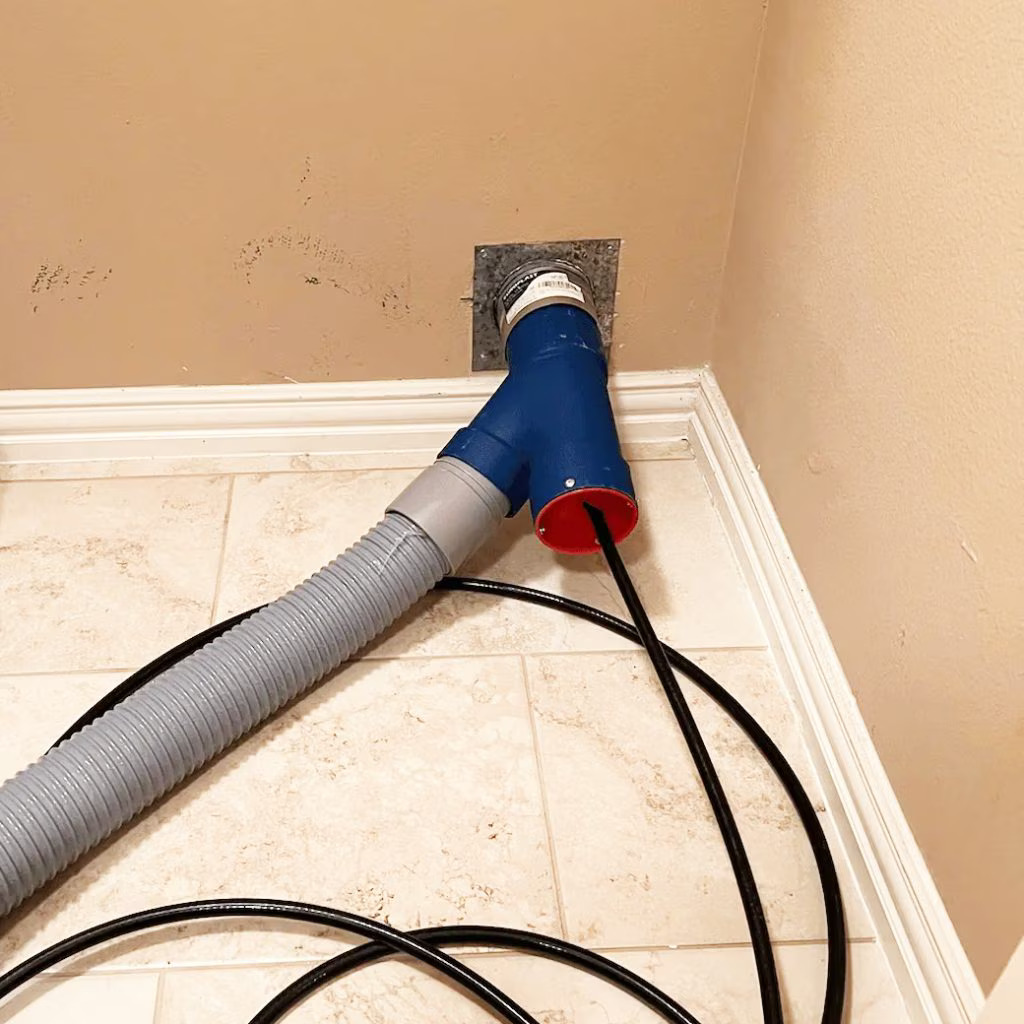
If your dryer takes longer, gets unusually hot, or leaves damp spots, the dryer vent path may be restricted by lint buildup. Start by verifying airflow and checking the exterior vent flap for proper movement and obstructions. For a more reliable fix, schedule professional dryer vent cleaning services that remove lint deeper in the duct and help restore exhaust flow. If you also see laundry lint escaping into the room, or you suspect a blockage, don’t keep running the dryer. Lone Star Pro Flow LLC can help with dryer duct cleaning and dryer exhaust cleaning for homes in Frisco, TX.
What to Check First
Before you book anything, focus on the quickest, most informative checks. These don’t replace professional work, but they help you confirm whether the issue is airflow restriction in the vent system versus a dryer setting or load problem.

- Drying time changes: Has “one cycle” become “two cycles,” especially for towels and bedding?
- Heat and smell: Do you notice more heat near the dryer or a musty odor in the laundry room?
- Exterior vent flap: When the dryer runs, does the outside flap open properly and close afterward?
- Visible lint signs: Is lint collecting around the dryer connection or in areas it didn’t used to accumulate?
- Lint screen habits: Is the lint screen cleaned thoroughly before every load (and does it sit correctly after cleaning)?
Professional observation: Most “drying problems” are really an exhaust airflow problem. Even when the lint screen is clean, lint can still build up further down the dryer exhaust vent cleaning path, especially in longer runs or duct sections with bends.
Main Things Customers Should Understand
A dryer vent system is a ventilation pathway, not just a hose. When lint and debris accumulate inside the duct and at transitions, airflow slows. That reduced airflow can lead to longer drying cycles, warmer-than-normal dryer operation, and leftover moisture that makes clothes feel damp even after a complete cycle.
Where buildup happens
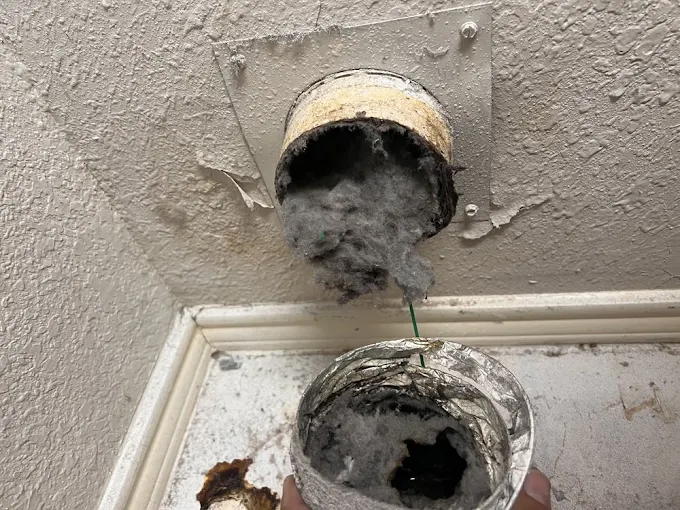
Lint tends to collect along the duct interior, at bends, and near connection points where air flow changes direction. Over time, this can narrow the passage and trap fine lint that is difficult to remove without proper equipment.
Why “cleaning the screen” is not enough
The lint screen catches a portion of debris, but it cannot stop everything from escaping into the dryer duct. Dryer lint removal needs to address what leaves the drum and travels through the exhaust system.
What inspection should look for
A good dryer vent inspection focuses on airflow path condition, signs of partial blockage, and how the duct is routed. If the vent system has kinks, crushed sections, or excessive bends, cleaning alone may not restore full performance without addressing the cause.
Customer-focused takeaway: When dryer duct cleaning is done correctly, it supports indoor air quality and dryer performance by removing lint buildup and reducing the chance of recurring lint-related blockages.
Why This Matters in Frisco, TX
Homes and apartments in Frisco, TX often use laundry spaces where venting and duct routes may be tighter than ideal. In multi-unit settings like apartments, condo dryer vent cleaning can be especially important because vents may share routing paths or be constrained by building layout. When ductwork is routed through walls, behind cabinetry, or around structural elements, lint can accumulate in hard-to-reach sections.
For many customers, the first “real” clue is how the dryer behaves during humid or seasonal shifts. If you’re already noticing slower drying, dryer exhaust cleaning can help restore consistent airflow so your laundry room stays comfortable and the dryer cycle runs more predictably.
| Situation you notice | Most likely cause | Recommended next step |
|---|---|---|
| Dry cycles take longer than usual | Restricted airflow from lint buildup in the dryer vent | Schedule professional dryer vent cleaning services |
| Musty odor near the dryer or in laundry room | Moisture and trapped lint affecting exhaust performance | Ask for dryer exhaust vent cleaning and inspection |
| Exterior vent flap does not move consistently | Partial blockage or airflow imbalance | Request dryer vent blockage removal assessment |
| Lint collecting around the dryer connection | Air leaks at connection points and/or duct buildup | Have the duct and connection checked during cleaning |
Get dryer vent performance back on track
If your dryer feels like it is working harder but still leaving moisture behind, Lone Star Pro Flow LLC can help with dryer duct cleaning and dryer vent maintenance for homes and businesses in Frisco, TX.
Contact Lone Star Pro Flow LLCCommon Mistakes to Avoid
It’s easy to assume the fix is “clean the lint screen” or “use a longer cycle.” Those approaches don’t address the lint that stays inside the duct and exhaust path, and they can keep the problem going.
- Waiting too long: If you keep running the dryer through repeated damp loads, lint buildup continues to grow along the duct.
- Ignoring exterior airflow: If the outside vent flap is not moving correctly, the issue is not just inside the dryer.
- Relying on surface cleaning only: Wiping the connection area may help appearance, but it does not remove deeper lint inside the duct.
- Assuming duct length is “fine”: Longer runs and extra bends can collect lint faster. That is why professional cleaning often focuses on the entire duct path.
- Overusing dryer lint removal methods without inspection: If you suspect a blockage, repeated attempts without checking for restrictions can delay the real fix.
Customer Checklist
Use this checklist to prepare for professional duct and dryer vent cleaning. It helps you notice what is happening now and makes it easier for the technician to focus on the right parts of the system.
- Note how long your dryer takes for typical loads (towels, bedding, mixed loads).
- Check and clean the lint screen before each load and confirm it seats securely.
- Observe the dryer vent flap outside while the dryer is running.
- Look for lint around the dryer connection and any nearby gaps.
- Take note of any musty smell or unusual warmth in the laundry area.
- Confirm what type of property you have (residential, apartment, condo, or commercial) so the route can be evaluated correctly.
Representative Scenario
In one Frisco, TX home, the homeowner reported that clothes were coming out warm but not fully dry after a normal cycle. The lint screen was being cleaned every load, but the exterior vent flap seemed slow to open. During the dryer duct cleaning visit, the technician focused on the full exhaust path, including bends and connection points where lint tends to collect. After cleaning, the dryer cycle time improved because exhaust airflow was no longer restricted by trapped buildup. The homeowner also understood how dryer vent maintenance can help prevent the same issue from returning.
Frequently Asked Questions
How often should I schedule dryer vent cleaning?
There is no one schedule that fits every home, because dryer use patterns and vent routing differ. If you notice symptoms like longer dry times, musty odors, lint collecting near the connection, or reduced airflow outside, that is a practical time to get dryer vent cleaning services. For many customers, recurring issues after routine lint screen cleaning are a sign that buildup has formed deeper in the duct and exhaust path. A dryer vent inspection can help confirm what is happening in your specific system and whether professional dryer exhaust cleaning is the right next step.
Can I fix dryer problems without professional cleaning?
You can start with simple checks like cleaning the lint screen, verifying the outside vent flap movement, and checking for visible lint around the dryer connection. However, those steps do not remove lint that is lodged deeper in the duct and at bends. If the dryer still takes longer or leaves clothes damp after a complete cycle, professional dryer duct cleaning services are typically the most effective way to restore airflow. Lone Star Pro Flow LLC focuses on the dryer exhaust vent cleaning path so the system performs as intended, not just the surface areas.
What does “dryer vent blockage removal” involve?
Blockage removal generally means addressing partial restrictions caused by lint buildup and debris. A technician will evaluate the duct route, then remove accumulated lint along the exhaust path to restore airflow. In some cases, the issue is not just “more lint,” but duct routing that creates restrictions. That is why dryer vent inspection matters. If you are seeing symptoms like inconsistent exterior flap movement or repeated damp loads, a targeted inspection and cleaning plan helps reduce guesswork and supports better dryer performance.
Is dryer vent cleaning connected to indoor air quality?
Yes, it can be. When exhaust airflow is restricted, moisture and lint-related odors can contribute to a less comfortable laundry space. Cleaner exhaust performance helps the dryer remove moisture more effectively, which can reduce lingering smells and damp conditions in the area. In addition, reducing trapped lint in the duct helps prevent recurring buildup that can contribute to ongoing airflow problems. If you are looking for comprehensive HVAC duct and dryer vent cleaning, Lone Star Pro Flow LLC also offers air duct and dryer vent cleaning support that aligns with indoor air quality goals.
Do you also clean HVAC ducts?
Many customers schedule ductwork cleaning for both the HVAC system and the dryer exhaust path, especially when they are addressing overall airflow and comfort. If you are interested in HVAC duct cleaning services alongside dryer vent cleaning, Lone Star Pro Flow LLC can help coordinate the right approach. You can learn more at HVAC duct cleaning services. Keeping the dryer vent and HVAC airflow systems in good condition supports consistent performance throughout the home.
Ready for professional dryer duct cleaning in Frisco, TX?
If you are dealing with slower drying, lint buildup concerns, or a vent path that seems to restrict airflow, Lone Star Pro Flow LLC is here to help. Reach out to discuss dryer vent cleaning services, dryer lint removal, and dryer exhaust cleaning for your property in Frisco, TX & surrounding areas.
(972) 532-7959
Lone Star Pro Flow LLC
Lone Star Pro Flow LLC provides duct and dryer vent cleaning services for customers in Frisco, TX and the surrounding areas. The focus is on restoring airflow by addressing lint buildup inside the dryer exhaust vent cleaning path and supporting better indoor air quality and dryer performance.
Want to compare options or learn what to prioritize next? Explore dryer duct cleaning for a customer-focused overview of the process.