
Is HVAC Duct Cleaning Worth the Investment?
If you are in Frisco, TX, and you are wondering whether air duct cleaning and dryer vent cleaning near me is a smart move or just another expense, this guide breaks down what actually matters, what to check first, and how to decide based on your home’s conditions.
Last summer, a homeowner in Frisco noticed their AC air felt weaker, dust seemed to settle faster on shelves, and the vents looked darker than they remembered. They had changed filters a few times, but the problem kept coming back. At the same time, they were also thinking about dryer vent cleaning because their dryer sometimes took longer than usual.
That’s a common crossroads: you want better indoor air quality, but you also do not want to pay for work that does not address the real cause. This guide helps you separate “dust in the house” from “dust in the system,” understand when duct cleaning and dryer duct cleaning make sense, and decide what to prioritize first in a Texas home or business.
- Quick answer
- What to check first
- Main things customers should understand
- Why this matters in Frisco, TX
- Common mistakes to avoid
- Customer checklist
- Frequently asked questions
Quick Answer
HVAC duct cleaning can be worth the investment when there is a clear reason to clean, like visible contamination, repeated dust complaints that match airflow paths, or conditions that suggest buildup inside the ductwork. If your main issue is weak airflow, allergy symptoms, or odors, start by checking filters, returns, registers, and system function first, because cleaning alone may not fix the root cause. If you also have dryer performance concerns, prioritize dryer duct cleaning and dryer exhaust cleaning because lint buildup is a common, high-impact problem. When in doubt, request an inspection and decide based on what is found.
What to Check First
Before you spend on HVAC duct cleaning, you want to make sure the duct system is actually the source of the symptoms you are seeing. Many “duct cleaning” conversations start after dust shows up on surfaces, but dust can also come from air leaks, filter condition, return vent placement, or general household activity.
1) Confirm airflow and filtration
Check that your HVAC filter is the right size and is being replaced on schedule. Then verify that returns and supply vents are not blocked by furniture, rugs, or storage.
2) Look for duct-related clues
If you see dust collecting around registers, or you notice soot-like discoloration, that is a stronger sign than “dusty home” alone.
3) Address dryer performance concerns
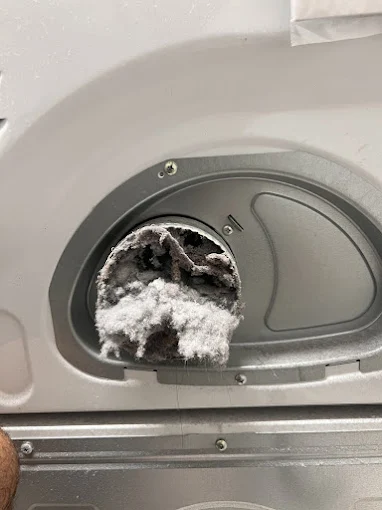
If the dryer takes longer, shows lint buildup around the laundry area, or you notice restricted airflow, that is often a priority for dryer vent cleaning services.
Professional observation: In many Frisco homes, the “investment” decision comes down to whether cleaning targets an actual restriction, contamination pattern, or maintenance issue. When the system is already functioning normally and symptoms match filter or airflow problems, duct cleaning may not be the best first step.
Main Things Customers Should Understand
Think of HVAC duct cleaning and dryer duct cleaning as two different jobs with different risk profiles. HVAC duct cleaning is usually about removing contaminants that can accumulate inside the ductwork. Dryer vent cleaning is about clearing lint and debris from the exhaust path so the dryer can vent properly and reduce buildup-related issues.
When customers ask whether HVAC duct and dryer vent cleaning is “worth it,” the best approach is to match the service to the problem you are trying to solve. Here is a practical way to sort it.
| What you notice | Most likely focus | Why it matters |
|---|---|---|
| Dryer takes longer than usual or feels like it is losing power | dryer duct cleaning | Lint accumulation can restrict exhaust airflow, which affects drying performance. |
| Dust seems to appear faster, especially near supply registers | Evaluation of HVAC ductwork and airflow paths | Dust patterns can point to contamination or airflow distribution issues that cleaning alone may or may not address. |
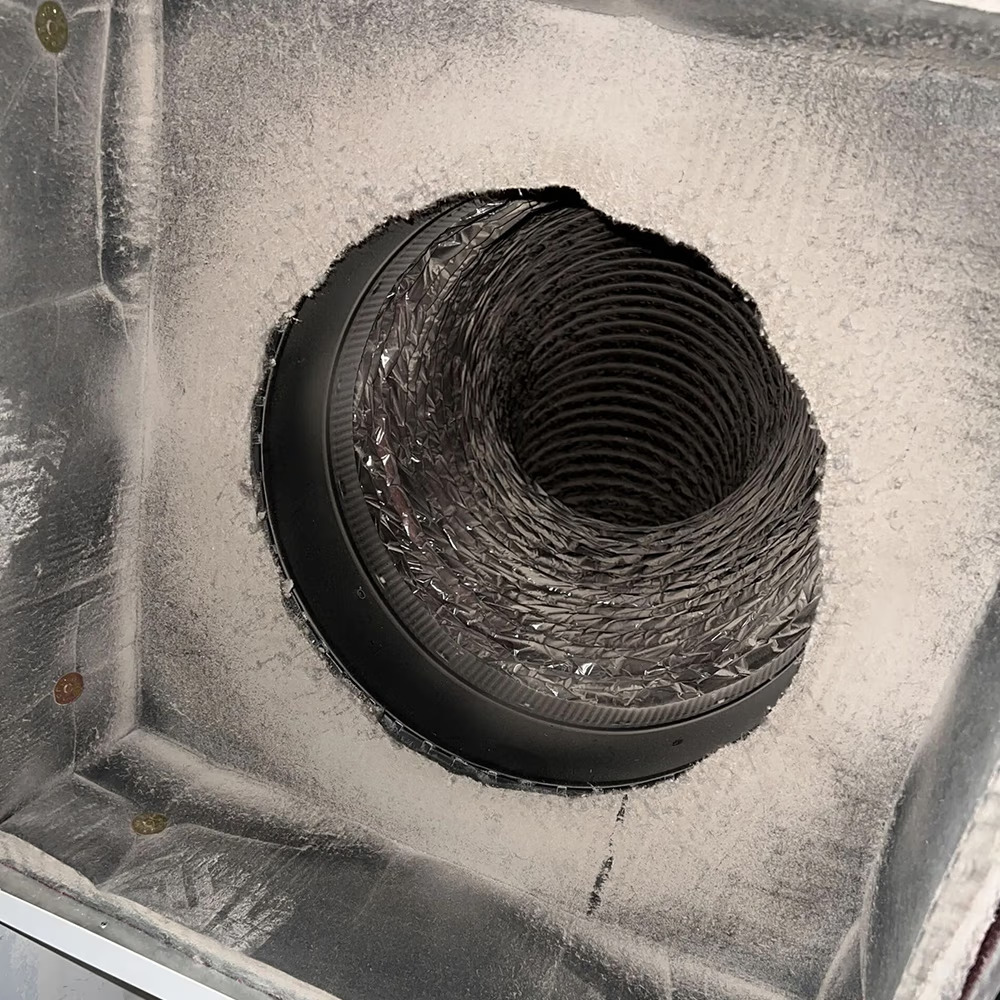
| Visible debris or heavy buildup concerns in air vents | HVAC duct cleaning assessment | When there is visible contamination, the ducts are a more direct target. |
| Odors that seem to travel through the HVAC system | Inspection first, then decide on cleaning scope | Odors can come from multiple sources, so you want to identify the pathway before paying for work. |
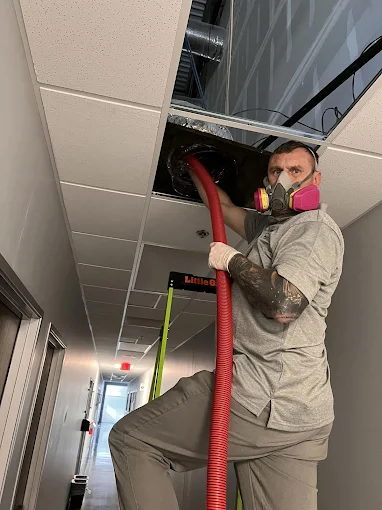
For HVAC-focused questions, many homeowners start by exploring air duct cleaning and HVAC duct cleaning services to understand what is involved and what signs to look for. For laundry-area concerns, dryer duct cleaning can help you think through whether the exhaust route needs attention.
Scope matters: “Duct cleaning” is not one-size-fits-all. Your decision is more reliable when the work is matched to what the technician finds in your system, whether that is supply/return areas or the dryer exhaust path.
Why this matters in Frisco, TX
In Frisco, TX, homes often run HVAC systems through long stretches of high-demand cooling and heavy indoor comfort usage. That makes proper airflow and consistent maintenance a bigger deal because small issues can show up as weak air distribution, dust complaints, or musty smells. When you combine that with laundry routines and dryer use, dryer vent maintenance becomes part of the same “indoor comfort” picture.
Another local reality is property variety. You may be dealing with a newer build with different airflow design than an older home, or a multi-tenant setup where shared systems affect how quickly dust and odors show up. That is why “duct cleaning and dryer vent cleaning in Frisco” decisions should be based on what is actually happening in your specific ducts and exhaust routes, not just a general checklist.
Want a clear, practical direction for your duct and dryer vent?
Call Lone Star Pro Flow LLC to talk through what you are seeing in your Frisco home or property and what to prioritize first.
(972) 532-7959Common Mistakes to Avoid
Most wasted duct-cleaning effort comes from skipping the “why” and jumping straight to the “what.” If you want the investment to pay off, avoid these common missteps.
- Assuming dust on surfaces automatically means the HVAC ducts are dirty.
- Not addressing basic airflow and filter issues first, then expecting duct cleaning to fix weak performance.
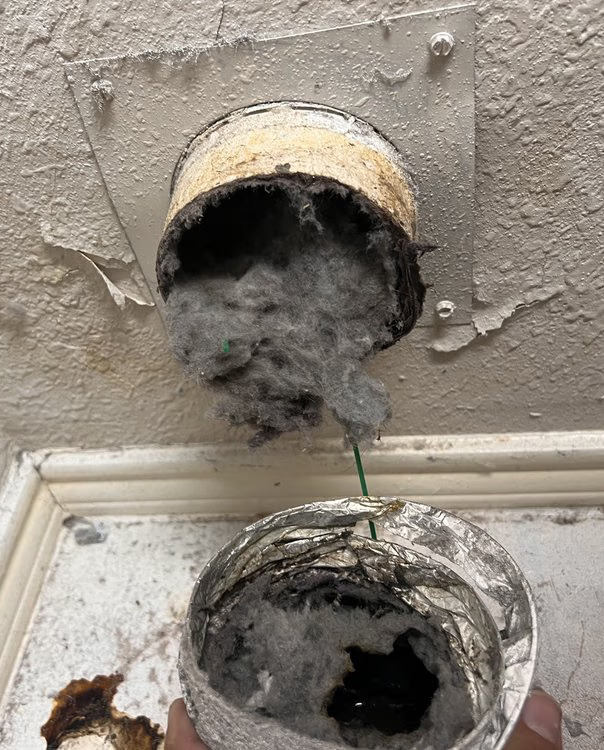
- Neglecting the dryer exhaust path while focusing only on air ducts, even when drying time or lint buildup suggests airflow restriction.
- Choosing a service based only on the idea of “more cleaning” without considering the actual contamination pattern.
- Waiting until a dryer vent blockage becomes obvious before scheduling dryer vent lint removal or a dryer vent inspection.
Customer Checklist
Use this checklist to make the decision in a way that is easier to explain to your household or property team. It also helps you communicate your symptoms clearly so the inspection can focus on the right areas.
Practical recommendation: If you are deciding between HVAC duct cleaning and dryer duct cleaning, start with the system that shows the most obvious performance symptoms. Weak dryer performance and lint buildup typically signal a higher-impact maintenance need, while HVAC cleaning is best justified when there are duct-specific contamination clues.
- Write down what you notice: weak airflow, faster dust buildup, odors, or dryer drying time changes.
- Check filters and confirm they are the correct size and replaced on schedule.
- Inspect the dryer area for lint accumulation and signs the exhaust route is not clearing properly.
- Ask whether the technician will look for contamination patterns in both the HVAC system and the dryer exhaust route, based on your symptoms.
- Decide cleaning scope based on what is found, not just on a general assumption.
Representative scenario: what the decision looks like
A condo owner in Frisco noticed that laundry cycles were taking longer, and lint seemed to collect around the laundry area. They also felt that the home’s airflow was fine, and they had been changing HVAC filters regularly. In this situation, the more practical first step is often dryer vent cleaning services because the performance issue points to the exhaust path. After the dryer exhaust route is addressed, they can reassess whether there are any duct-specific contamination signs that would justify air duct cleaning services.
Frequently Asked Questions
How do I know if I need HVAC duct cleaning?
You usually have a better decision when your symptoms match what is happening in the duct system. Look for clues near supply/return registers, repeated dust concerns that align with airflow paths, or visible contamination. If your issue is primarily weak airflow or recurring problems, start with filters and airflow checks first, because duct cleaning alone may not fix system performance. A targeted inspection helps confirm whether the ducts are actually the source, which is the difference between paying for cleaning and paying for results.
Is dryer vent cleaning really more urgent than air duct cleaning?
For many homeowners, dryer vent lint removal and dryer exhaust vent cleaning become urgent because lint buildup can restrict airflow and affect drying performance. If your dryer takes longer than usual, you notice lint where it should not be, or you suspect a blockage, that points to the exhaust route as the priority. HVAC duct cleaning may still be appropriate, but the “worth it” decision is often clearer when you address the system showing the most direct performance impact first.
What is the difference between dryer vent cleaning and dryer duct cleaning?
Both terms are used for cleaning the dryer’s exhaust pathway, but “dryer duct cleaning” often emphasizes the duct route and connected sections. “Dryer vent cleaning” commonly refers to clearing lint and debris from the vent end and the full exhaust path. In practice, the most useful question is whether the cleaning targets the whole exhaust route and addresses buildup that could restrict airflow. If you are unsure, ask for a dryer vent inspection approach based on what the technician finds.
Can indoor air quality improve without duct cleaning?
Yes. Indoor air quality is influenced by multiple factors, including filter condition, ventilation habits, and how air moves through your home. If your HVAC system is running properly and filters are maintained, you may not need duct cleaning to get noticeable improvements. When dust seems to increase, it helps to identify whether the source is airflow distribution, leaks, or actual contamination inside ducts. A focused inspection can help you choose between air duct cleaning and other steps that better match the cause.
What should I ask a duct and dryer vent cleaning company?
Ask what they will inspect first, how they determine whether cleaning is needed, and what scope they recommend based on your observations. For dryer concerns, ask about the exhaust path and whether they will check for restriction and buildup. For HVAC concerns, ask how they evaluate duct-specific clues rather than relying on general dust assumptions. Clear answers help you understand whether the work is justified by what is found in your system.
Ready to make duct cleaning and dryer vent cleaning decisions that make sense?
Talk with Lone Star Pro Flow LLC about your Frisco, TX home or property. You will get a clear, practical direction on what to prioritize based on what you are seeing.
Contact Lone Star Pro Flow LLC
Lone Star Pro Flow LLC
Lone Star Pro Flow LLC provides duct and vent cleaning services for customers in Frisco, TX and surrounding areas, helping homeowners and property managers decide when HVAC duct cleaning and dryer vent cleaning services are the right next step.
If you are searching for air duct and dryer vent cleaning solutions, you can reach Lone Star Pro Flow LLC at (972) 532-7959 or visit lonestarproflow.com.