
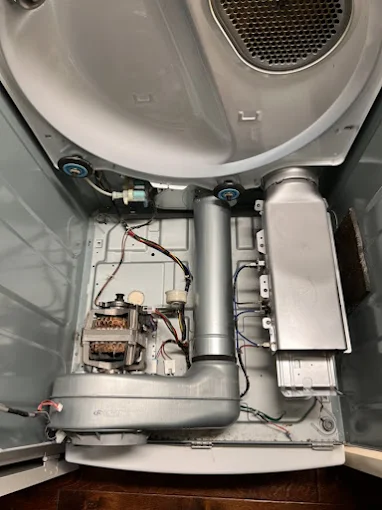
Lone Star Pro Flow LLC Dryer Duct Cleaning Keeps Lint Out Of Walls
If your dryer is taking longer to dry, leaving clothes warmer than usual, or you notice lint where it should not be, the vent system may be collecting buildup inside the duct run. This guide explains what to check, what to avoid, and how professional air duct and dryer vent cleaning can support indoor air quality in Frisco, TX and surrounding areas.
Last week, a homeowner in Frisco told us their laundry room started feeling “dusty” even after wiping surfaces. The dryer still ran, but loads were taking longer, and they could smell a faint, musty odor at the end of cycles. When they pulled the lint screen, it looked normal, but lint seemed to be traveling deeper into the dryer exhaust path.
That is a common decision point: keep using the dryer and hope it improves, or figure out whether the dryer vent and ductwork need cleaning and inspection. This guide will help you understand how dryer lint removal works, what signs point to a blockage, and when to pair dryer duct cleaning with broader ventilation cleaning like HVAC duct cleaning.
Quick Answer
If dryer drying times are creeping longer or you see lint where it should not be, start by inspecting the dryer vent route and checking for airflow restrictions. A professional dryer vent inspection can confirm whether lint buildup or a partial blockage is collecting in the duct run. For most homes, the practical next step is to schedule dryer duct cleaning and dryer exhaust cleaning so buildup is removed from the exhaust path, not just the lint screen. If you also run your HVAC system frequently, consider HVAC duct and dryer vent cleaning together to support cleaner circulation.
What to Check First
Before you decide on cleaning, you can narrow down the most likely issue. Focus on airflow, routing, and where lint would logically accumulate.
1) Drying performance
Note whether clothes feel hotter than usual at the end, or if cycles run longer without fully drying. These patterns can point to restricted exhaust.
2) Vent connection and route
Look for loose connections at the dryer outlet and any sections of duct that look sagging, crushed, or excessively long.
3) Lint signs
Check around the laundry room, on the exterior vent termination area, and inside accessible duct sections for lint that should not be there.
Professional observation: In many homes, lint does not “disappear.” It migrates along the dryer exhaust path and settles where airflow slows down, especially at bends or longer duct runs. That is why duct and dryer vent cleaning often matters even when the lint screen is cleaned regularly.
Main Things Customers Should Understand
Dryer vent cleaning is not only about removing visible lint. It is about restoring airflow and reducing the chance that buildup continues to collect deeper in the ductwork behind walls or in tight runs.
What “dryer duct cleaning” typically addresses
When you schedule air duct and dryer vent cleaning, the goal is to remove lint and debris from the dryer exhaust system. That includes the dryer-to-vent duct run and the areas where buildup can collect. Over time, dryer lint removal supports more consistent drying performance and helps reduce the accumulation that can contribute to odors and dusty messes.
Why lint can end up inside structures
In residential layouts common around Frisco, TX, dryer exhaust routes may include angled transitions, longer horizontal runs, or duct sections concealed behind walls. If the vent system has partial blockage, lint can be pushed into places where it settles. The result can be lint accumulation that feels like it is “coming from the wall,” even though it started at the dryer exhaust.
When HVAC duct cleaning belongs in the same conversation
Homes that run HVAC duct and dryer vent cleaning together often do it because indoor air quality concerns are rarely isolated to one appliance. If you are already dealing with dust redistribution or musty odors, it can make sense to review both systems. If you want to understand how ventilation cleaning works across the home, explore HVAC duct and vent cleaning.
Why This Matters in Frisco, TX
Frisco homes often include newer construction, but many also have older laundry setups with duct runs that were not optimized for today’s dryer usage. Seasonal humidity swings in North Texas can influence how quickly fabrics dry, which can make minor vent restrictions feel worse during certain times of year. When airflow is reduced, lint buildup can increase, and the dryer may run longer to compensate.
From our day-to-day work, we also see that laundry rooms are frequently near return-air pathways, which is one reason customers connect dryer vent issues with broader dust or odor concerns. Keeping dryer exhaust clean supports better performance and helps you avoid the “lint out of nowhere” problem.
Practical takeaway: If you are searching for “air duct cleaning and dryer vent cleaning near me,” consider whether your symptoms point specifically to the dryer exhaust path. Dryer exhaust cleaning and inspection can be the faster route to clarity when drying times and lint signs are the main triggers.
Want your dryer exhaust route checked?
Call Lone Star Pro Flow LLC for dryer vent cleaning services designed to help remove lint buildup from the dryer duct path in Frisco, TX.
(972) 532-7959Common Mistakes to Avoid
These are the missteps we most often see when customers try to handle dryer vent cleaning on their own or delay service.
- Cleaning only the lint screen: The lint screen catches a portion of lint, but buildup can still accumulate inside the dryer exhaust system where you cannot easily see.
- Ignoring longer drying cycles: If clothes are taking longer to dry, the issue is often restricted airflow. Waiting usually lets lint build up more.
- Overlooking vent routing changes: If the dryer was moved or the duct route changed, bends and length can increase restriction.
- Assuming “no mess” means “no blockage”: A partial blockage can still produce odors and lint migration without dramatic visible clogs.
- Skipping dryer vent inspection: A quick check can help confirm whether the problem is the dryer exhaust path or something else affecting drying performance.
Customer Checklist
- Record how long your dryer cycles run compared to when the system felt “normal.”
- Check the exterior vent termination for signs of lint accumulation and ensure the flap opens properly.
- Inspect the dryer connection for looseness, sagging, or crushed duct sections where airflow can slow.
- Look for lint around the laundry area, near baseboards, or around accessible duct sections.
- Confirm whether you have ever had dryer vent lint removal or dryer exhaust vent cleaning done beyond the lint screen.
- If you are also concerned about dust or musty odors, ask about pairing ventilation cleaning with HVAC duct cleaning.
Representative scenario (what we commonly see)
A property manager in Frisco reported that multiple apartment units had similar symptoms: laundry loads were staying slightly damp, and residents were noticing more lint on nearby surfaces after drying. When the dryer exhaust path was inspected, the duct route included multiple turns and a longer run than expected. Lint buildup was concentrated at the sections where airflow slowed, and the partial restriction caused dryer performance to drop over time.
In cases like this, customers benefit most from professional dryer duct cleaning that addresses the full exhaust path, not just the dryer’s lint screen. If you manage multiple units, consistent dryer vent maintenance can also make complaint patterns easier to resolve.
| What you notice | Most likely cause to investigate | Best next step |
|---|---|---|
| Drying times are longer than usual | Restricted airflow from lint buildup or a partial blockage in the exhaust path | Schedule dryer vent inspection and dryer duct cleaning |
| Lint appears near the laundry room or around the dryer area | Lint migration due to reduced exhaust performance | Ask about clothes dryer vent cleaning and full duct route cleaning |
| Musty odor at the end of cycles | Moisture and debris trapped in the exhaust system | Request dryer exhaust cleaning and confirm vent route condition |
| Dust concerns also show up during HVAC operation | Broader ventilation buildup across air ducts and registers | Consider HVAC duct and dryer vent cleaning together |
Ready to keep lint out of the duct path?
For dryer vent cleaning services in Frisco, TX and surrounding areas, Lone Star Pro Flow LLC can help you address buildup with dryer duct cleaning and dryer vent cleaning focused on the full exhaust system.
Schedule dryer duct cleaningFrequently Asked Questions
How often should I get dryer vent cleaning or dryer duct cleaning?
There is no single schedule that fits every home, because usage patterns and duct routes vary. A practical approach is to pay attention to performance changes. If you notice longer drying times, recurring lint issues, or odors that appear during dryer cycles, that is a strong signal the exhaust path may need attention. For households in Frisco, TX with more frequent laundry cycles, periodic checks can help prevent buildup from becoming a partial blockage. Lone Star Pro Flow LLC can also help you decide based on what is found during a dryer vent inspection.
Is dryer lint removal really necessary if I clean the lint screen?
The lint screen helps, but it does not capture all lint that becomes airborne during drying. Some lint travels through the exhaust system and settles in areas where airflow slows, especially around bends or longer duct runs. That is why “dryer duct cleaning” focuses on the duct and exhaust path beyond the lint screen. Customers often notice the difference when lint stops accumulating around the laundry area and drying performance becomes more consistent again.
What does dryer vent inspection involve?
A dryer vent inspection is meant to help confirm whether lint buildup or a blockage is impacting airflow. In many cases, it includes reviewing the dryer-to-vent duct route, checking the condition of accessible sections, and evaluating the exhaust termination area. The goal is to identify where the system is restricted and whether cleaning should focus on the full dryer exhaust path. If you suspect dryer exhaust problems but are not sure where the issue is, inspection can help you avoid unnecessary guesswork.
Can dirty dryer vents affect indoor air quality?
Yes. When dryer exhaust performance is restricted, lint and debris can accumulate in the vent system and contribute to dust and odor issues inside the home. While the dryer itself is the source, the exhaust path is where problems build up over time. If you are also noticing dust during HVAC operation or musty smells in a nearby area, it can be worth coordinating ventilation cleaning. Lone Star Pro Flow LLC offers HVAC duct cleaning alongside dryer duct cleaning so you can address the ventilation system more holistically.
Do you also clean commercial dryer vent cleaning or apartment dryer vent cleaning?
Yes. Dryer vent cleaning is commonly needed in multi-unit properties where consistent maintenance matters and residents may have different usage habits. Apartment dryer vent cleaning and condo dryer vent cleaning can help reduce recurring lint issues tied to restricted airflow. If you manage properties in Frisco, TX and surrounding areas, it can also help to standardize how dryer exhaust problems are addressed across units. Lone Star Pro Flow LLC can discuss the best approach based on the duct routes and the symptoms you are seeing.
What is the difference between air duct cleaning and dryer vent cleaning?
Air duct cleaning focuses on the HVAC ductwork that distributes conditioned air through your home. Dryer vent cleaning focuses on the exhaust system that removes hot air and moisture from the dryer to the outside. Both involve airflow pathways, but they serve different appliances and collect different kinds of buildup. If your main issue is drying performance, lint around the laundry area, or dryer odors, dryer exhaust cleaning is usually the priority. If indoor dust and airflow concerns show up as well, pairing HVAC duct and dryer vent cleaning can be a practical next step.