
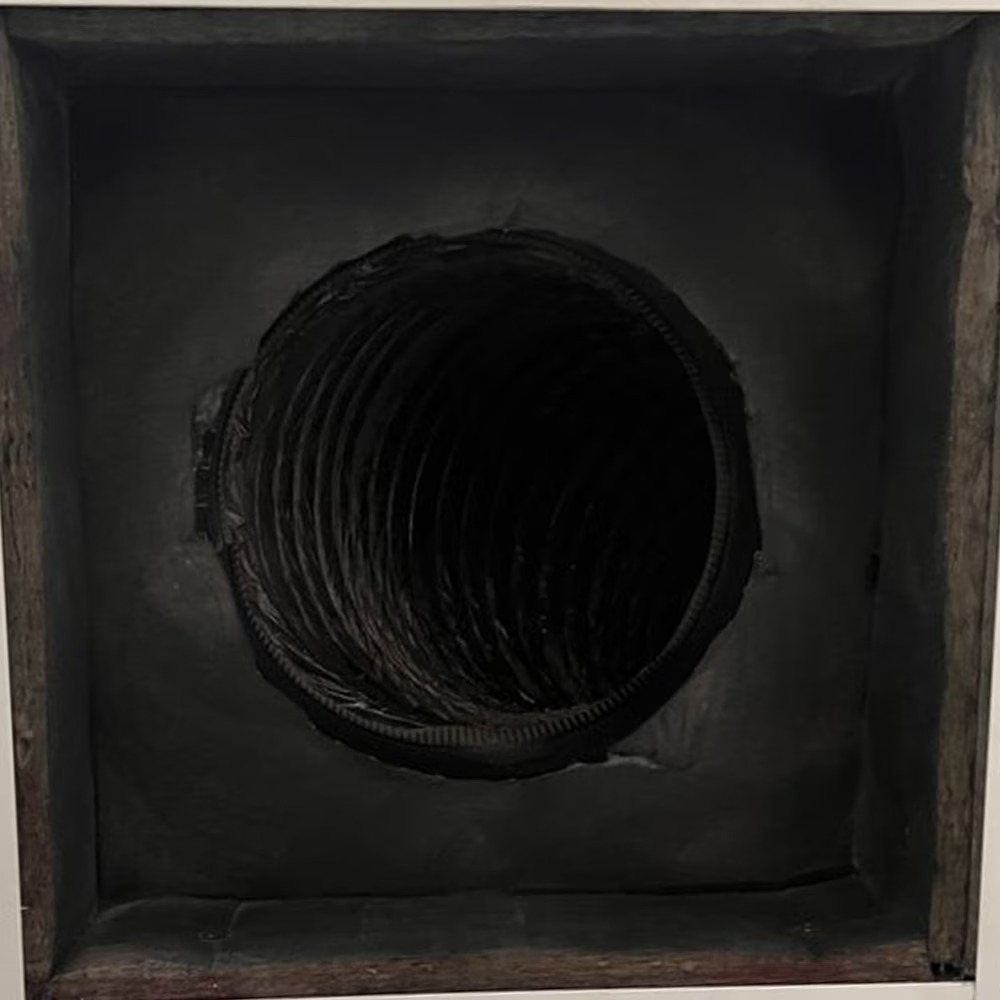
If your home in Frisco feels more “allergy-prone” right when the seasons change, the culprit is often moving air and lint, not just pollen. This guide explains how air duct cleaning and dryer vent cleaning work together, what to check first, and how to avoid common missteps.
Over the last few weeks, you might have noticed it more at home: sneezing when the AC kicks on, a stuffy feeling in bedrooms, or laundry that seems to take longer to dry than it used to. Even when you vacuum and wipe surfaces, the air can keep circulating dust and fine debris through your system.
In Frisco, TX, seasonal shifts can mean more outdoor particulates coming in, plus indoor airflow that carries what is already inside your ductwork and dryer vent path. If you are considering air duct and dryer vent cleaning, you want a clear plan for what to inspect and what actually helps.
This article helps you understand the practical difference between HVAC duct cleaning and dryer duct cleaning, how to spot when both matter, and what to ask for before work begins.
Quick Answer
For seasonal allergy relief, focus on airflow paths that collect and circulate debris. Start by checking whether your home has visible dust at vents, musty odors, or weak airflow from your HVAC system, and whether your clothes dryer shows signs of lint buildup or slow drying. Then schedule HVAC duct and dryer vent cleaning so both systems are addressed, not just one. A practical next step is to ask a technician to inspect your ductwork and dryer exhaust route before cleaning, then discuss how debris removal will be contained and how airflow will be restored.
What to Check First
Before you book duct cleaning and dryer vent cleaning, do a quick home scan. These checks help you decide whether the issue is mainly HVAC airflow, dryer lint accumulation, or both.
HVAC airflow signals
Look for dust around registers, uneven room temperatures, or noticeable changes when the system turns on.
Dryer performance signals
If cycles run longer, clothes feel hotter but not drier, or the dryer area gets “linty,” the vent path may need attention.
Odor and comfort signals
Musty smells or persistent stale air often point to debris accumulation in ducts or the dryer exhaust route.
If you are already cleaning regularly and symptoms still spike during the season, it is a strong hint that airborne particulates are being moved through your home’s systems. That is where air vent cleaning and dryer exhaust cleaning can make a meaningful difference in what gets circulated.
Main Things Customers Should Understand
When people search for air duct cleaning and dryer vent cleaning near me, they often expect a single “one-and-done” service. In reality, HVAC ducts and dryer vents behave differently and collect different types of debris.
1) Air ducts move what is already inside
HVAC duct cleaning targets buildup within the ductwork and at the airflow path. Over time, dust, debris, and fine particles can accumulate, especially if the home has had construction, renovations, or changing filters. Removing buildup can help reduce what is pulled into and distributed by the system.
2) Dryer vents are a lint pathway, not just a “hose”
Dryer vent cleaning services focus on the exhaust route that carries lint and moisture out of the home. Lint removal is important because lint can build up where airflow slows, which can contribute to poor venting and recurring odors.
3) Seasonal relief is often a system-level conversation
If you only address one side, you may still feel symptoms because the other system can keep moving debris. For many households, the most consistent results come from combining HVAC duct cleaning services with dryer duct cleaning services, especially when allergy concerns and laundry vent issues show up together.
Professional observation: When homeowners in Frisco notice allergy symptoms that track with HVAC use and also struggle with dryer performance, the root cause is often split between indoor airflow (ducts) and the laundry exhaust route (dryer vents). Addressing both can reduce the amount of debris being circulated and the amount of lint accumulating in the dryer exhaust system.
| What you notice at home | Most likely system | Service to consider |
|---|---|---|
| Dust around vents, room-to-room airflow differences | HVAC ductwork | Air duct cleaning / HVAC duct cleaning |
| Slow drying, excessive lint in the dryer area, recurring lint smell | Dryer exhaust route | Dryer vent cleaning / dryer exhaust cleaning |
| Symptoms increase when the HVAC runs, and laundry venting seems “off” | Both systems | Air duct and dryer vent cleaning together |
| Visible lint buildup at the dryer outlet area | Dryer vent connection and path | Dryer duct cleaning services and inspection |
Why This Matters in Frisco, TX
In Frisco, TX, many homes rely heavily on heating and cooling through the seasonal transition periods. That means your HVAC system runs more frequently as outdoor conditions change, which can move whatever is inside the ductwork. At the same time, laundry routines do not slow down, and a lint-heavy dryer vent path can keep contributing debris and odors inside the home.
A practical local pattern is that customers first notice comfort issues during the “switch-over” season, when the system starts cycling differently. If you are searching for duct cleaning services or professional duct and dryer vent cleaning, focusing on both airflow paths can help you get ahead of what is being circulated indoors.
Get a coordinated HVAC and dryer vent plan
Tell us what you are seeing in your home, and we will help you choose the right next step for HVAC duct cleaning and dryer vent cleaning.
Call or contact Lone Star Pro Flow LLCCommon Mistakes to Avoid
These are the missteps that often keep allergy concerns from improving, or that can leave dryer vent issues unresolved.
- Cleaning only the visible areas. Wiping registers but ignoring the ductwork airflow path can leave debris moving inside the system.
- Assuming a dryer vent “looks fine.” Lint can accumulate deeper in the exhaust route, where it is not easy to see from the laundry room.
- Addressing HVAC but skipping the dryer vent. If laundry exhaust is restricted, odors and fine debris can keep returning to the home environment.
- Waiting until the dryer is completely ineffective. Slow drying often starts gradually, and later blockages can be harder to correct without a full inspection.
- Using one-size-fits-all expectations. Every home has different duct layouts, dryer exhaust routes, and building conditions. A short inspection helps match the cleaning approach to what is actually happening.
Customer Checklist
- Document when symptoms flare (for example, after HVAC runs or after laundry cycles).
- Check HVAC registers for dust buildup and note any weak airflow in specific rooms.
- Observe dryer performance: are cycles taking longer than usual?
- Look for lint around the dryer area and at the dryer connection point.
- Decide if you need both air duct cleaning and dryer vent cleaning services based on your symptoms.
- Ask about a duct and vent inspection before cleaning so the work matches your system.
Representative Scenario (Anonymized)
A Frisco homeowner noticed that during the early part of the seasonal transition, allergies worsened whenever the AC started running. At the same time, the dryer began taking longer to finish, and lint seemed to gather faster around the laundry area. Instead of choosing only air duct cleaning, they coordinated HVAC duct and dryer vent cleaning so the indoor airflow path and the laundry exhaust route were both addressed. Afterward, the home felt less “stuffy” when the HVAC ran, and laundry drying returned closer to normal, because the dryer exhaust route was no longer as restricted by lint buildup.
Frequently Asked Questions
How do air duct cleaning and dryer vent cleaning help with seasonal allergies?
Air ducts and dryer vents affect what gets moved through your home. HVAC duct cleaning targets buildup inside the ductwork that can be carried by airflow when your system runs. Dryer vent cleaning focuses on lint and debris in the exhaust route, which can contribute to odors and poor venting. While allergy triggers vary from person to person, reducing debris in the airflow paths can make the indoor environment feel cleaner and less irritating, especially during the months when HVAC cycles more often.
Should I schedule HVAC duct cleaning or dryer duct cleaning first?
If your main complaint is HVAC-related comfort like dust at registers, uneven airflow, or symptoms that track with the HVAC running, starting with HVAC duct cleaning can be a good first step. If the dryer shows clear signs like slow drying, heavy lint accumulation, or recurring lint odors, begin with dryer vent cleaning. In many Frisco homes, the best approach is coordinating both because the two systems can contribute to indoor dust and odors at the same time.
What does “dryer exhaust cleaning” include?
Dryer exhaust cleaning is focused on the dryer’s vent path that carries lint and moisture out of the home. That typically includes addressing the connected exhaust route so lint buildup does not continue to restrict airflow. Many homeowners also benefit from a dryer vent inspection so the cleaning effort matches what is found in the vent path, including areas where lint may have collected and where airflow may be slowing.
Do you also service residential and commercial duct and dryer vent cleaning?
Yes. Lone Star Pro Flow LLC provides residential duct and dryer vent cleaning and also supports commercial duct and dryer vent cleaning needs for businesses and property managers. The same core goal applies in both settings: improve airflow paths and reduce debris accumulation in the HVAC ductwork and dryer exhaust routes. The best approach depends on the property type, usage patterns, and how the system is performing.
Are there signs of a dryer vent blockage removal need?
Common signs include longer drying times, lint collecting faster than expected, and a dryer that does not seem to exhaust properly. If you also notice heat building up near the laundry area or persistent lint odor, it can indicate restricted airflow in the vent path. A dryer vent inspection helps confirm what is happening and guides the right cleaning approach, including targeted dryer vent blockage removal when needed.
Ready to reduce dust and lint from your airflow paths?
For coordinated HVAC duct cleaning and dryer vent cleaning in Frisco, TX, contact Lone Star Pro Flow LLC.
(972) 532-7959Helpful internal links
To plan your next step, you can review these related services:
Practical recommendation: If you want the best chance at seasonal relief, plan around HVAC usage and laundry routines. When symptoms rise with HVAC cycling and your dryer performance changes, coordinating air duct cleaning and dryer vent cleaning is often the most consistent way to reduce what gets moved through your home.