
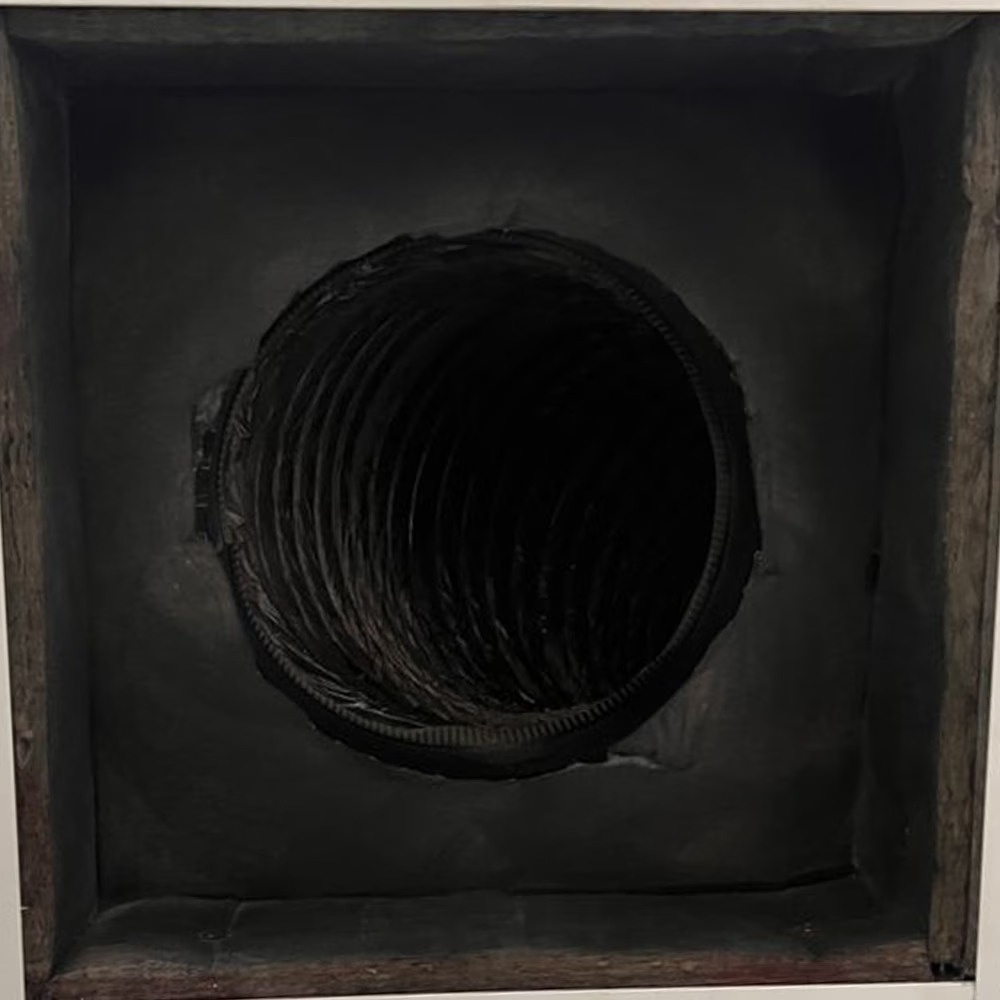
Prevent HVAC Airflow Problems With Duct Cleaning
Last month, a homeowner in Frisco, TX noticed the AC felt weaker on the second floor. The vents were blowing, but the airflow seemed “thin,” and the house never reached the same comfort level as before. A week later, dust buildup around the registers and a musty smell showed up, especially after the system ran for long stretches.
If you have similar symptoms, it is tempting to assume the issue is only the thermostat or the unit itself. Sometimes those are the culprits, but airflow problems can also be tied to ductwork restrictions and dryer vent blockage that reduce how air moves through your home.
This guide will help you understand what to check first, how duct and dryer vent cleaning can affect airflow, and what a practical cleaning plan looks like for residential and commercial spaces in Frisco.
- Quick answer
- What to check first
- Main things customers should understand
- Why this matters in Frisco, TX
- Common mistakes to avoid
- Customer checklist
- Frequently asked questions

Quick Answer
If airflow feels inconsistent, duct cleaning can help when dust, debris, or ductwork buildup is restricting how air moves. Start by checking for obvious signs at vents and the HVAC system, then prioritize the dryer vent if you also notice lint buildup, long drying times, or airflow issues around the laundry area. For best results, plan an HVAC duct cleaning and dryer duct cleaning together when both systems show symptoms. A local inspection in Frisco, TX can confirm what is actually limiting airflow before you spend time and effort on the wrong fix.
What to Check First
Before scheduling duct and dryer vent cleaning, you can gather a few clues that point to airflow restriction or contaminated air. These checks are also useful when you call Lone Star Pro Flow LLC, because they help us narrow down what needs attention first.
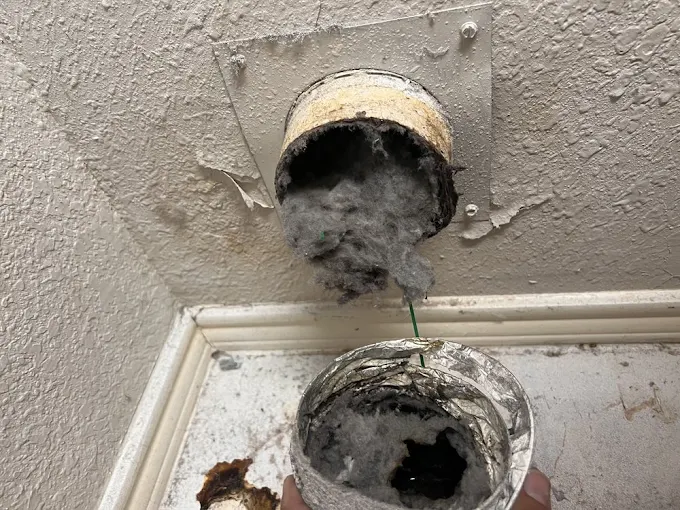
Professional observation: Start with the “path of air.” If air movement is weak at multiple rooms, the issue is often in ductwork flow. If the problem shows up mainly near laundry, the dryer exhaust vent may be the bottleneck.
At the vents
Look for: heavy dust around registers, uneven airflow between rooms, or vents that look clogged with debris.
At the dryer
Notice: longer drying times, a dryer exhaust that feels weak, or visible lint accumulation around the laundry vent area.
During system use
Pay attention to: musty odors when the HVAC runs, or “whooshing” that sounds different when the unit cycles.
Main Things Customers Should Understand
HVAC airflow problems can be caused by many factors, but ductwork restrictions and dirty airflow pathways are common contributors. When air cannot move as freely through the system, the HVAC may run more often, rooms can feel uneven, and indoor air quality and dryer vent cleaning issues can start overlapping.
From a practical standpoint, duct cleaning is not just about removing surface dust. The goal is to reduce the amount of debris that can collect inside supply and return pathways, which helps the system operate with less resistance. For many homes, that also means fewer particles that circulate as the fan runs.
Dryer duct cleaning matters for airflow too. A blocked or partially restricted exhaust vent can reduce how well the dryer pulls air through the laundry area. That can create longer drying cycles and increase lint buildup risk. If you are already noticing airflow complaints, it is smart to treat the dryer exhaust system as part of the same airflow picture.
| Symptom you notice | Most likely area | What cleaning may address |
|---|---|---|
| Dust buildup around multiple supply or return vents | HVAC ductwork and air pathways | Debris inside ducts that can contribute to air distribution issues |
| Uneven room temperatures even when the system runs | Airflow resistance in ductwork | Reduced resistance to airflow so air can distribute more evenly |
| Longer drying times | Dryer exhaust route | Lint and buildup that restrict exhaust flow |
| Weak dryer exhaust airflow | Dryer vent blockage | Improved exhaust venting after dryer vent inspection and cleaning |
| Musty odors that show up with HVAC operation | Indoor air pathways | Accumulated debris that can affect air quality |
Customer-focused tip: If you only clean one system, you may still feel “airflow problems” because the other pathway (often the dryer exhaust) can continue to restrict airflow in the home.
Why This Matters in Frisco, TX
In Frisco, TX, many homes are built to balance comfort with energy efficiency. During hot stretches, HVAC systems can run longer, which increases the impact of ductwork restrictions on airflow. At the same time, laundry routines do not stop when the weather changes. If dryer vent lint removal and duct cleaning are deferred, the dryer exhaust can become a recurring airflow bottleneck.
That is why customers often ask for HVAC duct cleaning services and air duct cleaning services together with air duct and dryer vent cleaning. When both airflow pathways are addressed, you can reduce the “weak air” feeling that comes from multiple restrictions working at the same time.
HVAC cleaning
HVAC duct cleaning focuses on the air pathways inside your system.
Laundry exhaust
dryer duct cleaning targets the exhaust route that carries lint and moisture out of the home.
Indoor air quality support
For families dealing with allergies or frequent dusting, indoor air quality and dryer vent cleaning often go hand in hand.
Want a clear next step for airflow and duct cleaning?
If you are trying to prevent HVAC airflow problems in Frisco, TX, start with a focused look at both the HVAC ducts and the dryer exhaust route. Lone Star Pro Flow LLC can help you identify what is actually restricting airflow.
Contact Lone Star Pro Flow LLCCommon Mistakes to Avoid
When people pursue duct cleaning and dryer vent cleaning services, a few missteps come up again and again. Avoiding these can help you get better results and reduce the chance you are treating the wrong problem.
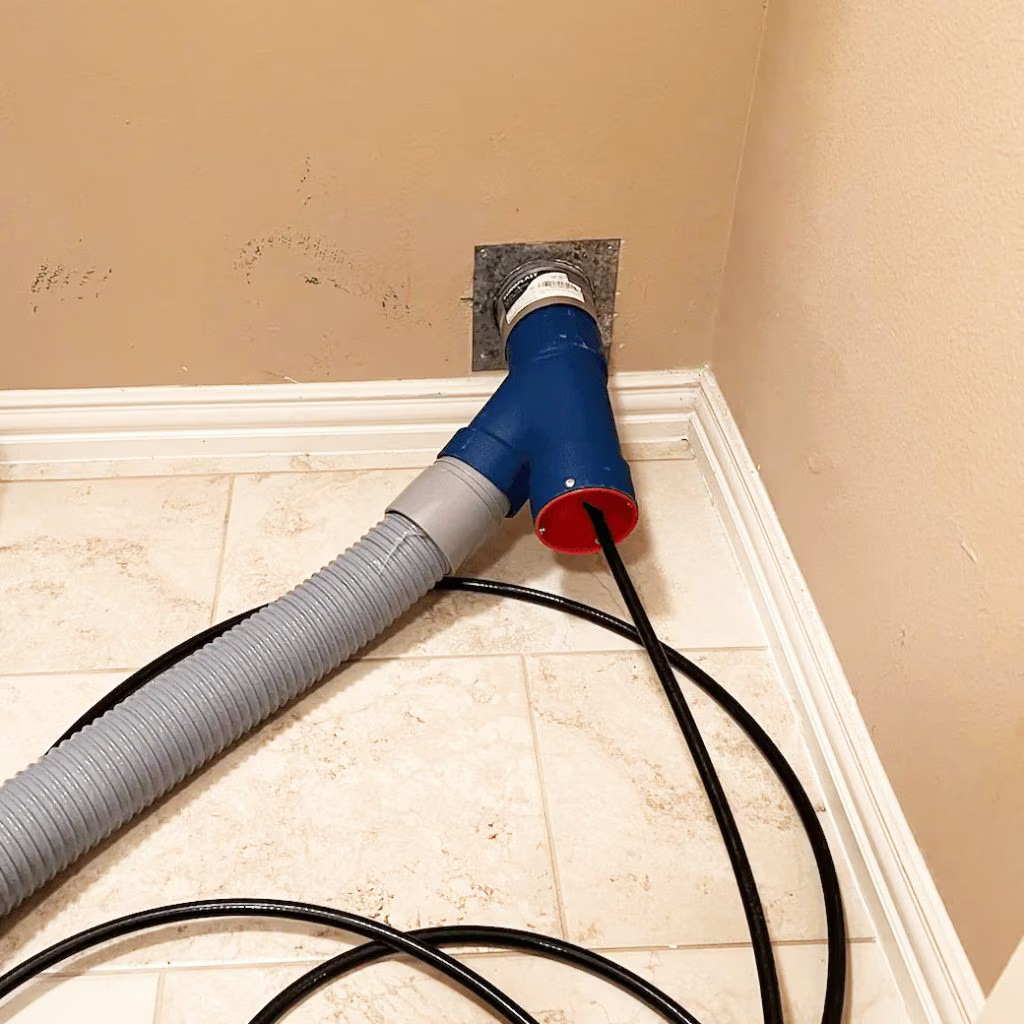
- Skipping dryer vent inspection when drying times are creeping up or the exhaust feels weak.
- Assuming dust only comes from the outside instead of checking indoor air pathways and vents.
- Cleaning only one system when you suspect both HVAC airflow and laundry exhaust issues.
- Waiting until the problem is severe (for example, after you notice strong odors, visible lint buildup, or consistent uneven room temperatures).
- Targeting “surface dust” without addressing airflow pathways where debris can collect.
Customer Checklist
Use this checklist before and during your duct and dryer vent cleaning process in Frisco, TX. It helps you prepare for a more efficient job and gives you a clear set of observations to discuss.
- Write down what changed: weaker airflow, uneven rooms, longer drying times, or recurring odors.
- Note where you see dust accumulation: specific rooms, particular vents, or the laundry area.
- Check the dryer exhaust behavior: how it feels while running and whether lint collects quickly.
- Ask for a plan that includes HVAC duct cleaning when the issue is airflow throughout the home.
- Request dryer vent inspection when the issue is tied to laundry performance, dryer lint removal, or dryer vent blockage removal.
- Plan for both systems if you suspect air duct cleaning and dryer vent cleaning near me is needed together.
Representative scenario
A property manager for a small rental in Frisco, TX noticed tenants complaining that bedrooms upstairs stayed warmer. At the same time, laundry rooms had complaints about clothes taking longer to dry. After an airflow-focused inspection, the team prioritized HVAC duct cleaning for the uneven distribution and dryer duct cleaning for the exhaust restriction. The result was a more consistent comfort feel across rooms and improved dryer performance, reducing repeat complaints.
Frequently Asked Questions
How do I tell whether I need air duct cleaning or dryer vent cleaning?
Use the symptoms to narrow it down. If you see dust buildup around vents, notice uneven airflow between rooms, or smell mustiness when the HVAC runs, HVAC duct cleaning is a strong starting point. If drying times increase, the exhaust feels weak, or lint collects quickly around the laundry vent area, dryer vent inspection and dryer vent cleaning services are the priority. When both patterns show up, it often makes sense to combine air duct and dryer vent cleaning so you address airflow restrictions in both pathways.
Can duct and dryer vent cleaning really prevent HVAC airflow problems?
It can, when the airflow problem is tied to restrictions inside ducts or the dryer exhaust route. Debris buildup can increase resistance to airflow, which may show up as weaker air movement, uneven room temperatures, or HVAC cycling more often than expected. Dryer exhaust issues can also affect how well the laundry area vents moisture and lint, which can create additional strain on the home’s overall airflow. A focused inspection helps confirm whether cleaning is the right step.
What does “HVAC duct and dryer vent cleaning” usually include?
Typically, it means addressing both your heating and cooling air pathways and your dryer exhaust pathway. For the HVAC side, the focus is on the air ducts and airflow routes that supply and return air. For the dryer side, the focus is on the exhaust route that carries lint and moisture out of the home. Many homeowners in Frisco, TX prefer to plan duct and dryer vent cleaning together because the dryer vent can become a recurring bottleneck if it is not handled.
Is ductwork cleaning different from air vent cleaning?
Yes, in practice. “Air vent cleaning” often refers to what you can see at the registers and grilles. “Ductwork cleaning” focuses on the internal airflow pathways that connect to those vents. If you only clean what is visible, you may miss buildup deeper in the system where it can still affect airflow. For customers searching for HVAC vent cleaning or duct cleaning services, it helps to clarify whether the work targets ducts, returns, supplies, and the connected airflow routes.
How often should I schedule dryer duct cleaning or dryer vent maintenance?
There is no single schedule that fits every home, because dryer use patterns and vent configurations vary. A practical approach is to watch for performance changes: longer drying times, reduced exhaust airflow, or lint buildup that seems to appear faster than normal. Those signs are strong reasons to schedule dryer vent maintenance and inspection. If you are already dealing with indoor air quality and dryer vent cleaning concerns, addressing the exhaust route sooner can help prevent airflow problems from returning.
Ready to reduce airflow problems with duct cleaning in Frisco?
If you are searching for professional duct and dryer vent cleaning and want a clear plan that matches your symptoms, Lone Star Pro Flow LLC is here to help. We serve Frisco, TX and surrounding areas.
(972) 532-7959
About Lone Star Pro Flow LLC
Lone Star Pro Flow LLC provides duct and vent cleaning focused on cleaner airflow pathways for homes and businesses. If you are dealing with airflow concerns in Frisco, TX, we can help you evaluate HVAC duct cleaning needs and dryer duct cleaning needs so you can address the right cause for your situation.