
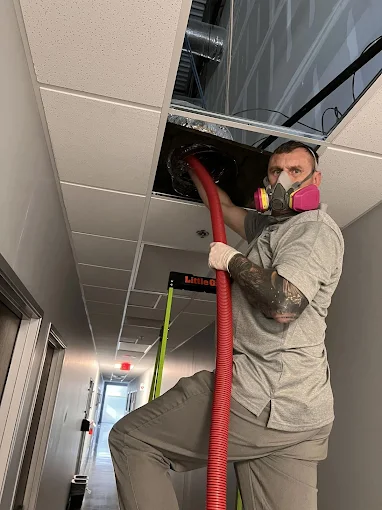
Lint buildup in dryer ducts and the exhaust path can restrict airflow, trap heat, and increase the risk of smoky odors or dryer vent problems. This guide helps you understand what to look for, what “clean” should actually mean, and when it is time to schedule dryer duct cleaning in Frisco, TX.
After a few loads of laundry, your dryer suddenly takes longer to dry, and the room smells a bit like hot dust. You clean the lint trap every time, so you assume the problem is solved. But a clean screen does not mean the exhaust path is clear.
In Frisco, TX, many homes rely on dryer vents that run long distances through walls, attics, or under-floor runs. Over time, lint can collect inside the ducting, reduce airflow, and create a safety concern that is easy to miss. This guide will help you spot the warning signs, understand what professional duct and dryer vent cleaning involves, and choose the right next step before the issue gets worse.
- Quick answer
- What to check first
- Main things customers should understand
- Why this matters in Frisco, TX
- Common mistakes to avoid
- Customer checklist
- Frequently asked questions
Quick Answer
If your dryer is taking longer to dry, leaving clothes damp, or producing a musty or “hot lint” smell, lint may be building up beyond the lint trap. Start by checking the exterior vent flap for proper movement and verifying the duct run is short, smooth, and tightly connected. For real safety and performance, schedule professional dryer duct cleaning when airflow issues persist or you notice repeated lint accumulation. Lone Star Pro Flow LLC can inspect the exhaust path and remove buildup that a lint trap cannot reach.
What to Check First
Before you schedule anything, take a quick look at the basics that affect airflow. These checks also help you describe the issue clearly when you contact a dryer vent cleaning service.
Exterior vent flap
Go outside during a dryer cycle and confirm the flap opens and closes with airflow. If it barely moves, there may be blockage in the duct and dryer vent cleaning path.
Drying time changes
If drying times steadily increase, the airflow is likely restricted. This is a common sign of dryer lint removal needs inside the vent run.
Connections and duct type
Check for loose clamps, crushed sections, or ducting that is too long or overly flexible. Even small gaps can pull lint into hidden spaces.
Main Things Customers Should Understand
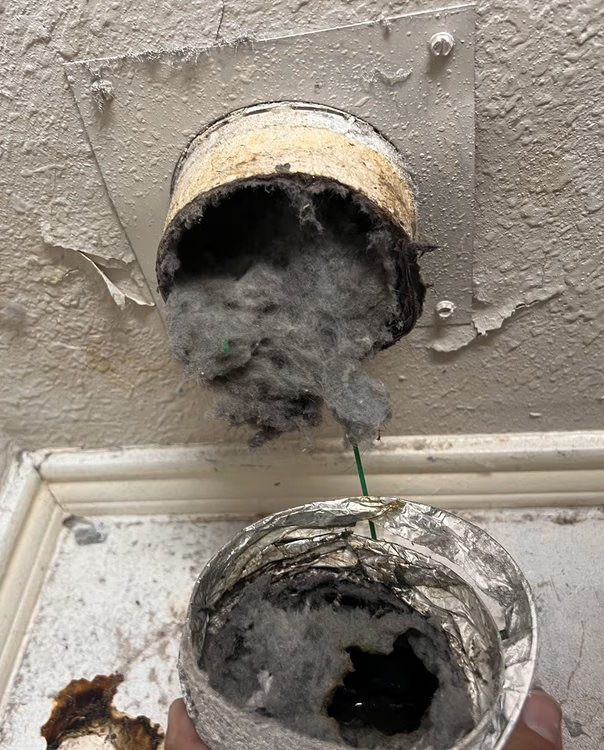
Dryer duct cleaning is not just about “getting lint out.” It is about restoring airflow through the entire exhaust route so hot air and moisture vent out the way the dryer was designed to work. When duct and dryer vent cleaning is incomplete, lint can remain in turns, joints, and hard-to-reach sections where airflow slows down.
Professional observation: If you only clean the lint screen, the rest of the dryer exhaust path can still collect fine lint that does not always show up until airflow is restricted or odors appear.
Here is what typically matters most when you are looking for air duct and dryer vent cleaning services that are thorough and customer-friendly:
- Complete exhaust-path cleaning: Lint can build up beyond the first accessible section, especially where the duct turns or runs behind walls.
- Airflow restoration: A dryer vent blockage removal approach should address the full run, not just the area you can see.
- Inspection before action: A dryer vent inspection helps confirm the condition of the ducting and identify the likely locations of buildup or restriction.
- Proper ducting and routing: Clothes dryer vent cleaning works best when the duct run is installed and maintained in a way that supports airflow.
Why This Matters in Frisco, TX
In Frisco, TX, many homes use dryer vent routes that pass through areas like attics, utility spaces, or interior wall cavities. Those paths can hide lint buildup for months, especially if the dryer is used frequently. When airflow is reduced, heat builds where it should not, and laundry may feel “almost dry” even after a full cycle.
During seasonal weather shifts and daily routines, it is easy to notice performance issues but assume they are normal. A dryer vent that is partially restricted can still run, but it can do so with increased strain on the system. Scheduling professional dryer exhaust cleaning can reduce the chance that problems escalate from inconvenience to a safety concern.
| What you notice | What it can mean | What to do next |
|---|---|---|
| Drying time keeps increasing | Airflow restriction from lint buildup inside the duct and dryer vent cleaning path. | Schedule professional dryer duct cleaning and request a dryer vent inspection. |
| Musty or hot “lint” odor | Moisture and lint trapped along the exhaust route. | Have the exhaust path cleaned and confirm the vent flap movement. |
| Exterior vent flap does not move well | Possible blockage that limits exhaust flow. | Do not wait. A professional can evaluate and remove buildup. |
| Lint visible near the vent run | Leak points or accumulation at joints and bends. | Inspect connections and have the ductwork cleaned. |
Need dryer vent cleaning services in Frisco?
When lint buildup is hidden inside ductwork, DIY efforts often miss the parts that matter most. Lone Star Pro Flow LLC can help with professional dryer duct cleaning and dryer exhaust cleaning for homes and property setups throughout Frisco, TX.
Request dryer duct cleaningCommon Mistakes to Avoid
Most dryer vent problems start with small habits or assumptions. Avoid these common mistakes so you do not end up with repeated issues or an incomplete cleaning.
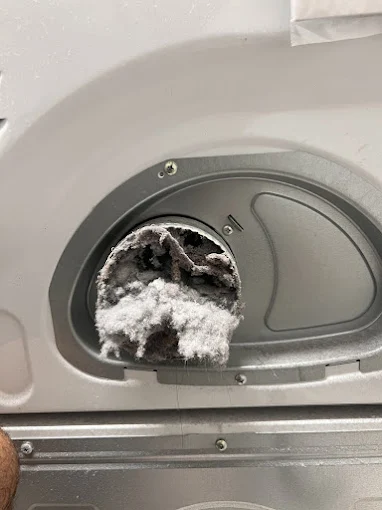
- Assuming the lint trap means the vent is clean: The screen catches lint, but fine particles can still travel deeper into the duct.
- Using the dryer vent like a storage area: A cluttered or blocked vent termination can reduce airflow and contribute to buildup.
- Overlooking duct turns and joints: These areas collect lint, especially where airflow slows.
- Ignoring airflow symptoms: If clothes stay damp or cycles run long, do not treat it as “normal.” That is a performance signal.
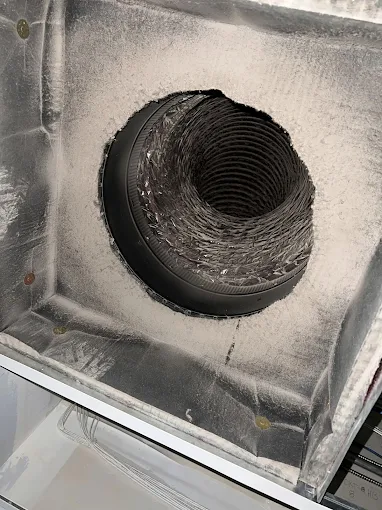
- Only doing partial cleaning: Dryer vent lint removal should address the full exhaust path, not just the first accessible section.
Customer Checklist
Use this practical checklist before and after service. It helps you prepare, and it also gives you clear items to confirm when you schedule professional duct and dryer vent cleaning.
Practical recommendation: If you are planning laundry day, schedule dryer maintenance early. That way you can confirm improved drying performance without rushing to “make it work” with a restricted vent.
- Check the exterior vent flap and confirm it opens during operation.
- Look for visible lint near the dryer and along the vent opening area.
- Confirm the duct run is not crushed, excessively long, or loosely connected.
- Note any changes in drying time, odors, or damp clothing after full cycles.
- Ask for a dryer vent inspection so the cleaning targets the actual restriction points.
- After cleaning, monitor drying performance for consistent cycle times and airflow.
Representative scenario
A homeowner in Frisco, TX noticed their dryer routinely ran longer than it used to. The lint screen looked clean after each load, but the exterior vent flap barely moved during cycles. After a dryer vent inspection, the likely restriction was found in the duct path beyond the first accessible sections. The exhaust path was cleaned as part of professional dryer duct cleaning, and the homeowner reported more consistent drying performance after the vent was restored for airflow.
Frequently Asked Questions
How often should I schedule dryer vent cleaning services?
There is not one perfect schedule for every household, but you should pay attention to performance signals. If drying times increase, clothes come out damp, or you notice musty or hot lint odors, it is a good time to plan professional duct and dryer vent cleaning. If you use the dryer frequently or have a longer duct run with multiple turns, inspections can help catch buildup earlier than waiting for a noticeable problem. A dryer vent inspection can also clarify the condition of the exhaust path so you know what maintenance makes sense for your home.
Will cleaning the lint trap prevent lint fires?
Cleaning the lint trap helps, but it does not clean the entire exhaust route. Lint can still travel beyond the screen and collect inside the duct, especially at bends and joints where airflow slows. Over time, that buildup can restrict exhaust flow and contribute to risky conditions. For safer performance, dryer duct cleaning targets the hidden lint in the duct and dryer vent cleaning path. If you are already noticing odor, long cycles, or weak vent flap movement, professional cleaning is the practical next step.
What is the difference between dryer duct cleaning and dryer exhaust cleaning?
In customer terms, both phrases point to cleaning the exhaust path from the dryer to the outside termination. “Dryer duct cleaning” often emphasizes the ducting route, while “dryer exhaust cleaning” highlights the airflow system that carries hot air, lint, and moisture outside. Either way, the goal is to remove lint buildup, restore airflow, and address restrictions. A dryer vent inspection is useful because it shows where buildup is most likely and helps ensure the cleaning is focused on the actual problem areas.
Can duct cleaning for my HVAC system help with indoor air quality?
Yes, HVAC duct cleaning can support indoor air quality when dust and debris have accumulated in ductwork. If you are already thinking about indoor air quality and dryer vent cleaning, it may help to address both systems on your maintenance plan. Lone Star Pro Flow LLC offers HVAC duct cleaning services and can also explain how ductwork cleaning and dryer vent maintenance fit together for a healthier home environment. For more details, you can review HVAC duct and vent cleaning as part of your broader airflow maintenance routine.
What should I look for during a dryer vent inspection?
During a dryer vent inspection, you should expect an evaluation of the duct route and the likely buildup locations. Useful observations include whether the vent run has turns that collect lint, whether joints are tight, and whether the exterior termination behaves correctly. If the inspection identifies blockage risk, the next step is professional dryer duct cleaning focused on the full exhaust path. If you want to understand more about how the process works, Lone Star Pro Flow LLC’s dryer duct cleaning service page outlines what customers typically expect.
Get your dryer vent back to safe airflow
If you are dealing with dryer vent blockage removal concerns, repeated lint buildup, or drying performance changes, professional cleaning is the practical move. Lone Star Pro Flow LLC provides dryer vent cleaning services and dryer duct cleaning for homes across Frisco, TX & surrounding areas.
Call (972) 532-7959
Lone Star Pro Flow LLC
Lone Star Pro Flow LLC focuses on duct and vent cleaning, including air duct and dryer vent cleaning for customers in Frisco, TX & surrounding areas. If your priority is restoring airflow, improving dryer performance, and supporting safer vent operation, the team can help you choose the right dryer duct cleaning approach based on what is found during inspection.
You can also explore additional services through HVAC duct and vent cleaning in Frisco for a whole-home airflow maintenance plan.