
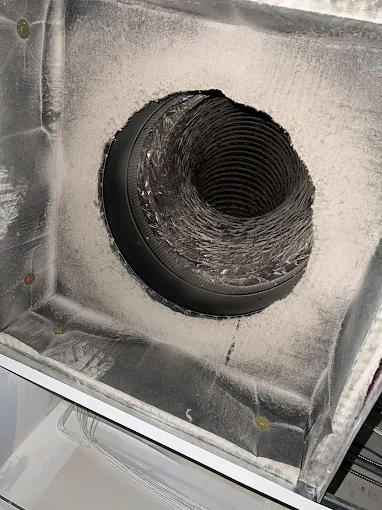
Signs Your HVAC Needs Duct Cleaning Service
If you are noticing dust buildup, uneven airflow, or musty odors in Frisco, TX, your ductwork and vents may be due for attention. This guide helps you spot the common warning signs of HVAC duct cleaning and dryer vent cleaning, what to check first, and what to ask before scheduling service.
Last week, you changed your HVAC filter, and it looked cleaner for about a day. Then the vents started pushing out more dust than usual, and the living room seems to cool slower than it used to. You also noticed that the air feels a little stale, even when the system is running.
That combination can be frustrating because it points in more than one direction. Sometimes the issue is ductwork buildup, sometimes it is airflow restrictions, and sometimes the source is actually your dryer vent system pulling lint and air through the home.
This guide will help you recognize the signs that your HVAC duct cleaning and dryer vent cleaning may be needed, understand local factors in Frisco, TX, and decide what to check first before you schedule duct cleaning and dryer duct cleaning services.
- Quick answer
- What to check first
- Main things customers should understand
- Why this matters in Frisco, TX
- Common mistakes to avoid
- Customer checklist
- Frequently asked questions
Quick Answer
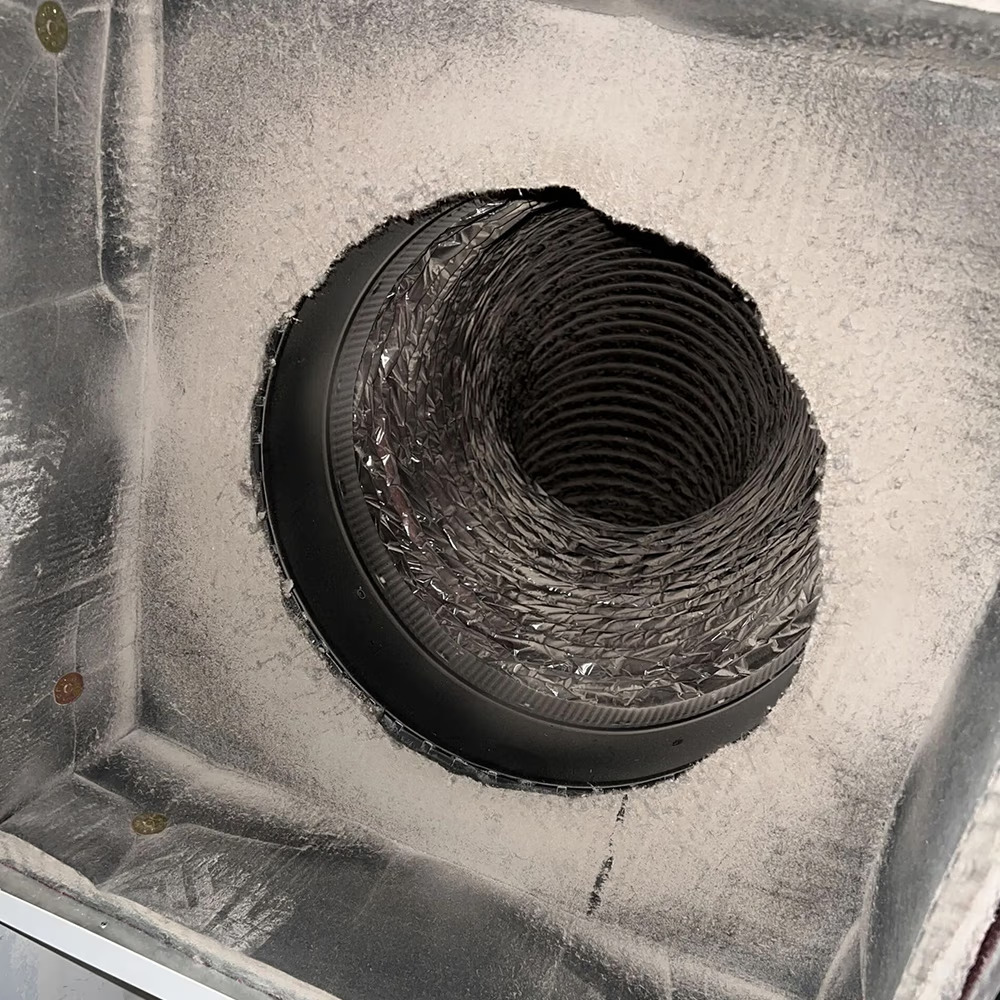
If you are seeing recurring dust, weak or uneven airflow, or lingering odors after you change filters, duct cleaning and vent inspection are worth considering. For many homes, the dryer vent is the bigger hidden factor because lint buildup can restrict exhaust and affect indoor air quality. Start by checking filter condition, register buildup, and dryer vent behavior (longer dry times, overheating, or visible lint at the exterior). For HVAC duct cleaning and dryer duct cleaning, the most practical next step is to schedule a professional inspection so the technician can confirm whether ductwork cleaning, dryer exhaust cleaning, or both are needed.
What to Check First
Before you book duct and dryer vent cleaning services, do a quick, low-effort walk-through. You are looking for patterns that suggest buildup or airflow restriction, not just a one-time mess.
Check airflow and dust patterns
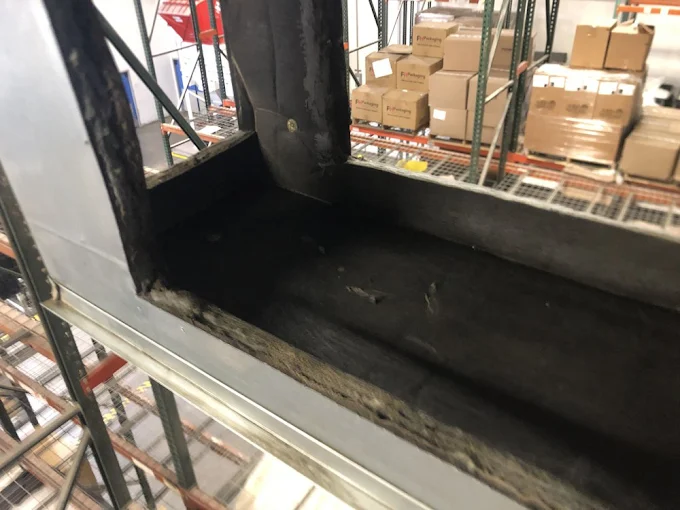
Compare rooms: do some areas blow noticeably weaker air? If dust settles faster on certain floors or near specific registers, it can point to ductwork contamination or leaks.
Inspect registers and returns
Look for dust accumulation around supply vents and return grilles. If you wipe a register and it looks dirty again quickly, your HVAC system may be re-circulating debris.
Watch the dryer vent clues
When laundry dries slower than usual or the dryer area feels warmer, lint may be restricting airflow. That is a common trigger for dryer vent cleaning services and dryer duct cleaning.
One practical local move: if you run your HVAC more heavily during hot stretches, pay attention to whether dust appears to increase in the same weeks. In Frisco, TX, the HVAC cycle can be frequent, which makes buildup easier to notice and harder to ignore.
Professional observation: If you only focus on the HVAC filter, you might miss the ductwork and vent systems that feed the problem. In many homes, indoor air quality issues are tied to both air ducts and the dryer exhaust path.
Main Things Customers Should Understand
HVAC duct cleaning is not a guess. The most helpful approach is knowing what the signs mean and how they connect to real-world airflow and indoor air quality.
Common HVAC duct and dryer vent cleaning triggers:
- Recurring dust on surfaces soon after cleaning or filter changes.
- Musty or stale odors that seem to show up when the system cycles.
- Uneven comfort where some rooms feel weak or drafty.
- Visible lint near the dryer area or at the exterior vent termination.
- Longer drying times that suggest restricted exhaust.
A firsthand-style pattern we often see: homeowners will vacuum and replace the filter, but the “dust problem” returns quickly. When we inspect further, the issue is frequently more than filter capacity. Dust can collect in ductwork, on blower components, and in the path your dryer uses to push warm, lint-laden air outdoors. That is why HVAC duct and dryer vent cleaning are frequently addressed together.
| What you notice | Most likely system | What a technician typically checks |
|---|---|---|
| Dust seems to appear faster after HVAC runs | Air ducts and airflow pathways | Ductwork condition and airflow consistency across registers and returns |
| Musty odor when the AC or heat turns on | Air duct contamination and moisture-related buildup | Signs of buildup inside the HVAC ducting and related components |
| Dryer takes longer to finish | Dryer exhaust path | Dryer vent inspection for lint accumulation and blockage |
| Warm laundry area or reduced exhaust | Dryer vent blockage or restriction | Airflow condition at the dryer exhaust vent route |
| Both dust and dryer performance issues | Both systems | Coordinated inspection of HVAC duct cleaning and dryer exhaust cleaning |
If you want to understand the HVAC side first, Lone Star Pro Flow LLC also covers HVAC duct cleaning and air vent cleaning in the Frisco area. If the dryer is the source of the discomfort, your next best step is often a dryer-focused inspection first.
Why This Matters in Frisco, TX
In Frisco, TX, comfort issues can be tied to how often your HVAC system runs and how the home handles airflow. When the system cycles frequently, it can circulate fine dust that has settled inside ductwork or around the blower area. At the same time, dryer venting matters because lint buildup does not just affect drying performance. Restricted airflow can cause warmer indoor air around the laundry area and can contribute to a less fresh feeling throughout the home.
One common local scenario: a household upgrades to a better filter, and the filter catches more debris. That helps, but it does not remove the dust that is already present inside ductwork or the lint that can accumulate in the dryer exhaust route. That is when a technician-led inspection can prevent you from chasing symptoms without addressing the cause.
For dryer systems, you can read more about dryer duct cleaning and how a professional inspection supports proper dryer exhaust cleaning and dryer vent maintenance.
Need help deciding if HVAC duct cleaning or dryer vent cleaning is the priority?
Call Lone Star Pro Flow LLC at (972) 532-7959 and ask for an inspection focused on duct and dryer vent cleaning.
Common Mistakes to Avoid
When customers try to solve air quality problems on their own, a few patterns come up repeatedly. Avoiding these mistakes can save time and help ensure the right system gets addressed.
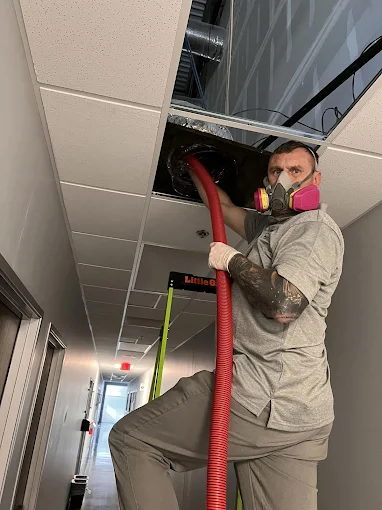
- Assuming a new filter alone fixes duct buildup. Filters help capture airborne particles, but they do not remove settled debris inside ductwork.
- Cleaning registers only. If dust keeps returning, the source may be deeper in the HVAC system or connected to airflow pathways.
- Ignoring dryer warning signs. Longer dry times, overheating, or lint at the exterior vent are practical clues that dryer exhaust cleaning may be needed.
- Delaying dryer vent inspection. Lint accumulation can keep increasing and may turn a drying inconvenience into a bigger airflow restriction problem.
- Using the wrong “quick fix”. If the dryer vent route has buildup or partial blockage, a more thorough approach like professional dryer vent cleaning services is often required.
In our experience, customers who address both air duct cleaning and dryer vent cleaning when symptoms overlap usually get clearer results than those who only target one system.
Customer Checklist
Use this checklist to prepare for your appointment. It helps you describe what you are seeing and gives the technician a clearer starting point for HVAC duct cleaning and dryer duct cleaning.
- Write down your symptoms: dust increase, odors, uneven airflow, or dryer performance changes.
- Note timing: when the issue started and whether it matches HVAC usage or seasonal changes.
- Inspect the dryer exterior vent for visible lint or signs of reduced exhaust.
- Check drying time compared to “normal” for your household.
- Confirm your filter schedule: when you last replaced it and what type you use.
- List rooms with weak airflow so you can point out where it is most noticeable.
- Take note of recurring odors: are they only when the HVAC runs, or also when the dryer is used?
Representative scenario: A Frisco homeowner notices that their home is dustier after every AC cycle and that the dryer takes longer than it used to. They wipe registers, replace the filter, and still see the same issues. After an inspection focused on HVAC duct and dryer vent cleaning, the technician identifies buildup that aligns with the dust pattern and an exhaust restriction connected to dryer lint accumulation. That combination explains why the filter change alone did not solve the problem.
Frequently Asked Questions
How do I know if I need air duct cleaning or dryer vent cleaning?
Look for patterns. Dust that returns quickly after filter changes or uneven airflow across rooms points toward HVAC duct cleaning. Dryer clues like longer dry times, warmer laundry areas, or visible lint at the exterior vent suggest dryer vent cleaning services. When both types of symptoms show up together, it is often a sign that you should consider HVAC duct and dryer vent cleaning as a coordinated inspection rather than guessing which system is responsible.
Can indoor air quality issues come from the dryer vent, not the HVAC ducts?
Yes. The dryer exhaust system carries lint and warm air outdoors. If the dryer exhaust route is restricted, it can affect how well the dryer releases air and can contribute to a less fresh feeling around the laundry area. That is why customers searching for indoor air quality and dryer vent cleaning often benefit from checking the dryer path along with the HVAC system, especially when dust and odor concerns overlap.
What should I expect during an HVAC duct cleaning and vent inspection?
A professional inspection typically focuses on where buildup and airflow restrictions are likely occurring. For HVAC duct cleaning, that means looking at ductwork and related airflow pathways tied to your heating and cooling. For dryer exhaust cleaning, it means checking the dryer vent route for lint accumulation and possible blockage. The goal is to confirm whether duct cleaning, dryer duct cleaning, or both are needed, based on what the system is doing in your home.
How often should I schedule duct and dryer vent cleaning in Frisco, TX?
Frequency depends on what you are seeing. If you notice recurring dust, persistent odors, weak airflow, or dryer performance changes, those symptoms are practical triggers to schedule an inspection. In Frisco, TX, higher HVAC usage periods can make duct-related buildup easier to notice, while dryer lint accumulation can build up over time. Instead of relying on a calendar alone, use symptom-based check-ins and get a technician-led assessment when warning signs appear.
Is dryer lint removal the same as professional dryer vent cleaning services?
Lint removal helps, but it is not always the same as a full dryer exhaust cleaning. Routine lint cleaning is part of dryer vent maintenance, but buildup can remain deeper in the vent route. Professional dryer vent lint removal and dryer exhaust vent cleaning focus on the exhaust pathway so restricted airflow can be addressed more completely. If your dryer takes longer or your vent appears to be underperforming, that is a strong reason to move beyond basic cleaning and schedule a professional inspection.
Get a practical inspection for duct cleaning and dryer vent cleaning
If your HVAC comfort is changing and your dryer is not behaving like it used to, Lone Star Pro Flow LLC can help you sort out what needs attention in your home. Call (972) 532-7959 or visit Lone Star Pro Flow LLC.
About Lone Star Pro Flow LLC
Lone Star Pro Flow LLC provides duct and vent cleaning services for customers in Frisco, TX and surrounding areas. Their focus includes HVAC duct cleaning and dryer duct cleaning, helping homeowners and property managers address ductwork and dryer exhaust issues that can affect airflow and indoor comfort. If you are searching for air duct and dryer vent cleaning or HVAC duct and dryer vent cleaning near me, the team can help you determine what to check first and what to clean for healthier, more consistent performance.
Service areas: Frisco, TX & surrounding areas