
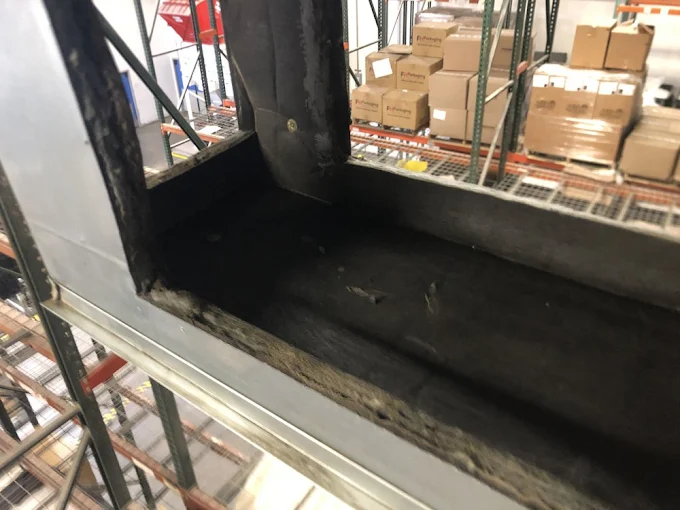
Stop Dryer Fires: Dryer Duct Cleaning Safety Tips
Lint buildup in dryer exhaust can restrict airflow, overheat components, and create a fire risk. This guide walks you through practical safety checks for dryer venting, what to look for in duct and dryer vent cleaning, and when to involve professional air duct and dryer vent cleaning in Frisco, TX & surrounding areas.
Last week, a homeowner in Frisco told us their clothes were taking longer to dry, even though the dryer felt like it was running the same cycles as always. A few loads later, they noticed a stronger “hot” smell near the laundry room and realized the vent at the exterior didn’t seem as powerful as it used to.
That combination is a common warning pattern. Dryer duct cleaning is not just about convenience. It can also support safer airflow by reducing lint that accumulates inside the dryer exhaust path, including the dryer duct and the vent outlet.
- Quick answer
- What to check first
- Main things customers should understand
- Why this matters in Frisco, TX
- Common mistakes to avoid
- Customer checklist
- Frequently asked questions
Quick Answer
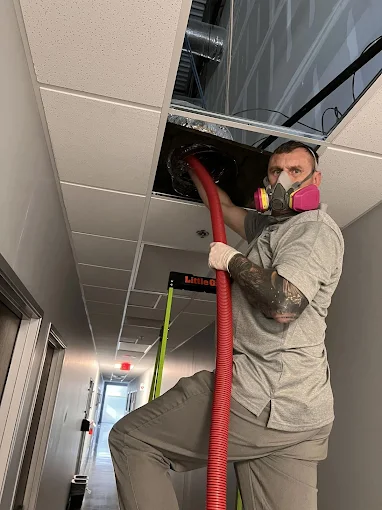
If your dryer takes longer than usual, your laundry area gets noticeably hotter, or the exterior vent airflow seems weak, lint and airflow restriction may be the cause. Start by cleaning the lint screen every load and inspecting the outside vent cover for obstructions. Then schedule professional dryer vent cleaning services or dryer duct cleaning services to remove packed lint inside the duct and dryer exhaust venting path. For safety, don’t “guess” based on the lint screen alone, because buildup can collect deeper in the ductwork where you cannot easily see it.
What to Check First
Before you book duct cleaning and dryer vent cleaning, do a quick, safe walkthrough. The goal is to identify visible blockage, airflow problems, and signs that lint has traveled beyond the lint screen area. These checks can also help you explain what you’re seeing when you call for professional dryer exhaust cleaning.
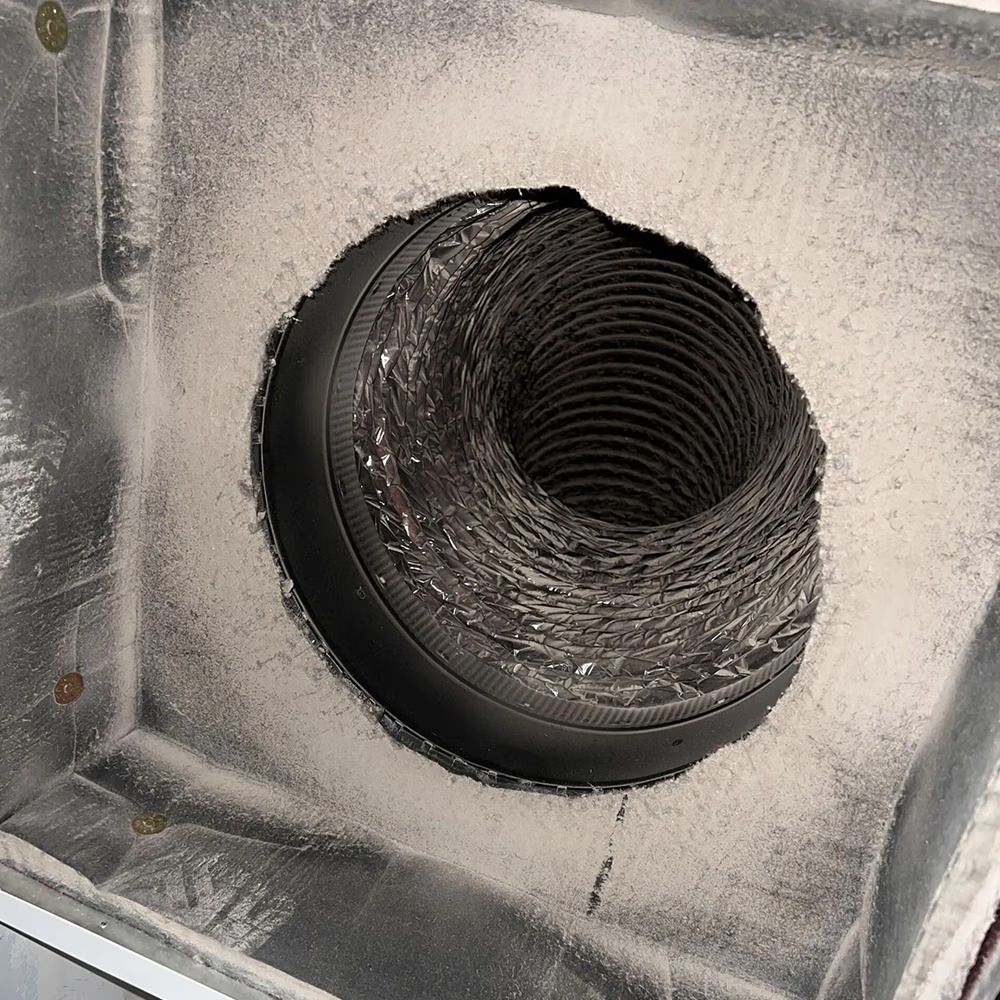
Professional observation: If the lint screen is clean but drying performance is still slipping, the restriction is often in the exhaust path, not on the screen.
1) Verify lint screen habits are consistent
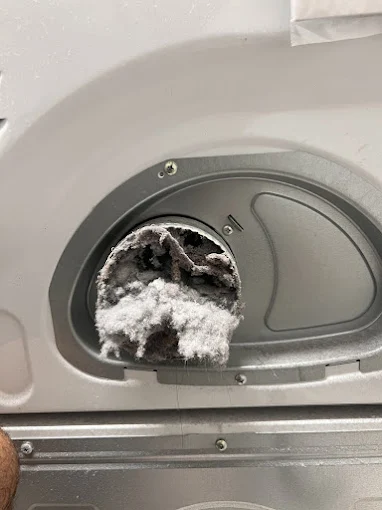
Lint screens catch a lot, but they do not catch everything. Make it a routine to remove the lint after every load and clear any trapped lint around the screen frame. If you notice heavy lint retention even after cleaning, it can be a sign the dryer is shedding lint more than usual.
2) Inspect the exterior vent outlet
Walk to the outside vent and look for a stuck flap, debris, or a cover that is not opening fully. In Frisco, TX, outdoor covers can collect dust and small debris over time. If the vent stays closed or partially blocked, the dryer cannot expel air and lint properly.
3) Check for airflow indicators
During a cycle, you should feel warm air moving at the exterior vent. If there is little airflow, the duct and dryer vent cleaning may be needed, especially if you also notice longer dry times or musty odors.
4) Look for duct issues you can spot
From the dryer to the wall, check for kinks, crushed sections, or loose connections. Flexible duct that has sagged or been crushed can trap lint along the low points. Even if the dryer seems to “run,” restricted duct airflow can increase heat where lint collects.
Safety note: If you suspect a blockage or overheating smell, avoid running repeated long cycles while you troubleshoot. Focus on airflow and schedule professional dryer vent inspection and cleaning when in doubt.
Main Things Customers Should Understand
Dryer fires are often linked to lint accumulation plus heat and airflow restriction. The dryer exhaust path is designed to move hot, moist air out of the home. When lint coats the inside of the duct and dryer vent, airflow slows, temperatures can rise, and lint can become more combustible. That is why “dryer lint removal” on the lint screen is only the first step.
Why lint packs where you can’t see
Lint can build up in elbows, joints, and sections with bends or sag. Over time, dryer lint can mix with fine dust and form a coating that reduces airflow and increases heat exposure.
How airflow affects drying time
When the exhaust system is restricted, moisture removal slows. Clothes stay damp longer, cycles extend, and the dryer runs hotter for longer periods.
Why maintenance is not only “cleaning the vent”
Good dryer vent maintenance includes checking duct connections, verifying the outside vent operates correctly, and removing lint deep in the duct and dryer exhaust venting route.
Decision table: DIY vs. professional dryer vent cleaning
| Situation you notice | What you can usually do first | When to choose professional dryer duct cleaning |
|---|---|---|
| Exterior vent flap is stuck or debris is visible | Clear the visible obstruction and verify the flap opens freely | If airflow still feels weak after clearing, schedule professional dryer exhaust cleaning |
| Dry times are getting longer over multiple loads | Clean lint screen thoroughly and check for obvious duct kinks | If performance continues to drop, plan dryer vent cleaning services to remove packed lint in the duct path |
| You smell a stronger “hot” odor during cycles | Stop repeated long cycles and inspect for visible duct issues | If odor persists, get an inspection and duct and dryer vent cleaning focused on the exhaust route |
| Suspected lint buildup beyond the lint screen | None beyond basic visual checks | Choose professional dryer vent inspection and cleaning because deeper buildup is not reliably accessible from the lint screen area |
Practical recommendation: If you’re considering air duct cleaning and dryer vent cleaning together, it can be efficient to review your whole ventilation system. For example, HVAC duct cleaning and dryer exhaust cleaning address different airflow paths, but both can influence how comfortable and healthy your home feels.
Why This Matters in Frisco, TX
In Frisco, TX, many homes use laundry rooms that are tucked indoors with duct runs that can include bends, transitions, and tight routes to an exterior wall. Those pathways can make lint buildup more likely in elbows and low-sag sections. As seasons change and households run more laundry cycles, restricted airflow can become more noticeable. That is why dryer vent cleaning services and dryer duct cleaning should be treated as part of regular home safety and indoor air quality and dryer vent cleaning awareness, not just a “when it’s really bad” task.
Have dryer vent lint concerns? Get a safe-path plan.
If you want dryer duct cleaning that focuses on airflow safety, Lone Star Pro Flow LLC can help you understand what’s happening in your exhaust route and what to address next for your home in Frisco, TX.
Request dryer duct cleaningCommon Mistakes to Avoid
Some dryer vent mistakes are easy to make because they seem harmless in the moment. But when lint accumulates deeper in the duct and dryer exhaust vent cleaning path, small issues can stack up into a bigger safety problem. Here are the most common missteps we see during duct cleaning and dryer vent cleaning conversations.
1) Assuming a clean lint screen means the duct is clear
The lint screen catches lint at the dryer opening, not throughout the entire exhaust route. Lint can still collect in the duct and at bends, even when the screen looks good.
2) Ignoring weak exterior vent airflow
If you cannot feel strong warm airflow at the exterior vent outlet during a cycle, the system is not moving air effectively. Weak airflow is one of the most practical signs that dryer vent lint removal is needed.
3) Running longer cycles to “fix” drying problems
Extending cycle time may dry clothes eventually, but it also keeps the dryer operating longer with restricted airflow. That can raise heat exposure where lint is present.
4) Overlooking duct connections and transitions
Loose connections can allow lint to escape into the laundry room area. Even if the dryer seems to work, escaped lint can become a cleanup problem and can also contribute to buildup at joints.
5) Mixing up dryer duct cleaning with whole-home duct cleaning
Air duct cleaning and dryer vent cleaning are related but not identical. Dryer exhaust cleaning targets the clothes dryer’s venting path. If you need HVAC duct cleaning services, that is a separate system. If you’re unsure, a service professional can help you identify which ductwork needs attention first.
Customer Checklist
Use this checklist before your next laundry cycle and as you plan dryer vent maintenance. It is designed for real-world homes in Frisco, TX and helps you spot the most common warning signs tied to dryer vent blockage removal and safer airflow.
- Clean the lint screen after every load, including any lint trapped around the screen area.
- Check that the exterior dryer vent flap opens freely and is not blocked by debris.
- Verify warm airflow at the exterior vent during a cycle, not just at the dryer.
- Look for duct kinks, crushed sections, or sagging flexible duct between the dryer and wall.
- Notice drying-time changes: if loads take longer, investigate airflow restriction.
- Pay attention to odors: a stronger hot smell during operation is a cue to inspect the exhaust path.
- If you see repeated symptoms, schedule professional dryer vent inspection and dryer duct cleaning services.
A representative Frisco scenario
A family in Frisco, TX noticed their dryer still “ran,” but towels were staying damp after normal cycles. They cleaned the lint screen every load and removed visible debris from the exterior vent, but the outside vent continued to feel weaker than before. They also noticed the laundry room felt warmer during drying.
During dryer exhaust cleaning, the focus was on the actual exhaust route, including areas where lint tends to collect around bends and transitions. After the duct and dryer vent cleaning, the home’s drying performance improved and the family reported that the exterior airflow felt more consistent during cycles. The takeaway was straightforward: lint screen cleaning is necessary, but it does not replace dryer duct cleaning when symptoms point to airflow restriction.
Frequently Asked Questions
How often should I schedule dryer vent cleaning services?
There is no single schedule that fits every household, because dryer usage, duct length, and how the exhaust route is routed all affect buildup. A practical approach is to watch for early warning signs like longer drying times, weaker airflow at the exterior vent, or noticeable odors during cycles. If you are seeing those symptoms, it’s a good time to plan dryer duct cleaning or dryer vent inspection. Keeping the lint screen clean every load is also a daily habit that supports safer airflow.
Does air duct cleaning and dryer vent cleaning near me include the dryer exhaust path?
Air duct cleaning and dryer vent cleaning services are usually handled as separate scope items because they target different parts of the home. HVAC duct cleaning focuses on the heating and cooling air distribution system, while dryer vent cleaning targets the clothes dryer’s exhaust route, sometimes referred to as dryer exhaust cleaning. If you’re searching for air duct and dryer vent cleaning, confirm that dryer duct cleaning services include the dryer duct, transitions, and the exterior vent outlet.
What signs point to a dryer vent blockage removal need?
Common signs include clothes taking longer to dry, less noticeable warm airflow at the exterior vent, and a stronger hot smell during operation. Some homeowners also observe that their laundry room feels unusually warm. These symptoms can indicate lint buildup in the duct and dryer vent that restricts airflow. If basic checks like clearing visible exterior debris and thoroughly cleaning the lint screen do not restore performance, professional dryer duct cleaning can help address packed lint deeper in the exhaust route.
Can a clogged dryer vent affect indoor air quality?
Yes, it can. When airflow is restricted, the dryer works harder and can increase dust and lint concerns around the laundry area. Also, if lint escapes from loose connections or buildup areas, it may contribute to dust in the home environment. While dryer vent cleaning is not the same task as HVAC duct cleaning, improving dryer exhaust airflow supports indoor air quality and dryer vent cleaning awareness by reducing lint-related issues connected to the laundry ventilation path.
Should I clean the dryer duct myself?
You can handle a few safe, visible tasks like cleaning the lint screen and checking the exterior vent cover for debris. But deeper cleaning inside the dryer exhaust path often requires tools and an approach that can reach bends and transitions where lint packs. If you suspect blockage, restricted airflow, or you are seeing symptoms like longer drying times or strong odors, professional dryer vent inspection and dryer duct cleaning services are usually the safer and more reliable next step.
Ready to reduce dryer fire risk with safer airflow?
If your dryer vent inspection and dryer duct cleaning services are overdue, Lone Star Pro Flow LLC can help you address lint buildup in the exhaust route for your home in Frisco, TX & surrounding areas.
Call Lone Star Pro Flow LLC
Lone Star Pro Flow LLC provides duct and vent cleaning with a safety-first focus for homeowners, property managers, and businesses across Frisco, TX & surrounding areas.
If you’re comparing options for dryer duct cleaning or looking at related ventilation work like HVAC duct cleaning, we help you match the right scope to the airflow problem you are seeing.
For customers searching “air duct and dryer vent cleaning, duct and dryer vent cleaning, HVAC duct and dryer vent cleaning,” our goal is to make your ventilation system work the way it was designed to work.