
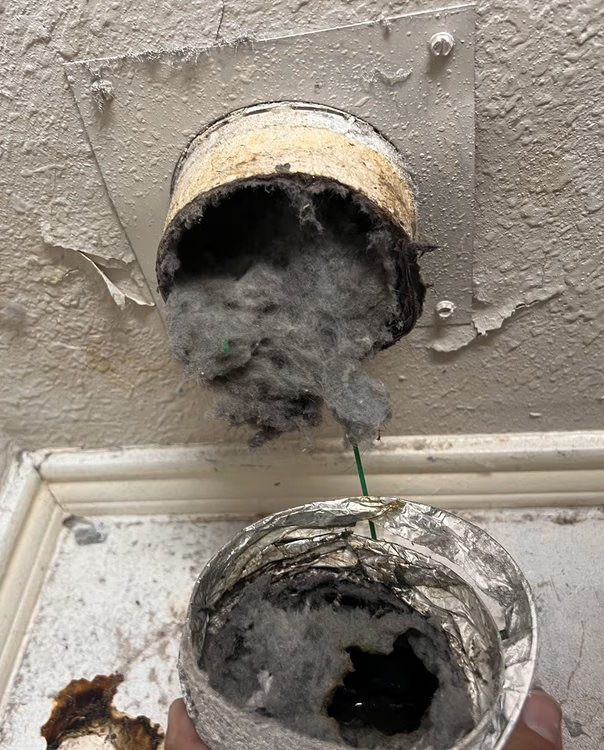
Why Dryer Duct Cleaning Matters for Home Safety
If your dryer takes longer than it used to, feels hotter in the laundry area, or leaves a musty smell behind, the cause is often hidden inside the dryer exhaust path. Lone Star Pro Flow LLC helps homeowners in Frisco, TX understand how lint buildup and airflow restrictions in dryer ducts and vents can affect safety and indoor air quality.
Last week, a homeowner in Frisco, TX told us their dryer was “working,” but it wasn’t working like it used to. Towels came out damp more often, and the laundry room always felt warmer than it should after every load.
They also noticed a mild, dusty odor that seemed to show up right after drying. The lint screen was getting cleaned, but the problem kept returning. That’s the moment most people start wondering whether something is wrong with the dryer, the ductwork, or the vent outside.
This guide explains what dryer duct cleaning changes, what to check first, and how to spot when lint buildup is becoming a safety concern. You’ll also get a practical checklist you can use to prepare for dryer vent cleaning services in the Frisco area.
- Quick answer
- What to check first
- Main things customers should understand
- Why this matters in Frisco, TX
- Common mistakes to avoid
- Customer checklist
- Frequently asked questions
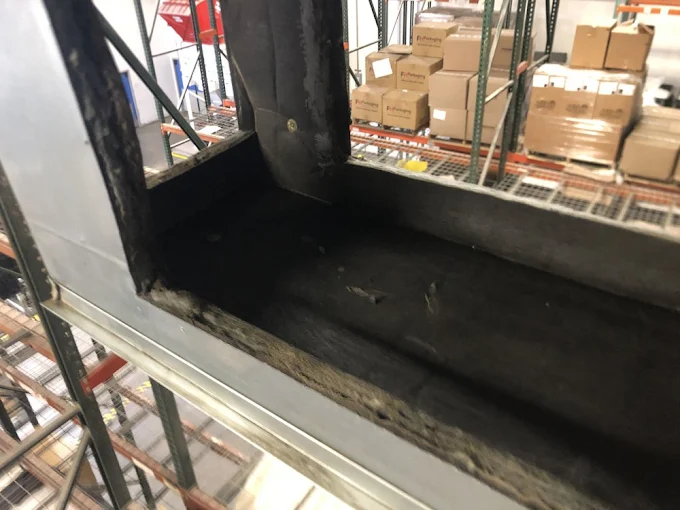
Quick Answer
Dryer duct cleaning matters because lint and debris can restrict airflow inside the vent path. When airflow is limited, the dryer has to work harder, which can increase heat where it should not build up and can also contribute to musty odors and dust circulation in the home. A practical next step is to schedule dryer duct cleaning or dryer vent cleaning when you notice longer drying times, excessive lint around the dryer, or signs of blockage. For Frisco, TX homeowners, periodic professional cleaning helps keep the exhaust route clear and supports safer dryer performance.
What to Check First
Start with the signs you can observe without opening walls. If you keep getting similar results load after load, it is usually not a one-time issue.
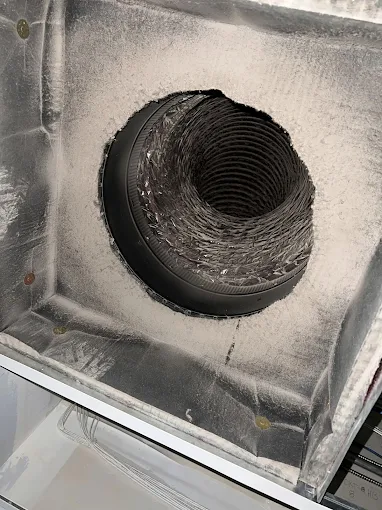
Professional observation: If the laundry area feels hotter than normal or clothes dry unevenly, the exhaust system is often struggling to move moisture out efficiently.
Here are the most useful first checks:
- Drying time changes: If cycles run longer than before, the vent path may be partially blocked with lint.
- Clothes feel warmer or still damp: Restricted airflow can reduce the dryer’s ability to remove moisture.
- Visible lint: Look around the dryer and at accessible duct connections for lint buildup.
- Odors: Musty or dusty smells can be linked to trapped lint and moisture in the vent route.
- Vent exterior condition: Check that the exterior exhaust flap opens freely when the dryer is running.
If multiple signs show up at the same time, it is a strong hint that dryer exhaust cleaning is needed, not just a quick lint-screen cleanup.
Main Things Customers Should Understand
Lint does not just disappear after it hits the screen. Over time, fine particles can migrate deeper into the duct and vent, especially where sections connect, where the duct runs through tight bends, or where the vent path is harder to clean thoroughly.
Key idea: The dryer lint you see is only part of the story. What matters for safe airflow is what is building up inside the full exhaust route.
Below is a practical comparison to help you decide what you are likely dealing with.
| What you notice | What it often points to | What to do next |
|---|---|---|
| Longer than usual cycles | Restricted airflow from lint and debris in the dryer vent path | Schedule professional dryer vent cleaning to clear the route end-to-end |
| Hot laundry room or exhaust area | Heat building up when moisture and airflow cannot move out efficiently | Have the exhaust route inspected and cleaned by a duct and vent cleaning specialist |
| Musty or dusty smell after drying | Lint trapping and moisture retention within the vent system | Choose dryer duct cleaning services that address buildup in the exhaust path |
| Lint around the dryer connection | Accumulation at joints and accessible duct areas | Get a thorough cleaning and check the full run for additional buildup |
One firsthand-style observation we see in homes around Frisco, TX: even when the lint screen is cleaned, buildup can collect where the duct changes direction. Those bends slow airflow, and lint has a way of settling there. That is why “cleaning the screen” is not the same as clearing the duct and vent.
If you are also managing general air circulation concerns, it can help to coordinate dryer vent cleaning with broader indoor air quality steps. For example, if you are already thinking about HVAC duct and dryer vent cleaning as part of home maintenance, you can plan both projects without guessing.
Why This Matters in Frisco, TX
In Frisco, TX, many homes use closely routed laundry systems, and vent runs may include longer duct paths through interior spaces. Over time, lint accumulates and airflow becomes less efficient, which can show up more noticeably during heavy laundry seasons. When the dryer struggles, it can increase heat and contribute to that “warm laundry room” feeling people report.
Local homeowner tip: If you are drying bulky loads like towels or bedding frequently, the lint load can build faster. Keeping the vent route clear supports consistent dryer performance in Frisco, TX.
For customers evaluating options in the area, it helps to look specifically for dryer vent lint removal and dryer vent inspection as part of the process. That way, you are not only addressing visible lint, but also checking for blockage along the full exhaust route.
Need your dryer exhaust route checked in Frisco?
Call Lone Star Pro Flow LLC to discuss dryer duct cleaning and dryer vent cleaning services for your home.
Call (972) 532-7959Common Mistakes to Avoid
Homeowners often try to solve dryer issues with quick fixes that miss the real problem inside the vent path. These mistakes can delay the cleanup you actually need.
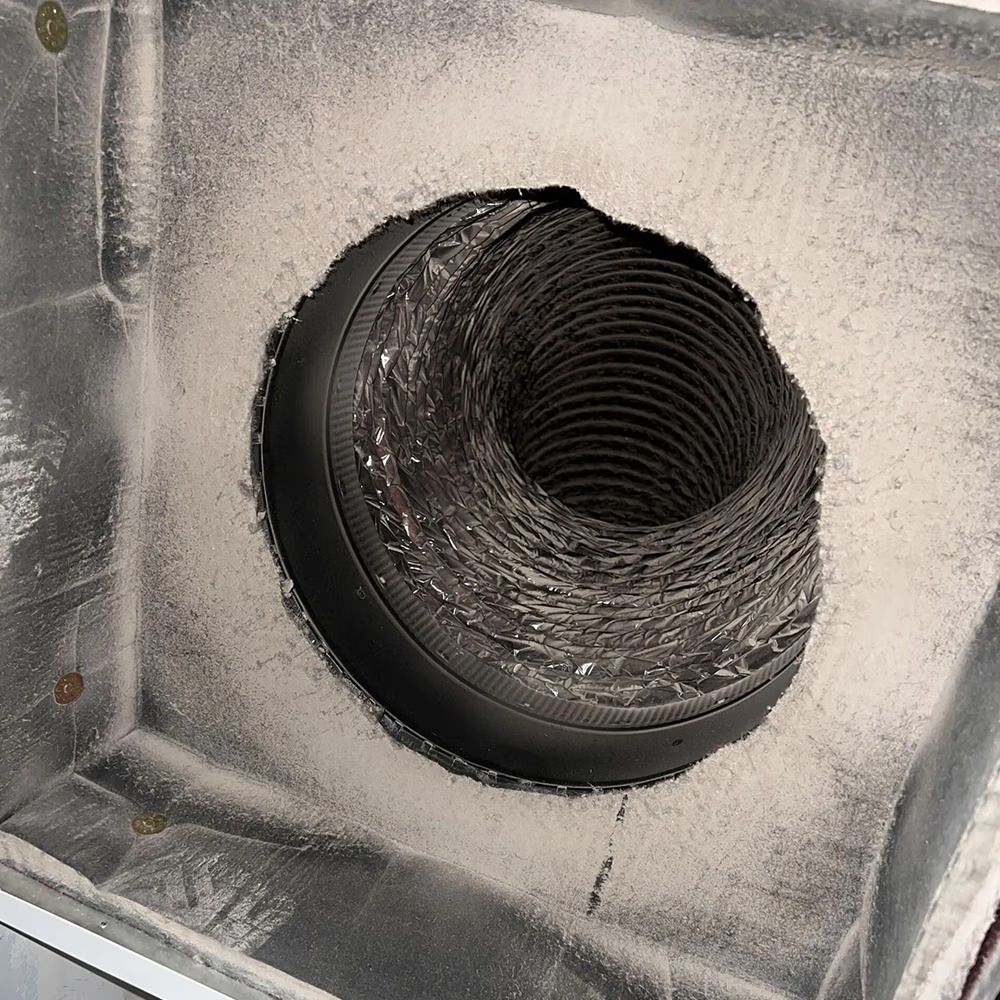
- Assuming the lint screen equals clean airflow: The screen helps, but lint can still collect farther down the duct.
- Only cleaning the visible section: If the run includes bends or hidden sections, partial cleaning does not clear the full route.
- Ignoring repeated “long drying” symptoms: If it keeps happening, blockage or restriction is often involved.
- Waiting until you see a major problem: By the time issues are obvious, buildup may already be significant.
- Using a one-size-fits-all approach: Different setups require different attention, especially for apartment dryer vent cleaning and condo dryer vent cleaning.
If you also maintain other airflow systems, be sure you are not mixing up dryer exhaust concerns with HVAC needs. Dryer exhaust cleaning focuses on the dryer’s vent path, while HVAC dryer duct cleaning and indoor duct cleaning are different scopes. Keeping those clear helps you get the right service for the right problem.
Customer Checklist
Use this checklist to prepare for professional cleaning and to help you notice changes after the service. It also makes it easier to explain the issue when you call.
- Write down how long drying cycles take now versus “before.”
- Note any odors (musty, dusty, or “hot” smells) that appear after drying.
- Check the exterior vent flap for free movement when the dryer runs.
- Inspect the dryer connection area for lint buildup you can safely see.
- List the dryer type and typical loads (towels, bedding, frequent small loads, etc.).
- If you live in an apartment or condo, note where the dryer vent run is located and whether access is limited.
- Ask for a dryer vent inspection and a plan to address the full exhaust route.
After cleaning, pay attention to whether drying times return closer to normal and whether the laundry area feels less unusually warm.
Representative scenario
Consider a typical Frisco, TX household: a family runs laundry several times a week, and the dryer starts taking longer than it used to. The homeowner cleans the lint screen every load, but the towel cycles still do not finish as expected. Over a few weeks, they also notice light dust near the dryer connection and a mild odor after drying.
In cases like this, the most common cause is buildup inside the dryer exhaust path that keeps airflow from moving moisture out efficiently. A professional cleaning focuses on clearing the vent route so the dryer can operate with the airflow it was designed for.
Frequently Asked Questions
How do I know it’s time for dryer vent cleaning?
If drying cycles are taking longer, clothes come out warmer but not fully dry, or you notice musty/dusty odors, it’s a good sign the exhaust route may be restricted. Visible lint around the dryer connection and reduced exterior flap movement also point to buildup. For many homeowners, the practical approach is to schedule dryer vent cleaning services when symptoms repeat, not just after one unusual load. In the Frisco, TX area, heavier laundry schedules can make lint buildup show up sooner.
Does cleaning the lint screen prevent dryer duct buildup?
The lint screen helps a lot, but it does not capture all lint. Fine particles can still travel into the duct, especially with repeated loads. Over time, lint can settle in bends and connections where airflow slows down. That means “cleaning the screen” is not the same as clearing the full exhaust route. If you keep getting longer drying times or odors, professional dryer duct cleaning is the step that addresses buildup beyond the screen.
What’s the difference between dryer duct cleaning and HVAC duct cleaning?
Dryer duct cleaning focuses on the dryer’s exhaust path, including the duct and vent that carry moisture and lint outdoors. HVAC duct cleaning focuses on the heating and cooling air distribution system in the home. They are separate concerns with different airflow paths and different maintenance needs. If you are planning HVAC duct and dryer vent cleaning as part of home maintenance, it can be helpful to coordinate both so you do not miss the dryer exhaust issue while addressing indoor air quality.
Can a clogged dryer vent affect indoor air quality?
Yes. When the vent path is restricted, lint and moisture can contribute to dustiness and odors in the laundry area, and some buildup can become a recurring problem that homeowners notice after drying. While HVAC systems handle indoor airflow, the dryer exhaust route still plays a role in how clean and comfortable your laundry space feels. Addressing lint buildup through dryer exhaust cleaning and dryer vent lint removal helps reduce recurring symptoms linked to airflow restriction.
Do you serve Frisco, TX and nearby areas?
Yes. Lone Star Pro Flow LLC provides duct and dryer vent cleaning for homeowners in Frisco, TX & surrounding areas. If you live in a home, apartment, or condo and you are trying to prevent dryer performance issues from returning, professional cleaning and inspection can help you address the full exhaust path rather than just the lint screen.
Schedule dryer duct cleaning with Lone Star Pro Flow LLC
If you are dealing with longer drying times, warm laundry rooms, or recurring lint-related odors, getting the dryer exhaust route inspected is a practical next step.
Contact Lone Star Pro Flow LLC
About Lone Star Pro Flow LLC
Lone Star Pro Flow LLC is a local duct and vent cleaning team serving Frisco, TX and surrounding areas. Our focus is helping customers keep dryer exhaust routes and related home airflow systems clear, so everyday laundry performance feels more reliable and your home stays more comfortable. If you are looking for air duct and dryer vent cleaning, we can help you choose the right next step based on what you are noticing.