

Better Drying Performance After Dryer Duct Cleaning
If your dryer is taking longer to dry clothes, it is often not the dryer itself. After dryer duct cleaning, airflow and moisture removal can improve, but the results depend on what is happening inside the vent path.
Last week, a homeowner in Frisco noticed the same frustrating pattern: towels came out warm but not fully dry, and every load seemed to take longer than it used to. The lint trap was clean, the dryer drum was fine, and the clothes still felt damp after another cycle.
That is a common decision point. You can keep running longer cycles, or you can address the airflow restriction that can build up in the dryer exhaust system. This guide helps you understand what “better drying performance” should look like after dryer duct cleaning, what to check first, and when to call for a closer inspection in Frisco, TX.
- Quick answer
- What to check first
- Main things customers should understand
- Why this matters in Frisco, TX
- Common mistakes to avoid
- Customer checklist
- Frequently asked questions
Quick Answer
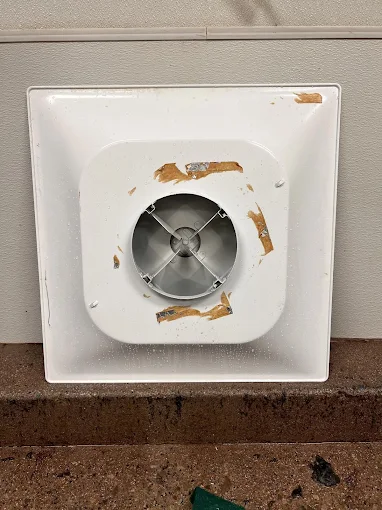
After dryer duct cleaning, many homeowners notice faster drying times because lint and debris no longer restrict airflow through the exhaust path. If you still see damp loads, the cause is often a partially blocked or poorly routed vent system, or a vent connection that is not sealed properly. Your practical next step is to verify airflow at the exhaust and schedule a professional dryer vent inspection if drying performance does not improve after cleaning. Lone Star Pro Flow LLC can help confirm the vent path is clear and functioning as intended in Frisco, TX.
What to Check First
Start with the basics you can verify right away, because they influence drying performance even after duct cleaning. These checks also help you explain the issue clearly when you contact a technician.
1) Lint trap and lint screen
Confirm the lint screen is cleaned thoroughly before each load. Even with a clean vent, a clogged screen can slow airflow and keep clothes damp.
2) Vent route and visible kinks
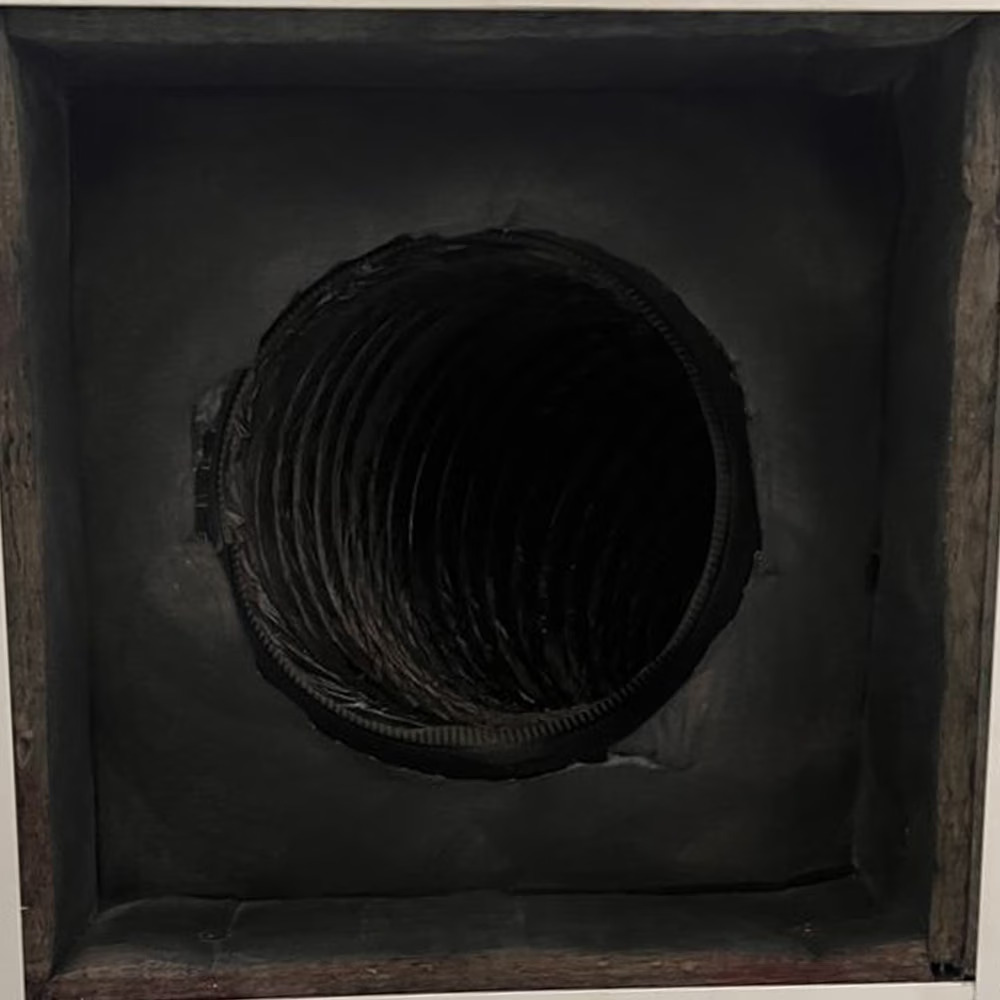
Look for crushed sections of flexible duct, sharp bends, or sections that sag. A restriction right after the dryer can limit airflow quickly.
3) Exhaust outside the home
When the dryer runs, check that the outdoor vent flap opens and that airflow feels strong at the outlet.
Main Things Customers Should Understand
Drying performance depends on airflow rate, vent cleanliness, and how the dryer exhaust system is connected. When dryer exhaust cleaning is done correctly, it removes the built-up lint that can reduce airflow through the duct and into the exterior termination.
Professional observation: In many Frisco-area homes, drying problems persist after “basic cleaning” because lint buildup is deeper in the duct path than the lint trap suggests. A thorough inspection helps confirm where the restriction is happening.
If your dryer duct cleaning was performed and drying is noticeably better, that usually means the airflow restriction was real. If improvement is limited, it often points to one of these real-world conditions:
- Partial blockage farther along the vent path (not just at the dryer connection).
- Vent sections that are difficult to access due to tight bends or long runs.
- Air leaks at joints that let warm moist air escape inside the laundry area instead of moving through the vent.
- Exterior termination issues such as a flap that does not open freely or buildup around the outlet.
How duct cleaning affects moisture removal
Dryers work by moving warm, moist air out of the home and replacing it with drier air. When lint, dust, or debris builds up, the airflow slows down. Slower airflow means the drum heat may still feel strong, but the dryer cannot carry moisture away efficiently, so clothes come out damp.
If you want to understand how Lone Star Pro Flow LLC approaches ductwork, you can review our dryer duct cleaning service page for what typically gets checked and why.
Why This Matters in Frisco, TX
In Frisco, TX, many homes include laundry setups in areas where venting is routed through walls, closets, or utility spaces. Those paths can include turns and longer runs that make lint buildup more likely over time, especially when dryer loads are frequent.
One firsthand pattern technicians see is that lint accumulation does not always look dramatic from the dryer side. The restriction can be deeper in the system, where cleaning tools and airflow access are different. That is why a dryer vent inspection matters when drying times do not improve as expected after cleaning.
If you are also maintaining your home’s ventilation system, consider pairing this with HVAC airflow care. Our HVAC duct and vent cleaning information can help you think about indoor air quality and system performance as a whole.
Common Mistakes to Avoid
Most homeowners want results quickly, but a few common decisions can delay better drying performance after dryer duct cleaning.
Common mistake #1: Running longer cycles instead of addressing airflow restrictions. Extra time can dry some loads, but it does not fix a vent that cannot move air effectively.
Common mistake #2: Assuming the lint trap tells the full story. Lint can collect in the duct where it cannot be seen during routine maintenance.
Common mistake #3: Ignoring vent connection issues. Loose or poorly sealed joints can reduce airflow and allow moisture to escape into the laundry area.
Customer Checklist
Use this checklist to track whether dryer duct cleaning is giving you the drying improvement you should expect, and to make the next step easier if it is not.
- Confirm the lint screen is cleaned before every load.
- Run the dryer and verify the outdoor vent flap opens freely.
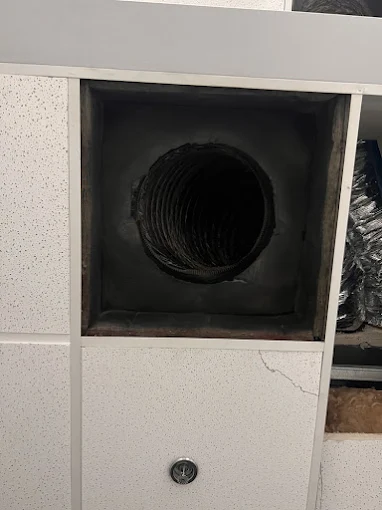
- Check for crushed or kinked duct sections between the dryer and the wall.
- After cleaning, observe whether drying times decrease compared to your recent baseline.
- Pay attention to odors or excess moisture in the laundry area, which can indicate vent air leaks.
- If drying performance does not improve, schedule a dryer vent inspection to locate the restriction.
Representative Scenario: When Cleaning Helps, But Damp Loads Remain
A Frisco, TX homeowner had dryer vent cleaning services performed because clothes were finishing “almost dry” after multiple cycles. After cleaning, the dryer did run with stronger exhaust airflow at the outside vent. However, bulky items like towels still felt damp.
During follow-up inspection, the team focused on the path beyond the first accessible section and checked the vent connection at the dryer. The restriction was not visible from the dryer side, and the connection condition influenced how effectively moist air moved out of the home. Once the vent path issue was corrected, drying performance improved in line with what the homeowner expected.
Decision Table: What to Do Next
If you are choosing between another routine check and a professional inspection, this table can help you decide based on what you observe after cleaning.
| What you notice after dryer duct cleaning | Most likely cause to explore | Practical next step |
|---|---|---|
| Dry times are shorter and clothes feel dry on the first cycle | Airflow restriction was mainly lint buildup in the vent path | Stick to dryer lint removal habits and schedule periodic maintenance as needed |
| Exhaust feels weak outdoors even after cleaning | Deeper vent blockage or vent route restrictions | Request a professional dryer vent inspection for blockage identification |
| Airflow outdoors seems fine, but laundry area feels humid | Loose or leaking duct joints | Have connections checked and resealed as appropriate |
| Exterior vent flap does not open smoothly | Exterior termination obstruction or flap operation issue | Inspect the exterior vent and confirm proper operation during dryer runtime |
Get clarity on your dryer vent path
If drying performance does not improve as expected after cleaning, a targeted inspection can help identify where the restriction is. Lone Star Pro Flow LLC serves Frisco, TX and nearby areas.
(972) 532-7959Frequently Asked Questions
These are the questions customers in Frisco, TX ask most often when they want better drying performance after duct cleaning.
How soon should I notice better drying after dryer duct cleaning?
Many homeowners notice improvement on the next few loads because the dryer can move air more freely through the exhaust path. If drying is only slightly better or stays the same, it may mean the restriction is deeper in the duct route, there are airflow leaks at connections, or the exterior termination is not operating properly. In those situations, it is practical to track drying times for a couple of loads and then request a dryer vent inspection to confirm what is still limiting airflow.
Is dryer lint removal enough, or do I still need professional cleaning?
Cleaning the lint trap is necessary, but it does not remove lint that collects inside the duct run behind the dryer. Lint buildup can reduce airflow even when the lint screen looks clean. Professional cleaning focuses on the dryer exhaust system path so moisture can be carried out of the home effectively. If you are seeing longer drying times, damp loads, or weak exhaust at the outside vent, professional dryer vent cleaning services are usually the next logical step.
What does a dryer vent inspection typically focus on?
A good inspection is centered on where airflow is being limited. That can include checking the duct route for restrictions, verifying duct connections at the dryer, and confirming the exterior vent flap operates as intended during a dryer cycle. If you have a long run or multiple turns, the inspection helps pinpoint the section most likely to hold lint and debris. The goal is to connect what you are seeing (damp clothes, longer times) with what is happening inside the vent path.
Can duct cleaning help with indoor air quality and moisture?
Yes, it can. When dryer exhaust cannot move properly, warm moist air may escape at weak duct connections or stay within the laundry area longer than it should. By improving the vent system’s ability to move air outdoors, you reduce the chance of excess moisture buildup near the dryer. For customers thinking about overall airflow health, pairing dryer vent maintenance with HVAC duct and vent cleaning can be a practical way to support indoor air quality and dryer vent cleaning goals.
Do I need both HVAC duct cleaning and dryer vent cleaning?
Not always. They address different systems. Dryer vent cleaning targets the clothes dryer exhaust path, while HVAC duct cleaning focuses on your heating and cooling airflow. If you are only dealing with drying performance, starting with dryer exhaust cleaning is usually the most direct approach. If you are also noticing broader airflow issues or want to maintain multiple ventilation systems, you can coordinate both. Lone Star Pro Flow LLC can help you decide based on what you are experiencing in your Frisco, TX home.
Ready to improve drying performance?
If you want your dryer to move moisture out of the home efficiently, Lone Star Pro Flow LLC can help with dryer duct cleaning and targeted troubleshooting in Frisco, TX and surrounding areas.
Schedule dryer duct cleaning
Lone Star Pro Flow LLC
Lone Star Pro Flow LLC provides duct and vent cleaning with a focus on practical results for homeowners and property managers. Serving Frisco, TX and surrounding areas, the team helps customers address airflow restrictions that can affect dryer performance and overall ventilation system comfort.
Learn more at lonestarproflow.com.