

If you are noticing dust buildup, musty air, or inconsistent airflow, it can be tempting to ignore it. This guide explains how duct and vent cleaning supports safer HVAC performance, what to check first in a Frisco, TX home, and how to choose a cleaning approach that matches your system.
Last month, you finally turned the AC down and noticed a sharper smell near the vents. A day or two later, a light film of dust showed up on a shelf you just wiped. Then the airflow felt uneven, with some rooms getting a stronger blast while others stay noticeably warmer.
It can be hard to separate “normal dust” from something that deserves attention. This guide helps you understand what HVAC duct cleaning and vent cleaning are designed to address, which warning signs to take seriously, and what a practical inspection should look like for homes in Frisco, TX.
- Quick answer
- What to check first
- Main things customers should understand
- Why this matters in Frisco, TX
- Common mistakes to avoid
- Customer checklist
- Frequently asked questions
Quick Answer
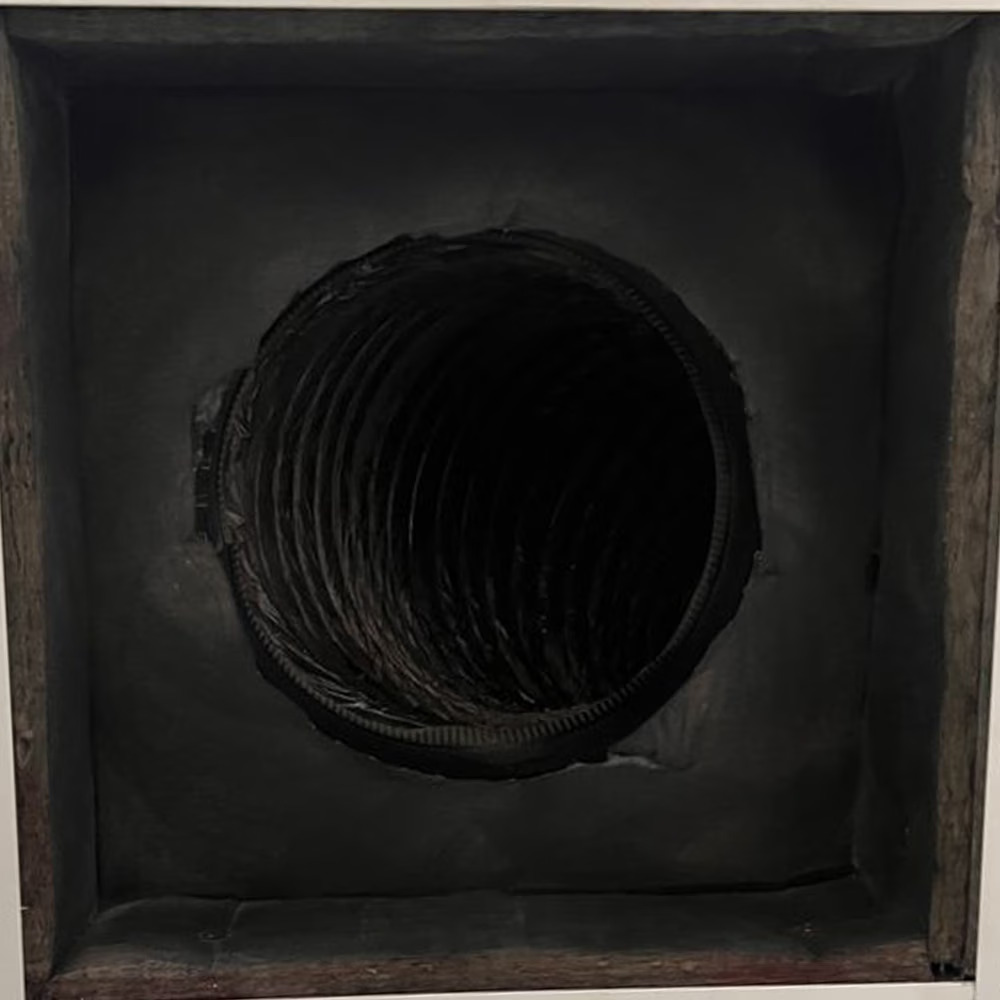
HVAC duct cleaning can help reduce built-up debris inside ductwork and air pathways, which supports cleaner airflow and may lower the risk of dust accumulation around parts of the system. Start with a basic inspection of airflow issues, visible debris at registers, and any signs of excessive dust or odors. A practical next step is to schedule professional duct and dryer vent cleaning where dryer exhaust and HVAC air paths are evaluated together, especially if you have laundry-lint concerns or recurring dust. For Frisco, TX homes, prioritize cleaning before peak HVAC season so airflow is consistent from the start.
What to Check First
Before anyone pulls tools out of the truck, you can narrow down whether the concern is primarily HVAC air ducts, dryer exhaust, or both. Look for where the problem shows up most. If you feel dust when you change filters, notice debris around supply vents, or see uneven airflow by room, that points toward ductwork and HVAC system cleaning. If lint buildup is visible near the dryer area or you notice longer drying times, the dryer exhaust vent deserves immediate attention alongside air duct cleaning.
Airflow and dust clues
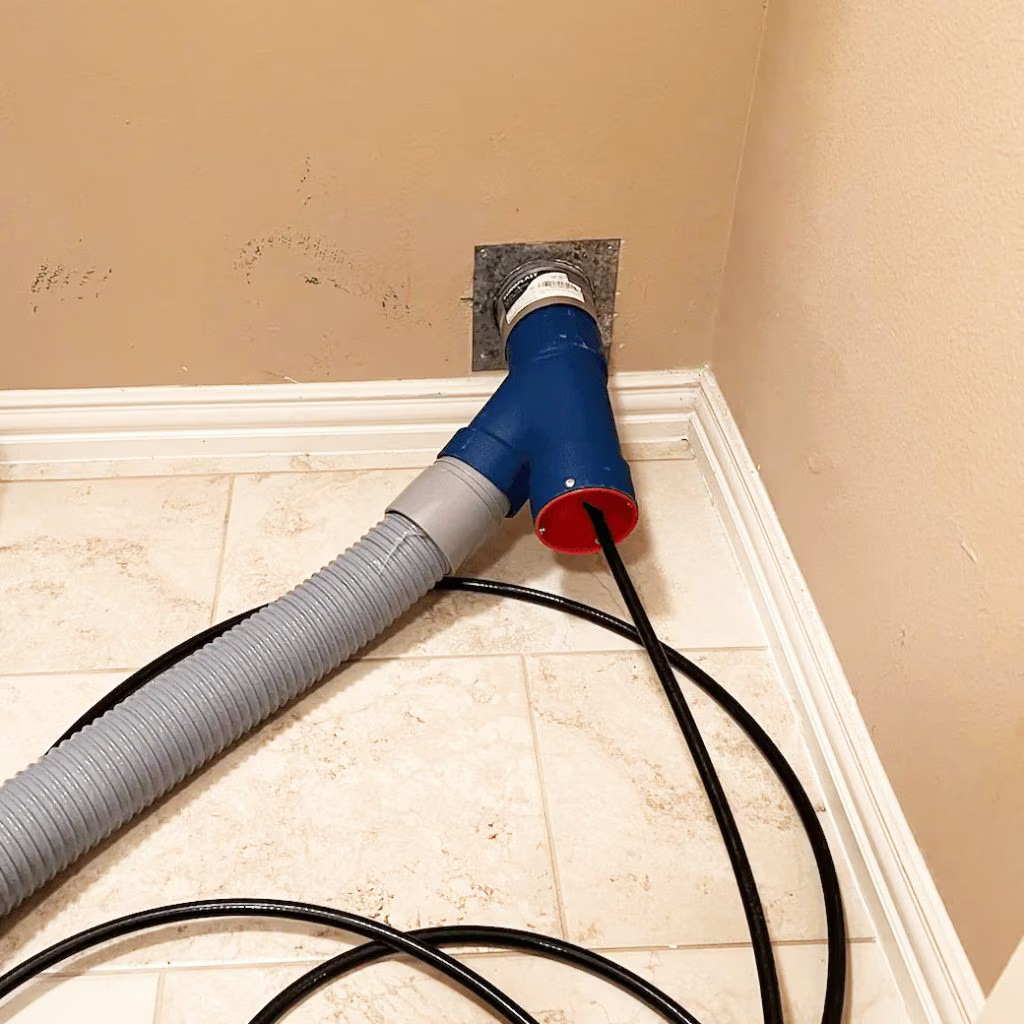
Check which rooms feel weak, whether vents collect dust quickly, and if the system seems to cycle more than usual.
Odors and cleanliness
Take note of musty smells, burnt or “hot dust” odors, or odors that appear after the system runs.
Laundry vent behavior
If drying takes longer or the dryer exhaust feels restricted, inspect the path for blockage potential.
Main Things Customers Should Understand
When people hear “duct cleaning,” they often think it is only about removing dust. In reality, the goal is to improve the cleanliness of the air pathways inside the HVAC system and reduce the amount of debris that can circulate through living spaces. For fire risk conversations, the key idea is not that duct cleaning alone “prevents fires,” but that excess buildup in air pathways and venting systems should not be left to accumulate.
Professional observation: Debris patterns matter. If dust is concentrated around registers or airflow seems inconsistent by room, duct and vent cleaning can address the source inside the system, not just clean the surfaces you can see.
Here is what a careful approach typically includes for HVAC duct cleaning and related vent cleaning. It should focus on identifying where buildup is forming, using the right method for the duct type, and verifying airflow after the work is done. If you also want dryer duct cleaning, it should be coordinated with inspection of the dryer exhaust vent, since laundry lint is a common driver of blockages.
| What you notice | Likely focus area | What to ask for during inspection |
|---|---|---|
| Dust settles quickly on nearby surfaces | HVAC air ducts and registers | Whether ductwork buildup is present and how airflow is being affected |
| Musty odor when the system runs | Air pathways and duct cleanliness | Where odor appears in the air distribution path and what debris is found |
| Longer drying times or exhaust feels weak | Dryer exhaust and vent system | Whether there is lint buildup, blockage potential, and what the vent condition shows |
| Frequent lint-related cleanup around the dryer | Dryer vent maintenance needs | Dryer exhaust cleaning and dryer vent inspection results |
| Both dust and laundry vent issues | Combined HVAC duct and dryer vent cleaning | How each system contributes to indoor air quality and debris movement |
Why this matters in Frisco, TX
In Frisco, TX, homeowners often run HVAC systems frequently through long hot stretches and seasonal transitions. That steady use means any existing debris in air ducts can keep getting pushed through the home’s living spaces. If your home has older ductwork, recent renovations, or a busy laundry routine, the combination of dust and lint buildup can compound. A practical local approach is to treat HVAC duct cleaning and dryer vent cleaning as part of an indoor air quality plan, not as a one-time “spring project.”
Practical recommendation: If you are already scheduling duct cleaning, consider aligning it with an evaluation of dryer vent cleaning services. That way, you address both air distribution pathways and the laundry exhaust pathway that commonly collects lint.
Get your HVAC duct and vent situation evaluated
If you are trying to reduce buildup and improve airflow, Lone Star Pro Flow LLC can help you map out the next step for HVAC duct cleaning and related vent cleaning in Frisco, TX.
Contact Lone Star Pro Flow LLCCommon Mistakes to Avoid
Even when homeowners want to be proactive, a few patterns can slow results or lead to repeat problems. These are common mistakes we see when ductwork and venting get overlooked between routine maintenance. Fixing them starts with how you plan the inspection and what you expect the cleaning to address.
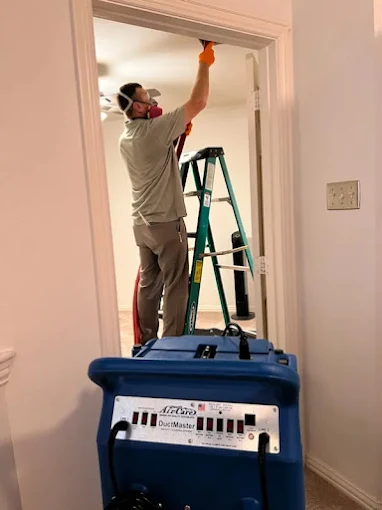
- Only cleaning the visible areas and skipping the air pathways inside the HVAC system.
- Ignoring dryer vent behavior (like longer drying times) while focusing only on the HVAC side.
- Assuming a new filter solves dust problems when the dust source is inside ductwork or vent pathways.
- Waiting until strong odors appear before scheduling inspection, especially if you suspect buildup is accumulating.
- Choosing a one-size-fits-all approach without confirming the duct type and vent condition during inspection.
Customer Checklist
Use this checklist to prepare for professional service and to make sure you and the technician are focused on the same outcomes. It is also a good way to capture details you might otherwise forget after the work starts.
- Note which rooms get weaker airflow and when it happens.
- Check whether dust settles faster near certain vents or returns.
- Track any recurring odors, especially when the HVAC runs.
- For laundry areas, note whether drying time has increased.
- Ask whether an inspection will include dryer exhaust cleaning and dryer vent inspection where needed.
- Confirm the plan for HVAC duct cleaning and how it will be coordinated with vent cleaning.
- After service, observe airflow changes and whether dust patterns improve.
Representative scenario (anonymized)
A Frisco homeowner noticed dust returning quickly after wiping and also reported that laundry cycles were taking longer than usual. The first step was to evaluate both the HVAC air distribution and the dryer exhaust path, because the dust pattern pointed toward air pathways while the laundry timing pointed toward lint buildup. After duct and dryer vent cleaning, the homeowner saw more consistent airflow by room and fewer dust complaints in the weeks that followed. The key difference was addressing both systems instead of treating the symptoms separately.
Frequently Asked Questions
Can HVAC duct cleaning reduce fire risk?
Cleaning HVAC ductwork and air pathways helps reduce the amount of debris that can build up and circulate through your home. While no cleaning activity can “guarantee” fire prevention, reducing buildup supports safer, cleaner system operation by addressing accumulated dust and debris inside ducts and related air distribution areas. If you are concerned about fire risk, it is especially important to also address dryer vent maintenance, since dryer lint and restricted exhaust are a common cause of dangerous buildup. A professional inspection can help identify where debris accumulation is most likely occurring.
Is duct and dryer vent cleaning the same thing?
They are related but not identical. HVAC duct cleaning focuses on the ductwork and air pathways that distribute conditioned air. Dryer duct cleaning and dryer vent cleaning focus on the dryer exhaust route that carries lint and warm air out of the home. Many households experience problems in both areas, so coordinating air duct cleaning and dryer vent cleaning near me can be more efficient and may improve indoor air quality and laundry performance.
What signs mean I should schedule duct cleaning and dryer vent cleaning services?
For HVAC, look for dust settling quickly near vents, musty odors when the system runs, or inconsistent airflow by room. For the dryer, longer drying times, weak exhaust, or recurring lint-related cleanup are common indicators. If you notice both categories of symptoms, it often makes sense to schedule a combined evaluation so the technician can check the HVAC system and the dryer exhaust vent condition together.
How do I choose between air duct cleaning and HVAC duct cleaning services?
In practice, the wording varies, but the goal is the same: remove debris from the ductwork and improve airflow cleanliness. When comparing options, ask what parts of the HVAC system are included in the service plan and whether an inspection is performed first. If you also need dryer vent inspection or dryer lint removal, confirm that the plan covers dryer exhaust vent cleaning or clothes dryer vent cleaning where appropriate.
Should I start with the HVAC system or the dryer vent?
If your dryer is showing signs of restriction, longer drying times, or suspected lint buildup, it is often practical to address the dryer exhaust first or at the same time as HVAC duct cleaning. Dryer vent maintenance is closely tied to how lint and airflow move out of the home. If your primary concern is dust and odor spread through living spaces, focus on HVAC duct cleaning and confirm whether dryer vent cleaning is also needed to reduce overall debris sources.
Ready for cleaner airflow in Frisco?
For HVAC duct cleaning services and coordinated dryer duct cleaning, Lone Star Pro Flow LLC serves Frisco, TX and surrounding areas. Start with an evaluation so your next step matches what you are actually seeing at home.
(972) 532-7959
About Lone Star Pro Flow LLC
Lone Star Pro Flow LLC provides duct and vent cleaning for homeowners and businesses in Frisco, TX and surrounding areas. Their focus is on practical, system-aware cleaning for HVAC ductwork and dryer exhaust pathways, supporting cleaner airflow and better indoor air quality through coordinated HVAC duct cleaning and dryer duct cleaning services.
If your goal is to reduce buildup and improve how your system performs, you can reach out at (972) 532-7959 or visit lonestarproflow.com.
Helpful next steps: If you want to understand what is involved, review HVAC duct cleaning and dryer duct cleaning to see how duct cleaning and dryer vent cleaning services are typically approached for homes and properties in Frisco, TX.