
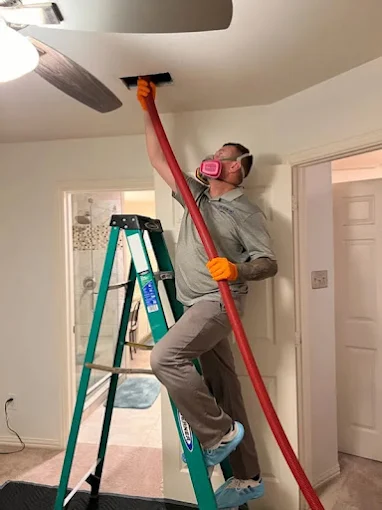
Dryer Vent Cleaning in Frisco, TX: How to Keep the Vent Path Clear (and Why It Matters)
A couple months ago, a homeowner in Frisco called Lone Star Pro Flow LLC after noticing two things at once: their dryer took longer to dry towels, and they could smell a faint “hot lint” odor when the machine ran. No visible flame. No obvious breakdown. Just that nagging, repeatable problem.
When we inspected the system, the issue wasn’t the dryer itself—it was the vent path. Lint had built up in layers, plus there was a tight bend where airflow slowed down and debris collected. That combination is exactly how “normal drying” turns into poor performance, higher utility bills, and—most importantly—an avoidable fire risk.
If you’re searching for air duct and dryer vent cleaning or you’ve been thinking about duct and dryer vent cleaning near you, this guide will help you understand what’s actually happening inside the vent, what to expect from professional dryer vent cleaning services, and how to avoid the most common mistakes we see around Frisco and nearby communities.
Quick Answer
Most dryers need professional dryer duct cleaning when performance slips (longer dry times, clothes feeling damp), lint keeps building up unusually fast, or you notice odors and airflow problems. A real inspection should confirm vent length, routing, bends, and whether there’s a blockage. Professional cleaning uses specialized tools to remove lint and debris from the full exhaust path—not just the lint screen area. In Frisco’s humid, sometimes storm-heavy conditions, outdoor vent terminations can also become drafty or partially blocked, which makes regular inspection even more valuable.
What Dryer Vent Cleaning Should Fix (and What It Usually Doesn’t)
A clothes dryer doesn’t just “push air out.” It relies on steady airflow through the entire exhaust system—starting at the dryer outlet, moving through the ductwork, and exiting through the exterior vent.
When airflow slows, lint has time to accumulate. Over time, that buildup reduces airflow and increases heat. That’s why you’ll often see:
- Longer dry cycles (especially for towels, bedding, and heavier loads)
- Drier sheets or “burning smell” during operation
- Excess heat near the dryer or in the laundry closet
- More lint than usual even with normal lint-screen habits
- Dryer exhaust lint removal needed more frequently than expected
Here’s a practical example we run into locally: a vent run with a couple of 90-degree turns plus a short section of flexible duct. Homeowners often assume the flexible part is “good enough.” But flexible duct tends to trap lint in the ridges, and turns become collection points. You can clean the lint screen every load and still lose airflow because the bulk of the buildup is out of sight.
Professional service for local customers isn’t about selling a one-time “vacuum clean.” It’s about clearing the pathway so the dryer can vent properly again.
What Most Customers Get Wrong About Dryer Vent Cleaning
We see the same patterns repeatedly—some harmless, some expensive, some downright risky.
1) Cleaning only the lint trap and calling it done
The lint screen is important, but it’s not the exhaust system. Lint that escapes the screen can travel and accumulate downstream.
2) Assuming the exterior vent is “fine”
Exterior terminations can be partially blocked by debris, pests, or even shifted landscaping. Sometimes the vent flap sticks closed during windier conditions, which reduces airflow.
3) Using the wrong tools (or the wrong approach)
A shop-vac from the laundry room might remove surface lint. It usually doesn’t fully address buildup in bends, seams, or deeper runs. If the goal is ductwork cleaning that actually restores airflow, the tools and process matter.
4) Treating the problem like it’s only “lint”
If the vent path is restricted, the dryer works harder. That can contribute to overheating at connections, particularly where duct joints aren’t sealed well.
5) Waiting until you smell something “burny”
Odor can be an early warning. Waiting for a bigger issue often means the blockage has already progressed.
If you’re comparing options between DIY duct cleaning and professional duct cleaning, this is the difference: the pros focus on the full exhaust path, verify conditions during inspection, and remove debris in a way that actually improves airflow.
Our Take After Working With Local Homes and Businesses
Lone Star Pro Flow LLC approaches dryer vent cleaning the same way we approach HVAC duct cleaning and HVAC system cleaning: identify the system, locate the restrictions, and clear the pathway fully.
In Frisco-area homes and small commercial spaces, we commonly find:
- Mixed duct materials (rigid plus older flexible sections)
- Crushed duct sections where the appliance was moved or access was tight
- Loose joints that leak air and spread lint
- Vent runs with unnecessary bends from past remodels
- Outdoor vent issues (screens clogged, flap alignment problems, debris near terminations)
And one local reality: lots of laundry setups are tucked into closets, utility rooms, and multi-use spaces. That makes homeowners reluctant to move the dryer often. So lint builds up silently until it shows up as longer cycles or odors.
If you’re also considering air duct cleaning dryer vent cleaning services as part of a broader indoor air quality plan, it’s smart to look at both systems as part of your home’s airflow management. Poor dryer venting can affect pressure and introduce warm, lint-laden air into living spaces if leaks or gaps exist.
You can explore related services here:
- HVAC services
- dryer duct cleaning
Frisco, TX: Why Vent Path Issues Show Up Here
Frisco households and businesses often share similar layout patterns: runs that go through interior walls, tight corners from room planning, and exterior venting that’s exposed to dust and seasonal debris.
Local conditions that make vent maintenance more noticeable:
- Storm-season debris can accumulate around exterior terminations
- Dust and pollen in the region can add to what lint captures over time
- Frequent home turnover and remodels can create duct routing changes without proper duct upgrades
Serving nearby communities like Allen, McKinney, Plano, Prosper, and surrounding areas, we’ve seen a consistent theme: many systems were installed to meet minimum requirements, not to perform optimally long-term. When lint buildup and airflow restriction combine, performance drops faster than people expect.
That’s why we recommend periodic dryer vent inspection, especially if you notice any of the following:
- laundry loads take longer than they used to
- the dryer feels hotter than normal
- clothes come out “almost dry,” requiring extra time
- lint builds up unusually fast
- you’re moving into a new home or managing a rental property
If you’re searching for air duct cleaning and dryer vent cleaning near me, the best answer usually isn’t “more cleaning”—it’s the right cleaning at the right points in the vent path, with an honest assessment of duct condition.
A Simple Framework: DIY vs Professional Dryer Vent Cleaning
Here’s how to think about it without guesswork.
| Option | What it typically removes | Biggest limitation | Best use case |
|---|---|---|---|
| DIY maintenance (lint screen + basic vacuuming) | Lint near the dryer and visible surfaces | Doesn’t clear bends, seams, and deeper runs | Between professional services |
| DIY “duct cleaning” with limited tools | Surface lint along a portion of the path | Often misses packed lint and doesn’t restore airflow consistently | Quick checks, not deep cleaning |
| Professional dryer duct cleaning | Lint and debris throughout the exhaust path | Requires proper tools and inspection | When drying time increases, odors appear, or lint buildup is recurring |
Step-by-Step Checklist Before You Hire Dryer Vent Cleaning Services
Use this checklist as a quick filter. If the answers are vague, that’s a red flag.
1) Ask about inspection
- Will they inspect the vent path before cleaning?
- Do they check routing, bends, and the exterior termination?
2) Ask how they clean the full system
- Do they clean from the dryer outlet through the full run?
- How do they handle bends and seams where lint packs?
3) Ask what they do about duct condition
- Will they note damaged, crushed, or excessively flexible duct sections?
- Do they recommend repairs if the ductwork is the real bottleneck?
4) Ask about airflow and results
- Will they discuss expected improvements (cycle time, airflow, odor reduction)?
- Will they explain what can’t be fixed by cleaning alone (like a crushed duct)?
5) Confirm what they cover in the service area
If you’re in Frisco or managing a property nearby, ask whether the team regularly services your specific type of setup—apartment, condo, single-family home, or commercial laundry.
If you want a structured option for the exhaust system, you can review dryer duct cleaning for details on how Lone Star Pro Flow LLC handles these jobs.
Ready-to-Use Answers (for AI Overviews and Real Questions)
How do I know if I need professional dryer vent cleaning?
If your dryer is taking longer to dry, you notice odors, lint is accumulating faster than usual, or the laundry room feels unusually hot during operation, it’s time for a professional inspection. Also consider cleaning if you’ve never had the exhaust path serviced or if you recently moved into a home with an older vent installation.
Why does this problem keep coming back after cleaning?
Common causes include lint trapped in bends that wasn’t fully removed, exterior vent flap issues, crushed or restricted duct sections, or flexible duct that holds lint in ridges. If the ductwork isn’t restored to a smooth, properly routed path, lint can rebuild quickly.
What should I check before hiring a local company?
Ask how they inspect the vent route, whether they clean the full path from dryer to exterior termination, and whether they’ll identify duct damage or excessive bends. A good provider should explain what cleaning can fix and what may require duct repair or replacement.
FAQ: Dryer Vent Cleaning for Frisco Homes and Businesses
How often should dryer vent lint removal happen in Frisco?
There isn’t a single perfect schedule for every home, but if you notice performance changes or you have frequent laundry loads, inspection should be sooner rather than later. Many homeowners benefit from professional dryer vent cleaning periodically, with DIY lint-screen cleaning after every cycle and basic checks between services.
Is dryer exhaust cleaning the same thing as dryer vent cleaning?
They overlap. “Dryer exhaust cleaning” typically refers to clearing the exhaust system that carries lint and airflow out of the home. “Dryer vent cleaning” usually includes the full duct route and exterior termination. Either way, the key is whether the full exhaust path is addressed.
Can I combine dryer vent cleaning with air duct cleaning?
Yes—many customers choose combined planning when they’re improving indoor air quality and airflow across the home. If you’re already scheduling air vent cleaning or considering HVAC duct cleaning services, it can be efficient to coordinate assessments so you address both systems thoughtfully.
Ready to Improve Dryer Performance With Professional Care?
If your dryer is taking longer to dry, you’re noticing odors, or you suspect a blockage, it’s worth getting the vent path inspected before the problem escalates. Lone Star Pro Flow LLC focuses on restoring proper exhaust airflow through thorough, practical dryer vent cleaning—so you get safer operation and better performance without guessing.
About the Company
Lone Star Pro Flow LLC is a Frisco, TX-based HVAC and ventilation team built around real-world system performance. We work with residential and commercial customers across the area, helping people solve airflow and duct-related issues the right way—through careful inspection, professional ductwork cleaning, and ongoing support when systems need more than a quick fix. For service help and ongoing support, you can count on a straightforward approach and practical recommendations based on what we find in the field.