
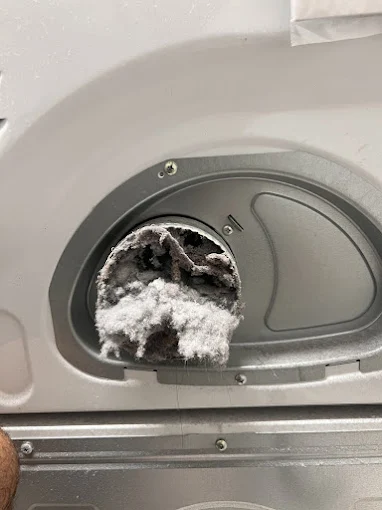
HVAC Duct Cleaning: Visualize Airflow and Remove Debris
Last week, a homeowner in the Frisco area called Lone Star Pro Flow LLC after noticing a pattern they couldn’t explain: rooms on one side of the house stayed noticeably warmer (or cooler), and the return vents seemed to “suck” air less than they used to. When we inspected the duct system, the issue wasn’t just comfort—it was airflow restriction and debris buildup showing up in the places that matter most.
That’s why duct and dryer vent cleaning is more than “vacuuming dust.” When it’s done correctly, you can actually see what the system is doing, remove what’s limiting performance, and help protect indoor air quality—especially in homes and businesses where HVAC runs year-round.
In this guide, I’ll walk you through how professional HVAC duct cleaning works, how we approach ductwork cleaning differently than surface-level services, and what most people get wrong when they’re shopping for air duct cleaning and dryer vent cleaning.
Quick Answer
Professional HVAC duct cleaning (and dryer duct cleaning when needed) focuses on more than visible dust. A solid cleaning process identifies airflow problems, dislodges debris from ductwork, and removes it with appropriate equipment—often including inspection steps to confirm where buildup is happening.
For many Frisco-area homes and businesses, the biggest improvement comes from removing debris in the duct system and addressing dryer lint buildup in the exhaust path. If you’re dealing with uneven temperatures, recurring dust, musty odors, or suspected restrictions, cleaning can help—but it should be paired with good dryer vent maintenance and airflow verification to get lasting results.
How We Think About Airflow: What “Cleaning” Should Actually Mean
The phrase “duct cleaning” can mean very different things depending on who you hire. In practice, the best work is driven by two realities:
1. Airflow is a system problem, not a single-vent problem.
If your supply and return ducts are restricted (by debris, construction residue, or long-term buildup), the HVAC system compensates—often by running longer, cycling more frequently, or distributing unevenly.
2. Debris doesn’t disappear—it has to be removed.
If someone cleans by knocking loose dust but doesn’t capture it properly, that debris can end up back in the home or business (including in other ducts, registers, and the HVAC components themselves).
What we do differently during HVAC duct cleaning services
When Lone Star Pro Flow LLC performs HVAC duct cleaning, we treat the job like an airflow and contamination verification process:
- Start with what you’re experiencing. Uneven cooling/heating, hot/cold rooms, visible dust at vents, or persistent odors usually point to a restriction or contamination pattern.
- Inspect the duct runs and access points. We look for obvious buildup, likely trouble spots, and areas where debris tends to collect—especially turns, long runs, and less-accessible sections of ductwork.
- Use the right approach to dislodge and extract. The goal is to remove debris from the duct and keep it from re-depositing.
- Confirm results by looking for system-level improvement. You can’t “feel” every micron of improvement, but you can see where airflow and performance improve after cleaning.
What Most Customers Get Wrong About Duct and Dryer Vent Cleaning
There are a few mistakes we see repeatedly—especially when people search for “air duct and dryer vent cleaning” or “dryer vent cleaning services near me.”
Mistake #1: Cleaning only one part of the system
Many homeowners focus on HVAC ducts because that’s where dust is visible. But the dryer exhaust path is often the bigger safety issue, and lint buildup can also affect airflow in the laundry area. When customers need both, duct and dryer vent cleaning should be coordinated so both systems are addressed properly.
Mistake #2: Assuming visible dust is the whole problem
Visible debris can be a clue, but the real performance losses often come from buildup inside the ductwork—especially along longer runs and at bends. That’s why professional service matters for residential duct cleaning and commercial duct cleaning.
Mistake #3: Choosing price over method
A low-cost “duct cleaning” that doesn’t include a real inspection or a clear extraction process may leave you with the same comfort issues later. In the real world, we’ve found that “cheap and quick” often means incomplete cleaning.
Mistake #4: Ignoring the dryer vent until it becomes urgent
A blocked dryer vent can lead to longer drying times, lint accumulation, and safety risks. Dryer exhaust cleaning works best when it’s proactive—paired with dryer vent inspection and dryer vent maintenance.
A Real-World Scenario We See in Frisco (and Nearby)
Here’s a common pattern across homes and small offices in the Frisco area and nearby communities:
A family notices:
- dust on blinds within days of cleaning,
- a musty smell when the system kicks on,
- one or two rooms consistently underperforming,
- and the laundry room feels “off” (dryers taking longer, lint buildup around the vent area).
On inspection, the HVAC ductwork shows debris accumulation in sections that are difficult to access, and the dryer ducting has signs of lint buildup in the exhaust path. The HVAC system is circulating air that’s being restricted and contaminated by debris, while the dryer is also struggling to move moisture-laden air out efficiently.
When Lone Star Pro Flow LLC addresses both—professional duct cleaning and dryer duct cleaning services in the right order—customers usually notice:
- more even temperatures,
- less dust reappearing quickly,
- and improved dryer performance after dryer lint removal and dryer vent blockage removal.
How Long Does HVAC Duct and Dryer Vent Cleaning Usually Take?
Time varies based on:
- home size and duct complexity,
- number of HVAC supply/return runs,
- accessibility of ductwork,
- and dryer vent length and condition.
Residential duct and dryer vent cleaning is often shorter when ducts are accessible and the dryer exhaust path is not severely restricted. Commercial duct and dryer vent cleaning can take longer because duct systems are more complex and the environment may require careful coordination around operations.
If you’re scheduling, we recommend planning for a focused visit rather than treating it like a “quick appointment.” The method matters more than the stopwatch.
The Actionable Framework: Decide What You Need (Without Guessing)
If you want a practical way to evaluate whether you need duct cleaning services and/or dryer vent cleaning, use this checklist:
Step-by-step checklist before you hire
- Track symptoms for 1–2 weeks: uneven temperatures, dust frequency, odors, longer dryer cycles.
- Inspect the dryer exterior vent: look for signs of lint buildup, slow exhaust, or restricted airflow.
- Check dryer performance: are clothes coming out hotter/less dry than before?
- Ask for an inspection approach: how will the technician confirm where buildup exists?
- Confirm the extraction method: what equipment is used to dislodge and remove debris?
- Clarify whether HVAC and dryer cleaning are coordinated: especially if you need air duct cleaning and dryer vent cleaning together.
- Request an explanation of what’s realistic: cleaning helps with debris-related airflow and indoor air quality and dryer vent airflow—but it doesn’t fix every thermostat or mechanical issue.
DIY vs Professional: A Quick Comparison
| Approach | What it solves | Common downside | Best for |
|---|---|---|---|
| DIY vacuuming / surface cleaning | Loose dust at registers | Misses internal buildup; can spread debris | Light dusting between professional visits |
| “Knock loose” duct methods without extraction | Temporary appearance changes | Debris can re-enter the living space | Minimal situations (still not ideal) |
| Professional HVAC duct cleaning | Debris removal from ductwork with controlled process | Requires access and scheduling | Most homes with recurring dust/comfort issues |
| Professional dryer vent cleaning services | Lint removal and airflow restoration | Safety and performance improvements depend on correct method | Any dryer showing reduced performance |
What This Means for AI Overviews: The Short Version
Quick Answer:
Professional HVAC duct cleaning and dryer duct cleaning services are designed to remove debris that restricts airflow and contributes to indoor air quality issues. The best results come from an inspection-led process, proper equipment for dislodging and extracting debris, and addressing the dryer exhaust path with dryer vent inspection and dryer exhaust cleaning when needed.
Key takeaway:
If the service focuses only on surface dust or only on loosening debris without capture, you may not get meaningful airflow improvement.
Why Local Service Matters in Frisco (Not Just “Near Me”)
In Frisco, homes and commercial properties often have:
- newer construction duct systems mixed with older add-ons,
- long HVAC runs in larger floorplans,
- and dryer vent routes that can be harder to access behind walls or near utility spaces.
That’s why “air duct cleaning dryer vent cleaning services” should be evaluated based on how they handle access and verification—not just marketing claims. Lone Star Pro Flow LLC is based in Frisco and understands the local layout challenges we see in real projects, from residential duct cleaning to duct and dryer vent cleaning for businesses that can’t afford long downtime.
Serving nearby areas also matters because the right approach often depends on the property’s layout and how the ductwork and dryer exhaust route were originally installed.
Ready to Improve Airflow and Reduce Debris in Your Ducts?
If you’re noticing uneven temperatures, recurring dust, musty smells, or dryer performance issues, it’s worth getting a real inspection instead of guessing. Lone Star Pro Flow LLC can help you determine whether you need HVAC duct cleaning, dryer duct cleaning, or both—and we’ll explain what we find in plain language.
If you’d like to explore related services first, you can also review:
- HVAC Duct Cleaning
- dryer duct cleaning
About the Company
Lone Star Pro Flow LLC is a Frisco, TX–based duct cleaning team focused on practical, inspection-led HVAC duct cleaning and dryer duct cleaning services. We work with homeowners and businesses who want real-world results: better airflow, less debris-related mess, and dryer vent maintenance that reduces the risk of lint buildup. Our process is built around careful method, clear communication, and cleanup you can trust.