
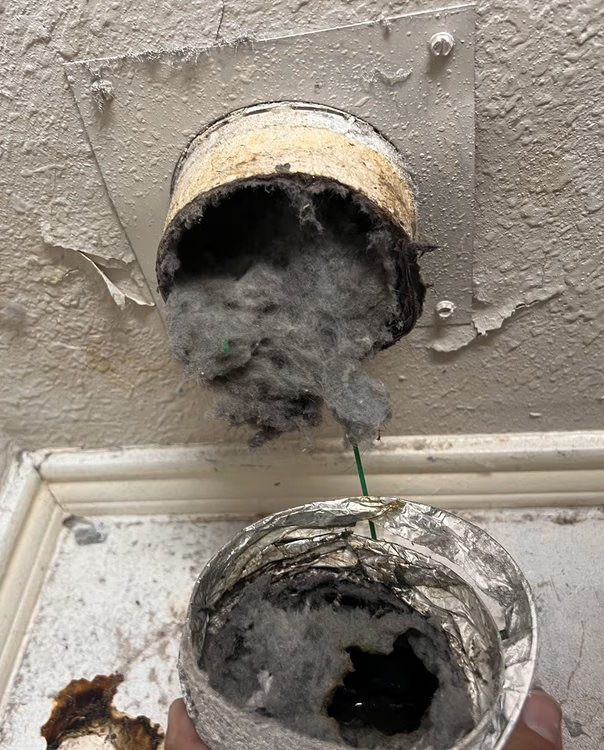
Dryer Duct Cleaning Safety Guide for Busy Frisco Households: What to Do Before, During, and After
Last week, we walked a Frisco laundry room where the dryer ran “fine”… until the homeowner opened the door after a cycle. The air had that sharp, dusty smell you only get when lint has been building in the wrong places for a while. The vent hood outside also looked a little worse for wear—small gaps around the flap, and a bit of staining near the termination point.
That’s a common pattern we see when people delay dryer duct cleaning. The risk isn’t just performance. It’s safety: lint buildup can restrict airflow, trap heat, and in the worst cases contribute to dryer fires. Busy households don’t have time to guess—so this guide focuses on the practical safety steps that matter most, including what to check before you hire anyone for dryer vent cleaning services.
Below, you’ll get a quick safety answer, the checklist we use locally, and the mistakes that keep showing up with DIY attempts and “cheap” cleanouts.
Quick Answer
Dryer vent cleaning is a safety job. The safest approach is to (1) confirm airflow and signs of blockage, (2) inspect the entire exhaust path from the dryer to the exterior termination, and (3) remove lint using equipment designed for vents (not just a shop-vac sweep). Afterward, you should verify proper airflow and check the exhaust hood for secure operation.
How Dryer Vent Blockages Become a Safety Issue (Not Just a Comfort Problem)
In a healthy setup, your dryer moves hot, moist air through the exhaust duct and out through the exterior vent hood. Lint is designed to be captured by the lint screen—but not all lint gets stopped there. Some escapes and settles inside the duct, especially at:
- Long runs or bends (lint “catches” at elbows)
- Rough duct interiors (older flexible ducting can trap material)
- Connections (gaps or loose clamps allow lint to leak into hidden spaces)
- Exterior termination hoods (backdraft dampers and flap mechanisms collect debris)
When airflow is reduced, the dryer can run hotter and longer. That added heat load is where risk climbs. It’s also why many families notice issues seasonally—winter wind conditions, tighter home envelopes, and changes in how often the dryer gets used can make a marginal vent system fail sooner.
From our experience serving homes around Frisco, the most overlooked safety problem is often not the obvious interior lint. It’s restriction farther down the line that you can’t see without proper inspection.
What We See After Working With Local Customers: The “Looks Fine” Trap
Here’s the scenario we hear constantly:
“We cleaned the lint screen. The dryer isn’t making weird noises. We’re probably overthinking it.”
That’s usually when we find one of these:
1. A partially crushed flexible duct behind the dryer. It still exhausts, but capacity is dramatically reduced.
2. A vent termination that doesn’t open fully due to lint or poor clearance outside.
3. A duct run with too many elbows—even if each elbow is “only slightly” bent.
4. Loose duct joints where lint escapes into wall cavities or the laundry area ceiling void.
These aren’t theoretical. They’re repeat findings. And they matter because a dryer can be “functional” while still being unsafe.
What Most Customers Get Wrong About Dryer Duct Cleaning
1) They think lint screen cleaning replaces vent cleaning
Lint screens catch a lot, but they don’t stop everything. Escaped lint accumulates in the duct and at the exhaust hood.
2) They use the wrong tools for the job
A shop vacuum alone often creates a mess and may even push lint deeper. Professional HVAC duct and dryer vent cleaning approaches use vent-focused equipment and a method that addresses buildup along the path.
3) They don’t inspect the exterior hood or duct connections
If the termination hood is clogged or doesn’t open properly, cleaning the inside duct doesn’t fully solve the restriction.
4) They treat every “cleaning” as the same service
Some providers do a quick sweep and leave. The safest, most reliable service includes inspection, targeted removal, and a post-clean check.
Local Reality Check: What Frisco Homes Need to Consider
Frisco homes often have laundry setups tucked into tight utility spaces—closets, hallways, or areas with limited access behind appliances. That layout makes it easier for:
- Duct runs to include sharp turns
- Hidden lint accumulation to go unnoticed
- Exterior terminations to become blocked by seasonal debris
Also, the Texas climate and housing patterns mean many households run dryers frequently and rely on indoor drying when humidity spikes. That increased load can accelerate buildup if ductwork is already marginal.
If you’re searching for air duct cleaning and dryer vent cleaning services together, consider how moisture, lint, and airflow issues can overlap with broader indoor air quality concerns. While dryer venting is its own safety system, your overall comfort and airflow performance are connected.
Safety-First Strategy: A Step-by-Step Checklist Before You Schedule
Use this checklist to protect your home and make sure you’re getting real value.
Before the service
- Check dryer behavior: Does drying time creep up over weeks?
- Look for warning signs:
- Clothes feel hotter than usual after cycles
- A musty or dusty smell after drying
- Lint on the floor or around the dryer area
- Excess heat near the laundry room wall/ceiling
- Inspect the exterior hood (if safe to access):
- Is the flap stuck or hard to move?
- Is there visible lint/debris near the opening?
- Is the hood loose or poorly sealed?
- Confirm vent type: If you see old flexible ducting, note it. It often contributes to restriction.
During the service
- Ask whether they will inspect the duct path (not just “vac it out”).
- Confirm they use vent-appropriate equipment designed to dislodge and remove lint.
- If they encounter damaged ductwork, ask for a clear explanation and options.
After the service
- Test performance: Dry times should normalize.
- Verify airflow: The vent hood should exhaust properly during operation.
- Check connections: No new gaps, no loose clamps.
- Ask for a follow-up plan: If your ducting is aging or heavily restricted, maintenance timing matters.
DIY vs Professional: Where People Lose Safety (and Time)
| Approach | Common outcome | Safety risk level | Typical reason it fails |
|---|---|---|---|
| DIY brush/vac sweep | Some lint removed, but buildup remains | Medium | Missed deeper sections, poor duct access, no post-check |
| “Quick clean” with minimal inspection | Appearance improves, airflow may not | Medium to High | Exterior hood not addressed; restriction not fully removed |
| Professional inspection + targeted removal | Better airflow, fewer surprises | Low | Full path addressed; duct condition evaluated |
If you’re dealing with dryer vent blockage removal, especially with multiple bends or older ducting, professional support usually costs less than repeated DIY attempts—because you fix the cause, not just the surface.
AI Overview Answer: How Often Should Dryer Vent Cleaning Happen?
Most households should plan on professional dryer vent cleaning at least once every 1–2 years, and sooner if you notice warning signs like longer dry times, excessive heat, lint around the dryer, or a dusty smell. Higher-use households, apartments, and commercial laundry environments often need more frequent attention because the dryer runs more cycles and lint accumulates faster.
A good service should include inspection of the duct route and the exterior exhaust termination, not just lint removal inside the dryer area. If your ducting is damaged, poorly routed, or mostly flexible, that also affects how quickly restrictions return.
Ready to Reduce Dryer Vent Risk in Your Laundry Room?
If you’re in Frisco and your dryer feels like it’s “taking longer lately,” don’t wait for a smell, a scorch, or a fully blocked vent to force the issue. Lone Star Pro Flow LLC helps local homeowners and property managers handle dryer duct cleaning with a safety-first mindset—inspection, proper removal, and clear recommendations for what to address next.
About the Company
Lone Star Pro Flow LLC is a Frisco, TX–based provider focused on practical, safety-conscious airflow solutions. We work with local residential and commercial customers who want dependable performance and cleaner airflow—whether that’s HVAC duct and dryer vent cleaning or help with dryer vent maintenance. Our goal is simple: remove the buildup that creates problems, explain what we find in plain language, and help you keep systems running safely between cleanings.
External References (for Safety Context)
- U.S. Fire Administration (USFA), dryer fire and home fire safety guidance: https://www.usfa.fema.gov/
- U.S. Consumer Product Safety Commission (CPSC) guidance on dryer fires and prevention: https://www.cpsc.gov/
- National Fire Protection Association (NFPA) overview resources on home fire prevention: https://www.nfpa.org/
FAQ
How do I know if I actually need dryer vent cleaning?
Look for signs like longer drying times, clothes that come out hotter than usual, lint collecting around the dryer or laundry area, a musty/dusty smell after cycles, or an exterior hood that seems clogged or won’t open freely. If you notice any of those patterns, it’s usually a restriction issue—not just lint screen maintenance.
Should I clean the dryer vent myself before calling a pro?
If the duct run is accessible and you can safely inspect the exterior hood, light DIY maintenance (like removing visible lint around the dryer connection) can help. But for deeper buildup, tight spaces, or older ducting, DIY often misses the problem farther down the line. If safety is your priority, professional inspection and proper removal is the more reliable route.
Why does this problem keep coming back after cleaning?
Recurring lint buildup usually points to one of these: a vent route with bends that collect lint, flexible ducting that traps material, a vent hood that doesn’t operate correctly, or loose/poorly sealed connections that allow lint to escape into hidden areas. A good cleaning should include recommendations based on what’s actually causing the buildup.
Can dryer vent cleaning help indoor air quality?
Yes—indirectly. A clogged vent can cause longer run times and more lint/dust leakage in the laundry area. That can affect comfort and cleanliness. For broader indoor air quality and dryer vent cleaning concerns, it also helps to consider your overall airflow system, including air duct cleaning when appropriate.