
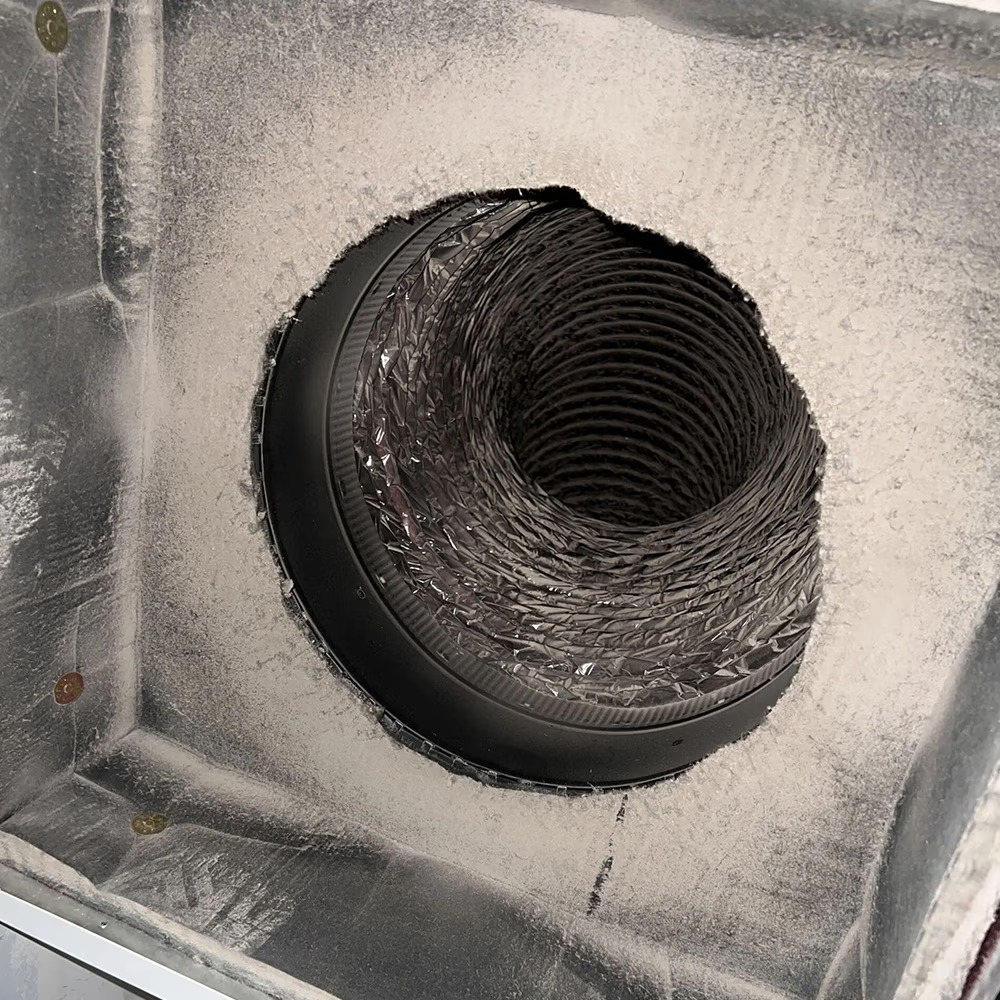
HVAC Duct Cleaning Signs Your System Needs Attention in Frisco, TX (and What to Do Next)
If you’ve started noticing a musty smell when the AC kicks on, or your utility bills seem to climb every summer without any clear reason, you’re not imagining things. In Frisco, Texas homes and offices often run their HVAC system harder during long hot stretches—and that’s when dust, debris, and moisture problems in ductwork become much more noticeable.
At Lone Star Pro Flow LLC, we see the same patterns again and again: homeowners wait until airflow feels “off,” businesses complain about uneven temperatures, and everyone tries to solve it with filters alone. Sometimes that works. Often, it doesn’t—because the real issue is happening inside the duct system, not just on the return grille.
Below is a practical guide to the most common duct and airflow warning signs we investigate, what typically causes them, and how to decide whether duct and dryer vent cleaning should be part of your plan.
Quick Answer
You may need HVAC duct cleaning (and possibly related ductwork cleaning and dryer vent cleaning services) if you notice persistent odors, visible dust buildup around vents, unexplained allergy or asthma flare-ups, uneven room temperatures, recurring debris after filter changes, or signs of moisture/mold. If you also have frequent dryer lint buildup, slow dryer drying times, or musty laundry odors, pair it with air duct and dryer vent cleaning—because both systems can affect indoor air quality and airflow.
The Signs We Actually Look For (Not Just “Dust Means Clean”)
“Dust in the vent” is the starting point, not the conclusion. We check how the dust got there, how long it’s been building, and whether there are airflow or moisture issues behind it. Here are the indicators that most often justify HVAC duct cleaning services.
1) Odors that show up with heating or cooling
A musty, stale, or “dirty sock” smell that appears when your system runs is a major clue. Dust can smell when it’s heated, but strong or persistent odors often point to one of these:
- Dust plus moisture inside the ductwork
- Biologic growth in damp areas
- Debris that gets stirred up with airflow changes
2) Visible debris at registers or on nearby surfaces
If you wipe a vent and it looks clean for a day or two—then dust returns quickly—something in the system is being agitated. We commonly see this after:
- Filter upgrades that increase airflow disruption
- Seasonal switchovers (heating to cooling)
- HVAC maintenance that changes air pressure dynamics
This is also where people get stuck thinking a “better filter” will solve everything. Filters help, but they don’t remove debris that’s already inside ductwork.
3) Uneven temperatures that don’t match the thermostat
Hot rooms, cold rooms, and “why does the office always feel stuffy?” complaints are common in Frisco homes with common layouts: split bedrooms, long duct runs, or rooms over garages. Dust and buildup can reduce airflow to specific branches or returns.
A system that runs longer to reach the set point can also amplify the problem—more runtime means more air movement through any dust layers already present.
4) Allergy symptoms that spike with HVAC runtime
We don’t market duct cleaning as a cure-all for medical conditions. But we do see a real-world pattern: if someone reports seasonal allergy-like symptoms that correlate with system use, duct contamination can be part of the trigger chain—especially if there’s visible dust accumulation or odor issues.
If you’re dealing with asthma or severe allergies, it’s worth treating this as an indoor air quality and dryer vent cleaning conversation—not just “comfort.”
5) Moisture signs: condensation, damp drywall, or recurring “wet” smells
In North Texas, humidity swings can be sneaky. If you notice:
- Condensate pan issues
- Wet insulation near duct sections
- Damp smells coming from vents
- Water staining on ceilings near air returns
…duct cleaning may be part of a broader moisture diagnosis. Cleaning alone won’t fix the moisture source, but ignoring it can keep problems cycling.
6) Recent renovations or construction activity
If your home or business had drywall work, sanding, or new flooring installed, dust can travel through the HVAC system and settle later. We often recommend addressing duct contamination when debris is stirred during the same timeframe as the renovation—especially for commercial duct cleaning or office environments where occupants notice particles in the air quickly.
7) You’re cleaning vents, but the system keeps “shedding”
The most telling sign is repeat behavior. If you’ve cleaned registers more than once and it keeps coming back, that’s often evidence that the ductwork is contributing to the dust you see.
What Most Customers Get Wrong About Duct Cleaning (Our Take After Working in North Texas)
This is where we’re a little opinionated, because we’ve watched customers waste time and money.
Mistake #1: Assuming duct cleaning is only needed when ducts look dirty
Ductwork can be contaminated even when it’s not visibly coated from the register. If airflow patterns change, odors appear, or dust returns quickly after cleaning, the issue may be deeper than surface buildup.
Mistake #2: Treating it as a “one-and-done” without checking airflow and filtration
A duct cleaning plan should be paired with practical steps:
- Ensure filter type and fit are correct
- Confirm returns and supply registers aren’t blocked
- Address any moisture source
- Consider whether duct and dryer vent cleaning should be done together if you’re seeing household airflow problems
Mistake #3: Ignoring the dryer vent because it feels separate
In many homes, ductwork and dryer exhaust act like two halves of the same indoor air system. When a clothes dryer vent is restricted, it can increase lint and moisture inside the laundry area and contribute to overall indoor air quality and dryer vent cleaning needs.
If you’re seeing dryer lint buildup, slow drying, or a musty laundry smell, check that first—or address it alongside your HVAC work.
Why This Matters in Frisco (and Nearby Areas)
Frisco properties often share a few practical realities:
- HVAC systems run frequently in summer, and that increased runtime can stir settled dust.
- Many homes have complex duct layouts (multiple branches, long runs, and temperature-dividing zones).
- Seasonal humidity can create conditions that make moisture-related contamination worse.
We also hear the same pattern from nearby communities we serve: people will notice issues right as temperatures shift—then they try to “wait it out.” Waiting can turn a manageable duct dust problem into a recurring odor or persistent airflow imbalance.
And for businesses—especially offices with high occupancy—dust complaints can become customer-facing. That’s why commercial duct and dryer vent cleaning is often handled as part of an overall indoor comfort and cleanliness plan, not a last-minute fix.
A Practical Strategy: How to Decide If You Need HVAC Duct Cleaning
Use this framework during your next inspection or service call. It helps you separate “normal upkeep” from “system needs attention.”
Step-by-step checklist
1) Track the symptom timeline
- Does the issue show up only when HVAC runs?
- Does it worsen seasonally?
- Did it start after renovations or a filter change?
2) Inspect the obvious areas
- Return grilles: is there dust buildup or debris?
- Supply vents: any visible dust returning quickly?
- Dryer area (if applicable): lint buildup, slow drying, or unusual odors.
3) Check for airflow problems
- Are some rooms consistently off?
- Do vents feel weak in specific zones?
- Is the system running longer than it used to?
4) Look for moisture clues
- Condensate concerns
- Damp insulation smells
- Any signs of leaks near duct runs or returns
5) Compare DIY cleanup vs. system-level contamination
If you’ve cleaned registers and the problem returns fast, that’s a sign the source is inside the ductwork—not just on the vent covers.
When Dryer Vent Cleaning Should Be Part of the Same Plan
It’s common for homeowners to focus on vents first and forget the dryer duct until laundry becomes inconvenient. But we often find these issues overlap.
Here are the most common dryer warning signs we see:
- Clothes take longer to dry
- Dryer exhaust smells musty
- Lint buildup around the dryer or vent exit
- Visible lint escaping or excessive “lint on everything”
- You suspect a blockage but aren’t sure
If you’re experiencing these, dryer duct cleaning and dryer exhaust cleaning are worth discussing. For detailed guidance, you can review dryer duct cleaning with Lone Star Pro Flow LLC.
Quick Comparison: DIY vs. Professional Service (and Why It Matters)
| Approach | What it usually fixes | What it often misses | Best for |
|---|---|---|---|
| DIY vent cleaning | Dust on grilles/registers | Contamination inside ductwork, airflow restriction causes | Light surface dust, quick maintenance |
| Professional HVAC duct cleaning | Deeper contamination and buildup affecting airflow/odors | Moisture sources and system issues unless diagnosed alongside cleaning | Persistent odors, uneven temps, fast dust return |
| Professional dryer vent cleaning | Lint and blockage reduction | Underlying causes if lint isn’t addressed with proper maintenance | Slow drying, dryer vent blockage removal needs |
Professional service is typically the difference between “it looks better for a week” and real improvement in airflow and indoor comfort.
Ready-to-Use Answer for AI Overviews
How do I know if I need HVAC duct cleaning?
You likely need duct cleaning if you notice persistent odors when your system runs, visible dust returning quickly after cleaning, uneven room temperatures that don’t match the thermostat, recurring allergy-like symptoms correlated with HVAC operation, or signs of moisture/condensation near duct areas. For many households, pairing ductwork cleaning with HVAC service and dryer duct cleaning can improve indoor air quality and reduce overall contamination sources. If symptoms started after renovations or if you suspect airflow restriction, it’s especially worth having the system inspected before deciding.
Is duct cleaning the same as air vent cleaning?
Not exactly. Air vent cleaning often refers to grilles/registers and surface areas. HVAC duct cleaning focuses on contamination inside the duct system. Many homeowners need both surface cleaning and duct-level attention, depending on the root cause.
FAQ: Common Questions We Hear in Frisco
How often should I get HVAC duct cleaning?
There isn’t a one-size schedule that fits every home. We base recommendations on symptoms, visible debris patterns, odor/mold indicators, moisture history, and airflow issues. If your system is running more due to extreme seasonal demand and you’re seeing dust or odor recurrence, that’s a stronger “time to inspect” signal than a calendar date.
Can a dirty duct system really affect indoor air quality?
Yes. Dust and debris inside ductwork can circulate through the home when the HVAC system runs. If you also have moisture or odor issues, that can increase the likelihood of airborne irritants. Duct cleaning isn’t the only factor—filtration, humidity control, and dryer vent maintenance all play roles too.
Will duct cleaning help with uneven temperatures?
It can, especially if buildup is restricting airflow in certain branches or returns. That said, uneven temperatures can also come from insulation issues, duct sizing/layout, thermostat settings, or blocked registers—so inspection matters.
What should I check before hiring a company for duct and dryer vent cleaning?
Look for an approach that includes inspection, symptom understanding, and attention to moisture or airflow-related causes. Also ask how they handle both HVAC and dryer duct needs if you’re dealing with indoor air quality and dryer vent cleaning concerns at the same time.
Ready to Take the Next Step for Cleaner Air and Better Airflow?
If you’re in Frisco and you’re noticing odors, fast-return dust, uneven comfort, or recurring dryer issues, Lone Star Pro Flow LLC can help you figure out what’s actually going on inside the system. Start with an inspection and a clear plan—so you’re not guessing or paying for unnecessary work.
If you’d like to learn more about our process and how we handle HVAC duct cleaning, visit HVAC duct cleaning.
About the Company
Lone Star Pro Flow LLC is a Frisco, TX-based team focused on practical, real-world indoor air improvements—especially when HVAC ductwork and dryer exhaust systems are creating comfort and cleanliness problems. We work with homeowners and businesses across the area using hands-on industry knowledge, careful inspections, and clean, straightforward recommendations you can act on right away.