
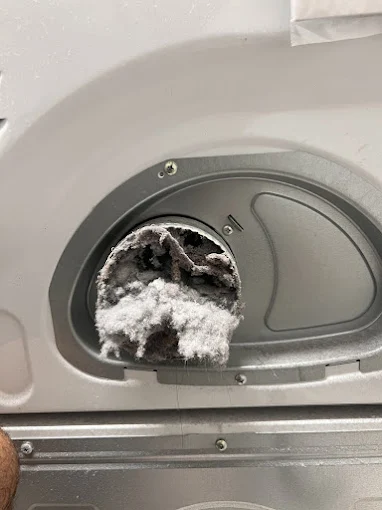
Dryer Duct Cleaning Optimization: How Lone Star Pro Flow LLC Improves Dryer Vent Performance in Frisco, TX
If your laundry room “still feels humid” after a load, or you notice longer dry times even though the dryer runs hot, you’re not imagining it. In Frisco homes and businesses, we often see the same culprit: lint and restriction inside the dryer exhaust path—sometimes mild, sometimes severe enough to change how the dryer performs.
At Lone Star Pro Flow LLC, we focus on dryer duct cleaning optimization, not just “getting lint out.” The goal is a dryer vent system that exhausts properly, dries faster, and stays safer. In this guide, I’ll explain what we look for in real installs around Frisco, TX, what most people and competitors miss, and how to plan cleaning and maintenance so performance doesn’t quietly slip again.
Quick Answer
A dryer vent system can lose efficiency long before it becomes a total blockage. The fix isn’t only removing lint—it’s cleaning the full exhaust route (from dryer to exterior termination), checking for improper vent materials/angles, verifying airflow after cleaning, and setting a maintenance cadence based on household or business usage. Professional dryer vent cleaning services also reduce the risk of overheating and help prevent recurring clogs that lead to longer dry times and indoor humidity.
What Actually Affects Dryer Efficiency (and Why Cleaning Alone Isn’t Always Enough)
I’ll start with what we observe during dryer duct cleaning calls. Lint buildup is the obvious issue, but it’s rarely the only one.
1) The restriction usually isn’t “at the dryer”
A lot of homeowners start with the lint trap and then assume the vent is fine if the trap is clean. The truth: most restrictions build up where airflow changes—like:
- tight bends near the dryer
- transitions from rigid to flexible duct
- sections that sag or create “low spots”
- long runs with multiple elbows
- exterior terminations that accumulate debris or get partially blocked
When you only clean the first reachable section, the rest of the path stays restricted. That’s why customers sometimes say, “We had it cleaned, but it didn’t fix the problem.”
2) Vent material and routing can sabotage performance
Around Frisco, many older installs use materials or routing that don’t hold up well over time. We commonly find:
- flexible duct that has been crushed or accordion-folded
- too many elbows reducing airflow
- duct runs that run close to attic insulation or create condensation points
- exterior vent caps that don’t open fully or are improperly installed
Cleaning helps, but if the system is built in a way that traps lint or restricts airflow, the problem tends to return faster.
3) Indoor humidity is a clue
If your dryer isn’t exhausting efficiently, moisture can linger in the laundry area—especially in homes with tight envelopes (common in newer Frisco subdivisions). That moisture doesn’t just feel uncomfortable; it can contribute to musty odors and higher indoor humidity.
What Most Customers Get Wrong About Dryer Vent Cleaning
Here are the mistakes we see repeatedly, including with companies that promise “quick vent cleaning.”
Mistake 1: Thinking lint trap cleaning equals vent maintenance
The lint trap catches only what’s already loose. The vent collects what escapes. Even with perfect lint-trap habits, dryer lint removal in the exhaust path is still needed.
Mistake 2: Assuming flexible duct is “good enough”
Flexible duct can be part of a system, but it must be installed correctly—stretched, not crushed, and not used where it creates sagging or severe bends. We often find damaged or poorly routed runs that look “fine” until you clean and then see airflow resistance.
Mistake 3: Hiring based on price alone (and skipping the inspection)
Some services focus on suctioning lint and leaving without checking:
- duct length and number of bends
- duct condition (holes, disconnected joints)
- exterior termination function
- airflow behavior after cleaning
If the goal is optimization, you need verification—not just extraction.
Mistake 4: Not accounting for business usage patterns
In commercial and multi-family settings, usage is heavier and more frequent. A schedule that works for a single household may not hold up. We see repeat issues when maintenance isn’t adjusted to actual load frequency.
Local Reality in Frisco: Why Vent Problems Show Up So Often Here
Frisco’s mix of newer construction and established neighborhoods changes what we see. In newer homes, vent systems can be installed with tighter clearances and longer duct runs hidden in walls or behind finished spaces. In older homes, you’ll more often find older materials, earlier duct designs, and routing that wasn’t optimized for today’s dryer performance.
For businesses, the pattern is different: higher throughput means lint accumulates faster, and small restrictions become bigger problems sooner. That’s why we approach HVAC duct and dryer vent cleaning coordination when relevant—airflow systems in the building affect how pressure and air movement behave, especially in larger spaces.
If you’re searching for “air duct cleaning and dryer vent cleaning near me” or “professional duct and dryer vent cleaning” in the area, it’s worth choosing someone who treats the dryer exhaust like a system with airflow targets, not a one-time cleanup.
Our Take After Working With Local Customers: What “Optimization” Means
“Optimizing” a dryer vent isn’t a buzzword. It’s a practical checklist we follow so the system performs consistently.
Here’s what we aim to confirm during service:
1. Full-path cleaning
We remove lint from the dryer-side interior and work through the duct route to the exterior termination.
2. Restriction awareness
We look for the points where lint tends to pack—bends, transitions, and low-sag areas.
3. Duct integrity and connection quality
Disconnected or damaged joints can leak lint and reduce effective exhaust.
4. Exterior termination behavior
If the outside cap doesn’t open properly or is partially blocked, the dryer will struggle even after cleaning.
5. Real-world performance outcomes
Customers should notice improved drying times and fewer signs of humidity buildup.
That’s also why we don’t treat every call the same. A light maintenance visit and a dryer exhaust cleaning repair-driven cleaning require different approaches and expectations.
Step-by-Step Strategy: Dryer Vent Inspection + Cleaning That Prevents Recurring Blockages
If you want the best results, use a framework that matches how the problem actually forms.
Step 1: Start with a quick performance assessment
Ask yourself:
- Are clothes taking longer than they used to?
- Do loads come out hotter than before?
- Is there a musty smell or increased humidity in the laundry area?
- Do you see lint accumulating around the dryer or near the vent termination?
Step 2: Visually check what you can reach safely
- Clean the lint trap and confirm airflow feels normal at the dryer outlet area.
- Check for obvious duct crushing, disconnections, or gaps.
- If accessible, look at the exterior vent opening for blockage or debris.
Step 3: Schedule a professional inspection if performance is slipping
This is where we differentiate. A proper dryer vent inspection includes checking the route and identifying likely restriction points—not just suctioning visible lint.
Step 4: Plan cleaning based on usage
A household with frequent large loads needs a different cadence than a low-usage residence. For businesses, consider a schedule tied to operating volume.
Step 5: Address the cause, not only the symptom
If we find routing problems (excess bends, crushed sections, improper materials), cleaning alone may not “stick.” Optimization often means minor duct corrections or recommendations that prevent rapid re-clogging.
DIY vs Professional: What’s the Real Difference?
| Approach | What it removes | What it usually misses | Best for |
|---|---|---|---|
| DIY lint trap + surface cleaning | Lint in the trap and easily reachable areas | Packed lint beyond the dryer, restrictive bends, exterior termination issues | Light maintenance between professional visits |
| Limited vacuum/small brush DIY | Some lint in accessible duct sections | Full-path restriction, duct integrity, airflow verification | Short, straight runs only (and still not always reliable) |
In practice, many “DIY fixes” reduce symptoms briefly but don’t restore consistent exhaust performance because the packed sections remain.
FAQ: Dryer Duct Cleaning Optimization in Frisco
How do I know if I need professional dryer vent cleaning?
If you notice longer drying times, clothes feel unusually hot, the laundry area gets more humid, or you smell mustiness during/after cycles, it’s time to inspect. Even if you clean the lint trap often, lint can still accumulate in the duct path and at bends and transitions. A professional professional dryer vent cleaning service can confirm whether restriction exists and where.
Why does lint keep coming back so fast after cleaning?
When lint returns quickly, it usually means the duct route still creates a trap for lint—crushed flexible duct, too many bends, sagging sections, or an exterior cap that restricts airflow. Cleaning helps, but optimization may require correcting routing or duct condition so airflow carries lint out instead of packing it in.
Should I combine dryer vent work with other duct services?
Sometimes it makes sense, especially in facilities managing multiple airflow systems. If you’re already planning air duct cleaning or HVAC duct cleaning services, coordinating schedules can reduce disruption. Just keep in mind dryer exhaust is a specific system with its own requirements—so the dryer vent path should be handled with dryer-focused process and tools.
How long does dryer duct cleaning usually take?
It depends on duct length, number of bends, access difficulty, and how restricted the system is. A straightforward route can be faster, while long runs behind walls or heavily restricted ductwork takes more time. During the inspection, we can give a realistic expectation based on what we find.
Ready to Improve Dryer Vent Performance in Frisco?
If your dryer is taking longer to dry, leaving clothes overly hot, or increasing humidity in the laundry room, it’s a strong sign your exhaust path needs optimization—not guesswork.
For a practical on-site assessment and full-path cleaning plan from a local team, reach out to Lone Star Pro Flow LLC through our service support page:
dryer duct cleaning
About the Company
Lone Star Pro Flow LLC is a Frisco, TX-based indoor airflow and cleaning specialist focused on practical results: better performance, cleaner systems, and fewer recurring issues. Our team brings real experience working with both residential and commercial setups, paying attention to airflow behavior, duct condition, and the details that determine whether cleaning lasts. If you’re looking for dryer vent lint removal and system-level dryer exhaust cleaning, we’ll help you choose the right next step based on what’s actually happening in your vent path.