
Seasonal Reset for Clean Air: HVAC Duct Cleaning and Dryer Vent Cleaning in Frisco, TX
Last week, a Frisco homeowner called Lone Star Pro Flow LLC because their upstairs bedrooms “felt stuffy” even with the AC running. The filter looked okay. The thermostat was fine. But when we inspected the return airflow and checked the ductwork connections, we found a mix of dust buildup and poor airflow at specific joints—exactly the kind of issue that can make air quality feel worse during the season transitions.
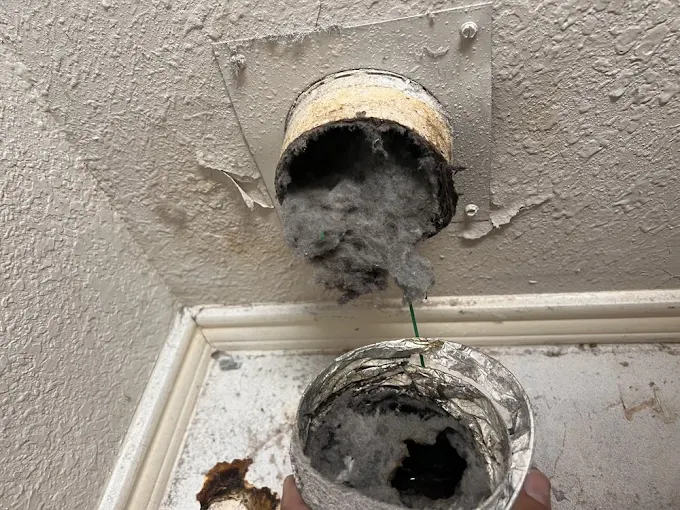
At the same time, their laundry area had the classic warning signs: longer drying times, lint collecting around the dryer, and a dryer vent that didn’t look like it had ever been cleaned. When HVAC duct cleaning and dryer duct cleaning are handled separately (or delayed), homeowners end up chasing symptoms instead of fixing the source.
In this guide, I’ll walk you through how to plan duct and dryer vent cleaning around the seasons in a way that actually prevents problems—especially in a place like Frisco where homes can swing from hot/humid to dry/cool quickly and where HVAC systems run hard.
Quick Answer
For most homes and businesses, the most effective “seasonal reset” is a planned schedule that matches system demand:
- Before peak cooling: prioritize HVAC duct cleaning if you’ve noticed dust buildup, odor changes, or airflow issues.
- Before peak heating: check heating duct cleaning needs and verify returns are pulling air properly.
- Year-round for laundry safety: schedule dryer vent cleaning based on dryer performance and lint accumulation—don’t wait for a blockage to show up.
- Best results come from pairing air duct cleaning and dryer vent cleaning so you’re improving indoor airflow while also reducing dryer-related airborne lint and exhaust restrictions.
If you’re searching for air duct cleaning and dryer vent cleaning near me in Frisco, TX, a professional inspection is the difference between guessing and fixing.
When HVAC Duct Cleaning and Dryer Vent Cleaning Belong Together
It’s tempting to think HVAC duct cleaning and dryer vent cleaning are unrelated. They are different systems—but they share a common outcome: airflow and airflow restrictions.
- HVAC ducts can accumulate dust, debris, and buildup over time. When airflow is restricted, your system may run longer, cycle more, and still not deliver comfort consistently.
- Dryer vents collect lint and lint residue. A restricted exhaust pathway can lead to longer dry cycles, overheating, and in severe cases, dangerous conditions.
Here’s the real-world pattern we see with local customers: people usually notice the HVAC issue first (“the house feels dusty”), but the dryer vent is often the bigger hidden risk. Or they notice dryer problems (“clothes take forever”), but they ignore what that means for humidity, lint, and indoor air balance.
When we address both, the home feels cleaner and the systems behave like they should.
What Most Customers Get Wrong About This
1) They clean the filter, but ignore the ductwork
A clean filter helps. But it doesn’t remove buildup inside ductwork cleaning areas, return pathways, or connections where dust can settle. Filters also don’t solve airflow leaks, compromised runs, or joints that collect debris.
2) They assume dryer vent cleaning is only “when it stops working”
Dryers don’t usually fail suddenly. They degrade gradually:
- longer drying times
- clothes coming out warmer than normal
- lint buildup near the dryer or vent opening
- musty odors from trapped moisture
- visible restrictions during a dryer vent inspection
By the time the blockage is obvious, the vent has already been operating inefficiently—and that’s when costs climb.
3) They hire based on price without verifying the process
Good professional duct and dryer vent cleaning includes inspection, proper technique, and verification. “We vacuumed something and left” is not the same as HVAC system cleaning and dryer exhaust cleaning done correctly.
4) They forget that seasonal transitions matter
In Frisco, you’ll often see quick shifts in humidity and temperature. That can change how airborne dust settles, how moisture behaves, and how noticeable airflow problems become. Waiting can turn a minor issue into a bigger one.
Our Take After Working With Local Customers in Frisco (and Nearby Communities)
Frisco homes tend to be well-insulated and tightly built. That’s a good thing—until airflow problems show up.
In practice, we often see:
- More noticeable dust patterns because air circulation changes when ducts are restricted.
- Dryer exhaust issues that start with performance but become indoor comfort problems (humidity, odors, lingering lint).
- Different needs across home types—single-family vs. multi-unit properties often have different vent runs and maintenance histories.
Whether you’re in Frisco or nearby communities such as those typically served by Lone Star Pro Flow LLC, the goal stays the same: match cleaning to how your systems behave locally, not just what a calendar says.
If your search includes duct and dryer vent cleaning in [City] style results, you’ll still want the same thing: an onsite look at your specific HVAC layout and dryer vent route.
A Local Scenario: The “Good AC, Still Dusty” Problem
One of the most common situations we handle looks like this:
- The homeowner replaces filters regularly.
- The AC cools, but rooms feel dusty or stale.
- The return vents look “mostly fine.”
- The dryer is slow, but the homeowner thinks that’s normal.
During inspection, we typically find at least one of these:
- Dust and debris buildup in areas that aren’t addressed by filter changes.
- Airflow that’s not distributed evenly through the system.
- Dryer lint residue along the path that reduces exhaust performance.
After cleaning and addressing the airflow restrictions, many customers report:
- improved comfort consistency
- less dust settling on surfaces
- dryers completing cycles more predictably
- fewer lingering odors in laundry areas
The key is that these systems affect each other indirectly through the home’s overall airflow and moisture balance.
Actionable Strategy: Your Seasonal Reset Plan (Clean Air + Safer Laundry)
Use this framework to plan HVAC duct cleaning services and dryer duct cleaning services without overpaying or waiting too long.
Step-by-Step Checklist
Before peak cooling (spring)
- Check HVAC performance: uneven cooling, unusual odors, or persistent dust.
- Look at return airflow: are returns pulling strongly and evenly?
- If you’ve had noticeable dust buildup or recent remodeling, schedule an HVAC inspection.
Before peak heating (fall)
- Confirm heating duct performance: cold rooms, inconsistent temperatures, or odors when heat turns on.
- Plan heating duct cleaning if you’ve seen dust accumulation or airflow issues.
Laundry safety check (any time you notice changes)
- If dry times increase, start there. Don’t wait.
- Inspect for lint around the dryer and vent opening.
- Schedule dryer vent cleaning if you suspect buildup, blockage risk, or poor exhaust.
Ongoing maintenance
- Keep the dryer lint removal routine consistent.
- Don’t use foil or non-rated vent materials.
- If you’ve got long vent runs or complex routing, plan sooner rather than later.
DIY vs Professional: What’s Actually Worth Paying For?
People often ask whether they should do duct cleaning themselves or hire out the work. Here’s the difference that matters in real homes.
| Situation | DIY approach | Professional approach |
|---|---|---|
| Lint in the dryer lint trap | Helps a little | Helps, but doesn’t remove vent buildup deeper in the run |
| Visible lint near dryer | Can reduce mess | Removes buildup that restricts exhaust and contributes to odors |
| HVAC dust complaints | Usually incomplete | Inspects airflow paths and addresses buildup and restrictions in the system |
| Time and access | Often limited | Technicians have the tools and method to reach what DIY can’t |
| Safety and verification | Hard to verify | Inspection and verification help confirm the result |
The short version: DIY can help with basics, but it rarely achieves the deeper airflow improvements that come from proper air vent cleaning and dryer exhaust vent cleaning.
How We Decide What You Need (AI Overview-Style)
Quick Answer: How do I know if I need HVAC duct and dryer vent cleaning?
You likely need professional HVAC duct and dryer vent cleaning if you notice one or more of these:
HVAC indicators
- rooms feel dusty or stale even with clean filters
- inconsistent airflow or uneven temperatures
- noticeable odors when the system runs
- visible dust near vents or returns
- recent renovations or heavy construction nearby
Dryer vent indicators
- clothes take longer to dry than they used to
- lint buildup around the dryer, vent hood, or exhaust points
- musty odors in laundry areas
- the vent hood doesn’t open strongly (or looks restricted)
- you suspect the vent route is long or has bends
What happens first?
Most jobs start with a dryer vent inspection and an HVAC airflow check. From there, Lone Star Pro Flow LLC determines the best scope for air duct cleaning services and air duct and dryer vent cleaning—without upselling unnecessary work.
What’s the best “timing”?
If you’re planning around seasons, aim for HVAC attention before major usage shifts (spring and fall) and schedule dryer cleaning based on performance and lint buildup. Dryer performance doesn’t wait for a calendar.
Common Mistakes Competitors Make (and How to Avoid Them)
1) Skipping inspection
You can’t reliably guess duct and vent buildup. A proper look prevents unnecessary work and ensures the right areas are addressed.
2) Treating dryer vents like they’re all the same
Vent length, routing, bends, and connection types change the risk level. One-size-fits-all cleaning doesn’t account for that.
3) Focusing only on one system
If you only address HVAC and ignore dryer issues, you may still deal with dust, odor, and airflow imbalance. If you only address dryer performance and ignore HVAC, you may still feel “stale” air.
4) Using the wrong materials or methods
Dryer vent performance depends on correct exhaust setup. If vent components aren’t appropriate, cleaning alone may not hold up.
Ready to Reset Your Home’s Airflow in Frisco?
If your HVAC feels inconsistent and your dryer seems to take longer than it used to, it’s a good time to plan a real HVAC vent cleaning and dryer vent cleaning services check—so you’re not chasing symptoms all season.
Lone Star Pro Flow LLC serves homeowners and businesses in Frisco, TX, and nearby areas, with practical, inspection-driven recommendations. The next step is simple: schedule an evaluation and let us tell you what’s actually going on in your ducts and dryer exhaust.
About the Company
Lone Star Pro Flow LLC is a Frisco, TX–based team focused on improving indoor comfort and dryer safety through professional cleaning and system-focused service. We’ve worked with local residential and commercial properties long enough to know what “normal” complaints usually hide—restricted airflow paths, buildup at connection points, and dryer vent restrictions that develop quietly over time. If you’re looking for dependable HVAC duct cleaning services and dryer duct cleaning done with care, you’re in the right place.
External References (Helpful Background)
- U.S. Fire Administration (dryer fires and prevention guidance): https://www.usfa.fema.gov/
- U.S. Department of Energy (home ventilation and indoor air considerations): https://www.energy.gov/
- EPA (indoor air quality overview and factors affecting it): https://www.epa.gov/indoor-air-quality-iaq
If you want, tell me whether you’re dealing with AC inconsistency, dust buildup, longer dryer cycles, odors, or all of the above, and I’ll suggest the most logical order to handle HVAC duct cleaning and dryer vent cleaning for your situation.