
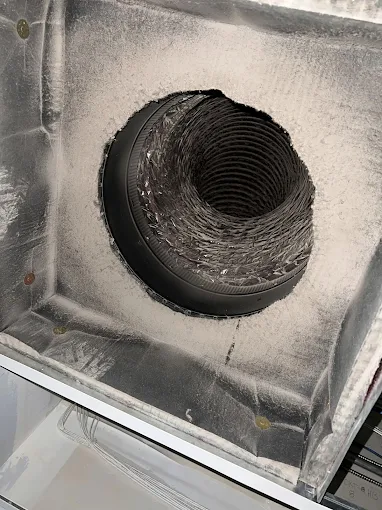
If you are noticing dust buildup, musty odors, or uneven airflow in your Frisco, TX home, duct cleaning is a question worth answering. This guide helps you decide when it is worth scheduling air duct cleaning and when a different approach may make more sense.
It usually starts the same way. The HVAC runs fine for a while, then you begin to see more dust settling on shelves, filters look darker sooner, or some rooms feel stuffier than others. Maybe you just moved into a place in Frisco and you want to feel confident that the air ducts are not harboring years of dust and debris.
But the bigger question lands fast: how often should HVAC duct cleaning be done, and what should you look for before scheduling duct and dryer vent cleaning? This post breaks down practical timing, the main factors that change the answer, and what to check in your system so you can make an informed decision.
- Quick answer
- What to check first
- Main things customers should understand
- Why this matters in Frisco, TX
- Common mistakes to avoid
- Customer checklist
- Frequently asked questions
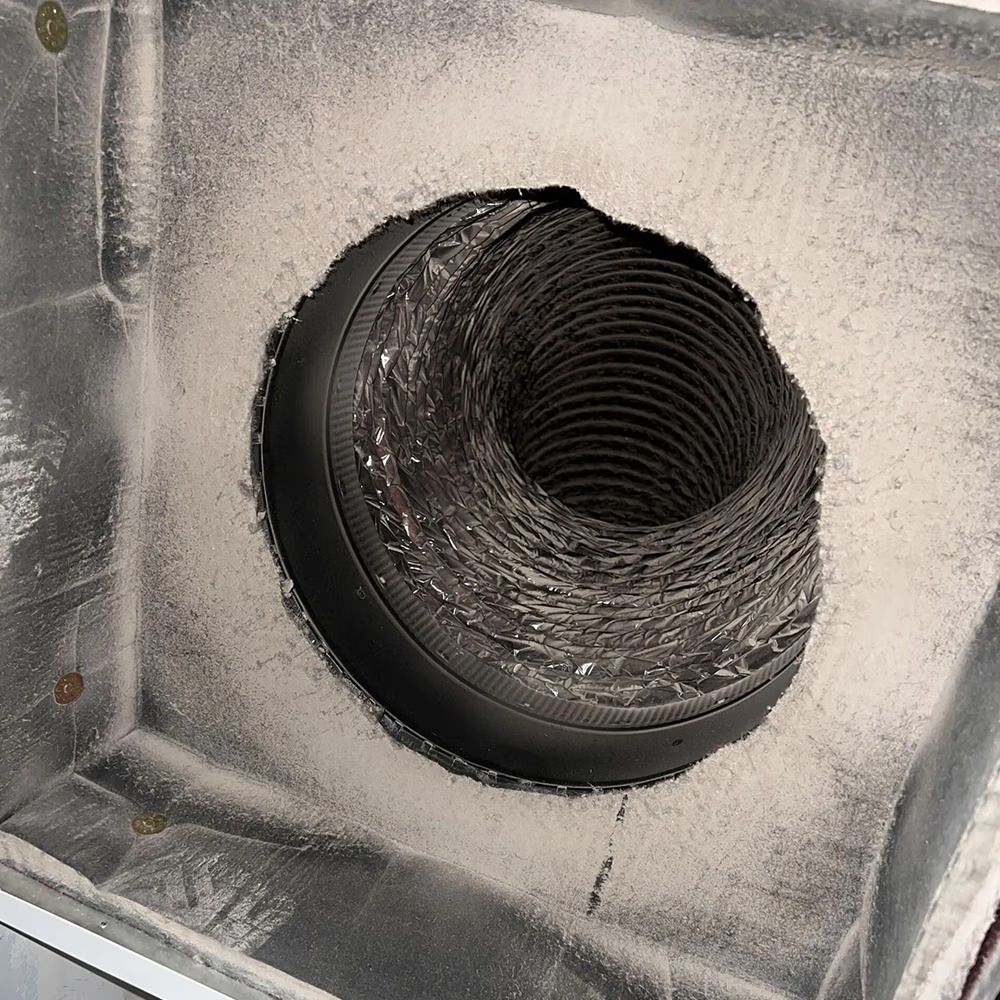
Quick Answer
Most homeowners do not need HVAC duct cleaning on a strict calendar. Instead, plan for air duct cleaning when you have clear triggers like persistent dust, odors, visible contamination, or problems that suggest dust and debris are accumulating in the ductwork. If your system is functioning normally and filters are staying cleaner, you may only need periodic inspection and maintenance. A practical next step is to review your filter habits and airflow complaints, then ask a technician to evaluate whether duct cleaning and HVAC vent cleaning will address the specific issue you are seeing in your Frisco home.
What to Check First
Before scheduling duct cleaning, start with the “surface signals” that often point to airflow, filtration, or duct leaks rather than duct buildup alone. If you skip this step, it is easy to spend time and effort on the wrong fix.
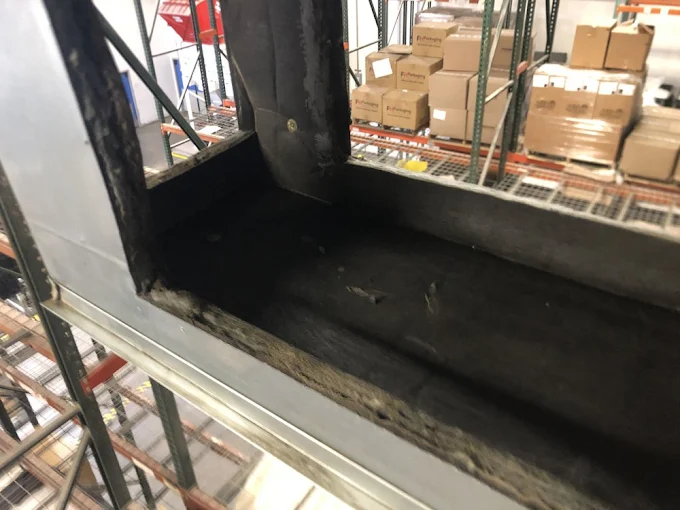
Professional observation: In many homes, the quickest improvement comes from confirming airflow and filtration first. When the HVAC system is pulling air properly and the filter is doing its job, duct cleaning becomes more targeted and less guesswork.
1) Filter and airflow pattern
Check how quickly your filter loads with dust and whether certain rooms feel weaker. If the filter gets dirty unusually fast, it can be a clue that dust is moving through the system more than normal.
2) Odors and moisture
Musty smells, damp areas near vents, or recurring condensation can indicate a moisture issue that should be addressed along with any duct and vent cleaning plan.
3) Visual signs at registers
Look at supply and return grilles. Heavy dust accumulation around vents can be a sign that ductwork is contributing to the dust you are seeing indoors.
Also, if you are dealing with clothes dryer issues, do not lump everything together. Dryer vent cleaning and HVAC duct cleaning are related to indoor air comfort, but they are not the same job. If your household complaint includes drying times, lint buildup, or laundry lint concerns, review dryer duct cleaning considerations alongside your HVAC plan.
For more on dryer-focused cleaning, see Lone Star Pro Flow LLC’s dryer duct cleaning.
Main Things Customers Should Understand
When people ask how often HVAC duct cleaning should be done, they usually expect a simple number. Real systems do not work that way. The best timing depends on conditions inside the home, how the HVAC is used, and whether the ductwork is actually the source of the issue.
Key takeaway: Use “triggers” instead of a fixed schedule. The goal is to clean when it helps the problem you are trying to solve, not to clean just because time passed.
| What you notice | What it may indicate | How to think about cleaning frequency |
|---|---|---|
| Dust increases after HVAC cycles | Dust and debris may be circulating through air ducts and vents | Consider duct cleaning as a targeted step, then reassess after proper filtration and cleaning |
| Musty odor or persistent smell | Possible moisture-related contamination or airflow pathways needing attention | Do not rely on a routine schedule. Evaluate the source and clean as part of correcting the underlying issue |
| Uneven airflow (some rooms colder or warmer) | Air distribution or ductwork conditions may be affecting performance | Cleaning may help if buildup is contributing, but a technician should verify airflow first |
| New home, remodel, or move-in | Construction dust or prior occupant dust may remain in ducts | Often a one-time cleaning decision makes sense, then move to maintenance and filter habits |
| Filters stay clean and complaints are minimal | System may be operating normally | Routine duct cleaning may not be necessary. Focus on regular filter changes and inspections |
As you weigh your options, it can also help to understand the broader service scope. Lone Star Pro Flow LLC provides HVAC duct cleaning and related HVAC system cleaning, which can be part of a plan for indoor air quality and dryer vent cleaning when both systems are contributing to comfort issues.
Why This Matters in Frisco, TX
In Frisco, TX, homeowners often run their heating and cooling systems for long stretches across seasons, and that continuous airflow can move dust and debris through ductwork. If your home has older duct runs, multiple return paths, or rooms that stay noticeably “behind” during temperature changes, dust buildup can become more visible over time.
One local pattern we see is that people notice dust or odors more during periods when the HVAC cycles more frequently. That makes the timing question practical: you do not want to clean blindly, but you also do not want to ignore a real buildup issue that is contributing to indoor air quality concerns. In Frisco and the surrounding areas, focusing on the symptoms you can measure at home, like filter loading and register dust, helps you decide whether air vent cleaning is the right next step.
Professional observation: Duct and vent cleaning decisions are often clearer when you connect the complaint to the system. If the issue shows up after HVAC cycles, HVAC duct and vent cleaning becomes a more direct match than general “whole-home” cleaning.
Common Mistakes to Avoid
Even careful homeowners can make duct cleaning decisions that do not solve the real problem. Here are the most common pitfalls to watch for in HVAC duct and dryer vent cleaning planning.
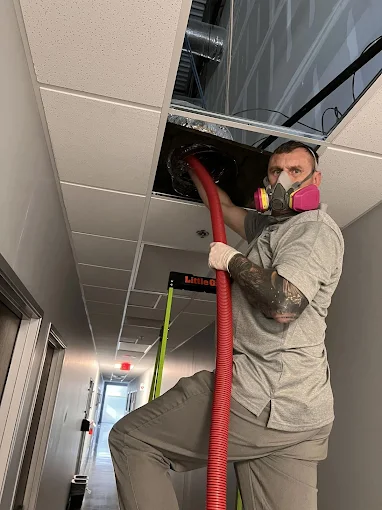
- Cleaning on a fixed schedule without a trigger When there are no meaningful signs of buildup, cleaning may not address your specific complaint.
- Ignoring filtration and airflow issues If your filter is not being changed consistently, duct cleaning may simply remove what is there today, while dust keeps entering the system.
- Mixing up dryer vent cleaning and duct cleaning Dryer lint removal and clothes dryer vent cleaning are separate concerns. If laundry venting is the source, dryer exhaust cleaning and inspection matter more than HVAC duct cleaning.
- Assuming every odor is “duct dirt” Some smells point to moisture or other causes that need attention along with air duct cleaning services.
- Not checking problem rooms If only certain rooms are affected, you want evaluation that considers airflow distribution, not just “clean everything.”
Customer Checklist
Use this checklist before you schedule duct cleaning and dryer vent cleaning services. It helps you describe the issue clearly and ensures the cleaning plan matches what is actually happening in your home.
Practical recommendation: Bring this list to a conversation with Lone Star Pro Flow LLC so you can talk through whether the goal is HVAC duct cleaning, HVAC vent cleaning, indoor air duct cleaning, or dryer duct cleaning.
- Note when the problem happens (after HVAC cycles, season changes, or specific room use)
- Check and document filter loading (how fast it gets dirty and whether it is consistent)
- Inspect supply and return registers for visible dust buildup
- List any odors (musty, stale, or new smells) and when they appear
- Confirm whether dryer issues are also present (long drying times, lint buildup, or dryer vent inspection needs)
- Decide what outcome you want (less dust, improved airflow, odor reduction, or a one-time move-in reset)
A representative scenario in Frisco
A family in Frisco noticed that their living room collected visible dust faster than other areas. They changed their filter regularly, but the filter still looked darker sooner during hotter weeks when the AC ran more often. Around the same time, they also started seeing a light dust ring near a couple of vents. Instead of assuming the ductwork was automatically the cause, they reviewed their airflow pattern and focused on the rooms that lagged behind. After evaluation, they chose HVAC duct cleaning as a targeted step, then continued with consistent filter changes to help keep dust levels under control.
Want help deciding if duct cleaning is the right next step?
If you are weighing air duct cleaning and dryer vent cleaning for the same home comfort issue, Lone Star Pro Flow LLC can help you match the service to what you are actually seeing.
Contact Lone Star Pro Flow LLCFrequently Asked Questions
Is HVAC duct cleaning worth doing in a Frisco home?
It can be worth it when you have clear triggers, such as persistent dust around vents, odors that seem to correlate with HVAC operation, or visible contamination at registers. If your filter stays relatively clean and you have no airflow or odor concerns, routine duct cleaning may not be necessary. A practical approach is to start by checking filter loading and which rooms feel affected, then have a technician evaluate whether duct cleaning and HVAC vent cleaning will address your specific situation.
How often should duct and dryer vent cleaning be scheduled?
Duct and dryer vent cleaning are often handled on different timelines because they respond to different triggers. HVAC duct cleaning is usually based on indoor air quality symptoms and duct-related buildup signals. Dryer duct cleaning and dryer vent cleaning are typically tied to lint removal needs, laundry venting performance, and dryer exhaust vent cleaning concerns. If you are dealing with both dust issues and laundry problems, it is usually best to plan them together while still treating each system as its own scope of work.
What should I check before paying for air duct cleaning services?
Start with the basics: how quickly your filter loads with dust, whether certain rooms get less airflow, and what you observe at supply and return registers. If you have odors or moisture signs, note when they occur and where you notice them. This helps you avoid the common mistake of scheduling duct cleaning on a fixed schedule when the real issue may be filtration, airflow, or a moisture-related cause. Then ask whether duct and dryer vent cleaning services are needed for your specific symptoms.
Can duct cleaning improve indoor air quality?
It can help when the ductwork is contributing to circulating dust and debris. Many homeowners notice less dust settling after targeted duct cleaning as part of a broader indoor air quality and dryer vent cleaning plan. That said, duct cleaning is not a standalone fix if filtration and airflow habits are the main drivers. Consistent filter changes and addressing any moisture or ventilation concerns remain important so the results last.
How do I know if my issue is really duct cleaning vs. dryer vent cleaning?
If your main complaint involves laundry drying performance, lint buildup, or concerns that track with dryer use, dryer duct cleaning and dryer vent inspection typically matter more. If the issue happens after HVAC cycles, you see dust around vents, or you notice airflow-related discomfort, HVAC duct cleaning and HVAC system cleaning are more likely to be the right match. When both systems contribute, planning air duct cleaning and dryer vent cleaning services together can reduce the chance of missing the real source.
Ready to evaluate your duct cleaning needs?
Lone Star Pro Flow LLC serves Frisco, TX and surrounding areas with HVAC duct and vent cleaning designed around what your home is telling you. If you want a practical recommendation for air duct cleaning and dryer vent cleaning, contact our team.
(972) 532-7959
Lone Star Pro Flow LLC
Lone Star Pro Flow LLC provides duct and vent cleaning services focused on HVAC duct cleaning and dryer duct cleaning for homes and businesses in Frisco, TX and nearby areas. If you are searching for HVAC duct and dryer vent cleaning, indoor air quality and dryer vent cleaning support, or ductwork cleaning to address dust and airflow concerns, our team works with you to match the service to the symptoms you are seeing.