
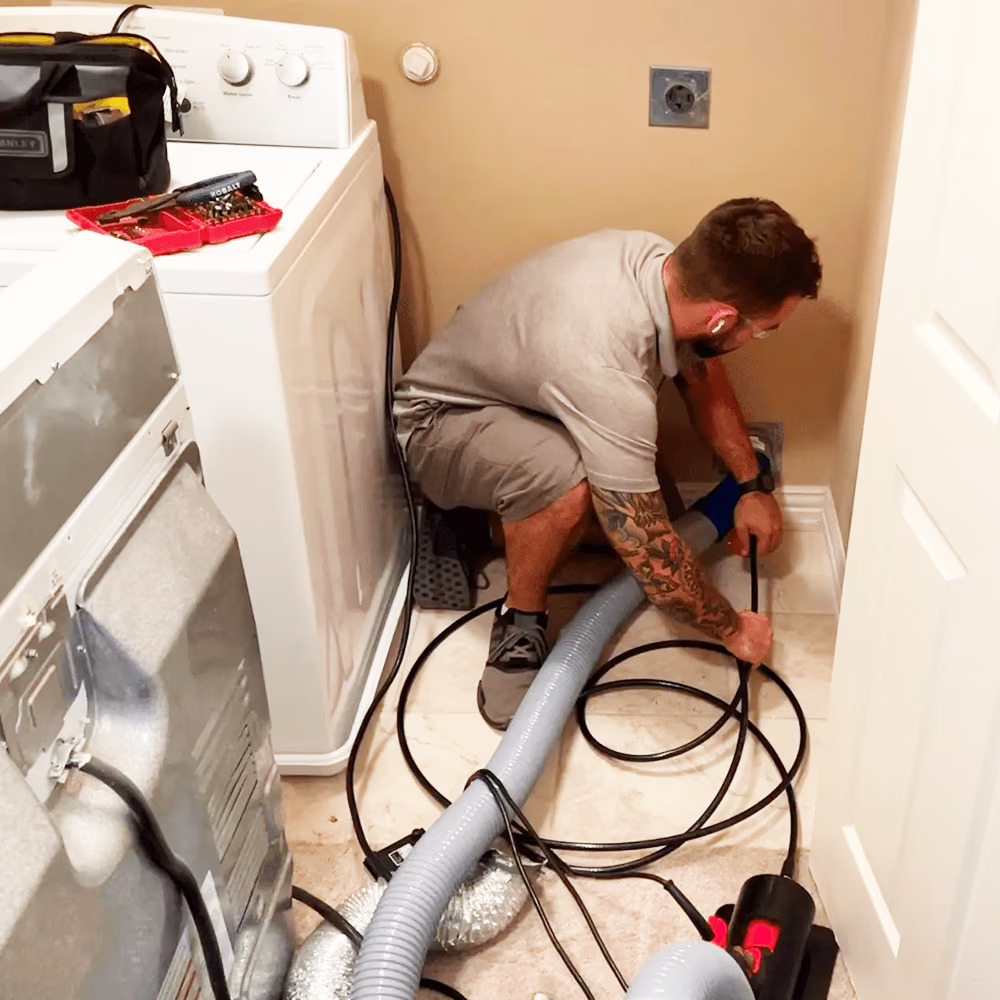
Signs Your Dryer Vent Needs Cleaning Immediately
If your dryer is taking longer than usual, leaving clothes damp, or you notice lint buildup around your laundry area, your dryer exhaust may be struggling. This guide helps you recognize the warning signs, understand why they happen, and decide what to check first for cleaner, safer airflow in Frisco, TX.
Last week, a homeowner in Frisco told us their dryer “still works,” but each load was taking noticeably longer. The clothes came out hot, yet not fully dry, and the laundry room sometimes smelled musty after cycles. Even the lint screen seemed to fill faster than it used to.
Those symptoms often point to a dryer vent blockage or restricted airflow. Below, you will learn the practical signs that dryer lint has moved beyond the lint screen, what to inspect before the situation worsens, and when it makes sense to schedule dryer duct cleaning or dryer vent cleaning services with a local team.
- Quick answer
- What to check first
- Main things customers should understand
- Why this matters in Frisco, TX
- Common mistakes to avoid
- Customer checklist
- Frequently asked questions
Quick Answer
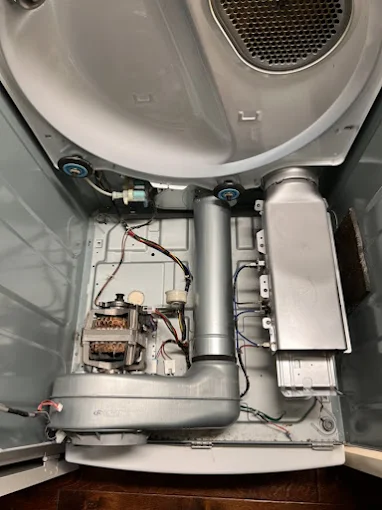
If your dryer is running longer, leaving clothes damp, producing a burning smell, or showing excessive lint near the vent path, it is time to address dryer exhaust cleaning. Start by checking the lint screen and making sure the outside vent flap opens freely when the dryer runs. If those are normal but airflow still feels weak or drying times keep increasing, the vent line is likely restricted with lint. A practical next step is to schedule professional dryer duct cleaning and a dryer vent inspection so the system is cleaned safely and thoroughly.
What to Check First
Before you assume the vent is severely blocked, do a quick, safe inspection of the dryer’s airflow path. These checks help you narrow down whether the issue is simple maintenance or a deeper restriction in the vent line.
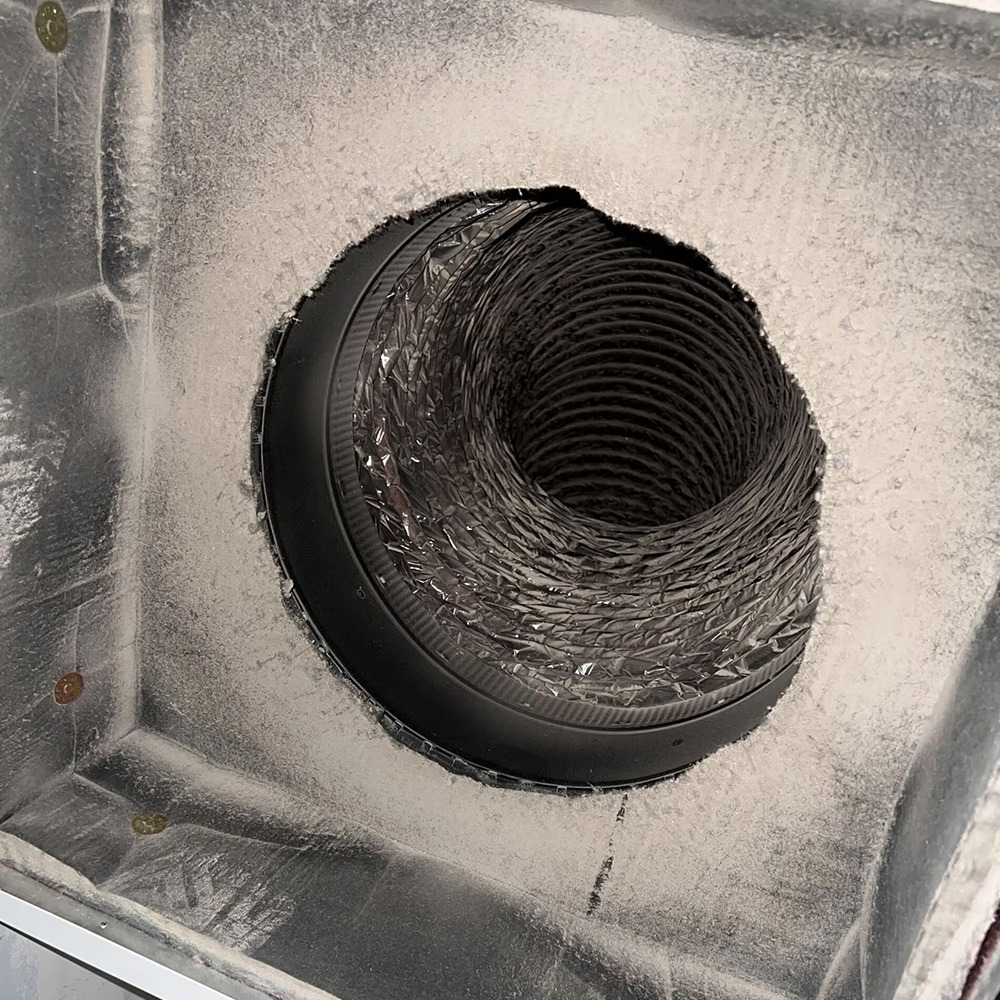
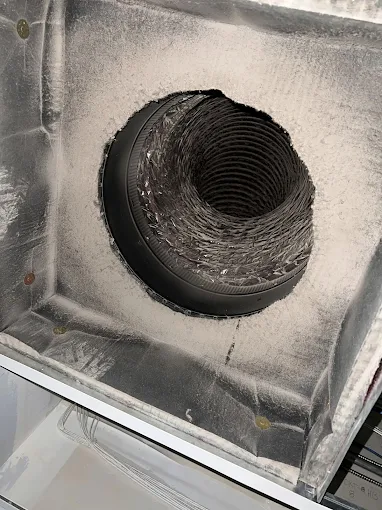
- Lint screen: Confirm it is cleaned after every load and fully seated back into place.
- Dryer airflow: While the dryer runs, observe whether the exhaust feels like strong, steady airflow at the exterior vent.
- Exterior vent flap: Make sure the flap opens and closes freely and is not stuck with debris.
- Vent path: Look for obvious kinks, crushing, or crushed flexible duct sections behind or around the dryer.
- Signs of buildup: Check for lint accumulation around the dryer, the wall penetration, or nearby laundry storage areas.
Main Things Customers Should Understand
Dryer performance problems rarely come from one cause. In real homes, lint can accumulate where the vent turns, where flexible duct sags, or where the duct connects to the dryer and wall. Once lint builds up in the duct and venting system, the dryer must work harder to push moist air out, which can increase drying times and create odor or heat-related concerns.
Professional observation: When we see dryer vent lint removal needs, it is often because lint bypasses the lint screen over time and collects deeper in the HVAC duct and dryer vent cleaning path. That is when “it still tumbles” can hide a real restriction.
Long drying times
Cycles that keep running longer than usual can indicate restricted dryer exhaust cleaning and reduced airflow.
Musty or smoky odors
Odors can occur when moisture and lint accumulate in the duct, especially after multiple loads.
Lint outside the dryer
Excess lint near the vent opening, wall area, or laundry room surfaces is a strong indicator of dryer vent blockage removal needs.
| What you notice | Most likely cause | Best next step |
|---|---|---|
| Dryer takes longer, clothes feel damp | Restricted airflow from lint buildup in the vent line | Schedule professional dryer vent cleaning and inspection |
| Burning smell or strong heat near laundry area | Excess lint and airflow resistance in the exhaust path | Stop using the dryer until the vent can be inspected |
| Lint collects around the vent outlet | Backpressure or leakage caused by blockage | Request a dryer vent inspection and targeted cleaning |
| Exterior flap does not open fully | Debris stuck at the termination or vent restriction | Have the termination area checked and cleaned |
Why this matters in Frisco, TX
In Frisco, laundry rooms in many homes run in cycles year-round, and venting problems can build quietly. When humidity rises or when dryers are used more frequently during seasonal routines, restricted exhaust can worsen because moist air has a harder time moving through a partially blocked line. That is why homeowners often first notice the issue as “drying times changed,” then later see lint around the vent path. Addressing air duct and dryer vent cleaning concerns together can also support overall indoor air quality and dryer vent cleaning goals by reducing dust and debris that circulate through the home.
If you are also thinking about broader airflow issues, Lone Star Pro Flow LLC provides HVAC duct cleaning services for homes and property types that need more than just dryer-focused attention.
Common Mistakes to Avoid
Many homeowners try to solve dryer vent problems the same way they handle the lint screen. That can delay the real fix, especially if lint has accumulated deeper in the duct. Here are the most common missteps we see when customers call for duct and dryer vent cleaning.
1) Relying only on the lint screen. The lint screen helps, but it is not designed to catch everything that later settles in the vent line.
2) Using the dryer with a worsening smell or weak airflow. If the exhaust feels weak, do not keep running cycles while you wait.
3) Ignoring the vent termination. A stuck exterior flap or packed termination can create backpressure even if the duct looks “fine.”
4) Pulling out the dryer and “checking” without inspecting turns. Most buildup happens at bends and connections where lint collects and airflow slows.
Customer Checklist
Use this checklist before you book service. It helps you describe the problem clearly and ensures you capture the details that matter during a dryer vent cleaning services appointment.
- Symptom timeline: When did drying times, odors, or lint buildup start to change?
- Behavior during cycles: Does the exhaust feel strong at the exterior vent?
- Exterior vent flap: Does it open freely while the dryer runs?
- Visible lint locations: Where do you see the most lint (dryer cabinet, wall area, floor, vent outlet)?
- Vent type: Note whether the duct path includes long runs, tight turns, or flexible duct sections.
- Household use: Approximate frequency of laundry loads, especially for apartments, condos, or busy households.
Representative Scenario
A condo manager in Frisco noticed that multiple units had similar complaints: clothes were taking longer to dry and the laundry rooms smelled slightly “off” after cycles. During inspection, the vent termination had debris that affected airflow, and lint buildup was present deeper in the duct where turns and connections restrict movement. After dryer duct cleaning, drying times improved and the laundry-area odors became much less noticeable because the exhaust path was no longer restricted.
Get a Dryer Vent Inspection and Cleaning Plan for Your Property
If you are seeing longer cycle times, lint outside the dryer, or weak exhaust, Lone Star Pro Flow LLC can help you evaluate the dryer vent system and plan next steps. Serving Frisco, TX and nearby areas.
Call (972) 532-7959Frequently Asked Questions
How can I tell if my dryer vent is blocked or just the dryer itself?
If the lint screen is clean and the exterior vent flap opens during operation, but drying times continue to increase, the issue often points to restricted airflow in the vent line. Another clue is where lint accumulates. If you see lint near the dryer cabinet, wall penetration, or vent outlet, it suggests lint is moving beyond the screen and collecting in the duct. A dryer vent inspection helps confirm whether the restriction is in the exhaust path rather than the dryer’s internal components.
What does “dryer duct cleaning” usually involve?
Dryer duct cleaning focuses on removing lint and debris from the dryer exhaust route, including sections where buildup commonly forms. The goal is to restore proper airflow so moist air can exit efficiently. In many homes, lint accumulates at bends, connections, and longer runs where airflow slows down. A professional approach also includes checking the vent path for conditions that contribute to blockage, which supports better performance and helps prevent recurring issues.
How often should I schedule dryer vent maintenance?
There is not one universal schedule for every home because dryer usage habits and vent routes vary. If you notice changes like longer drying times, recurring lint buildup outside the dryer, musty odors, or reduced exhaust strength, that is a good time to request service. For many customers, a proactive inspection helps catch vent restrictions before they become persistent. If you are unsure, a local team can assess your current vent conditions and advise on what makes sense for your situation.
Can clogged dryer vents affect indoor air quality?
They can. When dryer exhaust is restricted, moisture and particulates may not move out as efficiently, which can contribute to odors and increased dust around the laundry area. Over time, lint accumulation can also create messes that spread through the home when surfaces are disturbed. While dryer vent issues are separate from HVAC concerns, customers often benefit from addressing both when they are noticing broader airflow and cleanliness problems, especially as part of air duct and dryer vent cleaning goals.
Is it safe to keep using the dryer if I smell something unusual?
If you detect a burning smell, strong heat, or worsening odor during or after drying cycles, it is not a good idea to keep using the dryer until the vent can be inspected. Unusual smells can be related to lint buildup and airflow resistance in the exhaust path. The safer approach is to pause use and have the dryer vent system evaluated so the restriction can be addressed. Lone Star Pro Flow LLC can help you determine what is happening and what needs cleaning.
Ready to Restore Proper Dryer Exhaust?
If your laundry room is showing warning signs, Lone Star Pro Flow LLC provides duct and dryer vent cleaning in Frisco, TX & surrounding areas. Start with a dryer vent inspection so you can make an informed decision based on what is actually in the vent system.
Contact Lone Star Pro Flow LLC
Lone Star Pro Flow LLC
Lone Star Pro Flow LLC provides duct and dryer vent cleaning services for residential and property needs in Frisco, TX and the surrounding area. If you are dealing with dryer vent lint removal, dryer exhaust cleaning, or HVAC duct cleaning concerns, the focus is on restoring proper airflow and helping reduce the buildup that can lead to recurring performance issues.
Explore HVAC duct cleaning or call (972) 532-7959 to discuss your dryer vent and airflow questions.