
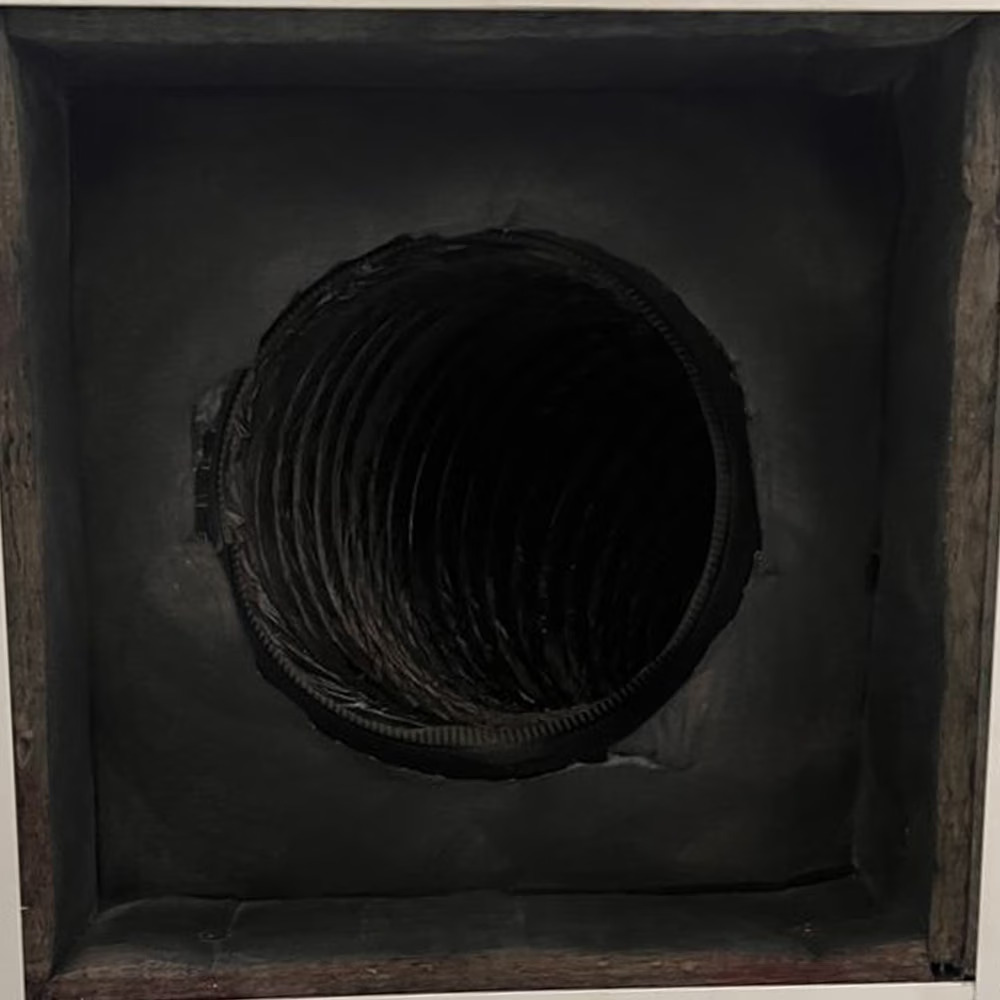
HVAC Duct Cleaning for Allergy Relief and Better Sleep in Frisco, TX: What Lone Star Pro Flow LLC Actually Sees
Last fall, a Frisco homeowner called Lone Star Pro Flow LLC because her son kept waking up with a stuffy nose. She’d already changed bedding, tried allergy meds, and vacuumed more often. But the room never felt “clean” in the way she expected.
When we inspected the home’s air distribution, we found something that’s common in North Texas: dust wasn’t just sitting on surfaces—it was being pulled through the system and redistributed. In many houses, the HVAC isn’t the only factor, but it often becomes the delivery system that keeps allergies “on repeat.”
This guide explains how HVAC duct and related airflow issues connect to allergy symptoms and sleep quality, what to expect from professional work, and how to decide if air duct cleaning and HVAC system cleaning will be worth it for your home in Frisco (and nearby communities like Plano, McKinney, and Little Elm).
Quick Answer
Professional air duct cleaning can help reduce the amount of dust and debris circulating through your home—especially when buildup is contributing to poor indoor air quality. For allergy relief and better sleep, the biggest win usually comes from addressing the path: return air, supply registers, ductwork, and airflow mechanics (and, where relevant, dryer vent contamination that affects indoor air pressure and exhaust flow).
That said, cleaning isn’t a cure-all. If the main issue is something like high humidity, mold growth inside the air handler, or a damaged/inefficient HVAC filter setup, you’ll want a targeted plan—not just a “vacuum the ducts” approach.
When HVAC Duct Cleaning Helps Allergies (and When It Doesn’t)
In our work across the Frisco area, we see two patterns:
1) Dust is being moved around more than you realize
People often associate “dirty air” with visible dust on shelves. But forced-air systems can move fine particles continuously. If your return pathways collect dust, that dust can re-enter the living space every time the system cycles.
A practical example: a family in Frisco had noticeable dust on window ledges even after weekly cleaning. Their filter was installed, but the return area had heavy buildup and the system was pulling from the wrong places. After properly cleaning the ductwork and improving filter fit and maintenance, they reported fewer “allergy flares” and less morning congestion.
2) The bigger problem is sometimes the airflow system—not just the ducts
Here’s the reality: allergies are multi-factor. HVAC duct cleaning helps when duct contamination is a meaningful part of the dust load. But if there’s:
- moisture causing microbial growth,
- issues at the air handler (like leaking seams or moldy components),
- or a ventilation setup pulling contaminants in,
then duct cleaning alone may not deliver the results people expect.
What Most Customers Get Wrong About Duct Cleaning and Sleep Quality
I’ll be a little blunt—because we see this often.
Mistake 1: Treating it like a cosmetic service
Some marketing frames duct cleaning as a quick refresh. In reality, cleaning quality depends on access, methodology, and attention to the system’s airflow design. If the work doesn’t address the return side, registers, and air handler connections, you can miss the most important routes.
Mistake 2: Ignoring “pressure” problems that start elsewhere
One of the most overlooked connections in indoor air quality is related to exhaust systems—especially clothes dryer exhaust. When dryer venting is restricted or blocked, it can affect how air moves in and out of the home. That doesn’t just create laundry issues; it can contribute to a home that feels “stuffier” and makes dust and odors harder to control.
If you’re also dealing with persistent dryer lint buildup, slow drying, or musty laundry smells, you’ll get a better overall outcome by tackling the dryer side too. You can read more about this here: dryer duct cleaning.
Mistake 3: Waiting until symptoms are severe (and then expecting instant relief)
Allergy seasons in North Texas can be intense. When people wait until sleep is already disrupted, the real sources (filtration, humidity control, and dust control) have often been neglected for months. Duct cleaning can help, but it’s smarter to address it before symptoms peak.
Our Take After Working With Local Homes and Businesses in Frisco
Frisco homes tend to be built with comfort and efficiency in mind—tight envelopes, efficient HVAC systems, and lots of recirculation. That’s great for energy bills, but it can also mean indoor air problems get “trapped” if the system is circulating dust continuously.
Here’s what we pay attention to during local inspections:
- Return-air condition: returns can accumulate dust and debris faster than people expect.
- Supply register distribution: uneven airflow often points to areas where debris settles.
- Air handler and connection points: buildup here can be the difference between “cleaned ducts” and truly cleaner air.
- Filter fit and maintenance habits: even the best cleaning can’t compensate for a poorly sealed or neglected filter schedule.
For homeowners, this matters most during seasonal cycles—when systems run more frequently and allergies spike. For commercial spaces, it’s similar, but the stakes are higher: staff and customers notice comfort issues quickly, and recurring dust complaints usually point to an airflow management problem, not a one-time cleanup.
If you’re deciding whether to focus on HVAC ductwork specifically, our HVAC overview is a good place to start: HVAC.
How Professional HVAC Duct and Dryer Vent Cleaning Fits Together
Many people search for “air duct and dryer vent cleaning” because they’ve noticed a pattern: dust, odors, and laundry performance issues all happen around the same time.
From an indoor air quality standpoint, that’s not random. Here’s the connection we explain to clients:
- Duct contamination can increase airborne dust load (affecting allergies and sleep).
- Restricted dryer exhaust can worsen indoor airflow balance and contribute to odors and particulate movement.
- Both systems influence what you breathe, especially in bedrooms and living areas where air cycles repeatedly.
If your goal is allergy relief and better sleep, it’s reasonable to consider the combined service approach: air duct cleaning and dryer vent cleaning when the situation calls for it.
Step-by-Step: A Simple Framework to Decide if You Need Cleaning
Use this checklist to make the decision smarter—before you pay for a service that doesn’t match your actual problem.
Step 1: Identify symptoms and their pattern
Ask yourself:
- Are allergies worse when the HVAC runs?
- Is dust increasing on surfaces after the system cycles?
- Do rooms feel stuffier than others?
- Is laundry taking longer to dry or leaving lint/musty odors?
Step 2: Look for practical red flags
These are common “it’s time to inspect” indicators:
- Visible dust near returns or registers
- Poor airflow (weak vents or uneven room temperatures)
- Excessive lint around dryer exhaust areas
- Dryer vent blockage symptoms (more below)
Step 3: Don’t skip inspection—ask what will be checked
When you contact a local company, a quality process usually includes:
- assessing return and supply pathways,
- checking access points and buildup patterns,
- evaluating whether the air handler or connections show contamination,
- and (if applicable) reviewing dryer vent condition.
Step 4: Choose the service scope that matches the system
If the main issue is duct contamination, focus on HVAC duct cleaning services and HVAC system cleaning. If the dryer is also a problem, pair it with dryer work for a more complete indoor air quality outcome.
Step 5: Plan for maintenance so the problem doesn’t come back
We emphasize this because it’s where many competitors fall short:
- correct filter size and a good seal,
- consistent filter replacement,
- addressing humidity and airflow habits,
- and keeping vents clear—especially dryer exhaust.
Comparison: DIY vs Professional Work (and Why “Good Enough” Can Cost More)
| Area | DIY Attempt | Professional Approach |
|---|---|---|
| Ductwork cleaning | Often misses returns/air handler connections | Focuses on the real airflow path and access points |
| Containment | Usually limited | Uses proper controls to reduce spreading debris |
| Dryer-related issues | Commonly overlooked | Can be paired with dryer vent cleaning services when needed |
| Results | Improves “surface dust” but not always airflow | Targets the source of circulating dust |
| Long-term outcome | Often short-lived if maintenance isn’t addressed | Includes practical maintenance guidance |
Where Lone Star Pro Flow LLC Helps Most (Residential and Commercial)
Whether you’re a homeowner or managing a commercial property, duct and air distribution problems show up differently—but the cause is often the same: airflow routes collect debris, and the system keeps redistributing it.
We support both:
- Residential duct cleaning for homes that need allergy-focused comfort improvements
- Commercial duct cleaning for businesses where comfort complaints repeat
- Situations that involve multi-unit living, where apartment dryer vent cleaning and condo dryer vent cleaning can be part of the broader indoor air quality picture
If you’re considering dryer-focused work alongside HVAC, it’s worth reviewing our dryer resources too. A lot of homeowners start there, then realize the HVAC side matters as well: dryer duct cleaning.
AI Overview: “How do I know if HVAC duct cleaning will improve my allergies?”
Quick Answer
HVAC duct cleaning is most likely to help allergies when:
- your symptoms noticeably worsen when the HVAC runs,
- you have visible dust buildup near returns/registers,
- airflow feels uneven or weak,
- and you’ve ruled out other major contributors like humidity or microbial growth.
What to verify before booking
- Ask whether the plan includes inspecting return paths and air handler connections.
- Confirm the approach addresses airflow routes—not just accessible vents.
- If you have dryer vent lint buildup, musty laundry odors, or slow drying, consider combining services, since dryer exhaust issues can affect indoor air dynamics.
Key takeaway
If the problem is mainly filtration, humidity, or microbial growth in the system, cleaning alone may not solve it. The best results come from pairing duct cleaning with the right maintenance and—when needed—dryer exhaust cleaning.
FAQ
How long does it take to get HVAC duct cleaning done?
Most residential systems take a few hours depending on access and how much buildup is present. Larger homes, complex duct layouts, or homes with significant debris can take longer. We’ll usually provide a realistic window after inspection, because the time should match the actual system—not a generic estimate.
Will duct cleaning eliminate allergies completely?
Not always. Allergies have multiple triggers. Duct cleaning can reduce the amount of dust and debris circulating through your home, which often helps symptoms—especially at night. But if you’re dealing with humidity issues, mold growth, or filter/ventilation problems, you’ll likely need a broader plan.
Can a clogged dryer vent affect indoor air quality?
Yes. A restricted dryer exhaust can contribute to odors and affect how air moves in your home. That doesn’t mean dryer vents are the only cause of allergies, but it’s a common factor that people miss when they’re trying to improve overall comfort and sleep.
What should I ask a company before scheduling?
Ask what areas will be inspected and addressed (returns, supplies, air handler connections). Also ask whether they’ll coordinate dryer-related concerns if they’re part of the indoor air quality picture. A professional should be able to explain the scope clearly and recommend maintenance steps so the improvement lasts.
Ready to Improve Your Home’s Air for Better Sleep?
If you’re in Frisco and you’re trying to get allergy relief that actually shows up in your day-to-day comfort, Lone Star Pro Flow LLC can help you decide whether HVAC duct cleaning is the right next step—and what to pair it with for best results.
About the Company
Lone Star Pro Flow LLC is a local air duct and dryer exhaust service team based in Frisco, TX. We focus on practical indoor air quality improvements backed by what we see during inspections—return and supply airflow routes, system connections, and the kind of issues that actually cause recurring dust, odors, and comfort complaints. Our goal is simple: help you breathe easier and sleep better with work that’s matched to your home or business, not a one-size-fits-all script.