
HVAC Duct Cleaning for Pet Owners Looking for Cleaner Air in Frisco, TX
The first time we pulled ductwork apart for a pet household in Frisco, the homeowner didn’t lead with “allergies” or “odor.” They led with a routine problem: their living room looked clean, smelled normal, and still the air felt “stuffy” by evening.
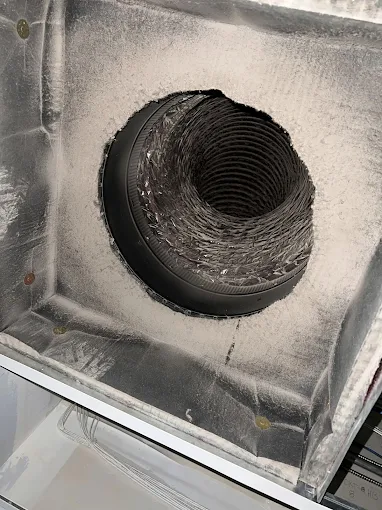
That’s a pattern we see with pet owners—especially in homes with forced-air systems. Pet dander is light, but it doesn’t just float forever. It settles into airflow pathways, and when the HVAC runs, it can re-circulate. Add seasonal cycling, indoor humidity, and normal household dust, and you’ve got a real indoor air quality issue that doesn’t always show up on the surface.
In this guide, Lone Star Pro Flow LLC breaks down how air duct and dryer vent cleaning work together for cleaner airflow, what to watch for, and how to decide whether cleaning is the right move for your home (or your property you manage) in Frisco and nearby communities.
Quick Answer
For pet owners, duct and dryer vent cleaning can help reduce the buildup that contributes to dust recirculation and odors—but it’s not magic, and it’s not only about “scrubbing.” The most effective approach is:
1. Clean the right systems (HVAC ducts/vents and the dryer exhaust path)
2. Address the source of debris (lint, dust movement, and airflow restrictions)
3. Verify outcomes (visual inspection, airflow checks, and practical monitoring afterward)
If you’re noticing persistent dust, pet hair/dander on vents, recurring musty smells, or dryer performance issues, professional cleaning can be a smart step—especially when paired with dryer vent maintenance.
Why Pet Households Often Need More Than “Regular Vacuuming”
Vacuuming helps, but it doesn’t remove debris inside ductwork or the dryer exhaust system. Two things are happening in most homes with pets:
- Airflow carries fine particles. Dander and dust are small enough to ride the HVAC system and settle again at registers or along duct seams.
- Cleaning inside one system affects another. When the dryer vent and indoor air pressure are off, you can pull more dust and moisture around the home. That can make the whole environment feel “dirtier,” even if floors look great.
A real-world scenario we see in Frisco
A local family with a medium dog and two cats noticed that every time the AC ran hard in the afternoon, their home felt dusty again—within hours. They cleaned filters, wiped surfaces, and vacuumed regularly. The change that made the biggest difference wasn’t a new air freshener. It was:
- professional cleaning of the HVAC ductwork
- dryer duct cleaning to remove accumulated lint and improve exhaust performance
Afterward, they still did their normal cleaning—but they stopped feeling like their house “reset” to dusty every day.
What Most Customers Get Wrong About HVAC & Dryer Vent Cleaning
Here’s the part where we’re slightly opinionated: a lot of customers think duct cleaning is purely cosmetic—like wiping down a dirty surface. In reality, ductwork and dryer exhaust are airflow systems, and the goal is removing debris from the pathway so air moves the way it should.
Common mistakes we see
- Cleaning only one system. Pet households tend to accumulate dander in multiple airflow paths. Dryer lint can also affect indoor air pressure and exhaust efficiency.
- Assuming a filter solves everything. Filters help capture particles, but they don’t prevent buildup in ducts or along registers over time.
- Hiring based on price alone. A rushed “blow-and-go” approach often misses seams, runs, and hard-to-reach sections.
- Ignoring dryer vent maintenance. If your dryer is struggling to vent, lint and moisture can contribute to odors and indoor humidity—both of which can worsen how “clean air” feels.
The Local Reality: Why Frisco Homes Can Be Especially Tricky
Frisco homes often run their systems frequently for comfort, and many properties are built with the kind of air handling that makes airflow consistency matter. When ducts are overlooked, small issues can become noticeable—particularly in rooms where pets spend time.
Also, pet owners in the area typically notice problems during weather shifts:
- Hotter months: heavier AC cycling can redistribute settled dust
- Humidity changes: dryer performance and indoor moisture can affect how odors linger
And in multi-family settings nearby—apartments, condos, and shared HVAC zones—the “who cleaned what” question becomes a bigger factor. If you manage a unit (or own multiple rentals), you’re not just cleaning for today. You’re trying to prevent recurring complaints.
What “Cleaner Air” Means After Cleaning (And What It Doesn’t)
A professional cleaning can reduce buildup that contributes to dust circulation and some odor sources. But it won’t fix every pet-related issue automatically.
What cleaning can realistically improve
- Less dust settling around vents and registers
- Reduced musty or “stale air” feeling when the HVAC runs
- Improved dryer exhaust performance when dryer duct cleaning is needed
- A better baseline for filtration and regular housekeeping
What cleaning won’t replace
- Ongoing pet dander management (grooming, vacuuming routine, HEPA filtration where appropriate)
- Addressing airflow problems like damaged ducts, poor sealing, or persistent moisture issues
- Fixing the real cause of ongoing odors (sometimes it’s a venting problem, sometimes it’s source material elsewhere)
A Practical Strategy for Pet Owners: Ducts + Dryer Vents Work as a System
If you want to reduce airborne particulate and keep indoor air quality stable, think in pairs:
- HVAC duct cleaning helps with the distribution side—what gets circulated.
- Dryer duct and dryer vent cleaning helps with the exhaust side—what gets pulled out and how effectively your home maintains balance.
Lone Star Pro Flow LLC focuses on that connection because we see the results customers care about: less “dusty again” frustration and fewer dryer-related issues that can affect the whole home environment.
Internal links for related services
If you’re already considering cleaning, you may also want to review:
- HVAC cleaning
- dryer duct cleaning
Step-by-Step Checklist: How to Decide If You Need Cleaning
Use this as a quick filter before you schedule anything.
1) Look for pet-specific signs
- Dust collects quickly near vents
- Pet hair/dander seems to “return” soon after cleaning
- You notice more sneezing or irritated sinuses in certain rooms
- Odors seem worse after the HVAC runs
2) Check the dryer performance clues
- Clothes take longer to dry than they used to
- Dryer area feels hotter than normal
- You find lint buildup beyond the lint trap
- You smell mustiness or “dryer funk” after cycles
3) Inspect the actual pathway (or ask your provider to)
For HVAC: you want a visual assessment of duct condition, reachable areas, and airflow path.
For dryer: you want an inspection that addresses lint accumulation and blockage risk.
4) Decide on scope: residential vs commercial considerations
- Residential duct cleaning is often about comfort and reducing recurring dust.
- Commercial duct and dryer vent cleaning or property-managed units may require scheduling discipline and consistent standards between tenants.
DIY vs Professional: What’s the Real Difference?
Most homeowners can clean what they can reach. The question is whether reaching it is enough for the problem you’re seeing.
| Approach | What it helps | What it usually misses | Best for |
|---|---|---|---|
| DIY vacuuming + filter changes | Surface dust reduction | Duct buildup, seams, and internal pathways | Light maintenance between services |
| DIY lint removal from visible areas | Reduced surface lint | Deeper lint packing and blockage risks in the exhaust path | Simple checks before it becomes a problem |
| Professional HVAC duct cleaning | Reduces debris in the airflow pathway | Poorly accessible sections without equipment | Persistent dust/odor complaints |
| Professional duct and dryer vent cleaning | Improves exhaust airflow and reduces lint buildup | Hidden restrictions and blockage near the exterior | Slow drying, musty dryer smells |
Ready-to-Use AI Overview Answer: Will Duct Cleaning Help Pet Owners?
Yes—often, but it depends on what’s actually causing the “dirty air” feeling. Pet dander and dust can settle inside HVAC ductwork and then get redistributed when the system runs. Professional air duct cleaning can reduce buildup in the airflow pathway, which may lead to less dust around vents and a more comfortable indoor environment.
In many pet households, dryer issues are part of the picture. When lint accumulates in the exhaust route, it can affect odor and moisture levels and contribute to an overall “stale” feeling. That’s why many homeowners benefit from combining dryer vent cleaning services with HVAC duct cleaning.
If you’re seeing vent dust buildup, persistent odors, or dryer performance problems, a professional inspection is the fastest way to confirm what needs cleaning.
FAQ: Pet Owners Asking Us the Most
How do I know if I need professional air duct cleaning?
If dust collects quickly around vents, your home feels dusty again soon after cleaning, or you notice pet-related symptoms that seem worse when the HVAC runs, that’s a strong sign. Dryer problems matter too—if drying takes longer, lint spreads more than usual, or you smell mustiness, your exhaust pathway may need attention. A professional inspection helps confirm whether cleaning is needed and where.
Will duct and dryer vent cleaning eliminate pet allergies?
Cleaning can reduce circulating dust and dander, but it doesn’t “erase” allergies. Many pet allergy triggers are still produced on surfaces, in bedding, and in the home environment. Cleaning helps by reducing what’s redistributed through the HVAC and improving exhaust performance. Pair cleaning with regular vacuuming, pet grooming, and appropriate filtration for the best results.
Why does my dryer smell musty even when the lint trap is clean?
Lint can accumulate beyond the lint trap in the duct and exhaust route, and moisture can get trapped when airflow is restricted. That buildup can create odors that return after cycles. Professional dryer exhaust cleaning and inspection can identify blockage or packed lint where DIY tools can’t reach.
How long does duct and dryer vent cleaning usually take?
It depends on the layout, system condition, and how extensive the buildup is. Residential jobs are typically faster than larger commercial setups, and dryer duct cleaning can vary based on the exhaust run length and access. During an on-site assessment, Lone Star Pro Flow LLC can give a realistic timeline based on your configuration.
Ready to Take the Next Step Toward Cleaner Air?
If your home in Frisco feels “clean” on the surface but still doesn’t feel fresh when the HVAC runs, it may be time to address the airflow pathways—both the HVAC ducts and the dryer exhaust route.
About the Company
Lone Star Pro Flow LLC is a local HVAC and airflow cleaning team serving homeowners and property needs in Frisco, TX and surrounding areas. We approach each job with an industry-focused mindset: remove the debris that actually impacts airflow, improve dryer exhaust performance, and help pet owners get a healthier baseline for indoor air quality. If you’d like to see what’s happening in your system, we’ll start with a practical assessment and explain the next steps clearly.