
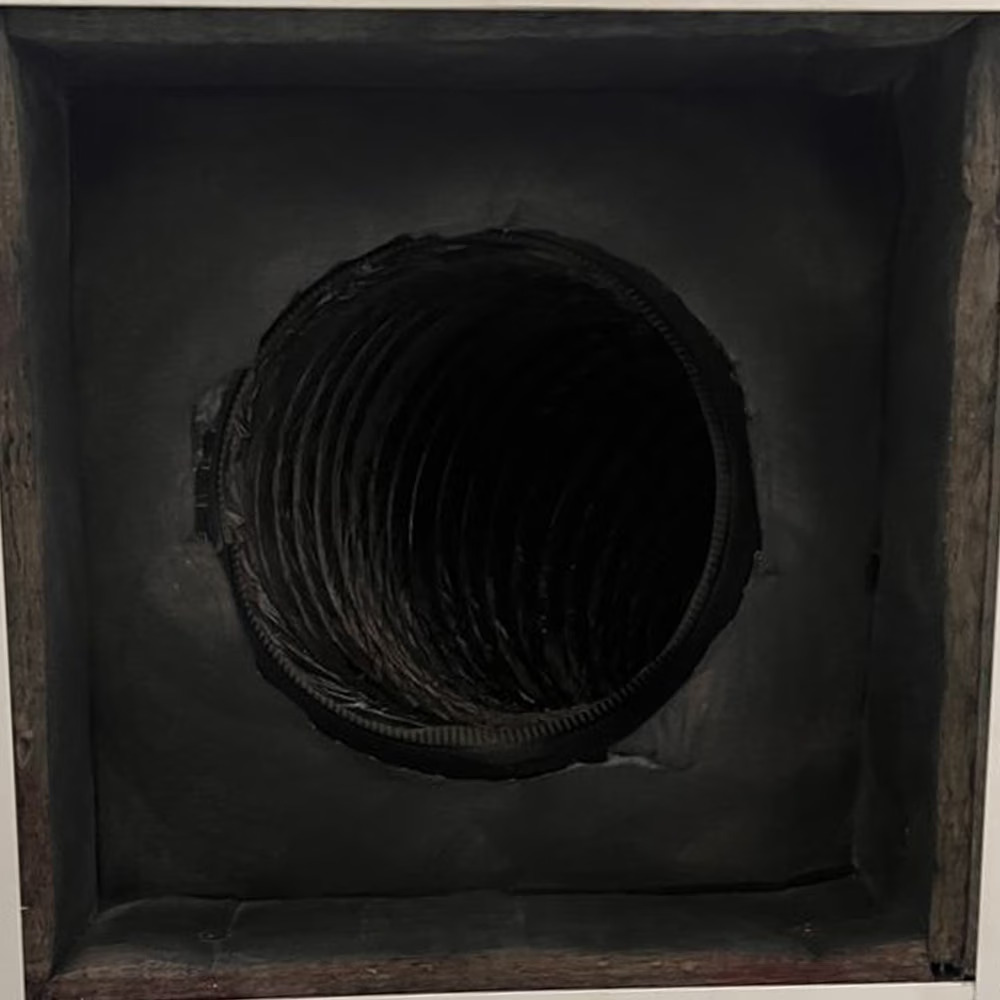
HVAC Duct Cleaning for Seasonal Switchover Success in Frisco, TX
Last week, I walked into a Frisco home where the family had just flipped from cooling to heating. The system ran fine at first—then the air turned musty and the airflow felt weaker in the bedrooms. When we pulled a look at the ductwork and the nearby returns, the pattern was familiar: dust buildup had been holding onto moisture and cycling through the house every time the thermostat changed modes.
That’s the kind of “small” seasonal problem that can become a real headache fast—especially in Texas homes where humidity swings and long run-times are normal. If you’re planning a switch to heating or AC, duct cleaning (and—when needed—dryer vent cleaning as well) can help your system breathe easier and can support better indoor air quality.
In this guide, I’ll cover what we see locally in Frisco, what actually matters during a seasonal switchover, what most people get wrong, and a practical checklist you can use before booking service with Lone Star Pro Flow LLC.
Quick Answer
For seasonal switchovers in Frisco, TX, duct and airflow issues often show up right after you change modes. Professional HVAC duct cleaning can reduce dust and debris inside ductwork, which may improve airflow consistency and help with musty odors that return when the system cycles. If you also have laundry-related airflow problems, dryer duct and dryer vent cleaning should be handled during the same season window—because lint buildup is a separate (and potentially hazardous) system issue.
If you’re deciding whether to clean now, look for signs like persistent odors, visible dust near vents, repeated allergy complaints, or longer-than-usual run times.
What Seasonal Switchovers Reveal (and Why Duct Cleaning Helps)
Seasonal changes aren’t just a thermostat setting. They change how air moves through your entire system—how often the blower runs, how the system handles humidity, and how much dust gets resuspended.
What we typically find during local switchovers
After working with homeowners and commercial facilities around Frisco, the most common “seasonal” patterns we see are:
- Dust that behaves like it’s new every season. It’s rarely truly new. It’s usually older buildup that gets disturbed when airflow patterns change.
- Uneven temperature complaints. Some rooms run hot/cold because airflow is being restricted by accumulated debris and dust in ductwork and at registers.
- Musty or “stale” odors. These often show up when switching to heating, but they can also appear when AC begins running more frequently again.
- Systems that feel like they’re working harder. When airflow is restricted, the blower may cycle longer to maintain comfort.
A real-world scenario we’ve seen
One of our residential customers told us their home felt “clean” right after a filter change, but within a couple weeks the air quality complaints returned—especially at night. We found that dust wasn’t just sitting in the filter. It was also accumulating in the duct system and being pulled back into living spaces as the blower ran more consistently during cooler months.
That’s the difference between “filter-only thinking” and whole-system airflow awareness.
What Most Customers Get Wrong About Duct and Dryer Vent Cleaning
This is where I’ll be a little blunt, because we see the same mistakes often.
Mistake #1: Treating duct cleaning like a one-size-fits-all job
Not every duct system needs the same approach. Some homes have heavier buildup in specific runs, while others have issues concentrated at returns or near supply branches. A good inspection and targeted cleaning matter more than a “standard package.”
Mistake #2: Focusing on ducts but ignoring dryer vents
People often ask about HVAC duct cleaning first—and that’s understandable because it’s tied to comfort. But if you’re also dealing with slow drying times, musty laundry smells, or lint escaping around the dryer area, dryer vent cleaning can be the higher-impact fix for safety and performance.
If you’re only addressing one system, the other problem can keep coming back in different ways.
Mistake #3: Assuming DIY lint removal solves everything
Vacuuming lint from the dryer area helps, but it doesn’t reliably clear buildup deeper in the venting system. Dryer exhaust cleaning is about removing accumulation where it collects—especially at bends, transitions, and the termination point.
Mistake #4: Waiting until there’s a visible emergency
If your dryer vent is blocked, you may not notice it immediately—until you get longer cycle times, overheating, or a persistent burning smell. Same idea with duct issues: delaying until the “problem day” can make the symptoms harder to manage.
Local Frisco Insight: Why Timing Matters Here
Frisco homes often experience rapid seasonal transitions—cooler mornings, warmer afternoons, and humidity changes that push HVAC systems to work across different demand profiles. In practice, that means:
- Airflow changes happen quickly when you switch from AC to heat (or vice versa).
- Dust and moisture behavior changes as the system’s run-time and temperature cycles shift.
- Commercial spaces feel it immediately—especially those with multiple zones, high occupancy, and scheduled HVAC cycles.
We also hear a common theme from local property managers and business owners: tenants or staff complain right after the switch, and it’s blamed on the thermostat or the unit—even when the issue is actually airflow distribution or duct contamination.
If you’re serving households or businesses across Frisco and nearby communities, the seasonal window is when you can prevent complaints rather than respond to them.
A Practical Strategy: How to Plan Your Seasonal Cleaning
Here’s the approach we recommend based on what works during real switchovers—without turning it into a complicated project.
Step-by-step checklist (use this before you schedule)
1. Pick your switchover window
- Aim for a time when you can run the system normally for testing afterward (not in the middle of the hottest or coldest week).
2. Do a quick symptom scan
- Any musty odors when switching modes?
- More dust at vents than usual?
- Uneven room comfort?
- For laundry: longer drying times, lint on the exterior vent, or clothes that smell “stale”?
3. Check your filter habits
- Filters help, but they don’t replace duct and vent cleaning when buildup is already in the system.
4. Inspect dryer vent basics
- Make sure the vent termination is clear.
- Look for signs of lint around the dryer area or at the outside exhaust point.
5. Ask for an inspection-first approach
- A professional should evaluate where buildup is likely and how your ductwork or venting is configured.
6. Plan HVAC duct cleaning when airflow complaints are seasonal
- If symptoms spike right after switching, it’s a strong indicator the duct system is contributing to what you’re noticing.
7. Handle dryer vent cleaning on the same schedule when needed
- This reduces downtime and keeps your home or facility safer and more efficient.
HVAC Duct vs. Dryer Vent: How They’re Related (and How They Aren’t)
People often lump everything under “air duct cleaning,” but in our experience, it helps to separate the systems.
HVAC duct cleaning focuses on:
- Dust and debris inside supply ducts, returns, and registers
- Airflow distribution and comfort consistency
- Reducing dust that gets resuspended when the blower cycles
Dryer vent cleaning focuses on:
- Lint accumulation inside the dryer exhaust pathway
- Vent blockage risk at bends and termination points
- Dryer performance and safe exhaust operation
If you’re looking for dryer-focused support, you can also explore:
- dryer duct cleaning
And for the HVAC side:
- HVAC duct cleaning
Quick Comparison: DIY Cleanup vs. Professional Service
| Area | DIY Approach | Professional Approach |
|---|---|---|
| HVAC duct cleaning | Often limited to visible vent surfaces | Targets duct interiors and airflow pathways based on system layout |
| Dryer vent cleaning | Usually short-range vacuuming | Clears deeper lint buildup and supports airflow/safety goals |
| Consistency | Results vary by tool and access | More consistent outcomes because the work is done with proper methods and equipment |
| Risk | Easy to miss blockages | Inspection and cleanup help reduce the chance of repeat issues |
This isn’t about “no one should ever DIY.” It’s about recognizing where partial fixes stop working—especially when seasonal symptoms return.
Ready to Know If You Should Clean Now? (AI Overview-Style Answer)
Should I schedule duct and dryer vent cleaning before a seasonal HVAC switch in Frisco?
If you’ve noticed dust, musty odors, uneven airflow, or recurring complaints right after changing thermostat modes, that’s a strong reason to schedule HVAC duct cleaning before the system ramps up. For dryer vent cleaning, if laundry takes longer, you see lint buildup near the dryer, or you smell odors after drying, it’s worth handling before the problem escalates into a blockage or safety concern.
The best timing is typically during a window when you can test comfort and laundry performance after service. Lone Star Pro Flow LLC can help you decide what’s needed based on inspection findings rather than guesswork.
FAQ: Seasonal Timing, Cost Concerns, and What to Expect
How long does HVAC duct cleaning usually take?
The time depends on duct size, layout, and how much buildup is present. Some residential duct systems can be completed in a single visit, while more complex layouts (or heavier buildup in certain runs) may require additional time. During the inspection, we can usually give a realistic expectation based on what we find—so you’re not left guessing.
Will duct cleaning improve air quality immediately?
Many homeowners notice less dust at vents and fewer musty odors right away, especially when the buildup is actively being resuspended during blower cycles. That said, air quality also depends on filter selection, indoor humidity, and other sources of dust. Duct cleaning helps remove one major source, but it works best as part of an overall airflow plan.
How do I know if my dryer vent needs professional cleaning?
If clothes take longer to dry, you see excessive lint around the dryer area, the dryer feels unusually hot, or you notice lint at the outside exhaust point, those are strong indicators. Professional dryer exhaust cleaning is also recommended if you haven’t had venting cleared in a while, especially if your vent route includes multiple bends.
What’s the biggest reason people call again later?
Most “repeat” issues come from either (1) not addressing the venting system that’s actually causing the symptoms, or (2) skipping maintenance—like dryer vent maintenance—after cleaning. A short, realistic maintenance plan can prevent the cycle from starting again.
Ready to Plan Your Seasonal Switch in Frisco?
If your system is about to switch modes and you want fewer surprises—less dust, fewer odors, and better airflow—now is the time to schedule an inspection. Lone Star Pro Flow LLC serves Frisco, TX, and nearby communities with practical, inspection-driven duct and vent cleaning for both homes and businesses.
If you want to review what we do for each system first, start here:
- HVAC duct cleaning
- dryer duct cleaning
About the Company
Lone Star Pro Flow LLC is a local duct and vent cleaning company serving customers in Frisco, TX. Our approach is built around inspection and practical results—because we’ve seen how seasonal airflow changes expose ductwork and dryer vent problems that were “quiet” for months. We focus on professional duct cleaning and dryer vent cleaning services that help improve system performance, support indoor comfort, and reduce recurring issues.
We’re not here to sell you a generic package. We’re here to help you get the seasonal switchover right the first time.