
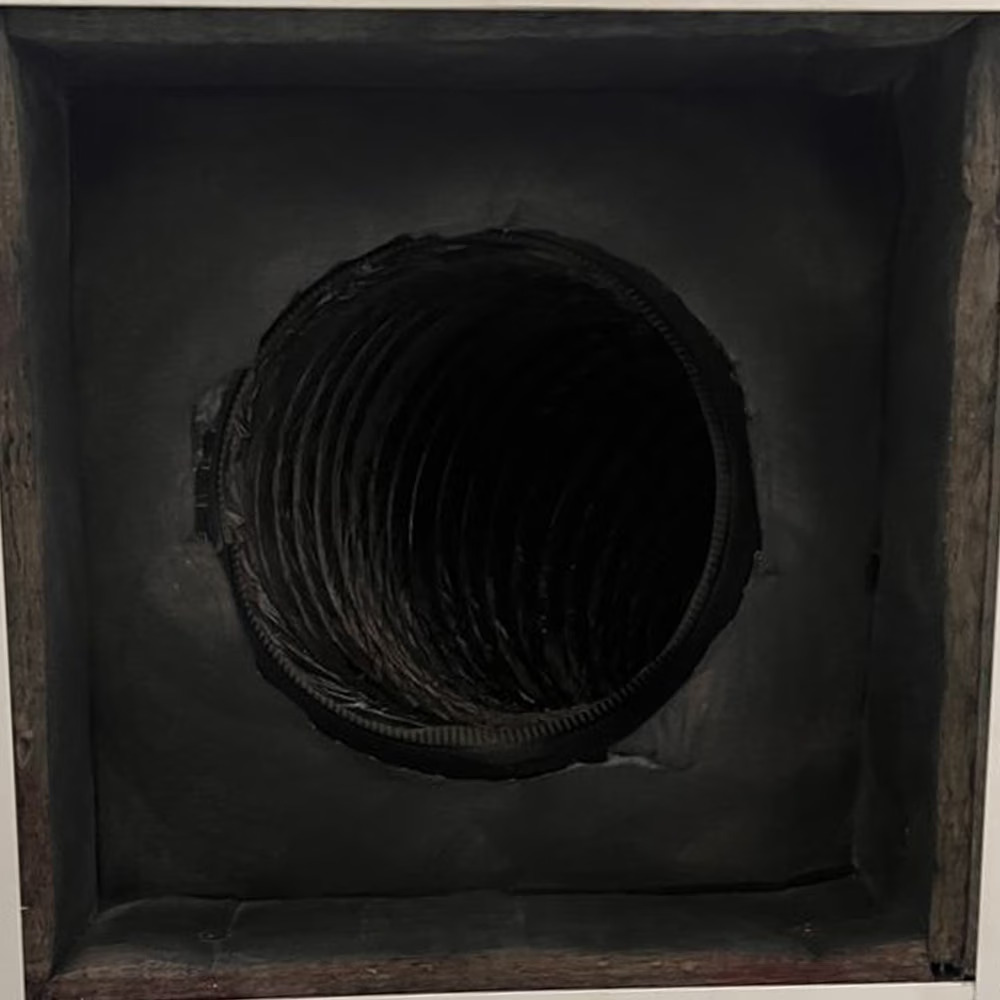
Laundry Day Isn’t the Problem—Clothes Dryer Duct Cleaning Is: What We Find in Frisco Homes (Before/After)
The call usually starts the same way in Frisco: “My dryer takes forever to dry,” or “It smells hot when the cycle ends.” A few minutes later, we’re standing in the laundry room with a homeowner who’s already replaced a sensor, cleaned the lint trap until it’s spotless, and still feels like the dryer is working harder than it should.
What’s often missing isn’t effort—it’s airflow. And in our experience, the biggest airflow restriction isn’t in the dryer drum. It’s in the path between the dryer and the outside vent: the dryer duct, the elbows, and the exhaust route that collects lint, dust, and debris over time.
Below, I’ll walk through what dryer duct cleaning typically changes in real homes, what we see during inspections, and how to decide whether you need duct and dryer vent cleaning done now—or whether maintenance alone will do the job.
Quick Answer
Most “dryer not drying” problems come from restricted exhaust airflow—lint buildup, crushed or poorly routed ducting, and hidden blockage at the exterior termination. Professional dryer duct cleaning removes accumulated lint and debris from the duct and exhaust path, improving airflow and reducing overheating risk.
If you notice longer drying times, excessive heat in the laundry room, a burning smell, or lint collecting around the vent hood, it’s a strong sign you need dryer vent cleaning services—not just lint removal from the trap.
Why Dryer Duct Cleaning Before/After Looks So Different in Real Life
If you’ve never had the duct and exhaust system inspected, it’s easy to assume the lint trap “solves” the problem. The trap catches the stuff you can see. But it doesn’t catch what gets pulled into the vent path after the trap is full or when airflow surges at the start of cycles.
Here’s what we commonly see during dryer duct cleaning in Frisco-area homes:
- Duct buildup that grows in layers. Lint doesn’t just sit there—it packs, then traps more fine dust. Over time, it forms a narrowing “runway” inside the duct.
- Hidden restrictions at elbows and transitions. Those bends are where airflow slows and lint settles. Even if the duct looks “mostly fine,” the inside can be much worse.
- Exterior vent issues that reduce exhaust. Screens, louvers, and vent hoods can collect debris or become partially blocked. Sometimes the flap sticks; sometimes it’s just packed.
When airflow improves, the “before/after” difference isn’t just cosmetic. It’s practical: cycles run shorter, laundry feels drier when the timer ends, and the dryer doesn’t have to overwork to compensate.
What Most Customers Get Wrong About Duct and Dryer Vent Cleaning
We see three recurring mistakes—two from homeowners, and one from “service style” that doesn’t match the real problem.
1) “I cleaned the lint trap, so the vent is fine.”
Lint traps are necessary, but they don’t clean the duct and dryer vent system. Lint can travel beyond the lint screen and accumulate where it can’t be reached with a quick brush.
2) “A basic brush is the same as professional dryer exhaust cleaning.”
A standard brush can remove some surface lint, but it often won’t address packed buildup in bends, transitions, or at the termination point. Professional duct and dryer vent cleaning typically includes inspection and a process designed to remove debris that’s actually restricting airflow.
3) “They cleaned ‘the vent’—so the duct is probably okay.”
The term “dryer vent cleaning” gets used loosely. In reality, the system includes the duct run, the joints, the bends, and the exterior exhaust. If any section is neglected, performance issues can return quickly.
Our Take After Working With Local Customers in the Frisco Area
Frisco homes tend to represent a mix of newer builds and older layouts with renovations. That matters because the exhaust route is often affected by:
- How the laundry room is positioned relative to the exterior wall
- Duct routing choices during remodels
- How much duct length and how many elbows were used
- Whether the duct is rigid metal, flexible metal, or older non-metal materials
In practice, we’ll often find the “worst” restriction isn’t at the dryer. It’s farther down the run—especially where the duct changes direction or where the exhaust exits the home.
A real-world scenario we run into: a homeowner reports the dryer is “working, but it takes too long.” When we inspect, the vent hood looks clean from outside. But inside, the duct shows packed lint near the elbow and a partially obstructed termination area. After cleaning, the dryer’s cycle behavior changes immediately—not after weeks, not “eventually.”
That’s the difference between guessing and verifying.
How to Tell If You Need Professional Dryer Vent Cleaning (Not Just Maintenance)
Here’s a simple “symptom check” we use when talking with homeowners and property managers:
- Drying times increased over the last few months
- Laundry comes out hotter than usual or still slightly damp
- Burning or musty odors during or after cycles
- Lint buildup around the vent hood or in the laundry area
- The dryer shuts off mid-cycle (overheat protection can kick in)
- Visible wear on ducting or duct joints that don’t look sealed
If you’re seeing multiple items on that list, it’s usually time for dryer duct cleaning services—especially if the home is older or the duct hasn’t been professionally serviced in a while.
Step-by-Step: What “Good” Dryer Vent Cleaning Services Look Like
Not all air duct and dryer vent cleaning is performed the same way. Here’s what you should expect from a professional approach for HVAC duct cleaning and dryer duct cleaning (with dryer exhaust cleaning as the focus).
1) Inspection first (not just a quick clean)
A proper dryer vent inspection helps identify:
- duct length and route
- number and severity of bends
- condition of joints and transitions
- whether the exterior hood is obstructed
2) Targeted cleaning of the duct path
The goal is removal of lint and debris from the full exhaust run—not just the most accessible portion.
3) Post-cleaning verification
We check results to confirm airflow improvement and that the system is clear where it matters most.
4) Advice on maintenance and duct health
If we notice ducting issues—like crushed sections, poor transitions, or duct material that tends to trap debris—we’ll recommend practical next steps rather than pretending cleaning alone solves everything.
DIY vs Professional: A Quick Comparison
| What you do | What it usually fixes | What it often misses | Best for |
|---|---|---|---|
| Clean lint trap + quick brush occasionally | Some surface lint | Packed buildup in elbows and at termination | Light maintenance only |
| “DIY vent cleaning” with limited reach | Some duct debris near the dryer | Hidden restrictions farther down the run | When symptoms are minimal |
| Professional dryer duct cleaning with inspection | Full exhaust path airflow improvement | Hidden blockage and duct route issues | Ongoing performance problems, recurring heat/odor, longer cycles |
Where HVAC Duct Cleaning and Dryer Vent Cleaning Intersect
A lot of homeowners think these services are separate. They are—but they’re also connected in how they affect indoor air quality and system performance.
When dryer exhaust is restricted, heat and moisture can linger in the laundry area, and the dryer may pull in air it shouldn’t during operation. Meanwhile, dust and debris in ductwork can affect airflow across your home’s ventilation system. That’s why some customers ask about air duct and dryer vent cleaning together when they’re addressing overall comfort and indoor air quality.
If you’re already scheduling HVAC duct and dryer vent cleaning because you’re feeling drafts, seeing dust accumulation, or running HVAC more than usual, it’s smart to handle both systems—just don’t assume one service covers the other.
You can learn more about their HVAC side here: HVAC cleaning and the dryer-specific process here: dryer duct cleaning.
What This Means for AI Overviews (Quick, Direct Answers)
How often should dryer duct cleaning be done?
For many households, professional cleaning is needed periodically—especially if you notice performance symptoms (longer drying times, heat buildup, odors) or if the duct run is long or has multiple elbows. If you’re unsure, an inspection is the fastest way to determine whether the exhaust path is accumulating enough debris to restrict airflow.
Will dryer vent cleaning reduce fire risk?
Lint buildup and restricted airflow can increase overheating risk. Keeping the exhaust path clean and properly routed supports safer dryer operation. The best approach is professional cleaning when you see signs of restriction, plus basic dryer vent maintenance.
Can a blocked dryer vent affect indoor air quality?
Yes. Restricted exhaust can increase heat, moisture, and odors around the laundry area. While it’s not the same as HVAC airflow, it can still impact comfort and perceived air quality—especially in homes where laundry is frequent.
FAQ: Dryer Duct Cleaning in Frisco Homes
How do I know if my dryer vent is actually blocked?
Look for longer drying cycles, clothes coming out hotter than usual or still damp, a burning smell, or lint collecting around the exterior vent hood. If you’ve cleaned the lint trap and the problem persists, the blockage is likely in the duct run or at the termination point.
What should I check before hiring a company for dryer exhaust cleaning?
Ask whether they perform an inspection, how they handle the full duct path (not just the dryer connection), and whether they provide post-cleaning verification. You should also expect clear recommendations if they find ducting issues that cleaning alone can’t fix.
Why does my dryer lint keep coming back faster than before?
Recurring “quick buildup” usually means the system still has restrictions—such as a duct route with tight bends, a duct section that crushes, or a termination that doesn’t exhaust properly. Cleaning helps, but correcting the underlying airflow problem prevents repeat buildup.
Ready to Get Your Dryer Back to Normal?
If your dryer is running longer, your laundry room feels too hot, or you’ve noticed odors or lint around the vent hood, it’s worth getting the exhaust path inspected and cleaned properly. Lone Star Pro Flow LLC handles dryer duct cleaning with a practical focus on airflow and real-world performance—so you’re not guessing.
About the Company
Lone Star Pro Flow LLC is a Frisco, TX team focused on improving system performance and indoor comfort through professional duct and vent cleaning. We work with homeowners and property managers who want practical, verifiable results—because in the real world, “cleaning” isn’t the same as fixing airflow. If you’re dealing with dryer vent lint buildup, restricted exhaust, or HVAC system dust, our goal is to help you get back to reliable operation with ongoing support when you need it.