
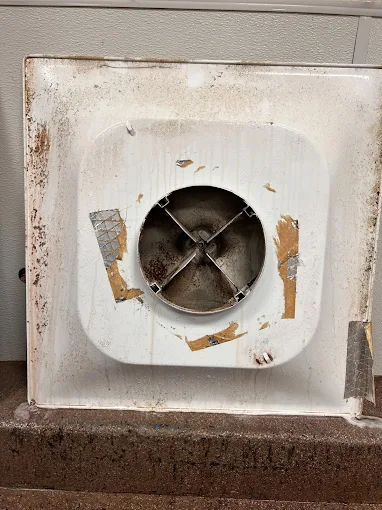
Prevent Moisture Problems With HVAC Duct Cleaning: A Frisco, TX Guide for Homeowners & Businesses
Last summer, a client in Frisco, TX called us after noticing a musty smell that showed up right when the AC kicked on. No plumbing leaks—no obvious roof issues—just humid air and a “damp house” feeling that wouldn’t go away. When we inspected their system, the HVAC return path and ductwork had visible debris and moisture-friendly buildup. The strange part? The problem didn’t start as a “duct problem.” It started as a comfort problem—and it turned into an indoor air quality issue.
That’s why this guide matters locally. In North Texas, indoor humidity can be relentless, and HVAC systems quietly collect what’s floating in the air. When ducts and returns are neglected, that buildup can trap moisture, contribute to odors, and worsen comfort complaints. Below, we’ll walk through what actually helps, what to check, and how to decide when HVAC duct cleaning belongs on your maintenance plan.
Quick Answer
HVAC duct cleaning can help reduce moisture-related symptoms—like musty odors, persistent damp air feeling, and visible dust—when the root cause is contamination inside the duct system (especially returns, supply branches, and air handler components). It’s most effective when paired with the right diagnosis: airflow issues, humidity control, and any source of moisture (from the home or the HVAC system itself). In Frisco’s humid stretches, duct cleaning is often a practical step, but it’s not a substitute for fixing leaks, addressing poor filtration, or correcting improper HVAC setup.
How Moisture Ends Up in Ducts (and Why Cleaning Can Matter)
Moisture doesn’t usually “appear” inside ductwork out of nowhere. More often, it’s a chain reaction:
1. Airflow changes
Restricted airflow from debris, dust accumulation, or duct obstructions can cause uneven cooling and temperature swings. Those swings can increase the chance of condensation in certain sections of the system.
2. Humidity rides along with airflow
If indoor humidity is high (common during long humid periods), the air moving through your system carries moisture. Over time, that can contribute to dampness in dust-loaded areas.
3. Buildup holds onto moisture
Dust, lint, drywall particles, and other contaminants inside ducts act like “sponges.” Even if the duct walls aren’t actively leaking, moisture can cling to buildup and create odors—especially when the system cycles.
4. Condensate issues get blamed on the wrong thing
Sometimes the moisture source is the air handler drain line, an improperly installed condensate pump, or a failed drain pan. If someone cleans ducts without checking these components, the problem can return.
A real-world scenario we see often
In residential homes and small offices, we’ll frequently find that the return side is overlooked. Homeowners remember to change filters, run the fan occasionally, and clean registers. But the return duct path—where air gathers from the rooms before it gets filtered again—can collect dust and contaminants that never get addressed by simple register cleaning. If humidity is elevated, that buildup can contribute to odors that appear only during AC operation.
What Most Customers Get Wrong About Duct Cleaning (Our Take After Local Experience)
There are a few patterns we see in the Frisco area that lead to wasted time or recurring complaints:
1) Treating duct cleaning like a one-size-fits-all “deep clean”
Not every system needs the same level of intervention. If the main issue is condensate drainage, high indoor humidity, or a poorly sized unit, duct cleaning alone won’t solve the underlying cause.
2) Focusing on supply vents and ignoring returns
Registers get dusty. Returns get neglected. But it’s the total airflow path—especially returns—that often holds the story.
3) Assuming “no visible mold” means “no moisture problems”
Moisture-related issues don’t always show up as obvious mold patches. Sometimes it’s odors, dust that behaves oddly, or dampness that’s tied to cycling patterns.
4) Choosing based on price alone
Cheap duct cleaning can mean minimal agitation, weak inspection, or cleaning that doesn’t address the air handler and airflow components. That’s how you end up paying again—often within the same season.
When You Should Consider HVAC Duct Cleaning in Frisco (and Nearby Communities)
Frisco homes and commercial spaces tend to have a few common realities:
- Long cooling seasons with high humidity
Moisture management becomes a year-round comfort concern, not just a “summer annoyance.”
- Higher occupant expectations for indoor comfort
Homeowners and facility managers notice issues quickly—especially odors and uneven cooling.
- Systems that run hard during peak demand
When HVAC systems cycle more frequently, any contamination inside the ductwork gets stirred up and redistributed.
Residential clues that duct cleaning may help
- Musty smell during AC operation (or shortly after it starts)
- Excess dust settling on surfaces soon after cleaning
- Visible debris around registers/returns
- Persistent “stale air” even after filter changes
- Allergy-like symptoms that worsen during cooling season
Commercial clues that duct cleaning may help
- Odor complaints tied to certain zones or return paths
- Increased dust on ceilings, furniture, or display areas
- Comfort complaints that track with occupancy schedules
- Maintenance callbacks because cleaning “doesn’t seem to last”
We also regularly support customers across the surrounding area with the same basic principles—inspect first, address the moisture source, then clean the system where it’s actually needed.
The Practical Strategy: How We Approach Moisture-Related HVAC Duct Issues
If you want results that stick, you need a process—not just tools. Here’s the approach we recommend (and the one we follow with Primary Service customers in Frisco):
Step-by-step checklist (use it before, during, and after cleaning)
Before scheduling
- Ask what will be inspected first: returns, air handler areas, and the airflow path—not just vent openings.
- Confirm your current filtration (filter type and change schedule). If filtration is weak or inconsistent, cleaning won’t stay “clean.”
- Check whether indoor humidity is high. If you have a hygrometer, note typical readings during humid days.
During the appointment
- Request a brief explanation of what they’re seeing in the system (especially return ducts and air handler components).
- Ensure the team uses methods that match the duct type and contamination level.
- Make sure they address air handler and connection points, not only the straight duct runs.
After cleaning
- Replace filters and verify correct airflow settings.
- Watch for symptom changes over the next 1–2 weeks (odor and dust patterns often shift with airflow and humidity control).
- If moisture issues persist, get the system checked for condensate drain problems, duct leaks, or HVAC sizing issues.
HVAC Duct Cleaning vs. Dryer Vent Cleaning: Don’t Mix Up the Fixes
Moisture and airflow issues sometimes send people down the wrong path. A musty smell might lead you to the HVAC first, but a dryer vent problem can also create humidity and odor inside the home.
If you’re handling both concerns, keep them separate:
- HVAC duct cleaning targets contamination and airflow issues within the heating/cooling system.
- Dryer duct and dryer vent cleaning targets lint buildup, airflow restriction, and venting performance.
If you’re also dealing with laundry vent concerns, you can review dryer-focused service guidance here:
- dryer duct cleaning
And for system overview help:
- HVAC services
Quick Comparison: DIY “Cleaning” vs. Professional HVAC Duct Cleaning
| Approach | What it usually addresses | What it often misses | Best for |
|---|---|---|---|
| DIY vacuuming registers | Surface dust at vent openings | Returns, air handler areas, deeper duct contamination | Light, occasional maintenance |
| “Blow-and-spray” methods | Loose debris near accessible areas | Moisture-holding buildup deeper in ducts | Not recommended for moisture-related symptoms |
| Professional inspection + duct cleaning | Full airflow path inspection, targeted cleaning, system-specific approach | Won’t fix humidity/condensate problems without diagnosis | Comfort complaints, odors, recurring dust |
If moisture symptoms are involved, the inspection step matters as much as the cleaning.
FAQ: Moisture, Duct Cleaning, and What You Should Ask
How do I know if my moisture issue is coming from ducts?
Look for patterns. If odors or damp air feelings show up primarily during AC cycles, ducts/returns may be contributing—especially if you also see dust buildup after cleaning. Still, duct contamination isn’t the only cause. A proper HVAC inspection should also check condensate drainage, drain pan condition, and air handler operation.
Should I clean ducts if I recently changed my air filter?
Changing filters helps prevent new buildup, but it doesn’t remove what’s already inside ductwork and the air handler pathway. If you’re still experiencing odor, dust, or comfort issues, cleaning may be worthwhile—especially if your system has been running through humid seasons.
Why does my home feel dusty even after regular cleaning?
Dust can be redistributed by HVAC airflow. If return ducts are collecting debris, the system can keep pulling contaminants in and pushing fine particles around. That often requires more than register dusting.
How often should HVAC duct cleaning be done?
There’s no universal schedule that fits every home or business. We base frequency on system condition, occupant needs, filtration performance, and whether you’re seeing symptoms (odor, dust, comfort complaints). In many cases, duct cleaning is best treated as “when needed after inspection,” not as a yearly routine.
Ready to Get Your System Back to Dry, Clean Air?
If you’re in Frisco and dealing with musty smells, recurring dust, or AC-season comfort complaints, the next step is a real inspection—not guesswork. Lone Star Pro Flow LLC can help you identify whether HVAC duct cleaning is the right move for your system and whether moisture is being driven by ducts, airflow, or condensate-related issues.
About the Company
Lone Star Pro Flow LLC is a local HVAC-focused team serving customers in Frisco, TX, with hands-on experience diagnosing comfort and airflow problems tied to indoor air quality. Our work emphasizes inspection first, targeted cleaning second, and practical follow-through so your system performs the way it should—especially during the long humid stretches when moisture issues tend to show up.