
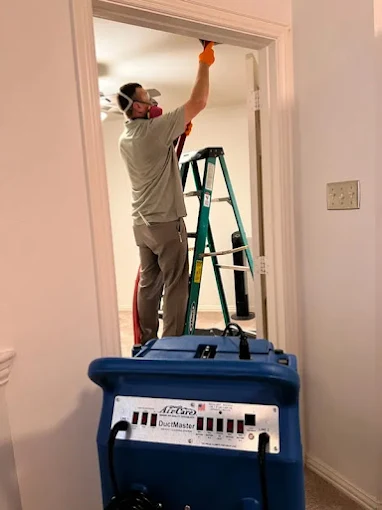
If your clothes are taking longer to dry in Frisco, TX, it is usually not the dryer itself. Dryer duct and vent restrictions can slow airflow, trap lint, and make every load run longer than it should. This guide explains what to check, what cleaning typically addresses, and when to call for professional dryer exhaust cleaning.
A few days ago, a homeowner in Frisco noticed the same pattern: the dryer seemed to run forever, yet clothes still felt slightly damp at the end of the cycle. The lint screen was clean, the vent looked “clear” from the outside, and the dryer had been working fine for years.
That combination is common when lint builds up deeper in the duct path or at bends where airflow slows. This article will help you understand the difference between surface lint and a true airflow restriction, what a dryer vent inspection should look for, and how duct and dryer vent cleaning services can support faster dry cycles.
Quick Answer
If your dryer is taking longer, the most likely cause is restricted airflow from lint buildup inside the dryer duct and at the dryer exhaust vent. Start with a basic check: clean the lint screen each load and verify the outside vent flap opens freely. If drying is still slow, schedule professional dryer duct cleaning services that include a thorough inspection of the duct route and the exhaust vent, not just the exterior opening. For many homes, a duct cleaning and dryer exhaust cleaning approach helps restore airflow and supports faster, more consistent dry cycles.
What to Check First
Before scheduling air duct cleaning or ductwork cleaning alongside dryer work, it helps to pinpoint where the restriction is occurring. Here are practical checks that homeowners in Frisco can do without special tools.
1) Confirm the lint screen routine
Clean the lint screen before every load. If you notice wet lint or clumping, that can indicate dryer lint removal is not keeping up with the amount of lint produced by your laundry mix.
2) Check the outside exhaust vent flap
After the dryer runs for a minute, confirm the flap moves and airflow feels strong at the exterior termination. A vent blockage removal issue can happen even when the opening looks “mostly clear.”
3) Look for duct layout red flags
Long duct runs, multiple turns, and poorly connected sections often collect dryer vent lint removal. If you know your duct path has tight bends, it is a good sign the issue is deeper than the outside vent.
Main Things Customers Should Understand
Dryer duct cleaning is not just about “getting lint out.” The goal is to restore airflow through the full dryer duct system so the dryer can do its job efficiently. Below are the factors that most often determine whether dryer vent cleaning services will make a noticeable difference.
Professional observation: Dryer exhaust cleaning problems are frequently concentrated at transitions and bends. Lint can settle where airflow slows, and that is where customers often feel the biggest impact during dry cycles.
Airflow restriction vs. sensor behavior
Some dryers use moisture sensing or timed cycles. When airflow is restricted, moisture removal slows, and a load may finish “on schedule” but still feel damp. That is why duct and dryer vent cleaning can improve results even when the dryer seems to operate normally.
Lint buildup is not always visible
You might see little or no lint at the outside vent, especially if the duct run is long or has elbows. Dryer lint removal inside the duct can still be needed when lint has accumulated farther back. This is also why a dryer vent inspection matters.
Residential vs. commercial setups
In residential homes, the duct path is often shorter, but it still may include tight turns behind walls or in laundry closets. In apartments, condos, and multi-unit buildings, shared or standardized duct routes can create recurring airflow issues. Commercial duct and dryer vent cleaning may also need coordination with building access schedules.
How professional cleaning typically helps
Professional dryer duct cleaning services generally focus on the entire dryer exhaust route, supporting removal of lint and debris that contribute to duct and dryer vent cleaning needs. If you are also considering HVAC duct cleaning, it is smart to separate priorities and address the dryer system when drying performance is your immediate problem.
| What you’re noticing | Most likely related problem | Best first service focus |
|---|---|---|
| Clothes take longer to dry, even with a clean lint screen | Restricted airflow in dryer duct and dryer exhaust vent | Dryer duct cleaning |
| Musty laundry smell or visible lint around the laundry area | Lint and airflow issues at the exhaust termination and duct joints | Dryer vent cleaning |
| Uneven heating or dusty HVAC air vents | Air duct and vent cleaning needs in the HVAC system | HVAC duct and vent cleaning |
| You want one maintenance plan for indoor air quality | Multiple systems contributing to indoor air quality and airflow | Coordinate HVAC duct and dryer vent cleaning based on observed symptoms |
Why This Matters in Frisco, TX
In Frisco, TX, laundry routines often stay consistent across seasons, which means small dryer airflow issues can become noticeable quickly. When duct and dryer vent cleaning is delayed, lint can build up faster in the duct route where airflow slows, especially in laundry closets and utility areas with longer runs or multiple turns.
If you are looking for air duct and dryer vent cleaning in the same area, Lone Star Pro Flow LLC can help you focus on the system that is currently affecting performance. For many homeowners, addressing dryer exhaust vent cleaning first is the most practical step when the complaint is “my clothes are not drying” rather than “my HVAC feels dusty.”
Need dryer duct cleaning for faster dry cycles?
Call Lone Star Pro Flow LLC at (972) 532-7959 and we will help you choose the right next step for dryer vent cleaning services in Frisco, TX and nearby areas.
Common Mistakes to Avoid
Most dryer problems are not “mysteries.” They usually come from predictable maintenance gaps or incorrect assumptions about where lint accumulates. Here are the most common mistakes customers make when dealing with dryer duct cleaning and dryer vent lint removal.
Avoid this: Cleaning only the lint screen and checking only the outside vent opening. Lint often collects inside the duct at bends, elbows, and transitions, where it is not visible from the exterior.
- Assuming “the outside looks fine” means the system is clear. A vent blockage removal issue can still exist deeper in the duct path.
- Using the dryer more frequently without addressing airflow. If drying time increases, treat it as a signal to inspect dryer exhaust cleaning needs.
- Overlooking duct connections and transitions. Poorly connected sections can collect lint and restrict airflow.
- Mixing up HVAC and dryer symptoms. HVAC duct cleaning and dryer vent cleaning are related to indoor air quality, but they are different systems with different airflow paths.
Customer Checklist
- Clean the lint screen before each load and remove lint buildup from the screen housing area.
- Verify the outside exhaust vent flap opens freely during operation.
- Notice whether drying time has increased or whether loads feel damp at the end of the cycle.
- Think about the duct path: long runs, tight turns, and laundry closet layouts often collect lint.
- Plan for a dryer vent inspection when performance issues persist after basic maintenance.
- If you also run into HVAC dusting concerns, consider HVAC duct cleaning services as a separate priority based on symptoms.
Representative scenario
A couple in Frisco had a typical laundry setup: a dryer located in a utility area with a duct run that includes a couple of turns before reaching the exterior wall. The lint screen was cleaned every load, and the outside vent opening did not look clogged. Still, towels were consistently coming out damp, and the cycle time felt longer than it used to.
After a dryer vent inspection, the source of the restriction was found along the internal duct route where lint tends to collect at slower airflow points. Once dryer duct cleaning addressed the buildup through the exhaust path, drying performance improved and loads came out more consistently dry.
Frequently Asked Questions
How do I know I need dryer duct cleaning instead of just routine lint screen maintenance?
If drying time increases, loads feel damp at the end of the cycle, or you notice musty odors around laundry, those are strong indicators the airflow path is restricted. Lint screen maintenance helps, but lint can still accumulate inside the dryer duct and at bends that you cannot see from the outside. A dryer vent inspection can confirm whether there is buildup affecting airflow, which is what professional dryer exhaust cleaning is designed to address.
What’s the difference between dryer vent cleaning and dryer exhaust vent cleaning?
In plain terms, both focus on the dryer’s exhaust system. Dryer vent cleaning is often used as a broad term for cleaning the duct and termination points. Dryer exhaust vent cleaning typically emphasizes the full exhaust route and the exterior termination where airflow exits the home. In either case, the practical goal is to remove lint and debris from the duct and vent path so the dryer can vent moisture efficiently.
Can air duct cleaning and dryer vent cleaning be done together?
They can be coordinated, but they are not the same system. Air duct and dryer vent cleaning address different airflow pathways. If your main complaint is slow drying, it usually makes sense to start with dryer duct cleaning since that directly impacts dryer performance. If you are also dealing with HVAC dust or indoor air quality concerns, you can plan HVAC duct and vent cleaning as a separate priority based on symptoms.
Do apartment dryer vent cleaning and condo dryer vent cleaning work differently?
Apartment and condo setups can be different because ducts may be routed through shared or standardized building paths, and access can be more limited. That means coordination matters. The core objective is still to remove lint and debris from the duct and exhaust vent path, but the inspection approach and access planning may take building layout into account. A professional technician can tailor the process to the specific dryer duct route in your unit.
What should I ask about a dryer vent inspection?
When you schedule dryer vent inspection services, ask what the technician will check along the full duct route, not just the outside opening. You can also ask whether the inspection will look for areas where lint tends to collect, such as bends and transitions. If you are comparing options, it helps to ensure the service focus matches your symptoms, especially if you are searching for duct cleaning and dryer vent cleaning services in Frisco, TX and nearby areas.
Get your dryer exhaust route checked by Lone Star Pro Flow LLC
If your goal is faster, more consistent dry cycles, the practical next step is a dryer duct cleaning approach that addresses the airflow restriction. Contact Lone Star Pro Flow LLC today for dryer vent cleaning and dryer duct cleaning services in Frisco, TX.
Contact Lone Star Pro Flow LLC