
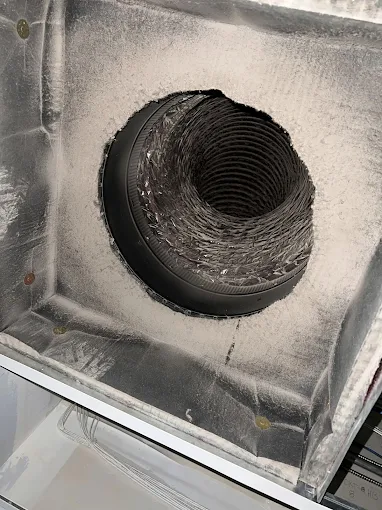
After a remodel, it is common to notice dust settling in rooms, lingering drywall odor, or airflow that feels different. This guide explains what to check in your ductwork and dryer vent system after construction, what “done right” looks like, and when you should consider professional duct and dryer vent cleaning in Frisco, TX.
You finally finished the kitchen update, new flooring is down, and the crews are gone. A week later, you are still wiping fine dust off vents and furniture, and you can smell that “freshly renovated” scent that seems to come and go with the HVAC running.
If your HVAC system or clothes dryer has been pulling air through dusty spaces during remodeling, that dust can end up in ductwork and on vent surfaces. The right duct and dryer vent cleaning helps reduce the cycle of debris recirculation and improves how your system feels day to day.
This guide walks you through what typically happens during renovations, what to inspect first, and how to decide between duct cleaning, dryer duct cleaning, or air duct cleaning and dryer vent cleaning together.
Quick Answer
After renovations, the fastest way to tell whether duct and dryer vent cleaning is worth it is to check for visible dust at registers, a musty or drywall-related odor that returns when the HVAC runs, and dryer performance issues like longer dry times or lint buildup near the laundry area. If you see dust inside vents or your dryer exhaust seems slower than usual, prioritize HVAC duct cleaning and dryer duct cleaning together. For the cleanest results, have a technician inspect both systems first so cleaning matches what debris is actually present.
What to Check First
Before you schedule any work, do a quick, practical inspection. You are looking for signs that remodeling debris made its way into the air pathways of your home.
HVAC clues
- Dust patterns around supply returns and grilles that did not exist before the remodel.
- Whistling or airflow that feels uneven room to room.
- Odors that show up when the system starts up.
Dryer clues
- Longer dry cycles than usual.
- Laundry vent lint buildup or a dusty smell in the laundry area.
- The dryer exhaust feels weaker at the outside vent.
Construction clue
- Any work that opened walls, moved duct sections, or ran new wiring close to ductwork.
If you can access your vent openings safely, use a flashlight and look for dust accumulation inside the first visible section. Do not scrape aggressively. The goal is to confirm whether you are dealing with debris, not to damage duct lining or components.
Professional observation: After remodeling, we commonly see dust and fine particulates settle where air moves most. When homeowners notice dust returning after wiping, it is often because HVAC duct cleaning and dryer vent cleaning were not addressed along with the construction cleanup.
Main Things Customers Should Understand
Renovations can affect both air distribution and exhaust systems. Understanding the difference helps you choose the right service plan for your home.
1) Why remodeling dust shows up in HVAC systems
During remodeling, drywall work, sanding, and debris cleanup can stir particles into the air. If ductwork is exposed, temporarily disconnected, or located near construction paths, those particles can settle inside supply and return ducts. Once the HVAC runs, the system can continue circulating that debris through the home.
2) Why dryer vents need attention after construction
Dryer lint removal is not just about convenience. When vent maintenance is delayed, lint can collect in the duct and at bends, reducing airflow. After remodeling, the dryer exhaust route may have been disturbed, rerouted, or cleaned in ways that do not fully address the duct interior. This is why clothes dryer vent cleaning and dryer exhaust cleaning are often paired with HVAC duct and dryer vent cleaning after renovations.
3) Decide between HVAC duct cleaning, dryer duct cleaning, or both
Some homes only show HVAC dust issues, while others show dryer performance and laundry-area lint problems. When in doubt, treating both systems together can reduce repeat cleanup and help you resolve the symptoms you are noticing.
| What you notice after remodeling | Most likely system impacted | Recommended next step |
|---|---|---|
| Dust on vents, dust that returns after cleaning | Air duct cleaning | Schedule HVAC duct cleaning services for supply and return ducting. |
| Longer dry times, heavy lint buildup | Dryer vent lint removal | Schedule dryer vent cleaning and dryer duct cleaning services. |
| Odors when the HVAC runs | Indoor air duct cleaning | Check HVAC ductwork first, then address dryer exhaust cleaning if laundry smells persist. |
| Renovation included opening walls near duct runs | HVAC system cleaning | Consider ductwork cleaning for the affected areas and verify airflow across vents. |
4) A firsthand-style scenario you might recognize
Imagine a Frisco homeowner who remodeled a hallway and replaced flooring. The project involved sanding and frequent vacuuming, and the HVAC ran during the final days to keep the home comfortable. A few days after move-in, the homeowner noticed fine dust on return grilles and a faint drywall odor that appeared whenever the AC kicked on. In that situation, dust had likely settled inside HVAC duct and vent paths. Addressing duct cleaning and confirming dryer vent performance helped stop the “it keeps coming back” cycle.
Why This Matters in Frisco, TX
In Frisco, TX, homes rely heavily on HVAC for cooling comfort, especially during warmer stretches. When the AC runs more frequently, any construction dust inside HVAC ductwork has more chances to circulate indoors. If you recently remodeled and you are now running cooling or heating more often, you may notice symptoms sooner than you would in a less-used season.
Many local properties also have older ductwork configurations or tight laundry spaces where the dryer vent route includes bends. After remodeling, those bends can trap lint, making dryer vent maintenance even more important. If you are considering HVAC duct cleaning, it can help to also review your dryer vent layout so you do not fix one airflow problem while another remains.
Related service options
- Dryer duct cleaning for laundry-area lint and airflow concerns
- HVAC duct cleaning for air duct and vent cleaning after construction
Get clarity on HVAC duct and dryer vent cleaning after your remodel
If you are seeing dust at registers, noticing odors that return with the system, or your dryer feels slower than before the project, Lone Star Pro Flow LLC can help you choose the right next step for air duct and dryer vent cleaning in Frisco, TX.
Call or contact Lone Star Pro Flow LLCCommon Mistakes to Avoid
After renovations, homeowners often try a few shortcuts. Some help, but others can miss the root cause.
- Only vacuuming the rooms and assuming the HVAC is clean. Dust can remain inside ducts and return when air moves.
- Cleaning grilles but skipping ductwork. Surface dust can look solved while fine particulates remain deeper in the system.
- Waiting too long on dryer vent lint removal. If the dryer exhaust is restricted, performance issues can worsen and lint can accumulate in hidden sections.
- Using the dryer to “burn off” odors. Odor can come from dust in HVAC or from lint trapped in the dryer exhaust path.
- Assuming both systems were addressed during construction. Construction cleanup rarely includes full HVAC vent cleaning or professional dryer exhaust vent cleaning.
Customer Checklist
Use this checklist to decide what to handle now and what to schedule next.
- Check supply and return grilles for dust buildup that appeared after remodeling.
- Note any HVAC-related odors that show up when AC or heat cycles.
- Confirm whether your dryer dry times changed after construction.
- Look for lint buildup around the laundry area and at accessible vent points.
- Verify the airflow from the outside dryer vent feels normal (not weak or obstructed).
- Plan to clean both HVAC duct cleaning and dryer duct cleaning when symptoms overlap.
Practical recommendation
If your remodel involved sanding, drywall work, or any duct exposure, start with an inspection. Then prioritize HVAC duct cleaning if you are seeing recurring dust at registers or noticing odors when the system runs. Prioritize dryer vent cleaning if your dryer feels slower, lint buildup is frequent, or you suspect a blockage. When both systems show signs, scheduling air duct cleaning and dryer vent cleaning near me together helps you finish the job once, not twice.
A simple way to choose
Ask yourself one question: “Is the problem tied to air movement from the HVAC, the exhaust from the dryer, or both?” If you answer “both,” it is usually more efficient to address HVAC vent cleaning and dryer lint removal as a matched set.
Frequently Asked Questions
How soon after remodeling should I consider air duct cleaning and dryer vent cleaning?
Most homeowners notice symptoms within days to a few weeks, such as dust returning around vents or odors that appear when the HVAC runs. If your remodel included drywall sanding, duct exposure, or any work near the HVAC runs, it is reasonable to check your vents sooner. For dryer duct cleaning, consider it when you see longer dry cycles, increased lint buildup, or reduced exhaust strength. If you are unsure which system is driving the issue, an inspection can help you focus on the right service.
What are common signs of a dryer vent blockage after a renovation?
After remodeling, dryer vent lint removal becomes more urgent if drying time increases, loads feel warmer but not fully dry, or you notice lint accumulation near the laundry area. You may also feel that the outside exhaust does not move air as strongly as it used to. These symptoms can point to dryer exhaust vent cleaning needs, especially if the vent route includes bends that collect lint. If you suspect a blockage, schedule professional dryer vent cleaning services rather than only cleaning what you can reach.
Will duct and dryer vent cleaning help with indoor air quality?
Duct cleaning and dryer vent cleaning are often pursued as part of indoor air quality and dryer vent cleaning routines, particularly after renovations that create dust. When dust and particulates build up inside air ducts or are stirred back into the home by HVAC airflow, they can contribute to a dusty feel and odors. Cleaning the HVAC ductwork and addressing dryer lint and exhaust pathways can reduce recurring debris. For the best results, match the cleaning approach to what you observe, such as dust on registers and dryer performance changes.
Is HVAC vent cleaning different from duct cleaning?
In everyday conversation, “HVAC vent cleaning” and “duct cleaning” are often used interchangeably. The practical difference is scope. A customer might clean only the visible grilles, while duct cleaning services focus on cleaning inside the ductwork system that distributes air throughout the home. After renovations, that deeper cleaning matters because fine debris can settle beyond the grille. If you are specifically noticing dust returning around registers or airflow changes, ask for ductwork cleaning rather than only surface cleaning.
Can I handle dryer lint cleaning myself instead of professional dryer duct cleaning services?
You can help with basic dryer lint removal, but DIY cleaning typically reaches only the accessible areas. Dryer duct cleaning services address the vent interior more completely and are helpful when you suspect lint buildup in hidden sections, bends, or areas affected by remodeling. If you are dealing with longer dry times or a persistent dusty smell, professional dryer exhaust cleaning is a practical next step. It also helps ensure you do not miss trouble spots that are not visible from the laundry room.
Ready to wrap up the remodel clean with duct and dryer vent cleaning?
For homeowners and property managers in Frisco, TX, Lone Star Pro Flow LLC can help you target the ductwork and dryer exhaust areas most likely affected by remodeling dust. If your HVAC duct and dryer vent cleaning symptoms overlap, it is often the most efficient way to get back to clean, comfortable airflow.
Call Lone Star Pro Flow LLC