
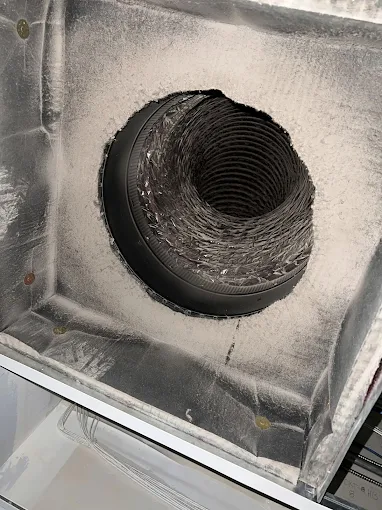
Prevent Dust Allergies With HVAC Duct Cleaning Services
If you are noticing more dust on surfaces, allergy flare-ups after the air runs, or a musty smell that seems to return, your duct system may be circulating settled particles. This guide explains what duct and vent cleaning can do, what to check first, and how to decide what service makes sense for your home in Frisco, TX.
After a long day, you wipe down counters, vacuum the floors, and still feel like the dust comes back too fast. A few hours later, the HVAC runs, and the air seems to stir things up. If you or someone in your household has allergies, that cycle can feel frustrating because symptoms do not always match what you see in the room.
In Frisco, TX, seasonal changes and air conditioning run-times can push dust and debris deeper into the system over time. This guide will help you understand when HVAC duct cleaning is worth considering, what warning signs to look for, and what questions to ask before duct and vent cleaning begins.
- Quick answer
- What to check first
- Main things customers should understand
- Why this matters in Frisco, TX
- Common mistakes to avoid
- Customer checklist
- Frequently asked questions
Quick Answer
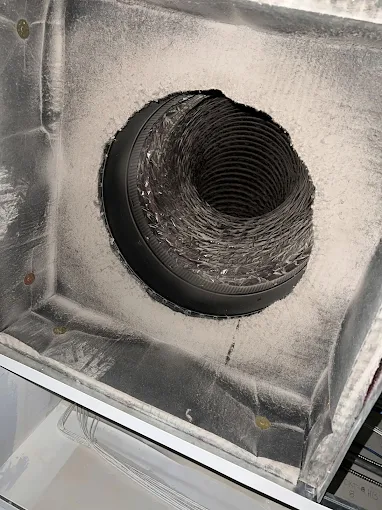
HVAC duct cleaning can help reduce dust that is being moved through your air vents, especially when you have visible buildup, persistent musty odors, or symptoms that seem to rise after the system runs. The most practical first step is to confirm the problem source: check return vents, airflow patterns, and whether your dryer vent system also needs attention. If you are primarily dealing with allergy triggers, plan for professional duct and vent cleaning that includes proper cleaning methods and attention to the full airflow path in your home. If you would like a second opinion, Lone Star Pro Flow LLC can review your HVAC setup.
What to Check First
Before scheduling duct cleaning, spend a few minutes checking the areas that most directly influence what you breathe. Start with the return side of your system because it pulls air in, bringing dust and debris back into the ductwork. Then verify whether you have another source of particulates that cleaning ducts will not fully address.
Check airflow and vent visibility
Look at return grilles and supply registers for dust buildup, clogged areas, or uneven airflow. If certain rooms never cool or heat consistently, the duct path may be restricted or obstructed.
Confirm you are not chasing the wrong system
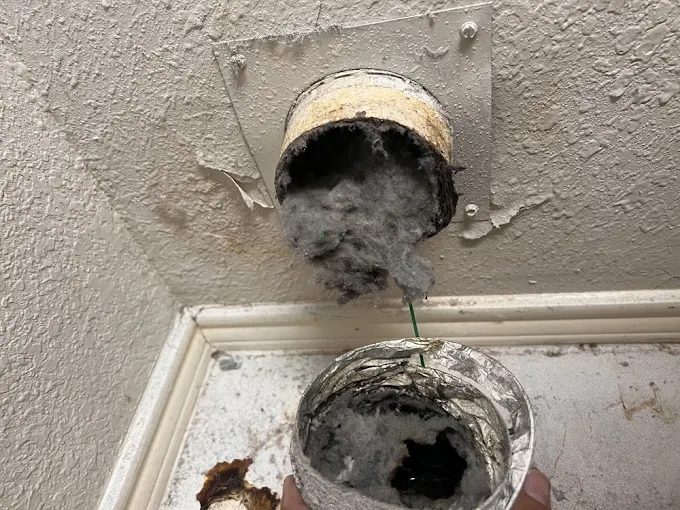
Allergies can be affected by more than HVAC. If laundry odors linger, lint collects around the dryer, or you suspect slow drying, your dryer duct and vent cleaning may be the missing piece.
Note timing of symptoms
If symptoms flare right after the AC or heat turns on, it suggests the air handling system is stirring up settled particles. If symptoms are constant regardless of HVAC use, you may need to look elsewhere too.
If you want to connect your duct cleaning decision with dryer vent maintenance, consider pairing HVAC duct cleaning with dryer duct cleaning. Dryer vent issues can contribute to indoor air quality concerns, especially when lint buildup restricts exhaust.
Main Things Customers Should Understand
HVAC duct and vent cleaning is not just about “making vents look cleaner.” It is about reducing what gets pulled into the airflow so the system circulates less dust and debris. That said, the duct system is only one part of the indoor air quality picture, so it helps to know what professionals focus on during HVAC duct cleaning.
Professional observation: If you are seeing dust return after cleaning, it is often because the system is still moving particles from inside the ductwork or from nearby sources like the dryer vent. A complete inspection helps separate what duct cleaning can address from what needs a different fix.
1) Ductwork setup and airflow path
The way your return and supply ducts are laid out affects how debris accumulates. Homes in Frisco often have duct runs that include transitions, flex sections, and hard-to-reach areas. A professional approach accounts for the full airflow path, not only the visible vents.
2) What “dust allergies” can mean in real homes
Dust allergy symptoms can be triggered by multiple particles, including settled dust, skin flakes, and other debris that gets redistributed when air moves. Cleaning can reduce the amount of dust that the HVAC system carries through your home, but it will not replace other steps like regular vacuuming, filtration, or addressing moisture sources.
3) Why dryer vent cleaning matters alongside duct cleaning
Even if your main concern is allergies, dryer exhaust systems can influence indoor air comfort. When lint builds up, exhaust can be less effective, and odors can linger. That is why many homeowners find that duct and dryer vent cleaning works best as a combined maintenance plan.
If you are also considering whole-home air duct cleaning, you can review Lone Star Pro Flow LLC’s HVAC duct cleaning service approach to understand what is involved and how it supports healthier airflow.
Representative scenario: when duct cleaning helps most
A family in Frisco notices that dust collects faster on the same surfaces each week. They also see that symptoms worsen after the AC cycles on. The return vents show visible dust, and the home has had seasons of heavy cooling use. After professional air duct cleaning, the dust reappears more slowly, and the household reports fewer “right after the system runs” allergy flare-ups. The biggest difference is that the HVAC is moving less settled debris through the house.
Why This Matters in Frisco, TX
Frisco homes commonly deal with long stretches of air conditioning use, which means the HVAC runs more frequently and distributes whatever is already in the airflow path. Over time, that can include fine dust that settles inside ductwork and on components. When you are trying to reduce allergy triggers, it helps to focus on the systems that actively circulate air throughout the day.
Local practical tip: If your home has multiple return grilles or you have rooms that consistently feel dustier, include those areas in your duct and vent inspection. Even small airflow imbalances can make certain rooms feel worse during peak cooling or heating periods in Frisco, TX.
| What you notice | Likely system to inspect first | How cleaning can help |
|---|---|---|
| Allergy symptoms flare soon after the HVAC runs | HVAC air ducts and return path | Reduces settled particles that get pulled into the airflow and redistributed. |
| Visible dust around vents or dust returns quickly | HVAC ductwork and vent components | Targets dust accumulation inside the duct and vent cleaning path. |
| Longer drying times, lint buildup, or laundry odors | Dryer exhaust system | Improves dryer exhaust flow by removing lint and debris from the dryer vent path. |
| Musty smell that seems to come and go with HVAC cycles | HVAC ducts plus source check | Helps remove debris that can contribute to odors, while confirming there is no other moisture-related cause. |
Want a clear plan for HVAC duct and dryer vent cleaning?
If you are in Frisco, TX and you want to reduce dust-related allergy triggers, Lone Star Pro Flow LLC can help you decide what to clean first and what maintenance makes the biggest difference.
Contact Lone Star Pro Flow LLCCommon Mistakes to Avoid
Homeowners often spend time cleaning the visible parts of a room and still feel like dust and allergy symptoms keep coming back. Usually, the issue is one of these avoidable mistakes.
Cleaning only the vents
Wiping registers can remove surface dust, but it does not address settled debris inside the ductwork where the HVAC pulls air from.
Ignoring the dryer vent path
If the dryer vent is restricted, lint and exhaust residues can become a recurring indoor annoyance. For many homes, air duct cleaning and dryer vent cleaning near me is the more complete approach.
Assuming “no visible dust” means no buildup
Dust can be present deeper in the ductwork even when your vents look acceptable. A professional inspection helps confirm what is actually being circulated.
Another common mistake is waiting until the problem is severe. If you notice persistent allergy flare-ups or musty odors that correlate with HVAC operation, it is a good time to schedule an inspection rather than treating symptoms alone.
Customer Checklist
Use this checklist before and during your duct cleaning conversations. It keeps the process practical and helps you choose the right service for your home in Frisco, TX.
- Identify when symptoms worsen: right after AC/heat cycles, or consistently throughout the day.
- Inspect return grilles and supply registers for dust buildup and blocked airflow.
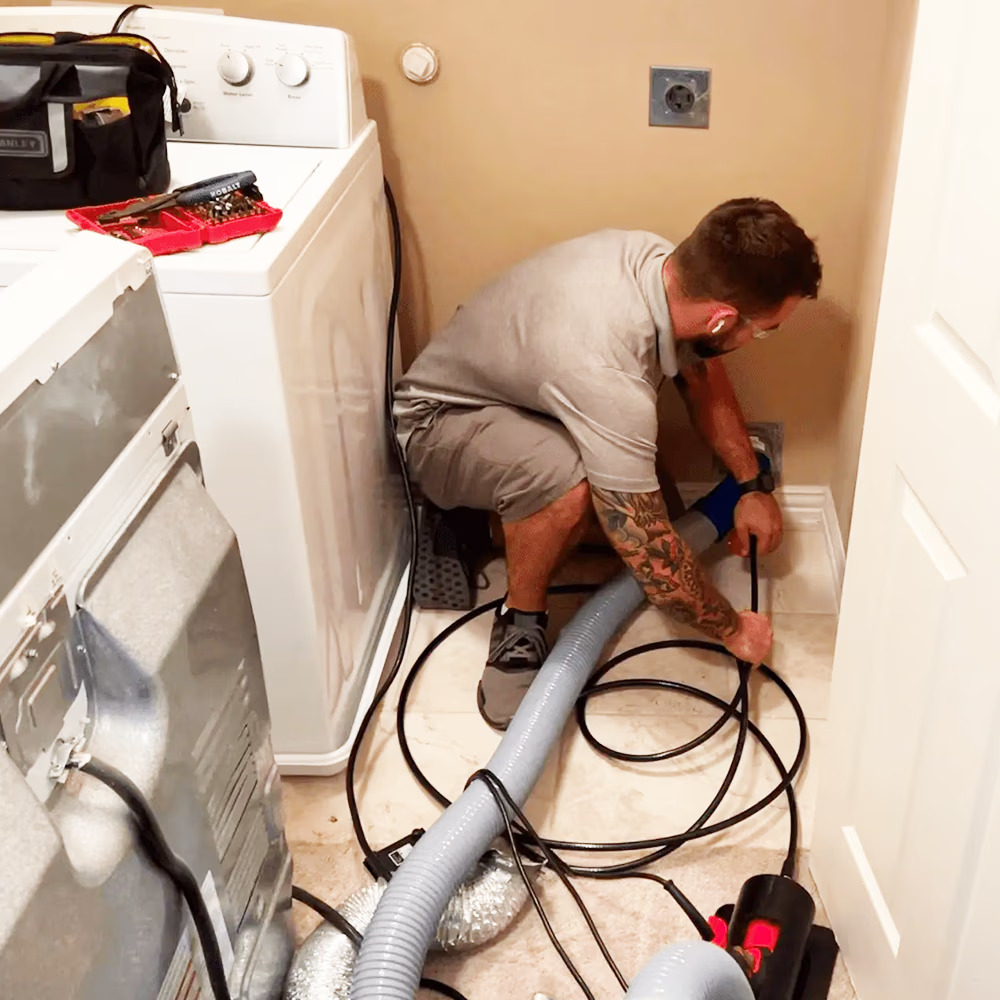
- Check dryer performance: drying time changes, lint accumulation, or laundry odors.
- Ask whether the plan addresses both HVAC duct cleaning and vent cleaning needs in the same maintenance window.
- Request an inspection that follows the airflow path and focuses on the areas that most affect indoor air quality.
- Confirm the cleaning approach is designed to reduce what gets circulated through the living spaces.
Frequently Asked Questions
If you are weighing air duct cleaning and duct cleaning services for allergy relief, these questions are the ones most homeowners ask after they notice dust returning too quickly.
Will HVAC duct cleaning stop dust allergies completely?
No single cleaning step can guarantee elimination of allergy symptoms. HVAC duct cleaning can reduce the amount of settled dust that gets circulated through your vents, which may lower triggers for many households. You may still need regular vacuuming, attention to filtration, and source control for other contributors like moisture. A practical approach is to focus on reducing what your HVAC system is moving through the home, then pair that with routine indoor care.
How do I know if I should schedule air duct cleaning or dryer vent cleaning first?
If symptoms flare right after the HVAC runs, start by inspecting HVAC ductwork and returns. If laundry is taking longer to dry, you smell odors, or you see heavy lint buildup around the dryer exhaust path, prioritize dryer vent cleaning and dryer lint removal. Many homes benefit from planning both, since indoor comfort can be affected by multiple airflow systems. In Frisco, TX, coordinating both services during the same maintenance period can prevent recurring issues.
What does “HVAC duct and dryer vent cleaning” usually include?
HVAC duct cleaning focuses on the airflow path that moves air from the system through ductwork to your rooms. Dryer vent cleaning targets the exhaust route that carries lint and airflow out of the home. A professional service typically includes inspection, cleaning of the relevant duct and vent sections, and attention to airflow components that contribute to what you experience indoors. If you are considering both, ask how the technician will address each system in a coordinated plan.
Can duct cleaning help with musty odors?
Sometimes. Musty odors can be linked to debris that has settled in the ductwork or to other moisture-related sources. Duct and vent cleaning can reduce some of the materials that contribute to odor when the HVAC cycles on. However, if the smell is tied to humidity, a leak, or another underlying source, cleaning alone may not solve it. A good inspection helps identify whether the odor correlates with HVAC operation and whether additional investigation is needed.
Is duct cleaning only for homes that look very dusty?
No. Even when vents look relatively clean, fine dust can accumulate inside ductwork over time, especially as the HVAC cycles frequently. If you notice persistent dust on surfaces, recurring allergy flare-ups, or inconsistent airflow, that can be enough reason to inspect. The goal is to reduce what gets circulated, not just what is visible. For many homeowners, a professional evaluation clarifies whether duct cleaning and vent cleaning services are the right next step.
Ready to reduce dust in your Frisco home?
If you are dealing with allergy triggers that seem connected to HVAC operation, Lone Star Pro Flow LLC can help you map out practical HVAC duct cleaning and air duct cleaning and dryer vent cleaning priorities.
(972) 532-7959
Lone Star Pro Flow LLC
Lone Star Pro Flow LLC provides duct and vent cleaning services for homeowners and property managers in Frisco, TX and surrounding areas. Whether you are focused on HVAC duct cleaning services, air duct cleaning, or dryer duct cleaning, our goal is to help you improve indoor comfort by addressing the airflow paths that move dust and debris through your home.
Learn more at lonestarproflow.com.