
Professional Dryer Duct Cleaning vs DIY Methods
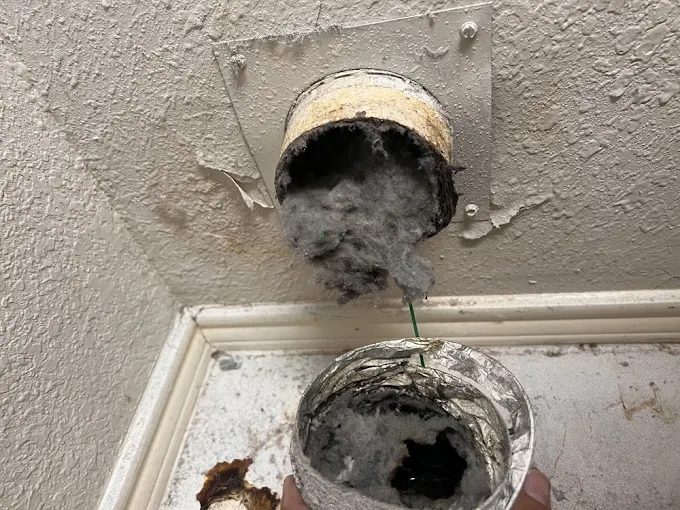
If your dryer is taking longer to dry, you notice lint buildup around the laundry area, or the exhaust feels weak, the next step is deciding between DIY dryer vent cleaning and professional help. This guide explains what each approach can and cannot do for dryer duct cleaning and dryer vent cleaning services in Frisco, TX and surrounding areas.
Last week, a homeowner in Frisco told us their clothes were coming out warm but still damp. They cleaned the lint screen, checked the outside hood, and even ran the dryer again. The dryer seemed to “work,” but the results kept getting worse.
That situation is common when lint and debris build up farther inside the duct run. This guide helps you understand what’s happening in the duct and vent system, what DIY methods usually miss, and when it’s worth scheduling professional dryer duct cleaning instead.
- Quick Answer
- What to Check First
- Main Things Customers Should Understand
- Why This Matters in Frisco, TX
- Common Mistakes to Avoid
- Customer Checklist
- Frequently Asked Questions
Quick Answer
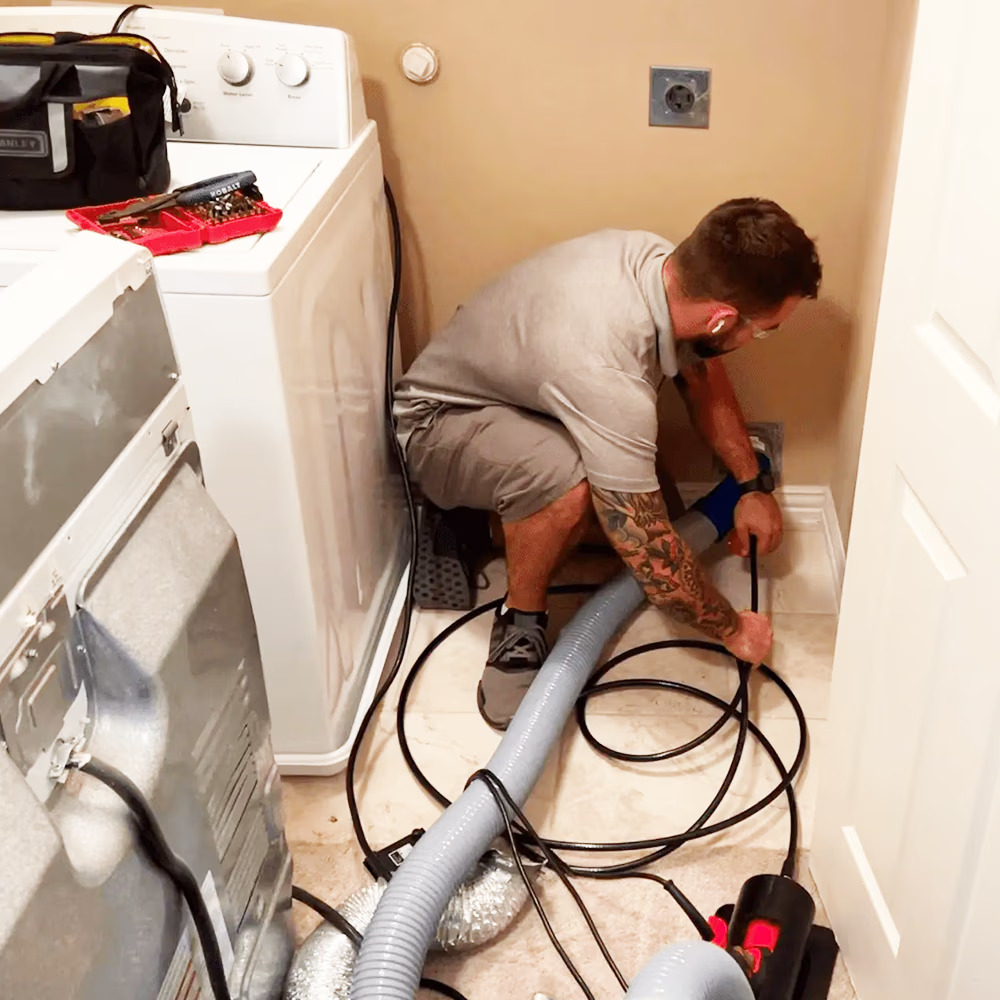
DIY dryer vent cleaning can help if the blockage is minor and you can access the full duct path. However, dryer lint removal often ends up deeper in the vent system, especially where the duct bends, transitions, or connects to the exterior. A professional approach to duct and dryer vent cleaning typically includes inspection and thorough cleaning of the dryer exhaust route, which can improve airflow and reduce recurring buildup. If drying times keep creeping up or airflow feels weak, start with an inspection and plan for professional dryer vent cleaning.
What to Check First
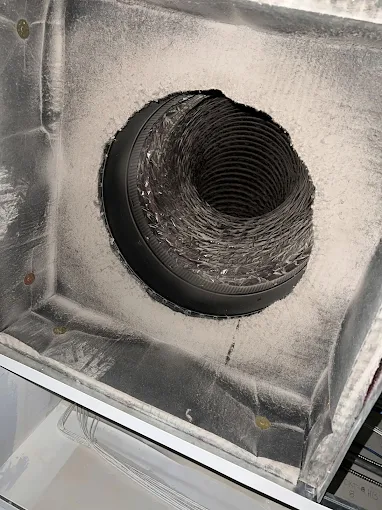
Before you choose DIY or professional help, confirm what symptom you are actually dealing with. Start by checking airflow at the dryer outlet and the exterior vent hood after the dryer runs. Then look for lint around the dryer and along the accessible duct sections. If you see frequent lint accumulation, that’s a sign the airflow path is not clearing properly.
Check drying time patterns
Notice whether load times are increasing over multiple laundry cycles, not just one busy day.
Inspect the exterior hood
Make sure the flap opens freely and that the hood is not blocked by debris.
Look for duct damage
Crushed sections, disconnected joints, or sagging ducts can trap lint and restrict exhaust.
Main Things Customers Should Understand
DIY dryer duct cleaning often focuses on what you can reach, like the lint screen and the first accessible section of duct. But dryer exhaust cleaning is really about the entire route from the dryer to the outside. When lint and debris build up, it can restrict airflow, make the dryer work harder, and cause recurring dryer vent lint removal issues.
Professional observation: The biggest challenge we see during dryer vent cleaning services is buildup at bends and connections where airflow slows. Those areas are where DIY tools commonly stop short, even when the dryer hood looks clear.
| Decision factor | DIY approach | Professional approach |
|---|---|---|
| How much of the duct route you reach | Limited to accessible sections and the tools you can maneuver | Designed to address the full dryer exhaust path, including sections that are harder to access |
| Handling bends and transitions | Commonly leaves lint behind at elbows, joints, and transitions | Targets buildup in the areas where lint collects most often |
| Inspection before cleaning | May rely on visible signs only | Helps confirm what’s causing restricted airflow along the duct run |
| Post-cleaning verification | Usually based on whether the dryer “seems better” | Focuses on restoring airflow and reducing the chance of quick re-clogging |
| Best fit for | Light lint buildup where the duct run is short and accessible | Recurring lint issues, weak exhaust, longer duct runs, or suspected blockage |
Why This Matters in Frisco, TX
In Frisco, many homes and apartments have laundry spaces tucked into utility rooms with duct runs that include bends, offsets, or longer routes to the exterior wall. As seasons shift and laundry habits change, restricted airflow can become more noticeable, especially when you start running larger loads or bulk bedding. When you need air duct and dryer vent cleaning coordination, the goal is the same: improve indoor air quality pathways and keep the dryer exhaust system from becoming a recurring maintenance problem.
Local practical tip: If you recently moved into a Frisco property or changed how you dry clothes (more towels, more bulky items), lint can build faster than expected. A targeted dryer exhaust cleaning plan helps prevent the “works for a week, then slows down” cycle.
Need a dryer vent inspection before you scrub DIY?
If you’re seeing weak exhaust, longer drying times, or frequent lint buildup, Lone Star Pro Flow LLC can help you choose the right next step for dryer vent cleaning.
Call Lone Star Pro Flow LLC: (972) 532-7959Common Mistakes to Avoid
DIY can be helpful, but a few missteps commonly make the situation worse. One is using the wrong tools or pushing debris deeper into the duct instead of removing it. Another is cleaning only the lint screen and skipping the duct path, which can leave lint clumps that keep restricting airflow. People also sometimes reconnect duct sections without checking for tight joints, which can allow lint to escape into the laundry area. If you suspect a blockage or the dryer vent lint removal keeps recurring, professional dryer vent blockage removal and inspection can be the safer, more effective move.
Customer Checklist
- Confirm whether drying times are increasing across several loads.
- Check that the exterior dryer vent hood opens fully and is not obstructed.
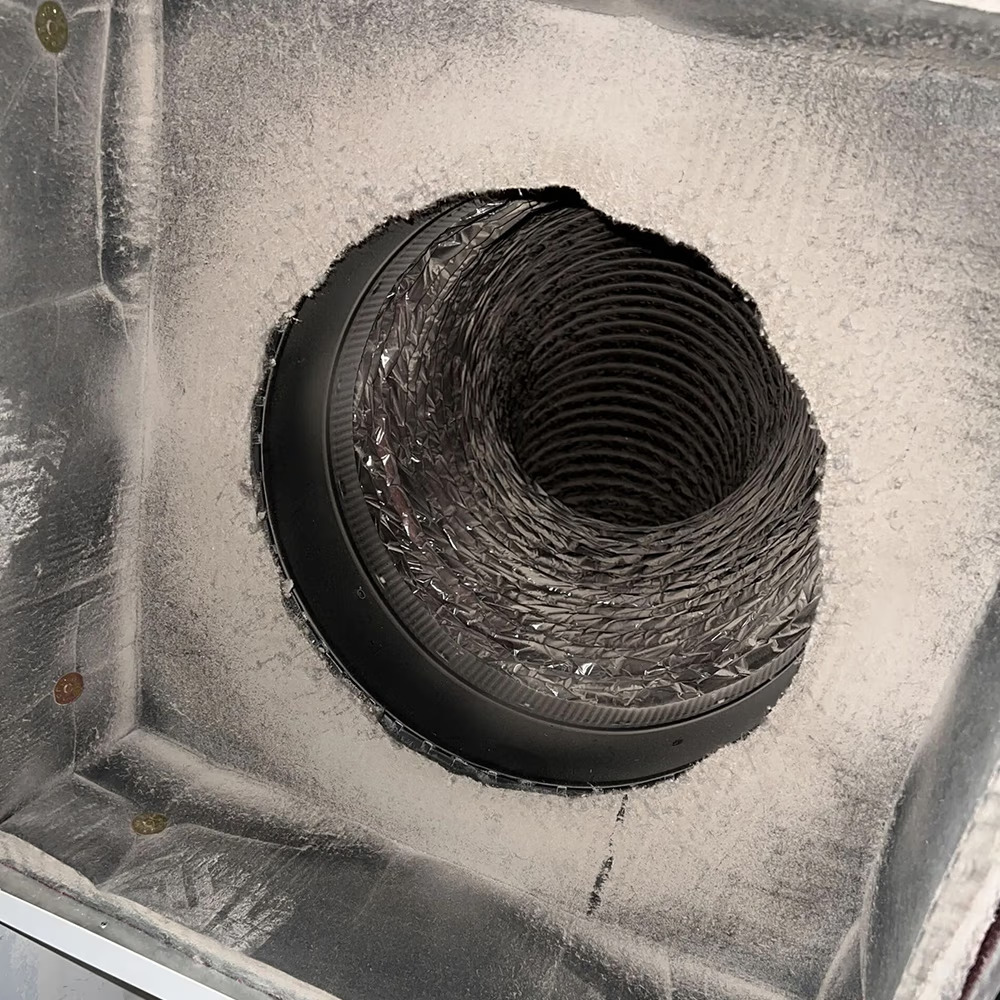
- Inspect accessible duct sections for crushed, disconnected, or sagging areas.
- Clean the lint screen before every load and remove visible lint from the dryer interior as recommended for your model.
- After DIY cleaning, re-check exhaust airflow strength and lint accumulation points.
- If lint returns quickly or you find signs of restricted airflow, schedule professional dryer duct cleaning services.
Representative scenario: when DIY doesn’t solve it
A Frisco customer tried DIY dryer vent cleaning after noticing lint near the dryer door area. They cleaned the lint screen, disconnected the dryer, and used a basic brush for the first reachable section. The outside hood looked clear, and the dryer seemed better for a few cycles. Then the drying time lengthened again, and lint returned around the same spots. The issue was buildup deeper in the duct run near a bend and connection, which a DIY tool could not reach effectively. A professional dryer duct cleaning approach focused on the full exhaust route, which helped restore consistent airflow and reduced the quick re-clogging pattern.
Frequently Asked Questions
How do I know if I need professional duct and dryer vent cleaning?
If you’re seeing longer drying times, weak exhaust airflow, frequent lint buildup around the dryer, or recurring lint clogs after DIY cleaning, those are strong signs the issue is in the duct route, not just the lint screen. Professional duct and dryer vent cleaning is also a good fit when the duct run has bends, transitions, or hard-to-reach sections where lint commonly accumulates. Start with a basic inspection and decide based on whether airflow appears restricted across cycles.
Can dryer lint cause indoor air quality problems?
Yes, when lint escapes or when airflow is restricted and the dryer area becomes a place where lint accumulates, it can affect what’s present in the laundry space. While dryer lint is primarily a cleanliness issue, it can also contribute to dust and debris around the home, which many homeowners want to minimize for comfort. If you’re focused on indoor air quality and dryer vent cleaning, addressing the exhaust route and keeping lint from building up in the laundry area are practical steps that support a cleaner indoor environment.
What’s the difference between dryer vent cleaning and dryer duct cleaning?
In everyday conversation, the terms are often used interchangeably. “Dryer vent cleaning” usually refers to cleaning the exhaust path from the dryer through to the exterior vent hood. “Dryer duct cleaning” focuses on the ducting route itself, including sections that may run through walls or utility spaces. Either way, the goal of dryer exhaust vent cleaning is the same: remove lint and debris from the path that carries dryer exhaust outside.
Is it safe to use DIY tools inside the duct?
DIY cleaning can be safe when you’re using appropriate tools and you don’t damage duct sections. The risk is pushing lint deeper into the system, leaving behind packed debris, or accidentally disturbing duct connections. If you see signs of blockage, crushed duct sections, or disconnected joints, professional help is often the better option to reduce the chance of incomplete cleaning or mess. When in doubt, start with an inspection so you know what you’re working against.
Do I also need air duct cleaning, or just the dryer vent?
Many homeowners only need dryer vent work, especially when symptoms are limited to laundry performance. However, if you’re noticing issues that point to airflow in other parts of the home, you may want to evaluate broader systems as well. Lone Star Pro Flow LLC can help coordinate HVAC duct and dryer vent cleaning based on your situation. A practical approach is to address the most obvious restriction first, then decide whether additional cleaning is warranted.
Ready to stop guessing?
If your dryer vent cleaning keeps turning into a recurring chore, Lone Star Pro Flow LLC can help with dryer vent cleaning for homes and properties in Frisco, TX & surrounding areas.
Explore dryer duct cleaning services
About Lone Star Pro Flow LLC
Based in Frisco, TX, Lone Star Pro Flow LLC provides duct and dryer vent cleaning for residential and commercial properties throughout the area. Our focus is practical, customer-friendly service: inspect the dryer exhaust route, identify where lint and debris are restricting airflow, and help restore cleaner, more consistent dryer performance. If you also want to evaluate HVAC duct cleaning services, you can learn more about our HVAC cleaning options.
Prefer to talk first? Call (972) 532-7959.