
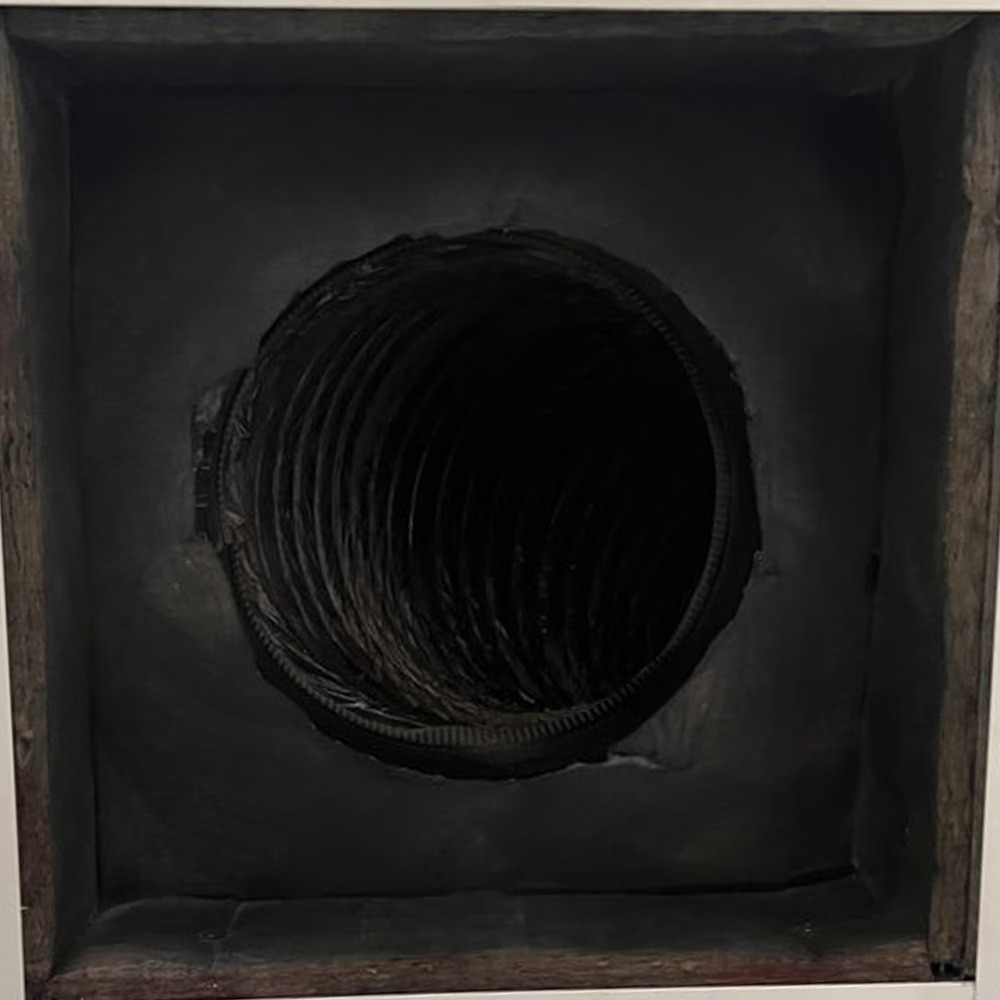
If your home in Frisco, TX smells smoky even after you clean, the odor may be lingering inside HVAC air ducts, air vents, and dryer vent systems. This guide helps you understand what to check first, what to avoid, and how to plan duct and dryer vent cleaning that targets the source.
After a small cooking mishap or a nearby burn, you wipe down counters, run air fresheners, and open windows. But a “smoke” smell comes back the moment your HVAC system turns on. In Frisco homes, that can be especially noticeable when the system cycles during hot afternoons or cooler evenings.
You might also notice haze-like dust on registers, a musty edge to the odor, or smell strength that changes depending on whether air is set to fan or auto. This guide will help you pinpoint where the odor is likely coming from, understand how duct and dryer vent cleaning differs, and choose a practical next step.
- Quick answer
- What to check first
- Main things customers should understand
- Why this matters in Frisco, TX
- Common mistakes to avoid
- Customer checklist
- Frequently asked questions
Quick Answer
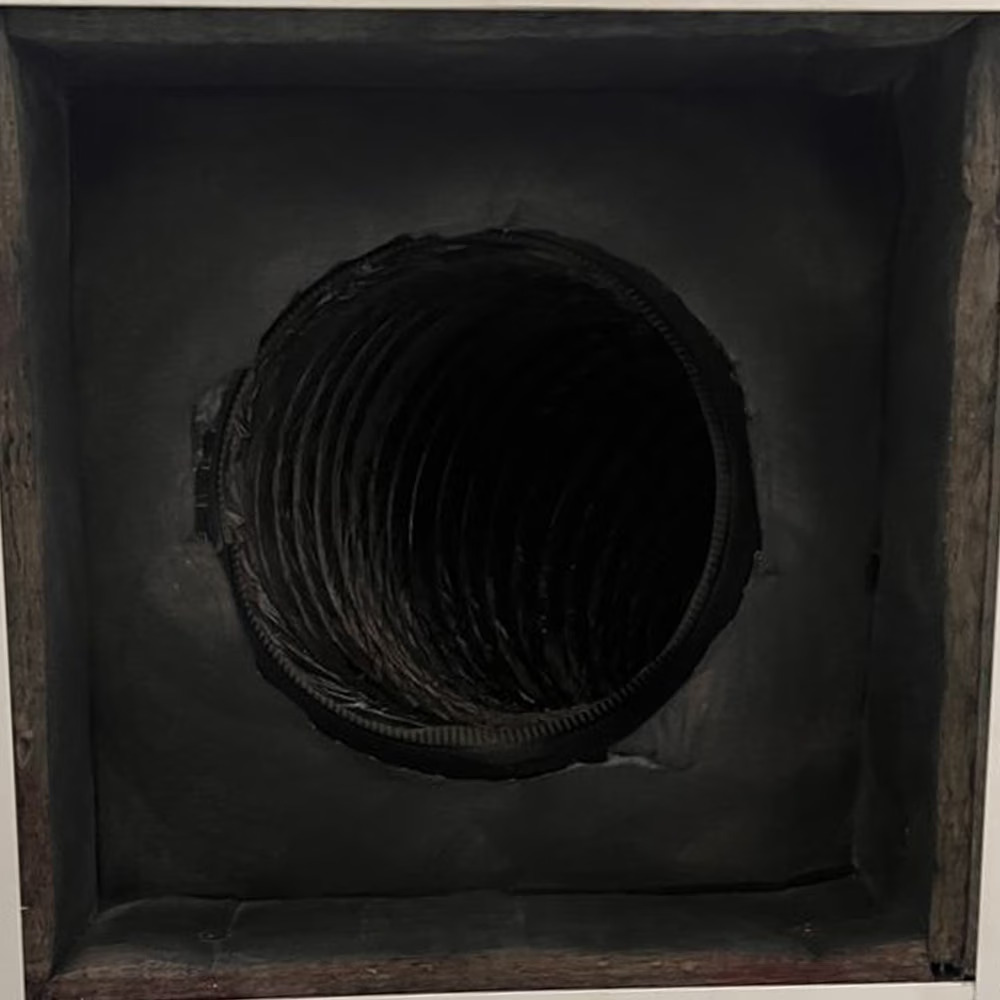
If smoke odor returns when your HVAC runs, start by checking whether the smell is coming from air ducts and HVAC vents rather than only from the room. Replace the HVAC filter (and note whether the odor changes), then inspect visible vents and return grilles for residue. If the odor persists, schedule HVAC duct cleaning and air vent cleaning, and do not skip dryer duct cleaning, since dryer exhaust can also carry lingering smells. A practical next step is to call Lone Star Pro Flow LLC for duct and dryer vent cleaning services tailored to your home’s layout in Frisco, TX.
What to Check First
Before you book HVAC duct cleaning, do a quick, homeowner-friendly scan to narrow down the source. Start with the conditions that make the smell appear. Does it show up only when the system runs heat or cool, or does it happen even when the HVAC is off? That detail often separates “airflow distribution” from “single-room sources.”

Match the odor to HVAC operation
Test with the fan on versus auto. If the smoke smell intensifies with airflow, the ducts or registers are likely involved.
Inspect return grilles and supply vents
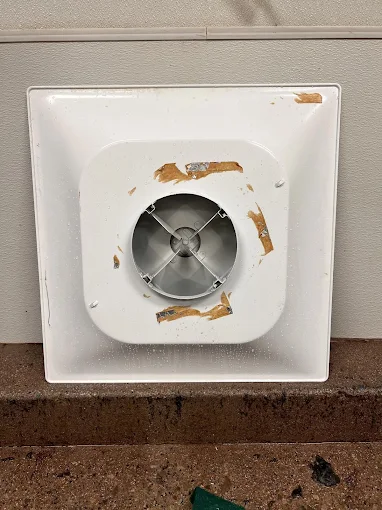
Look for soot-like dust, residue, or discoloration around grilles. If you see buildup, it can contribute to indoor air quality and dryer vent cleaning concerns later.
Confirm the dryer exhaust isn’t feeding odors
If your laundry room is nearby, check whether the smell is stronger after dryer use. Dryer exhaust vent cleaning and clothes dryer vent cleaning can be part of the fix.
After your visual checks, replace the HVAC filter with the correct size and type for your system. Then run the HVAC for a short period and note whether the odor reduces, stays the same, or returns quickly. That “before and after” observation helps you decide whether duct cleaning and vent cleaning should be focused on HVAC ductwork, dryer duct cleaning, or both.
Main Things Customers Should Understand
Smoke odor can be stubborn because particulates and residue can cling to duct surfaces and accumulate in bends, returns, and hard-to-reach sections. Even if the original smoke source is gone, airflow can stir up what remains. For homeowners seeking air duct and dryer vent cleaning, the key is to treat HVAC duct cleaning and dryer vent cleaning as two related but different systems.
Professional observation: Smoke residue often collects where airflow slows or turns, so odors may come from the HVAC ductwork itself, not just from the rooms you cleaned.
How HVAC duct cleaning helps with smoke odors
HVAC duct cleaning focuses on air ducts, HVAC vents, and ductwork cleaning pathways that distribute conditioned air. When smoke particles settle inside ducts, air vent cleaning can reduce the chance that odors get reintroduced every time the system cycles.
Why dryer duct cleaning matters, too
A dryer that vents poorly can create indoor smells and increase dust movement that you might mistake for “smoke.” Clothes dryer vent cleaning and dryer lint removal reduce buildup that can contribute to odor persistence. If you also smell issues after laundry cycles, consider professional dryer vent cleaning alongside your air duct cleaning.
Practical recommendation: If the odor changes with HVAC operation and you have any lingering smell after dryer use, plan both HVAC duct cleaning and dryer duct cleaning so you address the most common indoor airflow pathways.
| If the odor… | It often points to… | What to consider next |
|---|---|---|
| Gets stronger when HVAC fan runs | Air ducts and air vent cleaning needs | Schedule HVAC duct cleaning services |
| Shows up more after laundry cycles | Dryer exhaust and dryer vent blockage removal needs | Schedule dryer vent cleaning services |
| Changes by room location | Localized buildup near returns, supplies, or dryer exhaust area | Request inspection of both ductwork and laundry venting |
| Persists even after replacing filters | Residue in ductwork and vent pathways | Move from basic steps to professional duct and dryer vent cleaning |
Why This Matters in Frisco, TX
In Frisco, TX, many homes rely heavily on HVAC systems through seasonal temperature swings. When the system runs more often, it can keep circulating any lingering smoke residue through air duct cleaning and HVAC vent cleaning pathways. That means odors can feel worse during peak cooling and heating cycles, especially in homes with tightly sealed construction or older ductwork runs.
We also see a common local pattern: laundry spaces are often tucked near HVAC returns or shared utility areas. If dryer exhaust cleaning is neglected, dryer vent lint removal and dryer exhaust vent cleaning can help reduce the “smoke-like” carryover that some homeowners notice after using the dryer. For residents across Frisco and surrounding areas, addressing both HVAC duct and dryer vent routes is often the most practical way to get lasting results.
Need help figuring out whether it’s HVAC ducts or dryer venting?
If smoke odors keep returning when your system runs, Lone Star Pro Flow LLC can help you plan the right duct cleaning approach for your home in Frisco, TX.
Call (972) 532-7959Common Mistakes to Avoid
When smoke odors show up, it’s easy to focus only on surface cleaning. But odor sources can be inside air ducts and dryer exhaust routes. Here are common mistakes that slow down results and create repeat odor problems.
- Only spraying air freshener and skipping duct cleaning. Odors can be reintroduced by airflow even if the room smells better temporarily.
- Assuming the HVAC filter is the whole solution. A new filter can help, but it does not remove residue already inside HVAC ductwork.
- Cleaning vents but ignoring returns and ductwork. Smoke residue can collect deeper in the system where air changes direction.
- Forgetting dryer duct cleaning when the smell overlaps with laundry use. Dryer vent lint removal and dryer exhaust cleaning often matter more than people expect.
- Delaying dryer vent inspection when you notice airflow issues. Dryer vent blockage removal helps reduce buildup that can contribute to lingering odors.
Customer Checklist
Use this checklist before and after professional duct and dryer vent cleaning to stay organized and make sure you address the most likely sources of smoke odor in your Frisco home.
Before service
- Note when the odor is strongest (HVAC cycles, fan-only mode, or after dryer use).
- Replace your HVAC filter and keep the old one for reference if possible.
- Check visible supply vents and return grilles for soot-like dust or residue.
- Schedule ductwork cleaning and dryer vent cleaning services as a coordinated plan if odors overlap.
During and after service
- Ask what areas were inspected and cleaned for HVAC duct cleaning and air vent cleaning.
- Confirm dryer vent maintenance steps, including attention to the exhaust pathway.
- Track odor changes over the next HVAC cycle and after laundry use.
- Keep vents and returns accessible so airflow pathways can be evaluated.
Representative scenario: smoke smell that returns after cooking and laundry
A Frisco homeowner noticed a smoky smell after a stovetop incident. The kitchen was cleaned, but the odor returned each time the HVAC ran. They also found the smell was stronger after drying a load. After checking supply vents and replacing the HVAC filter, the odor still persisted, pointing toward residue in HVAC ductwork and the dryer exhaust pathway. Coordinating air duct cleaning and dryer duct cleaning helped address both indoor airflow routes.
Frequently Asked Questions
Can HVAC duct cleaning remove smoke odors completely?
HVAC duct cleaning can reduce smoke odors when residue is present in air ducts and at air vent openings. However, odor removal depends on where the source is located. If the smell is coming from soot or residue inside ductwork, duct and dryer vent cleaning can help. If the source is primarily in a single room, duct cleaning alone may not fully solve it. A practical approach is to observe whether the odor changes with HVAC fan or auto cycles, and to consider dryer exhaust cleaning if the smell is noticeable after laundry use.
Should I do dryer vent cleaning or air duct cleaning first?
If the odor is tied to HVAC operation, start with HVAC duct cleaning and air vent cleaning so you address the airflow that distributes conditioned air. If the odor becomes stronger after dryer use, prioritize clothes dryer vent cleaning and dryer lint removal. When both patterns show up, coordinating both duct and dryer vent cleaning services is often the most efficient way to reduce repeat odor. Lone Star Pro Flow LLC can help you decide based on what you’re noticing in your Frisco home.
What are signs of a dryer vent blockage that could affect indoor smells?
Common indicators include lingering odors around the laundry area, increased dust, and concerns with dryer performance such as longer drying times or airflow that seems weaker. Even if you cannot see the blockage, dryer vent inspection can reveal buildup that leads to dryer vent blockage removal needs. Because dryer exhaust vent cleaning reduces residue along the exhaust pathway, it can also help with odor persistence that homeowners sometimes describe as “smoky” or “stale.”
Do I still need duct cleaning if I replaced my HVAC filter?
Replacing the HVAC filter is a helpful first step for indoor air quality, but it does not remove residue already settled inside ductwork. If smoke odor continues when the HVAC runs, it often means particulate buildup remains deeper in the system. Air duct cleaning and HVAC duct cleaning services focus on ductwork cleaning rather than only surface filtration. For best results, pair filter replacement with an inspection-driven plan when odors persist.
Is duct and dryer vent cleaning the same thing?
No. HVAC duct cleaning focuses on air ducts, returns, and air vent cleaning that distribute conditioned air through your home. Dryer duct cleaning focuses on the dryer exhaust pathway, including the route that carries lint and air outside. Because both systems can contribute to odor and dust movement, many homeowners benefit from both. If you’re searching for “air duct cleaning dryer vent cleaning services” in Frisco, planning both routes can provide a more complete outcome.
Get your smoke-odor plan in place
If smoke odors keep returning in Frisco, TX when your HVAC runs, Lone Star Pro Flow LLC can help you move from guesses to targeted duct and vent cleaning.
Contact Lone Star Pro Flow LLCAbout Lone Star Pro Flow LLC
Lone Star Pro Flow LLC provides duct and vent cleaning services for homeowners and businesses in Frisco, TX and surrounding areas. Their focus includes HVAC duct cleaning and dryer duct cleaning, supporting indoor air quality and cleaner airflow pathways throughout residential and commercial spaces. If you’re dealing with HVAC duct cleaning needs or dryer vent cleaning services after smoke odors, Lone Star Pro Flow LLC helps you choose a practical next step based on what you’re experiencing.
Lone Star Pro Flow LLC
Duct and Vent Cleaning • Frisco, TX
Learn more about their approach to HVAC duct cleaning and dryer duct cleaning.