
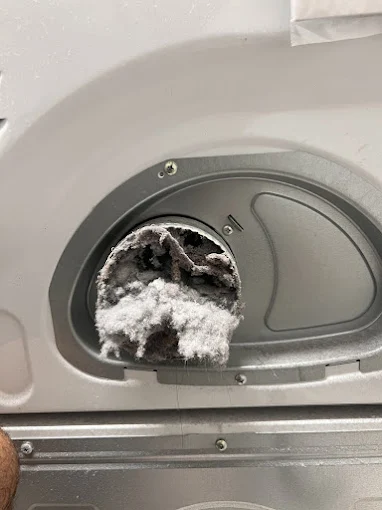
If you are seeing dusty vents, musty odors, or allergies acting up, you may be wondering whether duct cleaning is the right move for your home or business. This guide explains the signs that matter, what to check first, and when HVAC duct and vent cleaning is worth scheduling in Frisco, TX.
After a long weekend away, you return and notice it right away. The air feels a little stale, the vents look dusty, and you may even spot more lint or debris around registers than usual. Then someone asks the question that keeps coming up in the kitchen and living room: “Should we have the HVAC ducts cleaned?”
Because duct and vent cleaning can be confusing, this article helps you sort out what is normal, what is a real warning sign, and what you should verify before you schedule HVAC duct cleaning services. You will also see practical next steps for both residential and commercial spaces in Frisco, TX.
- Quick answer
- What to check first
- Main things customers should understand
- Why this matters in Frisco, TX
- Common mistakes to avoid
- Customer checklist
- Frequently asked questions
Quick Answer
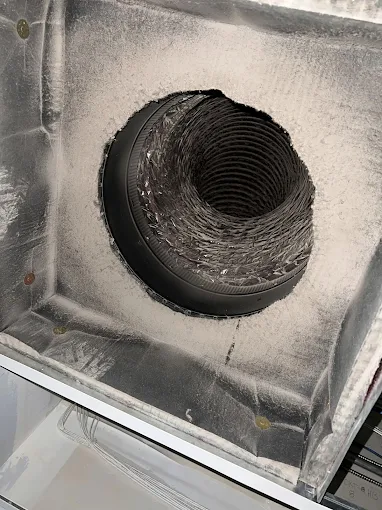
Clean HVAC ducts when you have clear, ongoing airflow problems or visible, persistent contamination, such as dust buildup at multiple vents, recurring musty odors, or debris after a vent or duct-related event (like renovations or a known moisture issue). If you only see a little surface dust and your filter schedule is up to date, duct cleaning may not be the highest priority. A practical next step is to inspect vents and registers, confirm filter type and replacement timing, and then consider professional duct and dryer vent cleaning services if you suspect contamination is traveling through the system.
What to Check First
Before you decide on duct cleaning, start with the most “actionable” evidence. Walk to a few supply vents and returns, and check for dust patterns, debris, and any signs of moisture. Next, review how often you replace or service your HVAC filter and whether the system has been running consistently. If the filter is old or mismatched to your system, you may be collecting dust in the ductwork even when the vents look “mostly fine.”
Look at the airflow points
Check multiple registers for dust accumulation and compare supply vs. return conditions. Returns often reflect what is being pulled through the system.
Confirm filter basics
Make sure the filter is the correct size and you are replacing it on schedule. A neglected filter can cause more dust circulation than duct cleaning alone.
Think about recent events
Renovations, attic work, or a water-related incident can change what is inside ducts. If something changed, that is a strong reason to investigate.
A firsthand-style observation
When customers call Lone Star Pro Flow LLC in Frisco, TX, a common pattern shows up: the “dust problem” often starts at the source. In homes and offices where vents are cleaned but filters are consistently overdue, the same dust returns quickly. That usually means the system is still pulling contaminants through the ductwork and distributing them to living or working areas.
Professional observation: If you can’t see anything unusual at the registers, but you still feel persistent odors or symptoms, the issue may be connected to airflow balance, filter maintenance, or another venting pathway rather than only the HVAC ducts.
Main Things Customers Should Understand
HVAC duct cleaning is not a “set it and forget it” task. Whether it helps depends on what is actually inside the ductwork, what is driving the contamination, and whether other parts of the ventilation system are contributing. For many property owners, the most useful goal is to reduce what is being circulated through the home or business, especially when indoor air quality and dryer vent cleaning are both on the radar.
When HVAC duct cleaning is most likely to make sense
Consider HVAC duct and dryer vent cleaning together when you suspect contamination in multiple ventilation pathways. In residential duct and dryer vent cleaning scenarios, common triggers include visible dust and debris buildup, recurring odors that seem to come from the vents, and airflow patterns that suggest material is accumulating in the system.
When duct cleaning may not be the first step
If your system is relatively clean at the registers and your filter schedule is consistent, you may get more benefit from addressing the root cause. That can include replacing the filter on time, checking for air leaks or poor return airflow, and focusing on other vents first. Many homeowners in Frisco, TX also prioritize dryer duct cleaning when laundry lint and airflow restrictions are the real concern.
Why This Matters in Frisco, TX
In Frisco, TX, homes and businesses often run HVAC year-round to manage comfort through changing seasons. When the system cycles frequently, dust and debris that start in one place can keep moving through the ductwork. That means small issues, like an overdue filter or a buildup that is easy to miss at one vent, can show up as recurring dust on surfaces or a persistent “stale air” feeling.
Local insight: If you are also noticing laundry-related lint concerns, pairing attention to HVAC duct cleaning with HVAC duct cleaning and dryer vent maintenance can help you tackle two common airflow pathways that affect indoor air quality and dryer exhaust vent cleaning at the same time.
| What you notice | Where it often points | Practical next step |
|---|---|---|
| Dust returning quickly to registers | Ongoing circulation from the system, often linked to filtration and duct contamination | Verify filter schedule and inspect multiple vents before deciding on ductwork cleaning |
| Musty or stale odors from vents | Possible contamination within airflow paths, or a moisture-related contributor | Have the system evaluated and focus on the source, not just surface cleaning |
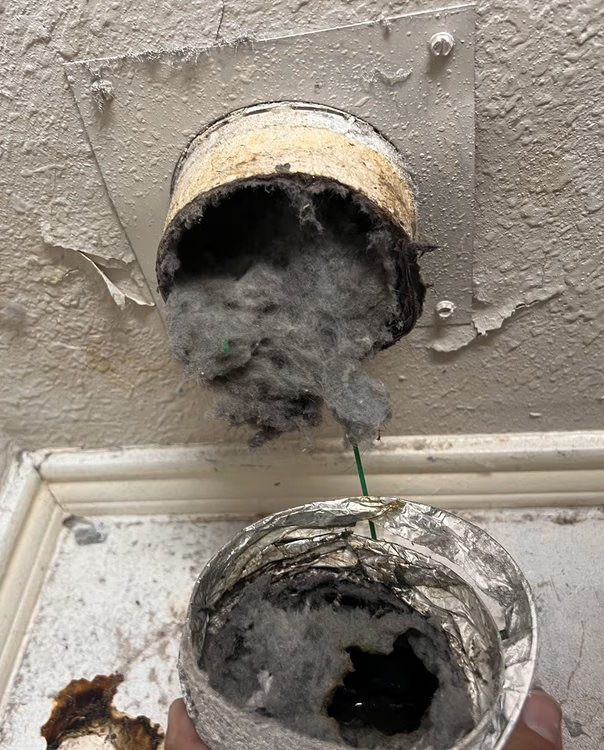
| More laundry lint than usual | Potential dryer vent blockage or restricted exhaust | Schedule dryer vent cleaning and consider indoor air pathway improvements |
| Visible debris after renovations | Event-related contamination in ductwork or adjacent venting | Inspect and clean the impacted airflow areas to reduce re-circulation |
Want a clear recommendation for your system?
Tell us what you are seeing at the vents and what changed recently. Lone Star Pro Flow LLC can help you decide whether HVAC duct cleaning is the right fit, or whether another vent cleaning priority makes more sense.
Call Lone Star Pro Flow LLCCommon Mistakes to Avoid
People usually do not skip duct cleaning because they want dust. They skip the wrong steps. The most common mistakes include treating a single dirty vent as the whole problem, relying only on surface cleaning, and ignoring the filtration basics that control what enters the system.
- Cleaning only what you can see: A few dusty registers do not always explain where the contamination is coming from. Compare supply and return conditions.
- Skipping filter maintenance: If the filter is overdue, duct cleaning may not “stick” because the system continues to pull dust through the HVAC system.
- Ignoring moisture signals: Any recurring musty odor or moisture-related history is a reason to investigate the source rather than just vacuuming registers.
- Forgetting other vent systems: Many homeowners focus on air duct cleaning while dryer vent blockage removal is the bigger indoor air quality and exhaust concern.
- Choosing a one-size-fits-all plan: Residential duct cleaning and commercial duct cleaning can require different approaches based on layout, airflow balance, and building use.
Customer Checklist
Use this checklist to decide if duct cleaning is worth pursuing and to make your first call more productive. It works for apartments, condos, homes, and commercial spaces across Frisco, TX.
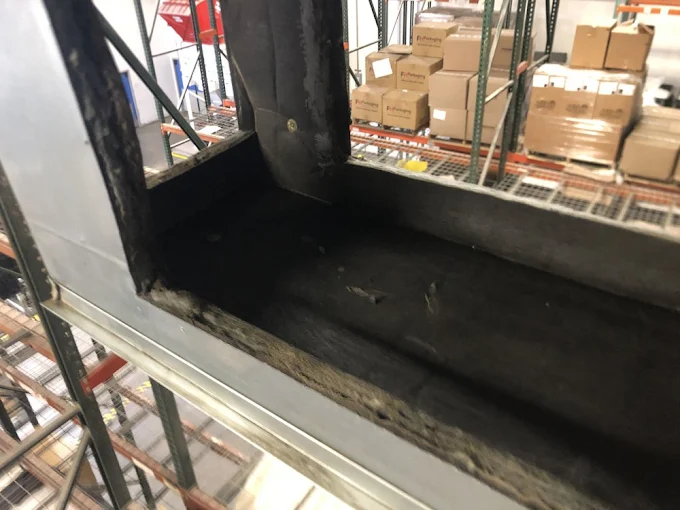
- Check at least 3 vents (and, if possible, a return) and note where dust or debris is most noticeable.
- Confirm your HVAC filter size and replacement schedule are current.
- Write down any recurring odors and when you notice them (for example, during cooling, heating, or after the system runs for hours).
- Think back to recent changes: renovations, attic work, water incidents, or new equipment.
- If laundry is part of the concern, inspect whether dryer lint removal seems excessive and whether the dryer exhaust feels slow.
- Decide what outcome you want: cleaner vents, reduced dust circulation, or improved airflow and indoor air quality.
Representative scenario: what this looks like in real life
For example, a Frisco, TX homeowner noticed more dust on baseboards after the HVAC ran, even though they cleaned registers with a cloth. The filter had been left in place longer than usual, and the return vent was noticeably dirtier than the supply vents. After reviewing the situation, the focus shifted to correcting filtration and evaluating the duct airflow pathways, with added attention to vent cleaning priorities that can affect indoor air quality and overall comfort.
Frequently Asked Questions
How do I know if I need air duct cleaning, not just regular vacuuming?
If dust is consistently returning to vents and nearby surfaces after you clean registers, it usually points to ongoing circulation through the HVAC system. Compare supply vents and returns, and watch for patterns. Odors that seem to originate from vents, visible debris inside registers, and recurring symptoms that line up with HVAC cycles are additional signs. Before committing, confirm your filter is the correct type and replaced on schedule, because filtration issues can create the same “dust keeps coming back” effect.
Can dryer vent cleaning help with indoor air quality?
Yes, dryer vent cleaning can support indoor air quality when the dryer exhaust pathway is restricted. A blocked or partially blocked vent can contribute to lint buildup and airflow problems. When you also have HVAC duct and dryer vent cleaning concerns at the same time, addressing both airflow systems can reduce the chance of ongoing issues being blamed on the wrong source. If laundry lint removal has become harder than usual, or drying times feel off, that is a practical reason to prioritize dryer vent maintenance alongside HVAC checks.
Is HVAC duct and dryer vent cleaning near me the same as “duct cleaning” alone?
Not always. “Duct cleaning” can refer to only the HVAC ductwork, while “duct and dryer vent cleaning” typically includes both the air distribution system and the dryer exhaust pathway. If your main issue is related to laundry lint, dryer vent blockage removal is the more direct target. If your issue is dust circulation or stale odors from the HVAC vents, HVAC duct cleaning is the direct focus. Many customers in Frisco, TX benefit from a combined plan because two ventilation pathways can contribute to comfort and cleanliness.
Do residential duct cleaning and commercial duct cleaning work the same way?
The general goal is similar: reduce contamination inside the airflow paths. The difference is in how spaces are used and maintained. Residential duct cleaning often focuses on homes, apartments, and condos with comfort and indoor air quality priorities. Commercial duct cleaning may require coordination around business hours and different duct layouts. In both cases, the right starting point is the same: identify what is happening in the system, verify basic filtration and airflow factors, and address the specific contamination pathway that is causing the problem.
What should I ask a professional duct cleaning company?
Ask what they will inspect first, what signs they look for in HVAC ductwork, and how they handle contamination sources tied to moisture, debris, or airflow restrictions. It also helps to ask whether they recommend combining HVAC duct cleaning with dryer vent cleaning services when both pathways show issues. Finally, request a clear explanation of what you should do after cleaning, especially around filter maintenance and dryer vent maintenance, so the system does not re-accumulate contaminants quickly.
Schedule a focused evaluation in Frisco, TX
If you are deciding between duct cleaning and other vent cleaning priorities, Lone Star Pro Flow LLC can help you choose the most practical next step for your home or business.
Contact Lone Star Pro Flow LLC
Lone Star Pro Flow LLC
Lone Star Pro Flow LLC provides duct and vent cleaning for residential and commercial customers in Frisco, TX and surrounding areas. Our focus is on practical, system-aware recommendations that consider indoor air quality, HVAC duct cleaning, and dryer vent maintenance so your ventilation pathways stay cleaner and easier to manage over time.
Phone: (972) 532-7959 | Website: lonestarproflow.com