
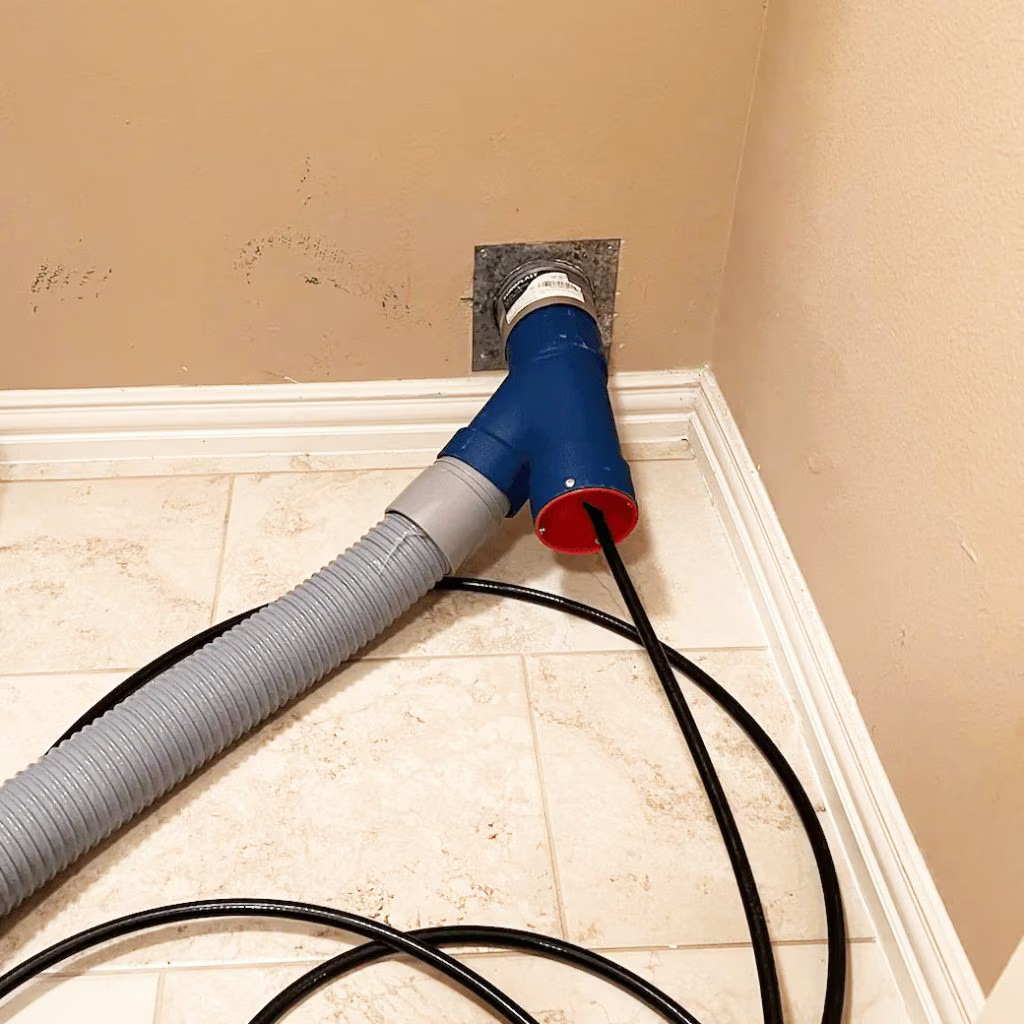
Signs Your Dryer Duct Needs Cleaning Immediately Today
If your dryer seems to take longer than usual or leaves clothes damp, the cause is often airflow restriction in the dryer duct and vent system. This guide helps you recognize the warning signs, check what you can safely verify, and decide when it is time for professional dryer duct cleaning in Frisco, TX.
Last week, you cleaned the lint screen, ran a load, and still noticed the clothes were not fully dry. Then you smelled something warm and “off” when the dryer was running. After a few more loads, drying time got worse and the vent area near the dryer felt hotter than it used to.
That combination usually points to airflow being restricted somewhere between the dryer and the outside vent. In this guide, you will learn what those signs mean, what to check first without guesswork, and how to plan duct and dryer vent cleaning that supports indoor air quality and safer dryer performance.
- Quick answer
- What to check first
- Main things customers should understand
- Why this matters in Frisco, TX
- Common mistakes to avoid
- Customer checklist
- Frequently asked questions
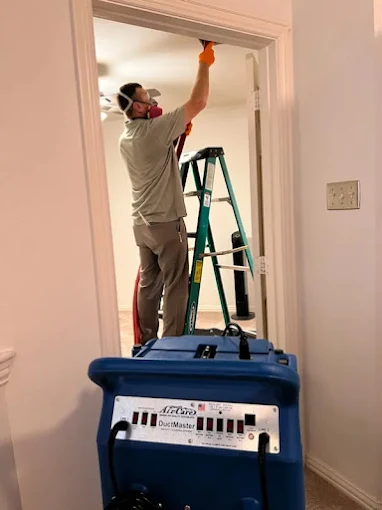
Quick Answer
If your dryer is taking longer to dry, clothes feel hotter but still damp, or you notice a burning smell, that is a strong sign your dryer duct needs cleaning. Start by checking the lint screen and the vent flap outside for obvious blockage. If airflow does not improve, the next step is a professional dryer exhaust cleaning that includes dryer vent inspection and clearing lint buildup inside the duct. In Frisco, TX, where homes can have tight interior layouts and common long vent runs, thorough cleaning helps restore airflow and reduces the chance of lingering lint-related odors.
What to Check First
Before scheduling duct and dryer vent cleaning, you can do a couple of safe, quick checks. These do not replace a proper dryer vent inspection, but they help you confirm whether the problem is likely airflow restriction in the exhaust path.
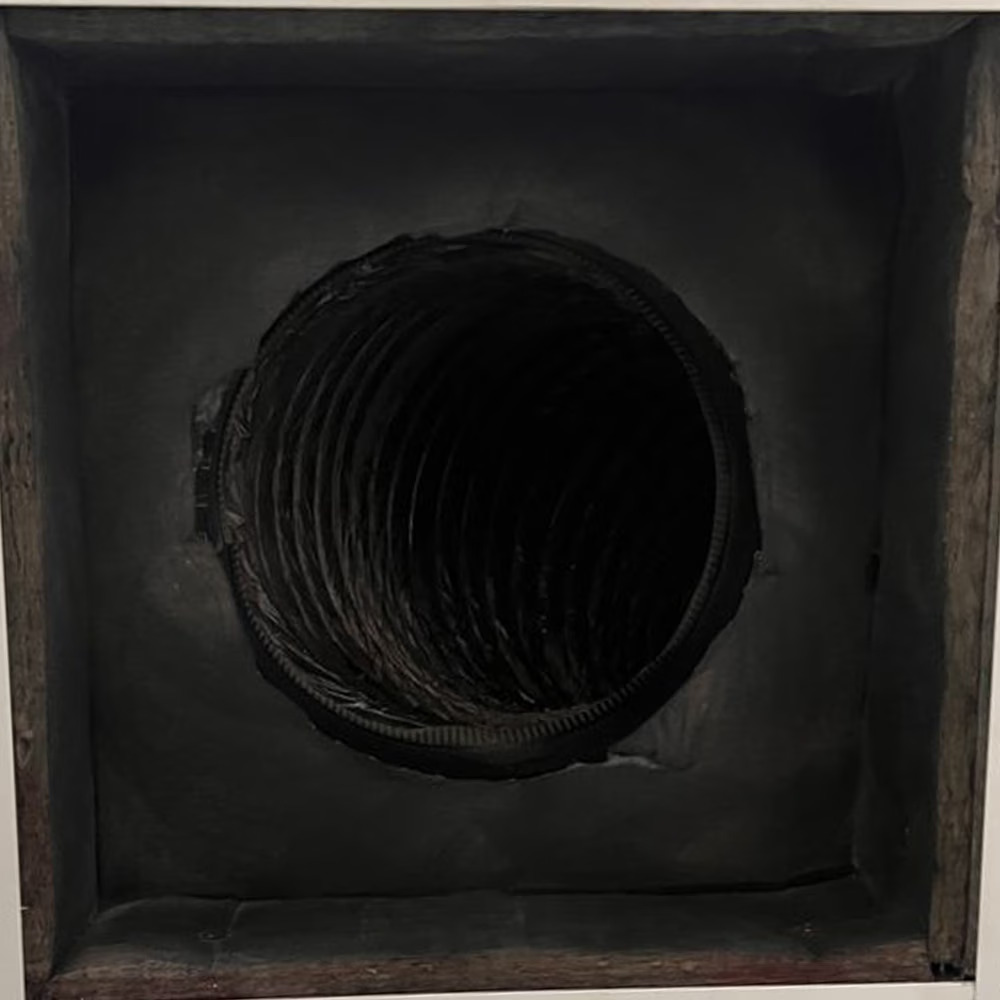
Professional observation: A clean lint screen is helpful, but it does not address lint that travels past the screen and accumulates in the dryer duct, elbows, and the outside termination.
1) Outside vent flap
When the dryer runs, confirm the flap opens and air is moving strongly. If it barely moves, the duct is likely restricted.
2) Dryer heating behavior
If the unit feels unusually hot or you notice a persistent musty or “hot” odor near the dryer, lint buildup may be trapping heat.
3) Vent duct route
Check for long runs, too many bends, kinks, or crushed sections. These locations collect lint and reduce airflow.
Main Things Customers Should Understand
Dryer duct clogs usually build gradually, then become obvious all at once. The warning signs below are the ones we most often see when lint accumulates beyond what routine lint removal can handle.
Top warning signs
- Longer drying cycles: Clothes need multiple cycles to feel dry.
- Hot dryer cabinet: The area around the dryer feels hotter than normal during operation.
- Damp or uneven drying: Some items are dry while others remain wet, especially thicker fabrics.
- Burning or smoky odor: A “hot” smell can indicate lint or residue is collecting where airflow slows.
- Excess lint around the dryer: Lint collecting near the lint screen area, the cabinet, or the floor can mean material is migrating.
- Thumping or rattling sounds: Debris and airflow turbulence can change how the system sounds.
One firsthand-style observation from the field: when we perform dryer duct cleaning, the lint is often densest at the bends and near the outside termination. Even if the lint screen was cleaned, buildup can continue inside the vent path because lint behaves like fine, lightweight material that follows airflow until it has nowhere to go.
Comparison: What “should” happen vs. what suggests blockage
| What you notice | More consistent with normal use | More consistent with dryer vent lint removal needs |
|---|---|---|
| Drying time | Cycles finish within your usual timeframe | Cycles run longer, sometimes with repeated cycles |
| Clothes feel | Dry, evenly dried across loads | Damp spots remain, especially heavier items |
| Air movement outside | Strong airflow and flap movement during operation | Weak airflow or little flap movement |
| Odor | No unusual hot or smoky smell | Hot, musty, or burning-type odor during or after drying |
| Lint distribution | Lint stays largely in the lint screen | Lint appears near the dryer or around the duct connection |
Local insight that affects dryer exhaust in Frisco
In Frisco, many homes have practical laundry setups in closets, garages, or utility spaces where the dryer vent route may include turns and longer duct runs. When those runs are not kept clear, lint accumulation can restrict airflow sooner than expected. That can contribute to indoor air quality concerns because heat and moisture can linger inside the home when the exhaust system is not moving air effectively.
Why This Matters in Frisco, TX
When a clothes dryer exhaust system is restricted, it does not just affect laundry day. It can increase moisture and heat inside the laundry area and make it harder for the system to vent properly during each cycle. In Frisco, TX, where many households rely on consistent laundry routines, even small airflow issues can quickly become noticeable. If you are already thinking about air duct and dryer vent cleaning as a whole-home habit, starting with the dryer exhaust path is often the most urgent because it is the part that directly impacts drying performance and venting behavior.
For customers who also want to keep HVAC airflow healthier, Lone Star Pro Flow LLC can help you coordinate HVAC vent cleaning alongside dryer duct cleaning. This keeps your “push and pull” systems aligned, especially if you are noticing dust around registers or seasonal changes in indoor comfort.
Get a dryer vent inspection and dryer duct cleaning plan
If you recognize one or more warning signs, a dryer vent inspection is the next practical step. We can help you identify where lint buildup is happening and what cleaning is needed to restore airflow.
Contact Lone Star Pro Flow LLCCommon Mistakes to Avoid
These are the mistakes we see most often when homeowners try to “fix it” without addressing the full vent path. Some of them can make the problem worse or leave hidden lint behind.
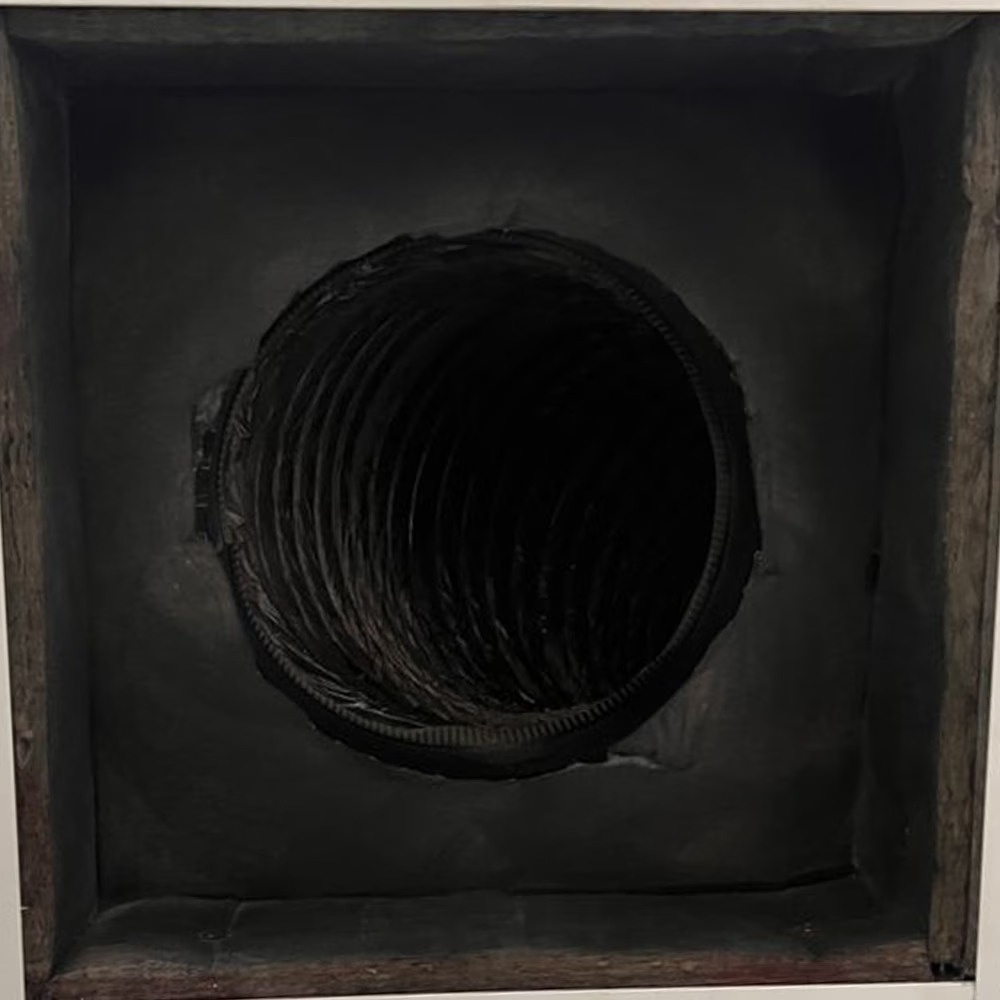
- Only cleaning the lint screen: The lint screen is not the same as the dryer duct interior.
- Using the wrong tool or pushing debris deeper: Improper cleaning methods can pack lint into elbows and near the outside termination.
- Ignoring longer drying cycles: If drying time increases, it is usually airflow restriction starting to take effect.
- Overlooking the outside vent flap: A stuck flap or blockage can stop exhaust even when the indoor duct looks clear.
- Assuming “no smell” means it is fine: Some buildup issues show up as damp clothes or weak airflow before odor becomes obvious.
Customer Checklist
Use this checklist to decide whether it is time for professional dryer duct cleaning services. If you check several boxes, it is a good sign you should schedule an inspection rather than waiting for the next load to confirm the issue.
Before your next load:
- Clean the lint screen and confirm it is fully dry and seated correctly.
- Run the dryer for a few minutes and watch the outside vent flap for movement.
- Feel for strong airflow at the exterior vent when the dryer is running (do not touch hot surfaces).
- Check for visible lint around the dryer connection or near the duct opening.
- Note drying time changes and whether clothes come out damp or uneven.
Representative scenario: what this looks like in real life
In a Frisco-area home, a family noticed their dryer started taking about 20 to 30 minutes longer each week. The lint screen was cleaned every time, but the clothes still came out warm and slightly damp. After checking the outside vent flap, they saw it open only partway. That combination suggested airflow restriction deeper in the exhaust path, especially near elbows and the termination. A dryer vent inspection then confirmed lint buildup along the duct route, and dryer duct cleaning restored airflow enough for drying times to return closer to normal.
Frequently Asked Questions
How often should I plan dryer duct cleaning?
There is not one perfect schedule for every home because lint buildup depends on how often you run the dryer, fabric types, duct routing, and how many bends the vent system has. If you notice longer drying cycles, damp loads, or weak outside airflow, that is a practical time to act. Routine lint screen cleaning helps, but it does not remove lint that collects inside the dryer duct and at the outside termination. When those symptoms show up, a dryer vent inspection helps confirm what cleaning is needed.
Can clogged dryer vents affect indoor air quality?
Yes. When exhaust airflow is restricted, the dryer may not vent heat and moisture as effectively. That can increase humidity in the laundry area and leave a lingering odor if lint residue continues to build up. Over time, the household may notice more dust movement and general “stale” air around the laundry zone. If you are also thinking about HVAC duct cleaning or air vent cleaning, coordinating indoor airflow work can support better overall comfort, especially after seasonal changes.
What is the difference between dryer vent cleaning and duct cleaning?
“Dryer vent cleaning” typically refers to clearing lint from the dryer exhaust system, including the duct route from the dryer to the outside vent. “Duct cleaning” can be broader and may include HVAC ductwork as well. In this article, the focus is on dryer duct cleaning and dryer exhaust cleaning, because that is the part directly tied to drying performance. If you want whole-home airflow support, pairing dryer vent maintenance with HVAC duct cleaning services can be a sensible next step.
Is lint on the lint screen a sign the duct is clean?
Not necessarily. The lint screen captures a lot of lint, but some fine material passes through and travels into the dryer duct, especially around bends and near the outside termination. That is why homes can have a freshly cleaned lint screen and still experience restricted airflow. If you are seeing increased drying time, weak airflow outside, or unusual odors, it is a better indicator that lint buildup has progressed beyond the lint screen. A professional dryer vent inspection can confirm what is happening inside the duct.
What should I do if I smell something “hot” while the dryer runs?
A hot or burning-type odor is a warning sign. Pause use and check for obvious issues like a blocked outside vent flap or a duct connection that looks displaced. Then plan a dryer vent inspection and dryer duct cleaning to remove the buildup that is likely restricting airflow. If you have any safety concerns, follow your dryer manufacturer guidance. Lone Star Pro Flow LLC can help identify where the restriction is and clear the dryer exhaust path as part of professional dryer exhaust vent cleaning.
Ready to restore dryer airflow in Frisco?
If you are seeing any of the warning signs above, the next step is a dryer vent inspection to confirm where lint buildup is happening. Lone Star Pro Flow LLC serves Frisco, TX and surrounding areas with duct and dryer vent cleaning designed to support better drying performance.
Call (972) 532-7959
Lone Star Pro Flow LLC
Lone Star Pro Flow LLC provides duct and vent cleaning services for homes and businesses in and around Frisco, TX. Our focus includes dryer duct cleaning and dryer vent maintenance, as well as HVAC-related cleaning such as HVAC duct and dryer vent cleaning support.
If you want to start with the right service path, you can review dryer duct cleaning and then contact the team at Lone Star Pro Flow LLC.