
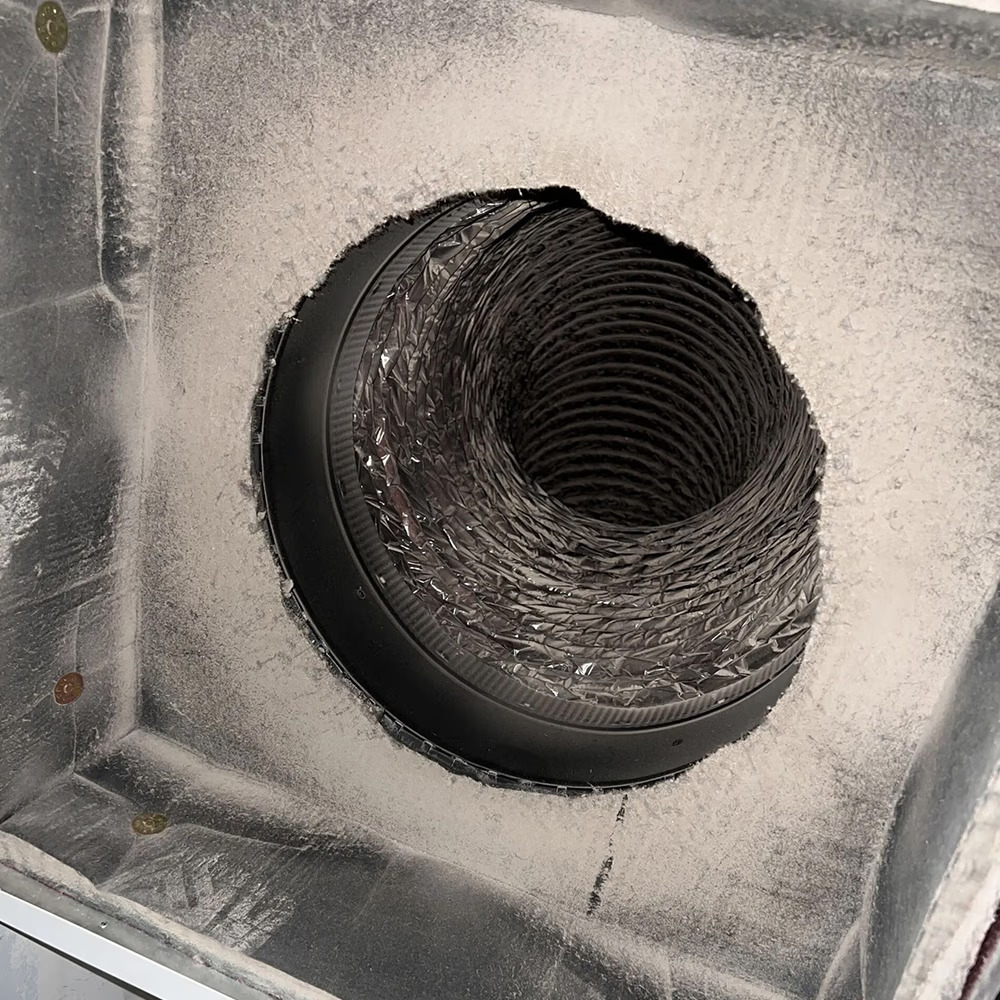
Why HVAC Duct Cleaning Helps With Allergies
If you are in Frisco, TX and you notice more sneezing, congestion, or itchy eyes when your AC kicks on, your HVAC system may be circulating more than just cool air. This guide explains how duct and vent cleaning can reduce indoor dust and debris that often feed allergy symptoms, what to check first, and how to decide what to clean.
Last spring, a Frisco homeowner told us their allergies felt “worse every week.” They were changing filters, running the fan, and keeping windows closed, but symptoms still flared most noticeably right after the air conditioner started up.
That pattern is common: when the HVAC system runs, it can stir up dust and particles that have collected in the ductwork and at the air pathways. This article helps you understand how HVAC duct cleaning can support allergy relief, what to verify before you schedule service, and where dryer vent cleaning fits into overall indoor air quality and comfort.
- Quick answer
- What to check first
- Main things customers should understand
- Why this matters in Frisco, TX
- Common mistakes to avoid
- Customer checklist
- Frequently asked questions
Quick Answer
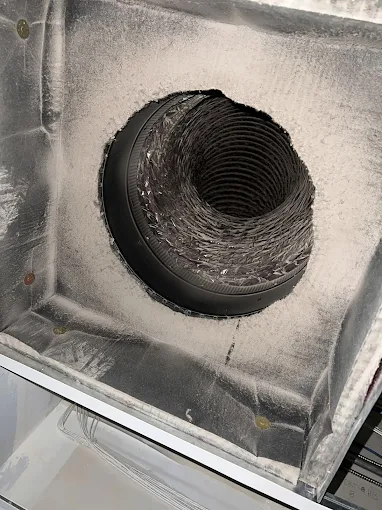
HVAC duct cleaning can help allergies by removing built-up dust, debris, and other contaminants inside the air duct system so your HVAC is less likely to circulate them. It is not a cure by itself, but it can be a practical step when you see recurring dust, musty odors tied to airflow, or symptoms that track with heating and cooling cycles. Before scheduling, check your filter routine and look for signs of heavy buildup. For a reliable plan, Lone Star Pro Flow LLC can evaluate your HVAC ductwork and advise whether duct cleaning is the right next step for your home in Frisco.
What to Check First
Before duct cleaning, start with the basics that control how much airborne material gets pulled into your system. A fresh, correctly sized filter installed on schedule can reduce what enters the return side. Also confirm that supply and return registers are not blocked by furniture, curtains, or storage boxes, which can cause uneven airflow and increase dust movement.
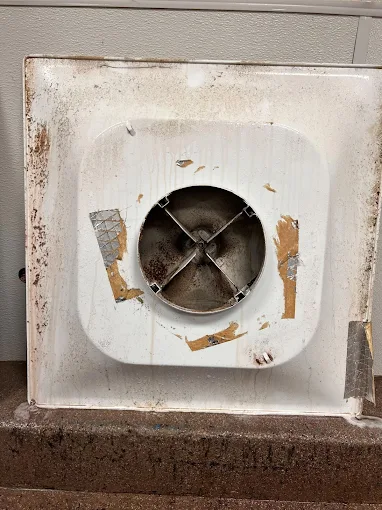
If allergy symptoms spike during certain seasons, pay attention to when they start. In Frisco homes, many people notice changes as the HVAC run-time increases. If you also see visible dust around vents, a recurring “dusty” smell, or allergy flare-ups that return soon after cleaning, it may indicate ductwork dust accumulation worth addressing.
Filter habits
Use the right filter size and keep to your replacement schedule to reduce what the HVAC picks up.
Airflow patterns
Unobstructed vents help airflow move where it should, instead of pushing dust around.
System-linked symptoms
If symptoms track with AC or heat cycles, duct cleaning may be worth evaluating.
Main Things Customers Should Understand
Allergy symptoms are triggered by more than one factor. Duct cleaning supports indoor air quality by addressing one pathway: particles that collect in the ductwork and then get redistributed when the system runs. When dust and debris build up, airflow can lift them and carry them through supply vents.
Professional observation: Duct cleaning tends to help most when the issue is tied to recurring dust, visible buildup near vents, or odors that show up when your HVAC runs. If you are only having symptoms in one specific room, it can also point to other sources like bedding, carpeting, or that room’s airflow.
Ducts are part of the air pathway
Your HVAC system moves air through return ducts, then supplies it to the rooms through ductwork and vents. Over time, that system can gather dust and debris. Cleaning the duct interior can reduce the material available to re-enter the airflow, which may make the air you breathe feel “cleaner” during heating and cooling cycles.
Allergies are about what gets airborne
Even with good filtration, some fine dust and debris can still accumulate inside ducts, especially where airflow slows or turns. When the HVAC turns on, it can stir up settled material. Duct cleaning and thorough airflow cleaning can help limit what gets moved throughout the home.
Don’t forget the dryer vent connection
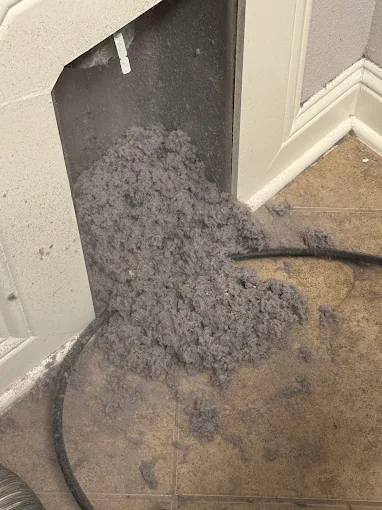
Allergy concerns often lead homeowners to focus only on HVAC, but indoor comfort also depends on how air moves through other vents. A neglected dryer vent can contribute to indoor lint and airflow restrictions. If you are scheduling duct and vent cleaning together, it can be a smart way to improve overall air movement and reduce dust sources in the home. Lone Star Pro Flow LLC also provides dryer duct cleaning for homeowners who want both systems addressed.
Why this Matters in Frisco, TX
In Frisco, TX, the HVAC runs more often during hot stretches, and that increased run-time can mean more opportunities for dust to circulate. Homes in the area often have established duct systems, and as seasons shift, the first AC cycle after a break can stir up settled debris. If your household is sensitive, that timing can make symptoms feel like they appear “out of nowhere.”
We also see that many households are balancing comfort and humidity control. When airflow is strong and consistent, the system can move air more predictably. When air pathways are restricted by buildup, it can encourage dust to move and settle in different locations. Addressing duct and vent cleanliness is one practical way to support a cleaner indoor environment while your system does the heavy lifting.
Common Mistakes to Avoid
People often take actions that seem helpful but miss the real pathway causing the problem. Avoid these common missteps so you do not waste time, money, or effort.
- Cleaning only the vents, not the ductwork: Dust can remain deeper in the system where airflow originates.
- Skipping filter basics: If the filter is wrong size or replaced inconsistently, duct cleaning alone will not fully solve the root airflow issue.
- Overlooking other airflow systems: Dryer vent buildup can add lint and reduce proper exhaust, affecting indoor conditions.
- Waiting until symptoms become constant: If you notice a clear pattern with HVAC cycles, addressing it earlier can be more effective.
Customer Checklist
Use this checklist to decide what to address next. If several items match your situation, HVAC duct cleaning may be a good fit, and a full vent plan can help you think through both comfort and cleanliness.
- I replace my HVAC filter on schedule and use the correct filter size.
- I notice dust settling near vents or on surfaces after the HVAC runs.
- My allergy symptoms change when the AC or heat turns on.
- There is a recurring musty or dusty odor that seems tied to airflow.
- My vents are not blocked by furniture, rugs, or stored items.
- I have considered dryer vent cleanliness as part of overall indoor air quality and dryer performance.
Representative Scenario
A Frisco family noticed their toddler’s sneezing was worst in the mornings after the furnace or AC started. They vacuumed often and changed filters, but the “dusty” feel returned quickly. They also saw dust collecting around a few supply registers. After evaluating the HVAC ductwork, they focused on cleaning the air pathways that circulate throughout the home and also made sure dryer vent cleaning was included in their broader vent plan. The goal was to reduce what the HVAC was redistributing each cycle, not just to mask symptoms.
| What you are noticing | What it can suggest | Practical next step |
|---|---|---|
| Allergy symptoms flare right after AC or heat starts | Dust and debris may be getting stirred up inside the HVAC air pathway | Have HVAC ductwork evaluated for cleaning needs |
| Visible dust around vents or frequent dusting required | Built-up material may be moving through supply registers | Target duct and vent cleaning, not only surface wiping |
| Dusty or musty smell that returns when the system runs | Contaminants in the duct system or airflow pathways may be contributing | Schedule a duct inspection and discuss appropriate cleaning scope |
| Lint or airflow concerns related to laundry | Dryer exhaust may be restricted or dirty | Address dryer duct cleaning as part of the plan |
Get a clear plan for your HVAC duct and vent cleaning
If you are trying to reduce allergy triggers in your Frisco home, the most helpful first step is an evaluation of how your HVAC system is performing and what kind of buildup you have. Lone Star Pro Flow LLC can help you decide what to clean and what to focus on next.
Contact Lone Star Pro Flow LLCFrequently Asked Questions
Here are practical questions homeowners commonly ask when they are considering air duct and dryer vent cleaning for allergy support.
Will HVAC duct cleaning eliminate allergies?
HVAC duct cleaning is designed to reduce dust and debris inside the duct system so your HVAC is less likely to circulate particles that can worsen symptoms. It is not a medical treatment, and allergy triggers can also come from bedding, carpeting, humidity, pets, and outdoor pollen. Many customers use duct cleaning as one practical step in a bigger indoor air routine, especially when symptoms track with AC or heat cycles.
How do I know if my ductwork is contributing to allergy symptoms?
Look for patterns. If symptoms spike after the system starts, if you see dust accumulating near vents, or if you notice recurring musty or dusty odors tied to airflow, duct buildup may be part of the picture. Also consider whether you are already maintaining proper filter changes and keeping vents unobstructed. If those basics are handled and symptoms persist, an HVAC duct cleaning evaluation can help clarify what is actually happening in the air pathway.
Should I clean my dryer vent as well?
Many homeowners start with HVAC because allergies are tied to breathing air inside the home. But laundry-related vents also affect indoor conditions. Lint and airflow restrictions in dryer exhaust can create additional dust issues and reduce proper exhaust. If you are already scheduling duct and dryer vent cleaning, addressing both systems can help you manage more than one source of airborne material and airflow disruption. Lone Star Pro Flow LLC offers dryer duct cleaning to support that broader approach.
Is duct cleaning only for older homes?
No. Ductwork can collect dust and debris over time in both older and newer homes. What matters most is how the system is used, how long it runs during the year, and whether the air pathways have accumulated material. If you notice recurring dust, odor, or allergy symptoms that correlate with heating and cooling cycles, it can be worth having your HVAC ductwork evaluated regardless of the home’s age.
What should I do right before duct cleaning?
Plan to clear the area around main vents so technicians can access registers and airflow pathways. If you have pets or are sensitive to dust, consider keeping them in a separate room during the work day. Make sure your filter schedule is up to date and confirm what access is needed. If you are also interested in air duct cleaning and dryer vent cleaning near me planning, it is helpful to mention that during scheduling so the scope matches your priorities.
Ready to breathe easier in Frisco?
For homeowners looking for HVAC duct cleaning services that connect to real indoor comfort, Lone Star Pro Flow LLC can help you evaluate your air pathways and decide the best next step for your duct and vent cleaning needs.
(972) 532-7959
Lone Star Pro Flow LLC provides duct and vent cleaning with a customer-first approach for homes and properties in Frisco, TX and nearby areas.
For more information on HVAC-focused service, visit Lone Star Pro Flow LLC’s HVAC duct cleaning. If your goal includes laundry vent performance and cleaner exhaust airflow, explore dryer duct cleaning.