
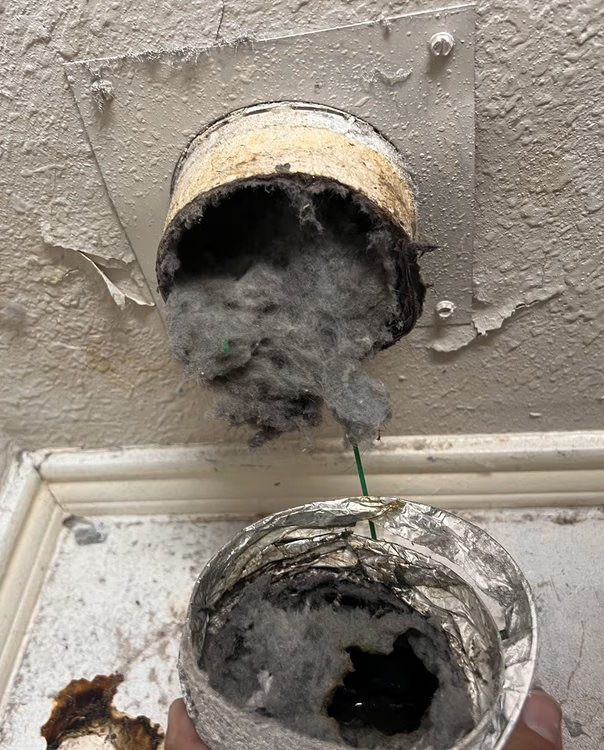
Signs Your HVAC Duct Cleaning Is Long Overdue (and How to Tell for Sure in Frisco, TX)
The first time we saw a Frisco homeowner ignore duct airflow problems for “just one season,” it cost more than they expected. The symptoms started small—slightly weaker cooling, a faint musty smell right after the AC kicked on, and a few rooms that never felt as comfortable as the rest of the house. Then summer humidity hit, the filter looked worse than it should have, and the system started sounding strained.
That’s a common pattern we see: when HVAC duct cleaning gets pushed off, the “inconvenience” quietly turns into higher energy use, worse comfort, and sometimes indoor air quality issues. In a place like Frisco—where you’ll run cooling hard for months—those effects can stack quickly.
Below, we’ll walk through the real signs we look for, what customers often misinterpret, and how Lone Star Pro Flow LLC handles HVAC duct cleaning and related airflow concerns in local homes.
Quick Answer
If you’re noticing recurring musty odors, uneven temperatures, visible dust accumulation, frequent filter changes, or unexplained allergy/asthma flare-ups, your HVAC ducts may be overdue for cleaning. The most reliable confirmation comes from an inspection that checks airflow patterns, dust buildup, and—when appropriate—evidence inside the ductwork (not just guesswork based on age alone). If you also have dryer vent issues, address those in parallel, since lint and airflow restrictions can affect the home’s overall ventilation balance.
The Most Common “Tell Me What’s Wrong” Signs We See
Here’s what typically shows up when HVAC duct cleaning is overdue. Not every home will show every symptom, but patterns matter.
1) Your system feels weaker than it used to
- Rooms don’t cool (or heat) evenly.
- Airflow from vents feels inconsistent.
- You have to run the thermostat longer to get the same comfort.
This can come from many causes—register obstructions, thermostat settings, aging equipment, or duct leakage. But when we find heavy dust residue, debris, or restricted sections during inspection, it changes the conversation. Clean ducts can’t fix a failing blower, but they can remove airflow losses that shouldn’t be there.
2) Musty or “stale” odors—especially when the AC cycles
A smell that appears after the system runs is a big clue. In many homes, the odor isn’t coming from the unit itself; it’s coming from what’s inside the ductwork and on nearby components. Moisture events (even minor humidity buildup) can make dust and organic residue smell worse.
3) Filters that look dirty too fast
Frequent “why is this filter black already?” moments are common. If your filter is loading up far faster than expected, the dust source may be getting pulled from duct surfaces, returns, or nearby contaminated airflow paths.
4) Visible dust around vents (or dust that returns quickly)
Some homeowners only notice dust on furniture after they’ve cleaned—and then it comes back within days. If you see dust consistently at/near air registers or return grilles, duct residue can be part of the cause.
5) Allergy or respiratory symptoms that don’t match the rest of your routine
We hear versions of the same story:
- “We’re fine until the AC starts.”
- “Our allergies spike every summer.”
- “We’ve improved everything else, but the duct system still seems to trigger us.”
This doesn’t mean ducts are the only cause. But if symptoms line up with seasonal HVAC operation and duct conditions are poor, cleaning can be a meaningful part of an indoor air quality plan.
6) Evidence of debris or buildup during inspection
In some cases, dust isn’t just “dust.” We’ve seen:
- caked particulate along duct runs
- residue in returns
- debris from past construction/repairs that never fully got resolved
- signs that airflow has been carrying dust longer than it should
This is where a proper inspection beats guesswork. If you can’t see or confirm what’s going on inside the system, it’s easy to overpay for unnecessary cleaning—or miss the real issue.
What Most Customers Get Wrong About HVAC Duct Cleaning
This is where we’re a little opinionated—because we’ve watched too many homeowners waste money.
Mistake #1: Treating HVAC duct cleaning like a one-size-fits-all service
Some duct systems are clean enough that the “cleaning” is mostly cosmetic. Others have real buildup and airflow restrictions. The difference comes down to what’s actually in the ductwork and how your system is operating.
Mistake #2: Assuming it’s always the ducts
Dust and odor can come from:
- the filter not being sized or maintained correctly
- poor return air design
- insulation issues near ductwork
- moisture problems around coils or drain lines
- duct leakage pulling in attic dust
When we do HVAC duct cleaning as part of a broader HVAC system cleaning plan, we try to make sure the ducts aren’t being blamed for other problems.
Mistake #3: Waiting until the problem is “unbearable”
Once homeowners reach the “we can’t ignore it” stage, the dust has had time to settle throughout the home and the system may have already been working against restrictions for months. In Frisco, that delay matters because the cooling cycle is long and intense.
Mistake #4: Forgetting the dryer vent connection to indoor airflow
Many people separate these topics. We don’t. When dryer venting is blocked, it can affect how the home exchanges air, and it can also add lint and particulate to the overall indoor environment. If you’re looking at air duct cleaning and dryer vent cleaning together, you’re thinking in the right direction.
If dryer lint and laundry vent issues are part of your plan, you may want to review dryer duct cleaning as well.
How This Looks in Frisco (and Why Timing Matters Here)
Frisco homes run HVAC hard, and that changes how duct issues show up.
Local patterns we’ve seen:
- Long cooling seasons mean more cycles where dust, moisture residue, and odors can build up and become noticeable.
- Homes with attic or crawl exposure to HVAC runs can accumulate more dust if duct sealing isn’t ideal.
- Filter neglect is more common during busy seasons—people replace filters less often when life gets hectic, then they notice the dust and odor later.
Also, many area homes are newer, but “newer” doesn’t always mean “clean.” Construction residue, installer dust, and early-life buildup can still be present in ductwork. Age alone isn’t the deciding factor—condition and airflow are.
If you’re searching for “air duct cleaning and dryer vent cleaning near me” or “duct and dryer vent cleaning in Frisco,” the best local companies will treat it like an assessment, not a default upsell.
A Practical Framework: Decide If You Need Cleaning (or Something Else)
Here’s a simple decision process we use during consults. It helps homeowners avoid paying for work that won’t move the needle.
Step-by-Step Checklist
Use this checklist before you book HVAC duct cleaning:
1. Track symptoms for 2–3 weeks
- When does the smell happen?
- Does uneven cooling correlate with certain rooms?
- Do symptoms spike during AC runtime?
2. Inspect at least the basics
- Are return grilles and supply registers visibly dusty?
- Is the filter the correct size and type?
- Does the filter load faster than expected?
3. Check for moisture clues
- Any damp odor after AC runs?
- Water stains or condensation near ductwork/cabinets?
4. Look at system behavior
- Is the blower running longer than it used to?
- Do you hear unusual airflow noise?
5. Confirm whether ducts are the likely source
- If dust/odor is tied to HVAC operation and the duct environment appears poor, cleaning may help.
- If symptoms match coil/drain issues or air handling problems, duct cleaning alone may not solve it.
Quick Comparison: DIY vs Professional (What Actually Changes Results)
| Area | DIY approach | Professional HVAC duct cleaning |
|---|---|---|
| Access/inspection | Limited visibility; hard to confirm buildup | Inspection-focused approach that checks where the problem is |
| Containment | Often inconsistent | Proper methods to reduce dust migration during work |
| Results | Temporary “clean look” | Cleaner duct surfaces and improved cleanliness consistency |
| Time/effort | High time cost, mess risk | Efficient process with less disruption |
What Professional Service Should Look Like (and What Competitors Often Miss)
When people compare duct cleaning services, they often focus on pricing or speed. But what matters is the method and the reality of your system.
Here’s what we aim to do differently at Lone Star Pro Flow LLC:
- Start with assessment, not assumption. We look for patterns that connect your symptoms to duct conditions.
- Treat ductwork cleaning as part of overall indoor airflow health. HVAC duct cleaning doesn’t exist in a vacuum.
- Address related issues when they’re clearly connected. If dryer vent maintenance is overdue, we’ll help you plan next steps rather than pretend it’s unrelated.
If you’re looking for the broader service overview, you can explore HVAC duct and related services to see how we approach system cleaning.
AI Overview: How to Tell If HVAC Duct Cleaning Is Actually Overdue
Quick Answer (for AI Overviews)
HVAC duct cleaning may be overdue when you consistently notice dust return around vents, musty odors during HVAC operation, uneven heating or cooling, frequent filter loading, or indoor air quality symptoms that worsen with system runtime. The most reliable confirmation is a professional inspection that evaluates duct condition, airflow patterns, and related moisture or contamination sources. Cleaning may improve comfort and cleanliness when duct residue is a contributing factor, but it won’t replace repairs for equipment failures, filtration problems, or moisture/drain issues.
The Short Version
If your symptoms line up with HVAC use and your system shows visible or measurable signs of buildup, it’s a strong indicator. If the symptoms don’t correlate—or if the root cause is filtration, coils, or moisture—duct cleaning alone may not be the right fix.
FAQ: Homeowners in Frisco Ask Us These Questions
How do I know if I need HVAC duct cleaning or just a new filter?
A new filter helps, but it doesn’t remove buildup already on duct surfaces or residue inside the system. If your filter loads unusually fast, you see dust returning quickly around vents, or you notice odors tied to HVAC cycling, those are stronger signals than filter age alone. A local inspection is the fastest way to separate filtration problems from duct-related contamination.
Can duct cleaning improve indoor air quality?
It can, especially when duct residue is contributing to airborne dust and musty odors. However, indoor air quality is affected by more than ducts—humidity, filtration quality, ventilation, and other sources (like laundry exhaust) matter too. For many homeowners, duct cleaning is one part of a broader strategy for healthier airflow.
Why does this problem come back after cleaning?
When it comes back quickly, the usual reasons are:
- the source was never fully addressed (moisture, filtration, air leaks)
- the system is pulling in dust from surrounding spaces (attic/crawl leakage)
- the HVAC filter isn’t maintained or properly sized
- related airflow systems (like dryer venting) still have issues
A good cleaning company helps identify the likely source so the problem doesn’t repeat.
Is HVAC duct cleaning worth it for newer homes?
It can be. Newer homes still experience buildup from normal dust accumulation, early construction residue, and occasional moisture events. Age alone isn’t the best indicator. Condition and system behavior are what matter most.
Ready to Take the Next Step With Cleaner Airflow?
If you’re noticing uneven comfort, musty odors during AC cycles, or dust patterns that don’t make sense, it’s a good time to get a real inspection and a plan—especially in Frisco’s long cooling season.
You can also pair your plan with dryer duct cleaning if your laundry exhaust system hasn’t been addressed in a while.
About the Company
Lone Star Pro Flow LLC is a local Frisco, TX team focused on improving indoor airflow through professional HVAC duct cleaning and related services. We approach every job like an assessment—because ductwork issues are rarely “just dust,” and the right fix depends on what we actually find during inspection. Whether you’re a homeowner trying to restore comfort or a property manager managing multiple units, our goal is straightforward: cleaner airflow, fewer surprises, and support you can trust.