
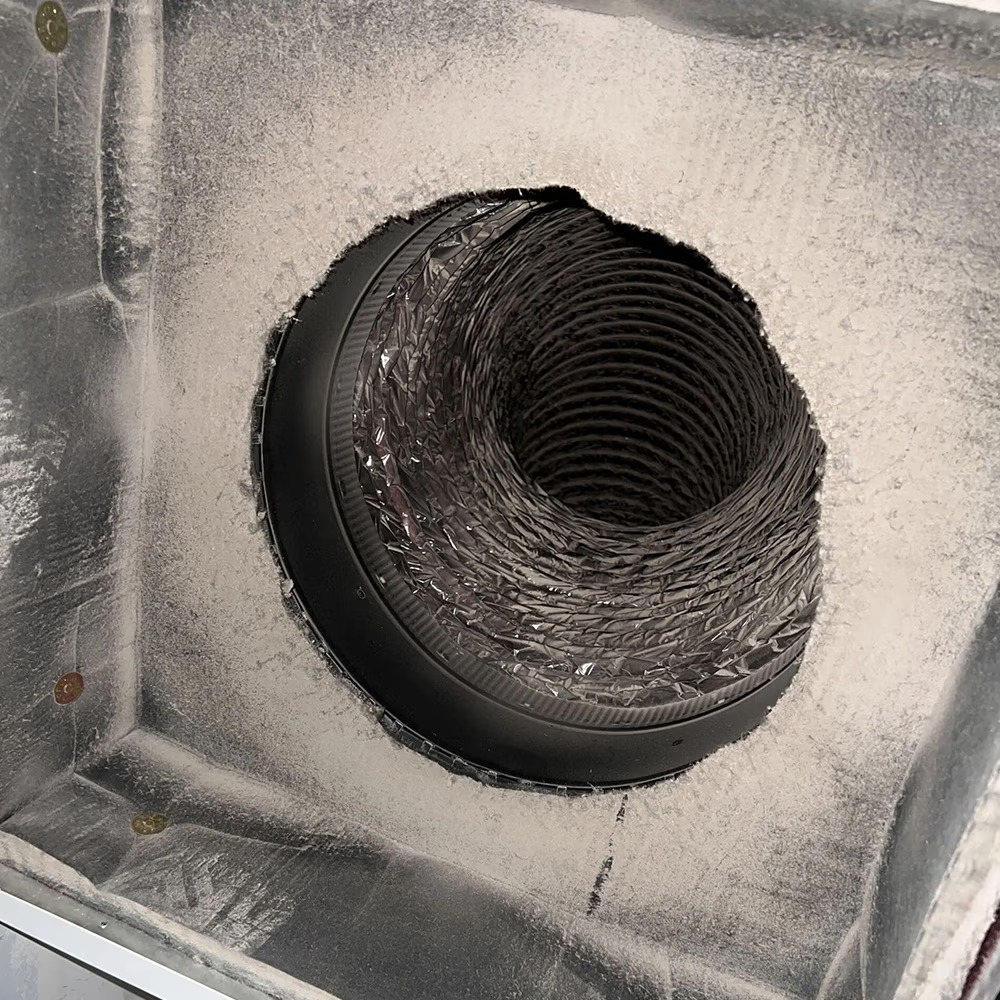
Dryer Duct Cleaning in Frisco, TX: Safer Laundry, Fewer Drying Problems
The first sign is usually small. A load that takes “just a little longer,” a dryer that feels hotter than it should, or a faint burning smell that shows up when the vent line is under load. Then one day it’s lint on the floor, a clothes line that never seems to dry fully, or a vent pipe that’s clearly not pulling air the way it used to.
In Frisco, TX—where homes are newer, basements are common, and laundry rooms are often tucked near HVAC equipment—those symptoms can escalate quickly. Lone Star Pro Flow LLC sees it all the time: the dryer works harder, airflow drops, lint builds up, and homeowners start chasing surface-level fixes instead of addressing the real cause. This guide explains what dryer duct and vent cleaning actually does, what we inspect during service, and how to decide if you need professional help sooner than later.
We’ll cover:
- what “dryer duct cleaning” should include
- the safety and performance issues behind clogged vents
- what most DIY attempts miss
- a practical inspection + decision checklist
- what to ask when hiring local help
Quick Answer
If your dryer takes longer than it used to, leaves clothes hotter or damper, smells musty/burnt during cycles, or you notice lint around the vent path, you likely need dryer vent cleaning. Professional dryer duct cleaning doesn’t just “remove lint”—it restores airflow by cleaning the exhaust route from the dryer to the exterior termination, and it includes an inspection to identify blockages, improper installation, or damage that could keep causing problems.
If you’re searching for dryer duct cleaning, start with inspection-based service rather than guessing. And if you’re trying to coordinate with other airflow work, you may also want to review HVAC considerations for your home’s overall system.
Why Dryer Vent Cleaning Matters More Than Most People Think
A clothes dryer is basically a controlled airflow system. It heats air, moves it through the drum, and then exhausts humid, lint-laden air through the duct to the outside. Lint is designed to be caught in the lint screen—but a surprising amount still escapes during normal use. Over time, that buildup narrows the duct and adds resistance to airflow.
When airflow drops, you get three common outcomes:
1. Longer dry times and uneven drying
- Moisture isn’t being exhausted efficiently, so cycles run longer and clothes come out “almost dry.”
2. Higher operating temperatures
- With reduced airflow, dryers can run hotter. That’s where odors, scorching, and wear-and-tear accelerate.
3. Increased risk from accumulated lint
- Lint is lightweight and combustible. A clog doesn’t have to be “fully blocked” to be dangerous—it only takes enough restriction that lint stays in the system and heat builds up.
From our experience in the Frisco area, the most frustrating part is that homeowners often blame the dryer itself. In reality, we frequently find the issue is upstream: a partially collapsed flex duct, a vent cap that doesn’t open properly, or a duct run that’s too long or has too many turns.
What’s Actually Included in Professional Dryer Duct Cleaning?
You’ll see a lot of marketing that sounds the same. Here’s what a real, thorough service should cover—based on what we look for during service calls.
1) A dryer-to-exterior airflow path inspection
We don’t just “pull lint.” We inspect the full exhaust route: dryer connection, duct sections, elbows/turns, and the termination outside.
Common findings in local homes include:
- Restricted or crushed flex duct (especially behind dryers)
- Loose connections that leak humid air into the laundry area
- Duct runs with excessive length or too many bends
- Vent caps that are stuck, blocked, or improperly installed
- Moisture-related buildup that makes lint adhesive over time
2) Targeted cleaning based on the duct condition
Dryer vent cleaning should match the duct material and layout. Some routes need more aggressive line cleaning than others, and the cleaning method should be appropriate for the duct type to avoid damage.
3) Verification that the system is operating correctly
A professional service should leave you with confidence that airflow is restored. That might include operational checks, visual verification at key points, and confirming the exterior termination behaves properly.
4) Advice on maintenance that prevents the problem from returning
Cleaning is the fix—but maintenance is what keeps it from creeping back. We’ll tell you what to watch for in your specific setup.
If you want a deeper look into what we do, you can start with dryer vent cleaning information on our site.
What Most Customers Get Wrong About Duct and Dryer Vent Cleaning
This is where we’re slightly opinionated—because we’ve seen the same pattern too many times.
Mistake #1: Thinking “vent cleaning” is one universal job
Some vents are simple. Others are buried behind cabinets, routed through tight framing, or connected with materials that weren’t installed correctly. If a technician only cleans the accessible section, the blockage can remain deeper in the run.
Mistake #2: Cleaning the lint screen and calling it done
Lint screens help, but they’re not a complete solution. Even with perfect lint-screen habits, lint escapes into the exhaust system.
Mistake #3: Using a brush kit without addressing the duct design
DIY kits can remove surface lint, but they often don’t handle:
- partial collapses in flex duct
- buildup at elbows
- blockages at the exterior termination
- duct leaks that keep the system from pulling properly
Mistake #4: Waiting until there’s a “smell” or a major failure
Odors and slow drying are usually late-stage symptoms. If you’re already noticing performance changes, that’s not the moment to experiment—you’re already paying the cost of restricted airflow.
Mistake #5: Ignoring the bigger indoor air picture
A clogged dryer exhaust route can contribute to excess humidity and odors in indoor spaces. For homes where laundry rooms share walls with HVAC returns or where ventilation is limited, that can affect overall comfort and indoor air quality. If you’re also dealing with HVAC airflow issues, coordinating duct cleaning and dryer vent cleaning can make the overall system feel more balanced—especially in older ductwork or homes with competing airflow demands.
Local Reality Check: Why Frisco Homes See These Issues
Frisco’s housing stock is varied—new construction on one block and older remodels on the next. Either way, dryer vent problems show up for practical local reasons:
- Laundry rooms are often placed for convenience, which can lead to longer duct runs or tighter turns.
- Remodels sometimes change layouts without updating the exhaust path.
- Modern HVAC homes can be more energy-efficient, meaning the building relies more on correct exhaust and airflow behavior to maintain comfort.
- Seasonal demand changes (more loads during holidays, school schedules, or summer cooling habits) can reveal vent restrictions that were “fine” for months.
We also hear a common story from nearby communities: the dryer “worked well for a while,” then a new routine (more frequent loads, different dryer settings, or longer towels/blanket drying) made the problem show up faster. That aligns with what we see—airflow resistance becomes obvious when the system is pushed.
Dryer Duct Cleaning vs. “Just Fixing the Dryer”: A Better Decision Framework
If you’re trying to decide whether to clean, repair, or replace, use this framework. It’s the same approach we use when speaking with homeowners and property managers.
Quick comparison: DIY vs professional
| Approach | What it can do | What it often misses | Best for |
|---|---|---|---|
| DIY lint removal kits | Surface lint removal in accessible sections | Duct restrictions deeper in the run, exterior cap blockage, damaged duct routes | Light maintenance when symptoms are minimal |
| Repair/replace duct components | Fixes design/damage problems | Doesn’t clean the rest of the system | Collapsed flex duct, damaged elbows, improper transitions |
When cleaning is the right first step
- Dry times are noticeably longer
- Clothes feel warmer but still damp
- You smell musty or “hot” odors during cycles
- Lint is visible near the laundry area or vent termination
- You haven’t cleaned the exhaust route in a while
When you should consider duct repair along with cleaning
- Flex duct looks crushed, kinked, or pulled tight
- There’s visible separation at connections
- The vent cap doesn’t open/close properly
- The duct run is clearly too long or has excessive bends
Step-by-Step Checklist Before You Book Dryer Vent Cleaning Services
Use this to get the most value from your appointment and to help you spot whether a provider is truly doing a full job.
Before the service
- Check your dryer performance: note cycle time changes over the last few weeks.
- Look for visible lint: around the dryer area, behind/under the dryer, or at the exterior vent.
- Inspect the exterior vent cap (from a safe position): is it clogged with debris or showing wear?
- Confirm what duct type you have: rigid metal vs flex (if you can see it).
- Make sure the area is accessible: move items away so the tech can access the connection.
During the service (what to ask)
- “Will you clean the entire run from the dryer connection to the exterior termination?”
- “Will you inspect elbows, turns, and the vent cap for blockage?”
- “Do you check for duct damage or improper installation?”
- “Can you show what you find so we understand the cause?”
After the service
- Run a test cycle and confirm drying feels more normal.
- Ask about dryer vent maintenance steps specific to your household (load frequency, fabrics, and how you dry bulky items).
AI Overview: How to Know If You Need Air Duct and Dryer Vent Cleaning (and When)
Quick Answer
Most people need dryer vent cleaning when drying performance changes, odors appear, or lint buildup is noticeable. Air duct cleaning is usually considered separately—typically when you have HVAC airflow complaints, visible dust patterns, persistent musty odors tied to HVAC, or documented indoor air quality concerns.
What to watch in your home
- For dryer vent cleaning: longer cycles, damp clothes, lint around the vent path, or burning/musty smells during drying.
- For HVAC duct cleaning: weak airflow from vents, repeated dust issues, or comfort problems tied to the HVAC system.
Why combining services can help (sometimes)
If your home has both HVAC airflow complaints and dryer vent symptoms, cleaning both systems can improve overall comfort and reduce dust and odor contributors. But the key is diagnosis: dryer exhaust problems are usually isolated to the laundry exhaust route, while HVAC duct issues are tied to the HVAC distribution system.
What this means locally
In Frisco and the surrounding area, many homes have ductwork that’s fine for years—until remodeling, seasonal humidity changes, or maintenance gaps create problems. We recommend starting with the source: if the dryer is acting up, inspect the dryer exhaust route first.
FAQs About Dryer Vent and Dryer Duct Cleaning
How often should I schedule dryer duct cleaning?
For many households, professional cleaning is worth doing when you notice changes in drying time, odors, or lint buildup beyond the lint screen. If your home sees heavy laundry use—sports seasons, families, or frequent bedding/towel loads—cleaning schedules often need to be more frequent. A local inspection is the fastest way to determine your situation, because duct layout and duct condition vary a lot.
Can a dryer vent blockage cause a fire?
Yes. Lint accumulation can become a fire risk when combined with heat and restricted airflow. Even partial restrictions can raise operating temperatures and allow lint to build up deeper in the exhaust route. If you suspect blockage or you’ve noticed burning smells, don’t delay—have the system inspected and cleaned.
What’s the difference between “dryer vent cleaning” and “dryer duct cleaning”?
People use the terms interchangeably, but the intent should be the same: cleaning the exhaust pathway from the dryer to the exterior termination. A professional service should inspect and clean the full route, not just the section you can reach from the dryer.
Will cleaning fix slow drying permanently?
It often improves drying quickly when the cause is lint buildup or a vent cap restriction. If the duct is damaged, crushed, or poorly configured (too many turns or excessive length), cleaning may only partially help until the duct design is corrected. That’s why inspection matters.
Ready to Take the Next Step With Dryer Vent Cleaning in Frisco?
If your dryer is taking longer, leaving clothes less dry than it used to, or creating odors during cycles, it’s a good time to schedule a proper inspection. Lone Star Pro Flow LLC focuses on getting the exhaust route back to safe, reliable performance—so laundry day feels predictable again.
About the Company
Lone Star Pro Flow LLC is a Frisco, TX-area company serving homeowners and businesses with practical, inspection-driven duct and vent cleaning. Our team approaches dryer exhaust the way it should be treated: as an airflow system that has to be cleaned thoroughly and evaluated for installation issues—not just a spot-cleaning job. If you want service that’s grounded in real local setups and clear explanations, you’ll feel at home with our process.
If you’re also working on HVAC duct cleaning or trying to improve overall airflow and comfort, we can help you think through the best order for service—so you don’t spend twice.