
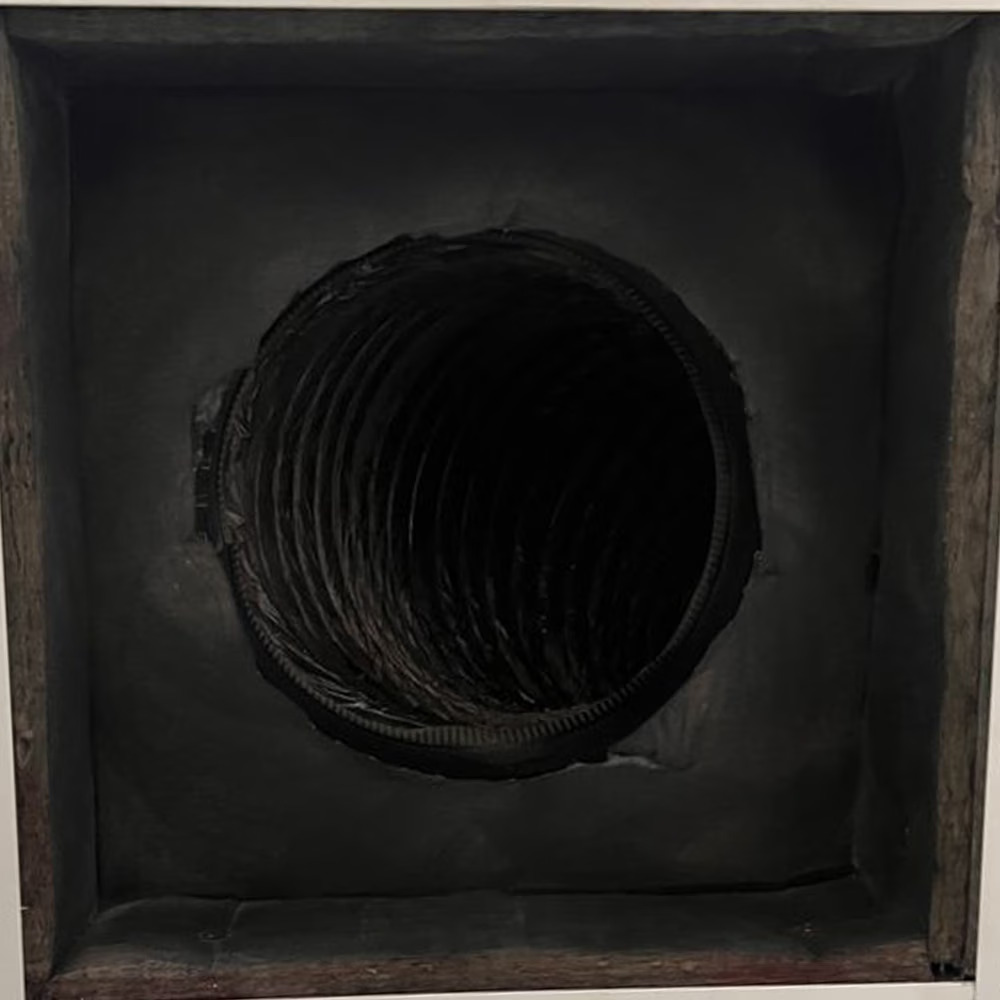
Signs Your HVAC Ducts Need Professional Cleaning Fast
If your system is pushing dust, smells, or inconsistent airflow, you might be dealing with more than “normal” household mess. This guide helps you recognize the common signs that HVAC duct and dryer vent cleaning may be overdue, what to check first, and what to discuss with a local pro in Frisco, TX.
Last week, the AC ran fine in the afternoon, but by evening you noticed a haze of dust near the vents and a musty odor that seemed to show up only when the air was on. The filter looked “okay,” but the air still felt heavier than usual.
That pattern is often a clue that contaminants are settling inside the ductwork or getting stirred up when the HVAC system cycles. This guide walks you through the signs homeowners in Frisco, TX commonly notice, how to confirm what you are seeing, and when it makes sense to schedule HVAC duct cleaning and related dryer duct cleaning support.
- Quick answer
- What to check first
- Main things customers should understand
- Why this matters in Frisco, TX
- Common mistakes to avoid
- Customer checklist
- Frequently asked questions
Quick Answer
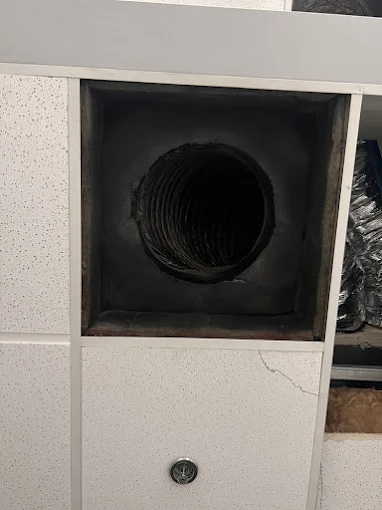
If you are seeing visible dust near vents, noticing musty or “stale” smells when the system runs, or experiencing uneven airflow room to room, that is a good reason to consider professional air duct cleaning and dryer vent cleaning. Start by checking your filter schedule and whether vents are blocked by furniture or returns are sealed properly. If the symptoms persist after basic airflow checks, a technician can inspect duct conditions and recommend HVAC duct and dryer vent cleaning as part of improving indoor air quality and system performance. For homes in Frisco, TX, getting ducts cleaned before seasonal buildup helps keep airflow consistent.
What to Check First
Before you call for duct cleaning, focus on the items you can verify quickly. These checks help you avoid guessing, and they also give a technician useful context about what is happening in your home’s airflow system.
1) Filter and airflow basics
Confirm your filter type and that it is installed correctly. A filter that is overdue or seated poorly can look “fine,” but still allow dust to circulate more than you expect. If you recently changed filters and the issue remains, duct conditions become more likely.
2) Vent and return areas
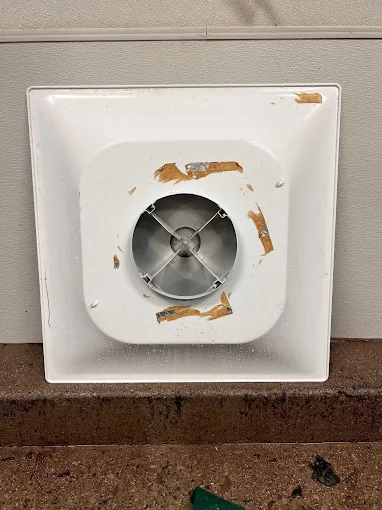
Look for dust buildup at registers, returns, and grilles. Check for blocked returns, ripped duct boots, or gaps where air can escape and pick up debris along the way.
3) Odor pattern
Notice whether odors appear only during cooling, only during heating, or after the system has been off for a while. A “stale” or musty odor that returns with airflow often points to contaminants inside the ductwork or nearby components.
Main Things Customers Should Understand
HVAC ducts can collect dust, lint, and other debris over time, especially in homes where filters are changed inconsistently or where air leaks pull in contaminants. Professional cleaning is not just about removing debris. It is about addressing the conditions that allow particles to build up and get redistributed when the system starts and stops.
Professional observation: When customers describe “dust that shows up right after the AC runs,” the most helpful next step is usually a focused inspection of duct conditions and airflow pathways, not just a general vacuuming approach. That is what helps determine whether air vent cleaning is the right move.
Common signs that point to duct cleaning
Use these as practical signals, not guarantees. If several show up together, it is more likely you have duct buildup contributing to what you feel indoors.
- Visible dust around supply vents or on nearby surfaces soon after the system runs.
- Musty or stale odors that seem to get stronger during HVAC operation.
- Uneven temperatures where some rooms stay colder or warmer than others.
- More allergy-like symptoms around the time the system cycles, even after changing filters.
- Dust reappearing quickly after cleaning, especially along vent lines.
Why dryer vents matter too
Many homeowners focus only on HVAC ducts, then later realize their laundry exhaust is also contributing to indoor air quality. If your dryer vent run is restricted, it can create airflow issues and increase lint buildup risk. That is why some customers choose a combined approach with dryer duct cleaning alongside HVAC vent cleaning.
| What you notice | More likely related to | What to ask a pro about |
|---|---|---|
| Dust near air returns and supply vents | HVAC ductwork and returns | Inspection of supply/return pathways and visible debris sources |
| Stale or musty smell when the system runs | Duct contamination or nearby airflow pathways | Where odor appears and what components are connected to that airflow |
| Dryer takes longer than usual or lint buildup feels excessive | Dryer vent and exhaust route | dryer vent inspection and dryer exhaust cleaning needs |
| Airflow feels inconsistent across rooms | Duct balancing issues or buildup affecting distribution | How cleaning may support more consistent air delivery |
Why This Matters in Frisco, TX
In Frisco, TX, many homes run HVAC for long stretches because comfort needs change with the seasons. That regular cycling can stir up dust that has settled in ductwork, especially in systems that are not supported by consistent filter changes. When humidity and temperature shifts happen, odors can also become more noticeable, which is why homeowners sometimes first notice duct issues after switching from one seasonal mode to another.
Local tip: If you recently moved into a new or older home in the Frisco area and you are not sure when the duct system was last serviced, it is reasonable to schedule an inspection before expecting “normal” dust levels to stay stable.
Common Mistakes to Avoid
Homeowners often try quick fixes that do not address the source of the problem. Here are the missteps that most commonly delay results, especially when the goal is HVAC duct cleaning services that actually help.
- Assuming a clean-looking filter means duct buildup cannot exist.
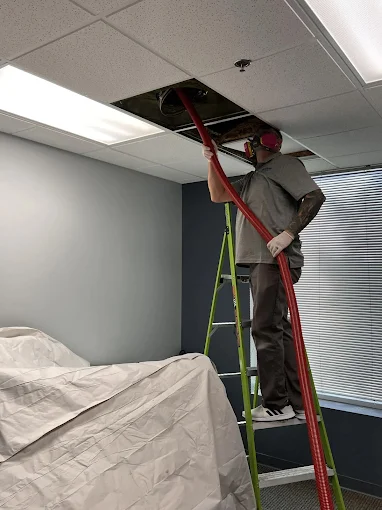
- Vacuuming only the register surface while leaving dust in deeper duct runs and returns.
- Ignoring odor patterns and focusing only on visible dust.
- Overlooking airflow obstructions such as blocked returns or closed-off vents.
- Scheduling duct cleaning while neglecting dryer vent issues that can also affect indoor air quality.
Customer Checklist
Use this checklist to prepare for a duct cleaning conversation. It helps you describe the issue clearly and get actionable next steps from a local team in Frisco, TX.
- Record when the symptoms show up (only when AC runs, only when heat runs, or after long off periods).
- Note where dust appears most (near specific vents, returns, or along certain room lines).
- Confirm your current filter type and the last time it was changed.
- Check for blocked returns, loose vent covers, or damaged duct boots at accessible locations.
- List any recent changes, such as renovations, new flooring, or changes to laundry routines.
- If laundry exhaust is part of your concern, mention it and ask whether dryer vent cleaning services should be reviewed too.
A representative scenario (Frisco homeowner)
A Frisco homeowner reported that fine dust settled faster on window sills after the air conditioning ran. They changed their filter, but the dust kept returning. After checking returns and ensuring vents were not blocked, the homeowner still noticed uneven airflow. In that situation, focusing on HVAC duct and dryer vent cleaning as a connected indoor airflow cleanup plan usually makes more sense than treating symptoms room by room.
Want a clear next step for duct and vent cleaning?
If you are seeing dust, odors, or inconsistent airflow, Lone Star Pro Flow LLC can help you identify what to address first in your system.
(972) 532-7959Frequently Asked Questions
How do I know if it is HVAC duct buildup or just household dust?
Household dust usually follows cleaning patterns and daily activity. HVAC duct buildup often shows up in a more “system-linked” way, such as dust appearing soon after the AC or heat runs, or dust concentrating near registers and returns. If you are also noticing musty or stale odors when the system cycles, that is another sign to consider duct conditions. A practical first step is checking filter installation and timing, then documenting where the dust returns. From there, a focused inspection can help you decide whether air duct cleaning services are warranted.
Should I clean my dryer vent if my main issue is HVAC dust?
It depends on what else you are experiencing. If you notice lint buildup, longer drying times, or concerns about dryer exhaust airflow, reviewing dryer vent cleaning can help protect indoor air quality and reduce the chance that another vent system is contributing to the overall problem. Many customers choose to address both because they are connected to airflow and particulate movement inside the home. Even if HVAC dust is the main trigger, it is reasonable to ask whether air duct cleaning and dryer vent cleaning near me should be part of the same plan.
What should I look for around supply vents and returns?
Look for dust accumulation on and around registers, return grille edges, and visible vent connections. Check whether vent covers are secure and whether returns appear unobstructed by furniture, rugs, or storage. If you see gaps where air could escape, that can contribute to dust movement. Also consider whether the issue is tied to a specific area of the home, which can help a technician focus on the most likely duct runs or airflow pathways.
Can cleaning help with uneven temperatures between rooms?
Uneven temperatures can come from multiple factors, including duct design, air distribution, and potential buildup within ducts. While cleaning is not a universal fix for every comfort issue, removing debris buildup can support better airflow where it has been restricted or affected. If you are experiencing room-to-room differences along with visible dust or odors, it is more likely that duct conditions are playing a role. For your situation, it helps to describe which rooms are most affected and when it started, so a technician can recommend the most relevant HVAC duct cleaning services approach.
Do I need both HVAC duct cleaning and HVAC system cleaning?
Sometimes the right next step starts with duct-focused cleaning, and sometimes it includes broader HVAC system cleaning depending on what is found during inspection. If you are primarily noticing dust at vents and airflow-related symptoms, duct cleaning is often the starting point. If there are additional concerns tied to the system’s components and airflow pathways, the technician may recommend a more comprehensive plan. The best approach is to schedule an inspection and ask what parts are most likely contributing to the symptoms you are experiencing in your Frisco home.
Ready to schedule duct and vent cleaning in Frisco?
For duct cleaning and dryer vent cleaning services that focus on what you are actually experiencing, reach out to Lone Star Pro Flow LLC.
Explore HVAC duct cleaning
Lone Star Pro Flow LLC
Lone Star Pro Flow LLC provides duct and vent cleaning services for homeowners and property managers in Frisco, TX and surrounding areas. If you are looking for help with air duct cleaning, HVAC duct cleaning, dryer duct cleaning, and related dryer exhaust cleaning, Lone Star Pro Flow LLC can help you identify what to address first based on the signs you are seeing at home.
For service details, you can also review dryer duct cleaning and learn more about the HVAC duct cleaning option.
Prefer to talk through your situation? Call (972) 532-7959 or visit lonestarproflow.com.