
The Hidden Impact of HVAC Duct Cleaning on Efficiency (and Why It Shows Up in Your Bills in Frisco)
A few months back, we worked with a homeowner near Frisco who kept blaming their thermostat for “not working right.” The system ran constantly—especially during peak AC hours—but the rooms farthest from the air handler never really felt balanced.
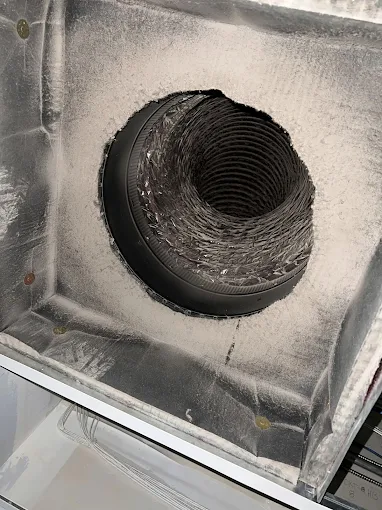
When we pulled back the return and supply ductwork for a closer look, the pattern was familiar: dust deposits along certain runs, airflow restriction where the duct had accumulated debris over time, and a noticeable mismatch between what the system was pushing and what the home needed. After HVAC duct cleaning and verifying airflow, the house stopped feeling like it was fighting the HVAC system. The biggest change wasn’t a “miracle”—it was efficiency that finally had a clear path to work.
That’s the real story behind HVAC duct cleaning. It’s not just about aesthetics or “fresh air.” It can change how effectively your system moves air through the ductwork—especially when buildup, airflow leaks, or poor duct conditions are already making your HVAC work harder than it should.
Below, I’ll break down what we see locally, what customers often misunderstand, and how to decide whether duct cleaning is likely to help your specific situation.
Quick Answer
HVAC duct cleaning can improve HVAC efficiency when ductwork has accumulated dust, debris, or other restrictions that interfere with airflow and system performance. It’s most likely to help when cleaning is paired with a proper inspection (airflow balance, duct condition, and source control like filtration and duct sealing). It won’t “fix” an undersized system, refrigerant issues, or major equipment problems, and it shouldn’t be treated as a universal cure-all—but done correctly, it can remove the barriers that make your HVAC work harder.
When Duct Cleaning Actually Improves Efficiency (Not Just “Clean Air”)
Efficiency is ultimately about airflow and heat transfer—how much conditioned air reaches where it needs to go, and how smoothly the HVAC system can move that air.
From our work with local homes and businesses, HVAC duct cleaning tends to make the biggest difference when one or more of these are true:
- There’s visible or measurable buildup (dust mats, debris in returns, or heavy accumulation in specific duct runs).
- Airflow is already struggling due to duct restriction, system imbalance, or a poorly designed duct layout.
- The ductwork is part of a larger indoor air quality issue (for example, persistent dust on surfaces, or HVAC-related odors that correlate with airflow).
- The home has conditions that accelerate buildup, such as construction debris history, pets, frequent seasonal allergies, or high dust exposure from the neighborhood environment.
In a typical Frisco-area living arrangement—fast-growing neighborhoods, lots of remodels, and many homes that sit under intense summer demand—HVAC systems often run more than people realize. When ductwork accumulates debris over time, it doesn’t just “sit there.” It can contribute to reduced airflow and uneven distribution, which pressures the system to keep running.
A practical example we see in the field
We’ll commonly find that the return side accumulates more than homeowners expect. Returns pull air from multiple rooms, and if they’re collecting dust and debris, the HVAC has to work harder to achieve the same indoor comfort level. Even if supply vents look “fine,” the return can be the bottleneck.
When we clean the ductwork properly and the system is still underperforming afterward, we pivot to the next likely causes—like filtration problems, duct leakage, or equipment performance issues—because we don’t want customers paying for cleaning if the real problem is elsewhere.
What Most Customers Get Wrong About Duct Cleaning
This is where the conversation gets important—because there’s a lot of marketing noise around duct cleaning, and it leads to bad decisions.
Mistake #1: Assuming duct cleaning is always the solution
Duct cleaning helps when the ductwork is the constraint. It won’t solve:
- a refrigerant or compressor issue
- a failing blower motor or capacitor problem
- a furnace/air handler that’s sized incorrectly for the home
- a duct layout that fundamentally can’t deliver balanced airflow
If the equipment is the problem, duct cleaning may only make it cleaner—while the underlying inefficiency remains.
Mistake #2: Ignoring the source of buildup
If you clean ducts but the home keeps pulling in dust from the same source (poor filtration, leaks at registers, or inadequate air sealing), the “clean” effect doesn’t last. That’s why we focus on the ductwork condition and also talk through what’s feeding the buildup.
Mistake #3: Treating “cheap cleaning” like the same service
Not all duct cleaning is equal. Some approaches are little more than agitation with limited removal. Real duct cleaning should be about controlling debris and removing it, not just stirring it around.
Mistake #4: Forgetting that other vents matter too
People often clean HVAC ducts and ignore the dryer vent—then wonder why indoor air still feels dusty or why the home has airflow-related issues. If you’re scheduling duct work, it’s smart to look at the rest of the air-exhaust and venting system.
If you’re also dealing with laundry venting, you can explore our dryer-focused service here:
dryer duct cleaning
Our Take After Working With Local Customers in Frisco and Nearby Areas
Frisco homes tend to share a few realities that affect duct performance:
- High cooling demand for long stretches of the year. When HVAC runs constantly, even small airflow restrictions show up as higher energy use.
- Growing neighborhoods and ongoing home updates. Renovations, landscaping, and seasonal dust exposure can contribute to duct contamination and return-side buildup.
- Comfort expectations are higher than they used to be. Homeowners increasingly notice uneven rooms and “stale” air, and they’re right to pay attention.
We also hear a recurring concern: “Why does this problem keep coming back?” The answer is usually not “we didn’t clean enough.” It’s often one of these:
- filtration isn’t matched to the home’s needs,
- duct leaks pull in unconditioned air or dust,
- the HVAC system’s airflow balance is off,
- or the source is elsewhere in the ventilation system.
Local context matters because the “typical” duct issue in one region can be different in another. In the Frisco area, the combination of long run times and frequent home activity makes duct condition worth evaluating sooner than people think.
The Efficiency Framework We Use: Inspect → Decide → Improve
If you want results that actually show up in comfort and energy use, duct cleaning should be part of a decision process—not an automatic purchase.
Here’s our practical framework:
Step 1: Identify the symptoms that point to ductwork
Look for patterns like:
- rooms that are consistently hotter/colder than the rest
- persistent dust accumulation that seems connected to HVAC cycles
- musty or dusty odors that show up when the system runs
- poor airflow from certain vents
- noticeable comfort “drift” over the course of the day
Step 2: Get the ductwork condition evaluated
A good inspection focuses on:
- where buildup is most concentrated (often returns)
- whether debris appears to be restricting airflow
- signs of duct leakage or poor connections
- whether cleaning is likely to address the comfort complaint you’re experiencing
Step 3: Decide if cleaning is the right move or a waste of time
If your issue is primarily equipment-related (blower, compressor, heat exchanger, control board), cleaning won’t replace repairs. If ductwork is the constraint, cleaning can help the system perform closer to its design.
Step 4: Pair cleaning with smart home airflow support
To protect the efficiency gains:
- ensure filtration is appropriate for household needs
- keep returns unobstructed
- address duct sealing if leaks are found
- maintain HVAC schedules so the system isn’t overloaded by avoidable dust buildup
Comparison: DIY vs Professional HVAC Duct Cleaning
A lot of homeowners consider DIY because duct cleaning sounds straightforward. In practice, ductwork is a system, and it’s easy to miss the real issues.
| Area | DIY Approach | Professional Approach |
|---|---|---|
| Debris removal | Often stirs dust more than it removes | Focuses on controlled removal and minimizing recontamination |
| Inspection quality | Visual checks only | Evaluates duct condition and likely restriction points |
| Airflow impact | Unpredictable | More likely to improve airflow when buildup is the cause |
| Time & mess | Can spread debris through the home | Better containment practices and cleanup |
| Long-term results | Can be inconsistent | More consistent when paired with HVAC airflow considerations |
This is also why we like being honest about expectations. If cleaning is unlikely to solve the underlying issue, we’ll tell you.
FAQ: HVAC Duct Cleaning and Efficiency in Real Homes
Does HVAC duct cleaning lower energy bills?
It can—when the ducts have buildup that restricts airflow. If cleaning improves airflow balance and the system doesn’t have to run as long to reach setpoints, energy use may drop. But if the problem is equipment performance, thermostat/location issues, or duct leakage that isn’t addressed, duct cleaning alone won’t be the deciding factor.
How do I know if I need duct cleaning, not just “a cleaning”?
If you have recurring dust, uneven temperatures, or comfort issues that correlate with system operation, ductwork may be contributing. The best next step is a duct-focused inspection that looks for actual buildup and airflow restriction—not just a quick visual assessment.
Will duct cleaning fix poor air quality by itself?
It can help by removing contaminants inside ductwork, but indoor air quality depends on more than ducts—especially filtration, humidity control, and sources of dust. If you’re addressing comfort and dust at the same time, duct cleaning is often one piece of a broader indoor air quality and HVAC performance plan.
Is duct cleaning worth it for commercial buildings?
Often, yes—especially when HVAC systems run heavily and multiple zones must stay consistent. The key is coordinating cleaning with operating schedules and ensuring the ductwork condition justifies the work. In commercial settings, we also pay attention to how the duct cleaning affects overall airflow and tenant comfort.
Ready to Improve HVAC Performance the Right Way?
If you’re noticing uneven comfort, persistent dust, or HVAC systems that seem to run longer than they should, Lone Star Pro Flow LLC can help you figure out whether HVAC duct cleaning is the efficiency lever you’re missing—or whether another issue is the real bottleneck.
And if your ventilation system includes laundry exhaust, it’s also smart to check that side of the airflow equation too—especially with our support for dryer duct cleaning.
About the Company
Lone Star Pro Flow LLC is a Frisco, TX-based HVAC-focused team that helps homeowners and businesses get real airflow performance from their systems. We don’t treat duct cleaning as a one-size-fits-all upsell. Our approach is grounded in what we see during inspections, how local homes operate through the year, and what actually improves comfort and efficiency in the long run. You can learn more about our HVAC service options and how we support local customers with practical, system-first solutions.