
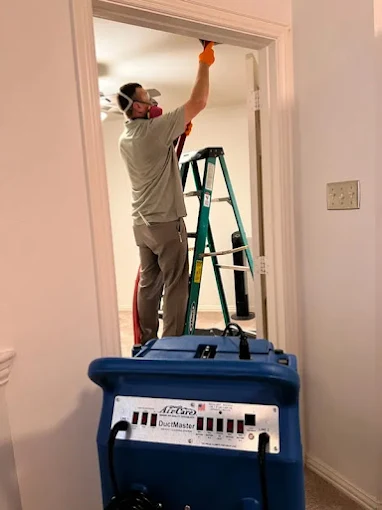
Dryer Vent Cleaning in Frisco, TX: Reducing Lint Buildup That Can Turn Dangerous
Last summer, a Frisco homeowner called because their dryer was taking longer to dry towels—and the laundry room smelled “warm,” almost like something was overheating. When we inspected the dryer exhaust path, the issue wasn’t the dryer itself. It was a thick mat of lint inside the venting, combined with a vent run that had a couple of tight bends. That combination restricts airflow, raises operating temperatures, and—over time—creates the kind of conditions where lint can ignite.
In Frisco and the surrounding North Texas communities, we see the same pattern: people notice performance problems first (longer dry times, hot laundry rooms), and only later think about fire safety. But the duct and vent system is exactly where prevention starts. This guide explains what we look for during dryer duct cleaning, why lint buildup matters, and how to decide between quick DIY cleanouts and full professional service.
Quick Answer
Dryer vent cleaning removes lint and debris from the exhaust duct (and the dryer connection) to restore airflow and reduce heat buildup. If your dryer takes longer to dry, leaves clothes damp, or the laundry area feels unusually hot, your venting may be restricted. Professional dryer vent cleaning services typically include inspection, disassembly where needed, thorough lint removal, and checks for airflow and proper venting.
What Most Customers Get Wrong About Dryer Vent Cleaning
Most people approach dryer vent cleaning like it’s a “grab the lint brush and go” job. Sometimes that helps a little. Often, it doesn’t solve the real problem.
Here are the mistakes we see most frequently:
1) Cleaning only the lint trap (or only the visible duct)
The lint trap catches the easy stuff. It doesn’t stop the lint that gets carried out through the exhaust. That lint builds up deeper in the duct and around bends.
2) Assuming the vent is “fine” because the dryer runs
Restricted airflow can still allow a dryer to operate—just less efficiently. The dryer then runs longer, heats more, and keeps depositing more lint along the path.
3) Using the wrong tools (and pushing lint farther in)
A rigid brush can knock lint loose, but in some systems it can also compress it into the duct walls. If you end up packing lint tighter, the blockage gets worse later.
4) Overlooking vent termination problems
Even if the duct is clean, a clogged or improperly installed exterior vent can cause recirculation, moisture buildup, and persistent restriction. In North Texas, we also see issues related to rooflines, siding gaps, and vent screens that trap debris.
5) Treating “duct cleaning” as a one-time event
Residential duct and dryer vent cleaning is not a “set it once” task. Household usage, vent length, number of bends, and laundry habits all affect how quickly lint accumulates. A dryer vent inspection helps set a realistic schedule.
What We Actually Look For During Professional Dryer Vent Cleaning (Experience-Based)
When Lone Star Pro Flow LLC performs dryer exhaust cleaning, we’re not just trying to remove lint we can reach from one side. We focus on the system as a whole: the dryer connection, the full exhaust run, and the exterior termination.
Based on what we’ve found in homes and small businesses across Frisco, here’s what matters most:
Signs the system is restricted (and why it matters)
- Long dry times: Clothes take multiple cycles.
- Excess heat in the laundry room.
- Lint accumulation around the dryer area.
- Visible airflow reduction at the exterior vent (sometimes you can see little to no movement).
- Clothes come out damp even when the dryer “finishes.”
Restriction is a safety issue because it increases the dryer’s workload and heat levels. Over time, lint buildup can become a fire hazard.
The inspection step
A real inspection typically includes:
- Checking the dryer-to-duct connection (this is a common leakage point).
- Identifying duct material and condition (some flexible ducting traps lint).
- Locating bends and transitions where lint collects.
- Inspecting the exterior vent termination for blockage or improper venting.
The cleaning step
Thorough dryer vent cleaning services usually include:
- Removing lint from the duct and at the dryer connection.
- Addressing lint trapped at bends.
- Verifying the duct run isn’t crushed, disconnected, or improperly routed.
The follow-up
A good service should leave you with clarity:
- What was found
- What’s likely to recur
- Whether your current duct route is likely to keep building lint faster than normal
Local Reality Check: Why Frisco Homes and Businesses See Recurring Vent Issues
Frisco homes are often built with efficient interiors—tight spaces, clean lines, and “out of the way” mechanical runs. That design is great for aesthetics and energy use, but it can create practical challenges for dryer venting:
- Longer vent paths through interior walls or around corners.
- Tighter bends than ideal for airflow.
- Flexible duct use in places where rigid ducting would perform better.
- Exterior vent placement impacted by landscaping, siding, or seasonal debris.
For apartment dryer vent cleaning and condos, we also see a different twist: shared systems, maintenance schedules that vary by property manager, and tenant-driven delays (“it still works, just takes longer”). In those settings, professional duct and dryer vent cleaning can be especially valuable because it reduces repeated troubleshooting and helps standardize safe maintenance across units.
If you’re in a nearby community—whether it’s a family home, a condo, or a small commercial laundry setup—the core issue is the same: lint doesn’t disappear. It accumulates where airflow slows down, and the exhaust path is where that happens.
A Simple Framework: DIY vs Professional Dryer Vent Cleaning
Before you schedule anything, it helps to decide what “good” looks like for your situation.
| Situation | DIY Lint Removal | Professional Dryer Vent Cleaning |
|---|---|---|
| Lint trap is full, dryer performance is normal | ✅ Helpful, but limited | Optional |
| Dryer takes longer, laundry room feels hotter | ⚠️ Often incomplete | ✅ Recommended |
| You suspect a blockage or crushed duct | ❌ Risky / may worsen | ✅ Best approach |
| You can’t access the full duct run | ❌ You’ll miss buildup | ✅ Designed for full-run cleaning |
| You manage multiple units (small property, business) | ❌ Hard to standardize | ✅ More consistent safety outcomes |
Step-by-Step Checklist Before You Hire Dryer Vent Cleaning Services
If you want professional results (and not a “quick brush-through”), use this checklist.
1) Ask about inspection
- Will they check the full run and the connection to the dryer?
- Do they look at duct route, bends, and termination?
2) Confirm the scope of cleaning
- Will they clean the dryer exhaust duct itself—not just the accessible section?
- Will they address areas where lint collects (connections and bends)?
3) Look for signs of thoroughness
- Do they document what they found (excess lint, restrictions, improper routing)?
- Do they give practical recommendations for preventing recurrence?
4) Evaluate ducting suitability
- Do they identify issues like crushed sections or duct types that trap lint?
- Do they discuss improving the ductwork layout when needed?
5) Get a realistic maintenance plan
- Based on your vent length and usage, what frequency makes sense?
- What symptoms should you watch for between visits?
This is also a good time to consider how your home’s HVAC system interacts with overall comfort and indoor air quality. If you’re already thinking about air duct cleaning, you may benefit from reviewing your system holistically—especially for homes with allergy concerns or recurring dust.
If you’d like to explore broader options, see HVAC services from Lone Star Pro Flow LLC.
What This Means for Families: Indoor Air Quality and Fire Prevention
Dryer lint is not just a fire concern. When lint builds up in the exhaust path, it can contribute to:
- Higher indoor heat from dryer operation
- More moisture issues in the laundry area
- Potential odors and incomplete exhaust of combustion-byproducts from the dryer (depending on the dryer type and setup)
While dryer vent cleaning is the main safety play, it also supports better overall indoor conditions by helping your dryer exhaust work the way it’s designed to.
External References Worth Knowing
These sources support the general safety focus on dryer exhaust maintenance:
- U.S. Fire Administration (USFA) overview on dryer/vent-related home fires: https://www.usfa.fema.gov/
- National Fire Protection Association (NFPA) information related to home fires and prevention: https://www.nfpa.org/
- Dryer manufacturer guidance on venting and lint buildup (varies by brand, but consistent themes appear across major manufacturers)
- CDC/indoor air guidance is helpful context for indoor pollutants, though dryer lint is mainly a ventilation and fire-safety issue: https://www.cdc.gov/
(If you want, tell us your dryer model and vent layout—we can advise based on what we typically see with similar setups.)
FAQ: Dryer Vent Cleaning in Frisco, TX
How do I know if I need professional dryer vent cleaning?
If your dryer takes longer than it used to, leaves clothes damp, the laundry room gets unusually hot, or you notice lint buildup around the dryer area, it’s a strong sign the exhaust path is restricted. A proper dryer vent inspection also helps confirm whether the issue is beyond the lint trap. If you only clean the trap and the dryer performance doesn’t improve, the next step is usually professional dryer vent cleaning.
What should I check before hiring a local company?
Ask how they handle inspection and full-run cleaning. Make sure they address the dryer connection, duct route, and exterior termination—not just the section you can reach. Also ask whether they’ll identify ducting issues like crushed sections or problematic bends. A clear explanation of what they found and what they recommend next is a good sign you’re working with a real professional.
Why does this problem keep coming back?
Dryer vent blockage removal depends on your vent route and usage. Long runs, multiple bends, duct type, and laundry habits can all speed up lint accumulation. If your duct is prone to trapping lint (or the exterior vent doesn’t vent correctly), it can recur faster. A professional can help identify the “why,” not just remove the “what.”
How long does dryer duct cleaning usually take?
Timing varies with vent length, accessibility, and how much buildup is present. Some systems can be handled in a relatively short visit, while others require more careful access and thorough cleaning. The best way to set expectations is through an initial inspection—then you’ll know what the job really involves.
Ready to Improve Dryer Safety and Performance?
If your dryer is running hotter, taking longer, or you’re simply overdue for a vent check, Lone Star Pro Flow LLC can help you get the exhaust system back to safe, efficient operation. The goal isn’t just cleaner vents—it’s fewer surprises.
About the Company
Lone Star Pro Flow LLC is a Frisco, TX–based team focused on air duct and dryer vent cleaning, HVAC system cleaning, and practical, safety-first maintenance. We work with local homeowners, property managers, and businesses to solve the real causes behind restricted airflow—using inspection-driven service rather than guesswork. You can count on straightforward recommendations, clear expectations, and ongoing support when your system needs attention again.