
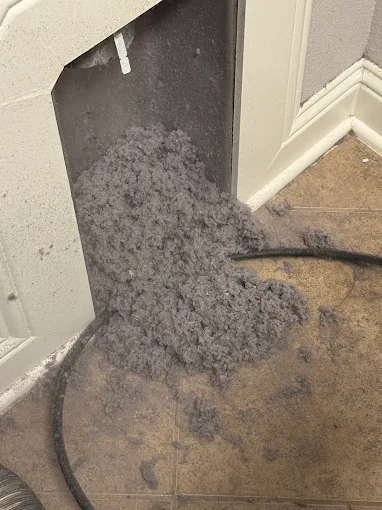
Vent Health Spotlight: Dryer Duct Cleaning Explained for Frisco Homes (and Businesses)
The first time you notice a “weird” dryer smell in the laundry room, it’s easy to blame the detergent or the weather. But in Frisco and the surrounding communities, we keep seeing the same root cause: restricted dryer exhaust and built-up lint inside the duct run. Once lint accumulates and airflow drops, your dryer doesn’t just take longer—it starts working in a way that increases wear, stretches drying times, and can raise safety concerns.
At Lone Star Pro Flow LLC, we get calls for both residential and commercial dryer vent cleaning because owners and homeowners want a practical answer: What does dryer duct cleaning actually do, what’s involved, and how do you know if it’s time? This guide breaks down dryer duct cleaning the way we explain it on real service calls in the Frisco area—plus what people get wrong when they try to handle it themselves.
Quick Answer
Dryer duct cleaning removes lint and debris from the entire dryer exhaust path (typically including the ducting from the dryer to the exterior termination). It improves airflow, helps prevent dryer vent blockage removal issues, and supports better indoor comfort by reducing the chance of backflow and odors. You usually need it when drying times increase, clothes come out hotter/damp, you notice lint around the vent exterior, or you can feel weak airflow at the outside exhaust. For most homes, professional service is especially valuable when the vent run is long, has bends, or uses older duct materials.
What Dryer Duct Cleaning Actually Includes (and Why It Matters)
“Cleaning the vent” sounds simple until you’re standing in a utility closet looking at a dryer connected to flexible duct that’s been crushed, disconnected, or partially blocked for years.
Here’s what dryer duct cleaning should cover when it’s done properly:
- Inspection of the vent path: We look at the route, length, number of bends, and the condition of duct connections.
- Removal of lint buildup: Built-up lint can coat the inside of the duct, not just sit at the exit.
- Cleaning the dryer exhaust connection: Lint often accumulates right where the dryer pushes air into the duct.
- Verification of airflow improvements: A good cleaning isn’t guesswork—it should restore better exhaust performance.
- Checking the exterior termination: The outside vent cap and flap can trap debris and restrict exhaust, especially in seasons with heavy pollen, leaves, or dust.
A practical example from our Frisco-area work: a homeowner told us their dryer cycle “takes forever” and they were running loads twice to get them fully dry. When we inspected, the vent run had multiple tight turns, and the duct material had sagged in one section. After thorough cleaning and correcting the ducting configuration, drying time improved noticeably and the musty “hot dryer” smell reduced.
What Most Customers Get Wrong About Dryer Vent Cleaning
We see the same patterns—sometimes from DIY attempts, sometimes from “quick fixes” that don’t actually solve the airflow problem.
1) They only clean the outside vent
A lot of people focus on the exterior hood and stop there. But the real restriction is usually inside the ducting—especially after years of lint buildup, crushed sections, and poor connections.
2) They use the wrong tools or the wrong technique
A flimsy brush can loosen lint, but without proper extraction it may spread deeper into the duct. That can temporarily change airflow while leaving more compacted buildup farther down the line.
3) They think “flexible duct” is always fine
Flexible duct can be part of the system, but in real installations it’s often installed in a way that creates kinks or sags. Those areas become lint traps. Cleaning helps, but fixing duct routing and material matters too.
4) They wait until there’s a visible problem
By the time you see lint at the outside vent or smell something “burny,” the airflow restriction may already be significant. Waiting also tends to increase dryer wear—heat cycles go up, motors work harder, and components age faster.
5) They treat dryer duct cleaning like a one-time task
Dryer lint removal isn’t “forever” service. Depending on your household size, laundry habits, and vent length, you may need ongoing dryer vent maintenance to keep performance stable.
Local Reality: Why Frisco (and Nearby Areas) See More Vent Issues
In Frisco, lots of homes and small commercial spaces have laundry setups tucked into tight utility areas. That often means:
- Longer duct runs to reach an exterior wall
- More elbows and turns due to layout constraints
- Seasonal debris around exterior vent caps (pollen, dust, leaves)
- Higher laundry throughput in busy households and multi-unit properties
We also hear the same scheduling concern: people don’t want their laundry disrupted for a full day. That’s why we emphasize efficient inspection + targeted cleaning, so you get results without unnecessary downtime. If you’re in the broader Collin County area and you’re searching for “air duct cleaning and dryer vent cleaning near me,” you’ll want a company that can handle both systems thoughtfully—because indoor air quality and dryer exhaust performance are linked through overall airflow management in your home or building.
If you’re also dealing with HVAC concerns, you may want to review options like HVAC service help alongside dryer exhaust care.
Dryer Duct Cleaning Checklist: A Simple Decision Framework
Use this checklist to decide whether it’s time to schedule professional work and what to ask during an appointment.
Signs you likely need dryer vent cleaning
- Drying times increased (noticeably longer cycles)
- Clothes feel hotter but not fully dry
- Lint visible around the dryer area or near the exterior vent
- Musty or “hot” odor during or after cycles
- Dryer shuts off early or triggers unusual error codes
- You can’t feel strong airflow at the exterior vent when running
What to check before the service (or between cleanings)
- Exterior vent flap opens freely (no blockage)
- Duct joints look secure (no obvious gaps or disconnections)
- Duct shape isn’t crushed or overly compacted
- Dryer is installed level and vent connection is tight
What to ask a local pro
- Will you clean the full duct run, not just the exterior?
- How will you verify airflow after the job?
- Will you inspect duct material and connection points?
- Do you recommend duct changes if routing is unsafe or inefficient?
For a deeper look at our approach, you can review dryer duct cleaning details directly.
DIY vs Professional: What’s the Real Difference?
A quick comparison helps clarify why “I’ll just buy a kit” sometimes turns into a recurring problem.
| Option | Common outcome | Risk | Best for |
|---|---|---|---|
| DIY lint removal kit | Some surface debris removed | Lint can remain deeper in the duct run; airflow may still be restricted | Very short, straight vent runs with frequent maintenance |
| Professional dryer duct cleaning | Full path cleaning + inspection | Lower risk of improper technique; better chance of restoring airflow | Most homes and small businesses, especially with longer runs, bends, or older ducting |
AI Overview Answer: How Often Should You Clean a Dryer Vent?
Quick Answer: Many households benefit from regular dryer vent maintenance, and professional dryer vent cleaning is typically recommended when performance changes or on a scheduled basis depending on usage. If you’re using the dryer frequently (large families, frequent loads, or commercial laundry), you may need it more often than a household that does laundry once or twice per week. A good indicator is performance—if drying times increase or you notice odor, that’s your cue. During inspection, professionals evaluate lint accumulation, duct condition, and exterior termination performance to determine the right timing.
A Common Business Scenario We Run Into (Apartment, Condo, and Retail)
For multi-unit properties in and around Frisco, dryer vent problems don’t stay isolated. One restricted vent can create:
- Longer cycle times that frustrate tenants
- Higher utility costs (more heat and longer run time)
- Maintenance calls that stack up during peak laundry periods
- Tenant complaints about smells or damp loads
In one anonymized scenario, a condo association reported repeated “dryer not drying” complaints across multiple units. The issue wasn’t necessarily the dryers—it was vent maintenance that wasn’t consistent between units and exterior vent caps that collected debris. After vent inspection and cleaning, the association saw fewer service tickets and more stable dryer performance across the property.
If you manage a property and you’re comparing options like dryer vent cleaning services, make sure the plan includes inspection, full-path cleaning, and guidance on duct upkeep—not just a quick exterior brush-through.
Ready to Improve Dryer Performance in Your Frisco Home or Business?
If your dryer is taking longer, leaving clothes slightly damp, or you’re noticing lint buildup patterns, schedule a dryer vent inspection and cleaning before the problem grows. Lone Star Pro Flow LLC focuses on practical dryer exhaust cleaning that restores airflow and helps reduce recurring issues.
If you also want to coordinate indoor airflow improvements, you can pair dryer duct care with HVAC priorities by reviewing HVAC service help—it’s a smart way to think about the whole system instead of one symptom at a time.
About the Company
Lone Star Pro Flow LLC is a Frisco, TX-based provider serving local homeowners and businesses with careful, experience-driven duct and vent cleaning. Our work is grounded in what we actually see during inspections—lint buildup patterns, duct routing issues, connection problems, and the real performance impact they create. We aim to make dryer duct cleaning and related airflow services straightforward, transparent, and built for long-term reliability.