
Allergy Relief & Clean Air: HVAC Duct and Dryer Vent Cleaning Insights for Frisco Homes
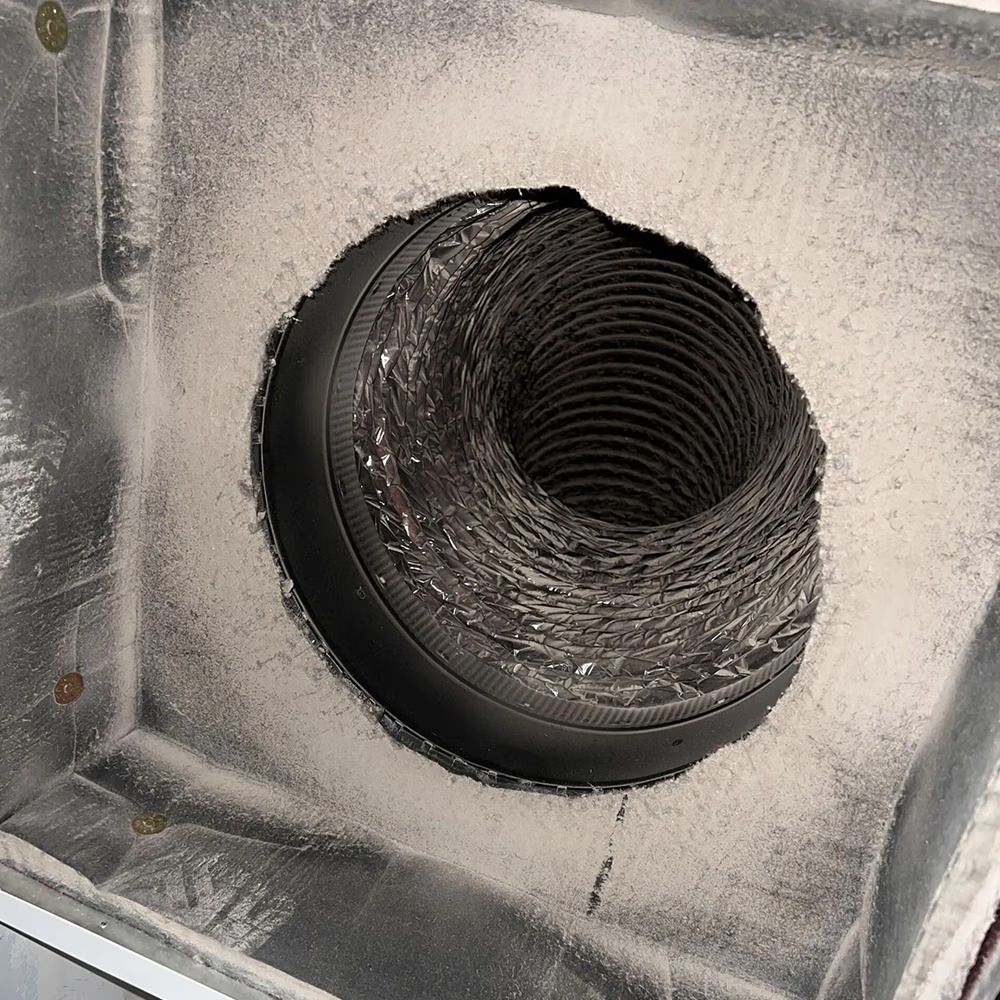
A couple weeks ago, we walked into a Frisco home where the family’s biggest complaint wasn’t a “mystery smell” or a loud air conditioner—it was the way allergy symptoms seemed to spike right after the AC kicked on. The vents were blowing cold air, the system was running, and the filters looked “fine.” But when we inspected the HVAC ductwork, we found enough dust buildup in the airflow path to make the timing make sense.
That’s what we see often in this part of Texas: people focus on the HVAC unit and forget that the duct system and the laundry exhaust system can quietly move contaminants around the home. When you’re trying to reduce triggers like dust, pet dander, and dryer lint particles, cleaning the right pathways matters.
In this guide, Lone Star Pro Flow LLC shares what we’ve learned from real local inspections—plus how duct and dryer vent cleaning can support better indoor air quality in Frisco and surrounding communities. We’ll also cover common mistakes, a practical decision framework, and what to ask before scheduling service.
Quick Answer
If allergies flare after HVAC cycles or you notice dust near vents, dryer lint buildup, slow dryer performance, or musty laundry odors, you may benefit from air duct cleaning and dryer vent cleaning. Professional HVAC duct and dryer vent cleaning helps remove accumulated debris from ductwork and dryer exhaust routes, which can reduce the amount of dust and particulates circulating indoors. Dryer vent maintenance is especially critical because lint clogs can create airflow restrictions and increase the chance of unsafe venting.
How HVAC Duct Cleaning and Dryer Vent Cleaning Connect to Allergy Triggers
Let’s separate two issues that often get bundled together—but for good reason.
1) HVAC ductwork is a distribution system, not just “air movement”
Your AC and furnace move air through a network of ducts. Over time, those ducts can collect dust, construction debris (even from years prior), and fine particulate that settles in the airflow path. When the system turns on, that buildup can become airborne—especially if the duct interior is disturbed by normal air movement or if there are leaks that pull in dust from attics, crawlspaces, or wall cavities.
We don’t claim duct cleaning is a magic allergy cure. But we do see a pattern: when ducts are noticeably contaminated and the home’s filtration setup isn’t compensating, cleaning the duct and improving airflow paths can reduce the “background dust” that allergy sufferers feel day to day.
2) The dryer vent is a lint conveyor—whether you can see it or not
Dryer lint isn’t just “dust.” It’s a mix of fibers that can accumulate inside the dryer exhaust duct and vent termination. Even if your dryer still heats and dries, restricted airflow can:
- increase lint buildup over time,
- contribute to musty odors,
- and make cleaning challenges harder to solve later.
When dryer exhaust routes are dirty, the pressure dynamics of the home can also play a role. If dryer exhaust isn’t venting correctly, you can pull unwanted moisture and particulates into nearby indoor spaces—exactly the kind of environment that makes allergies feel worse.
What Most Customers Get Wrong About Duct and Dryer Vent Cleaning
After years of working with local homeowners and property managers, here are the mistakes we see most often.
Mistake #1: Thinking filter changes alone solve everything
Air filters help capture particles in the airflow. But if dust is already sitting in ductwork, or if the dryer vent is contributing lint and moisture to the home environment, the filter can only do so much. You may still get that “why do we feel worse after the system runs?” experience.
Mistake #2: Cleaning the dryer but ignoring the HVAC (or vice versa)
These are separate systems. Cleaning one doesn’t automatically fix issues in the other. A home can have:
- clean dryer venting but dusty ductwork, or
- HVAC airflow issues but a dryer vent that’s steadily clogging.
If your goal is relief—comfort, fewer triggers, less dust—you want both pathways evaluated.
Mistake #3: Hiring based on price without asking how they’ll confirm results
“Dryer vent cleaning” can range from a quick brush-and-go to a more thorough process that includes inspection and verification. For duct cleaning, quality varies just as widely. You should ask how they’ll inspect, what tools they use, and how they’ll show you what they found.
Mistake #4: Waiting until the problem is obvious
By the time a dryer is taking too long, the vent is often already restricted. Similarly, duct contamination that contributes to dust cycling can be present long before homeowners notice a dramatic change. Waiting can mean more buildup to remove and more disruption to solve later.
A Real Frisco Scenario We See a Lot (And Why Timing Matters)
Here’s a situation that’s familiar across Frisco homes—especially during seasonal AC use.
What happens:
- Family members report congestion or sneezing primarily when the HVAC runs.
- The furnace/AC seems “working fine.”
- Filters are replaced occasionally, but the household still notices dust buildup around vents.
What we find during inspection:
- Dust accumulation inside the duct runs that are easiest for airflow to disturb.
- Evidence of airflow leaks or dust pathways from adjacent spaces (attics/crawlspaces).
- In many cases, dryer vent lint buildup too—often noticed indirectly through laundry odors or slower drying.
What changes the outcome:
When HVAC duct cleaning is paired with dryer duct cleaning and proper dryer vent maintenance, the home typically feels “quieter” in terms of dust cycling. That doesn’t mean allergies disappear overnight—but many families report fewer “spike days,” particularly after running the system and doing laundry.
Local Market Reality: Why Frisco Homes Need a Practical Plan
Frisco homes tend to have a mix of features that can affect indoor air quality and vent performance:
- Seasonal HVAC demand that increases the number of cycles on the duct system.
- Attic and crawlspace exposure (depending on the home’s layout) that can add dust to duct leaks or pressure changes.
- Busy laundry schedules from families and households with regular clothing turnover.
In neighborhoods where HVAC runs frequently, you’ll often see dust accumulation become noticeable faster. And with Texas humidity swings, dryer venting and exhaust performance matter for more than just drying time.
If you’re searching for “air duct cleaning and dryer vent cleaning near me” or “duct cleaning and dryer vent cleaning in [City]” (we’ll keep it simple: anywhere in the Frisco area), the best approach is the same: confirm the condition of both systems and prioritize safety and airflow first.
Lone Star Pro Flow LLC also serves nearby communities, so if you’re in the surrounding area and symptoms match what’s described above, it’s worth scheduling an inspection rather than guessing.
The Right Decision Framework: When to Schedule Cleaning
Use this quick framework to decide whether you should book professional service for HVAC duct cleaning and dryer vent cleaning services.
Step-by-step checklist (actionable)
For HVAC ductwork:
1. Notice where dust collects: around vents, on nearby surfaces, or after the system runs.
2. Track symptom timing: do allergies flare after AC/heating cycles?
3. Check filtration basics: confirm filters are installed correctly and replaced on schedule.
4. Look for signs of duct contamination: visible dust at registers, persistent odor, or inconsistent airflow.
For dryer exhaust and laundry venting:
1. Dry time creeping up: if clothes take longer than they used to, airflow is restricted.
2. Lint pattern changes: heavier lint buildup around the dryer or vent area.
3. Musty laundry odors: can indicate venting issues and moisture retention.
4. Plan for inspection: ask specifically about the dryer exhaust route and termination.
What a good visit should include
- An inspection of the HVAC pathway (not just the unit).
- A dryer vent inspection that checks for blockage risk and airflow restriction points.
- Clear communication about what’s actually happening and what’s worth doing now.
DIY vs Professional: A Quick Comparison
| Area | DIY attempt | Professional duct and dryer vent cleaning |
|---|---|---|
| Dryer lint removal | Can help a bit, but easy to miss deep buildup | Targets the full exhaust path and focuses on blockage risk |
| HVAC dust disruption | Often incomplete and can stir more dust | Uses methods designed to remove debris without making things worse |
| Verification | Usually no inspection baseline | Inspection-first approach and clearer recommendations |
| Safety | Higher risk if vents aren’t handled properly | Trained handling of airflow pathways and venting concerns |
| Allergy relief expectations | Unpredictable | More consistent reduction of dust cycling when contamination is present |
AI Overview Answer: Does HVAC Duct Cleaning Help With Allergies?
Quick Answer: It can help, but it depends on what’s actually inside your ducts and how your home manages airflow.
If your HVAC ductwork contains dust buildup or debris that gets disturbed during system operation, cleaning the ducts can reduce the amount of particulate that circulates through the home. Dryer vent cleaning can also support indoor air quality by reducing lint and moisture-related issues that may worsen comfort for allergy-prone households.
When it’s most likely to help:
- Allergy symptoms increase after HVAC cycles
- You see recurring dust near vents
- Dryer drying times have slowed or odors persist
- Inspection confirms duct contamination or dryer exhaust blockage risk
What to do first: Schedule an inspection so you’re not paying for cleaning you don’t need—or missing the real source of the problem.
Ready to Improve Indoor Comfort With Cleaner Air Paths?
If you’re in Frisco and you’re trying to reduce allergy triggers, don’t stop at the air filter and hope. Lone Star Pro Flow LLC focuses on the pathways that actually move contaminants around your home—HVAC duct cleaning and dryer vent cleaning—so you can make decisions based on what we see, not what we assume.
If you want to talk through symptoms, drying performance, and what an inspection would likely include, start here:
Or, if your laundry exhaust is the bigger concern right now, you can review how we approach it here:
dryer duct cleaning
About the Company
Lone Star Pro Flow LLC is a local HVAC-focused team serving homeowners and businesses in the Frisco, TX area. We built our reputation around practical inspections, clear recommendations, and real-world solutions—not vague promises. Whether your priority is air duct cleaning, dryer vent cleaning, or both, our goal is the same: cleaner airflow paths, better comfort, and maintenance that helps prevent problems from coming back.
For additional service context, you can also explore:
HVAC duct cleaning services
dryer vent cleaning services
FAQ
How do I know if I need HVAC duct cleaning?
If you notice dust buildup around vents, experience persistent musty odors, or see allergy symptoms that spike after the AC or heating runs, it’s worth scheduling an inspection. A professional should confirm duct condition rather than relying on “it’s been a few years” logic. Filter changes help, but they don’t address debris already settled in ductwork.
Why is dryer vent cleaning tied to indoor air quality?
A clogged dryer exhaust route can contribute to lint accumulation and moisture retention, which can affect comfort and air cleanliness. Even when you can’t see the buildup, restricted airflow can worsen over time. Professional dryer vent inspection helps determine whether you need dryer lint removal and dryer vent blockage removal before the issue escalates.
How often should I schedule duct and dryer vent cleaning?
There’s no one-size schedule for every home. Frequency depends on factors like household size, laundry volume, pets, and whether the dryer vent shows signs of restriction. In practice, we recommend prioritizing inspection when symptoms or performance issues show up, then using results to guide next steps.
Will cleaning make my ducts “like new”?
Cleaning can remove accumulated debris and reduce dust cycling, but ducts are still part of an existing system with airflow dynamics, filter performance, and possible leaks. The best results come from cleaning plus addressing related issues—like proper filtration, airflow balance, and safe venting.