
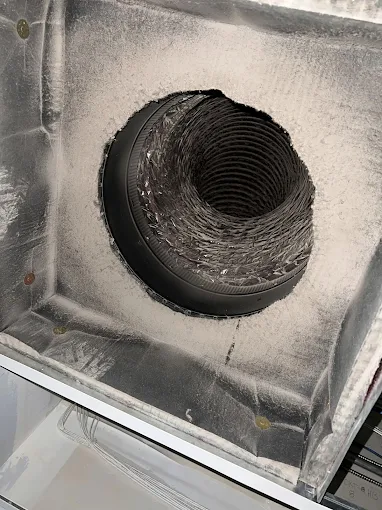
Airflow Refresh in Frisco: HVAC Duct Cleaning for Better Comfort (Plus Dryer Vent Safety)
The first time we see a home in Frisco with “mystery” comfort problems, it’s rarely the thermostat. More often, it’s the airflow path—especially when dust, construction debris, or years of buildup have started to choke off circulation.
A homeowner may tell us, “The air feels weak on one side of the house,” or a business manager hears, “The lobby is always stuffy.” When we inspect the system, we’re usually looking at the same culprit: ductwork that isn’t moving air the way it should—and dryer vent systems that can quietly add heat, lint, and restricted exhaust into the mix.
In this guide, Lone Star Pro Flow LLC explains what HVAC duct cleaning and dryer vent cleaning have in common, what we see locally in North Texas homes and commercial spaces, and how to decide if it’s time for professional service.
Quick Answer
Professional air duct cleaning (often paired with dryer duct cleaning) can improve comfort when airflow is reduced by dust buildup, debris, or duct contamination. However, the goal isn’t “a cleaner-looking duct”—it’s better airflow, more consistent temperatures, and healthier indoor conditions.
For dryer vent systems, cleaning is also a safety issue: lint accumulation can restrict exhaust airflow and increase fire risk. If you’re searching for air duct and dryer vent cleaning or duct and dryer vent cleaning in Frisco (or nearby), a quality provider should inspect conditions first, explain what they find, and clean both HVAC and dryer exhaust using proper containment and safe airflow practices.
When HVAC Duct Cleaning (and Dryer Vent Cleaning) Actually Helps
Let’s get grounded in real-world symptoms. We typically see these patterns in homes and businesses:
Signs HVAC ducts may need cleaning
- Rooms are consistently hotter or colder than the rest of the building, especially when vents are unobstructed.
- Visible dust near registers or frequent dusting that never seems to improve.
- Musty or stale odors that don’t track back to a single source (like a bathroom fan or a specific appliance).
- Recent remodeling or new construction activity (even if it “seemed clean,” duct systems collect fine particles).
Signs dryer vent cleaning is overdue
- Clothes take longer to dry or feel hot but not fully dry.
- The dryer gets unusually hot during cycles.
- You notice lint buildup around the dryer or vent termination.
- The vent flap outside doesn’t open well, or you’ve had rodent or debris issues.
Why the pairing matters
Many clients call us about one system and then realize the other is contributing to the same comfort complaints. HVAC duct cleaning helps airflow distribution; dryer vent cleaning helps remove moisture and exhaust safely. Together, they reduce the “background problems” that keep homes and facilities from feeling right.
What Most Customers Get Wrong About This
We’ll say it plainly: a lot of duct cleaning decisions are made on guesswork—or on marketing promises that don’t match how systems actually work.
Mistake #1: Treating duct cleaning as purely cosmetic
Dust in a duct isn’t always the same as contamination you need to remove. What matters is whether buildup is impacting airflow, worsening indoor conditions, or indicating a deeper issue (like moisture problems or debris accumulation).
Mistake #2: Ignoring the dryer vent until it’s an emergency
People often wait until a dryer stops working well—or until they notice a burning smell. By then, lint has already moved farther into the system. Dryer vent cleaning should be routine maintenance, not a “when it gets bad” project.
Mistake #3: Assuming any “duct cleaning company” can handle both systems
HVAC ductwork and dryer exhaust are different. Dryer vents need a focus on exhaust pathway integrity, lint removal, and vent termination performance. HVAC duct cleaning needs careful approach to avoid unnecessary disturbance and to target what’s actually affecting airflow.
Mistake #4: Skipping inspection
If a company jumps straight to cleaning without checking the layout, access points, and current condition, you’re paying for motion—not results.
Our Take After Working With Local Customers
In the Frisco area, we see a mix of older ductwork in established neighborhoods and newer builds with tight schedules. Either way, systems tend to accumulate problems in predictable places:
- Long duct runs and sharp turns where airflow slows.
- Supply branches that collect dust from normal air circulation.
- Attic and crawlspace transitions, where temperature swings loosen debris.
- Dryer vent routing that’s shaped around construction constraints—sometimes too many bends, or vent runs that weren’t planned for long-term maintenance.
One scenario we deal with often: a family calls about allergies or “dust everywhere,” but the real breakthrough happens when we trace airflow patterns room-to-room and confirm whether the issue is duct-related, filter-related, or driven by another airflow system—like the dryer exhaust.
The most satisfying results aren’t “perfectly clean ducts.” They’re:
- rooms that stabilize sooner after HVAC turns on,
- less dust reappearing around registers,
- and a dryer that finishes cycles normally without excessive heat.
What This Means for Frisco Homes and Nearby Areas
Frisco’s mix of residential growth and active remodeling means duct systems can collect construction dust and fine particulates that don’t show up until months later. In nearby communities—like Prosper, Plano, McKinney, and Allen—weather patterns and seasonal HVAC demands can also make airflow problems more obvious.
Here’s a practical local insight: when temperatures swing hard, HVAC systems run longer. That extended runtime can reveal duct limitations that are subtle during mild weather. Likewise, dryer vent performance is more noticeable when drying times increase—especially as humidity rises during certain seasons.
If you’re looking for HVAC duct and dryer vent cleaning or professional duct and dryer vent cleaning in the Frisco region, the best approach is a combined plan: clean what’s restricting airflow, verify what’s safe and functioning correctly, and set a maintenance rhythm so the problem doesn’t return quickly.
If you want to focus on HVAC only, you can review our HVAC resources. If your primary concern is dryer performance, start with dryer duct cleaning.
A Simple Decision Framework: DIY vs Professional Support
Many homeowners can do minor maintenance, but duct systems and dryer exhaust pathways are not ideal DIY projects. They’re also not one-size-fits-all.
Here’s a realistic comparison based on what we see:
| Task | DIY Approach | Professional Approach |
|---|---|---|
| Dryer lint removal | Possible at the lint trap and visible areas | Full pathway cleaning + vent inspection to address hidden blockage |
| HVAC duct cleaning | Usually incomplete and inconsistent | Targeted cleaning with attention to airflow and system layout |
| Long-term results | Can help briefly, but restrictions return | Better odds of lasting improvement when the root cause is addressed |
| Time/effort | Often takes longer than expected | Efficient process designed for real system conditions |
Step-by-Step Checklist Before You Book Duct and Dryer Vent Cleaning
Use this list to evaluate any contractor—whether you’re comparing duct cleaning services, dryer vent cleaning services, or a full combined plan.
Step 1: Ask about inspection first
- Do they assess duct condition before cleaning?
- Do they check dryer vent routing and termination performance?
Step 2: Confirm what’s included
For HVAC, you should expect a service plan tied to your system’s needs (not a generic “one pass” promise). For dryers, you should expect attention to lint, exhaust pathway restrictions, and vent inspection.
Step 3: Look for a containment approach
Mess happens when debris is disturbed. A professional approach should address the work area and reduce unnecessary spread.
Step 4: Verify recommendations for what comes next
A good provider won’t just clean and disappear. They’ll talk about filters, dryer habits, and maintenance intervals.
Step 5: Get clarity on expectations
Ask what improvement typically looks like:
- fewer airflow complaints,
- more consistent room temperatures,
- reduced dryer run time,
- and safer dryer operation.
Step 6: Confirm ongoing support
Comfort and safety are ongoing. We encourage clients to plan for dryer vent maintenance and periodic checks rather than waiting until the dryer vent becomes a problem.
Quick Answer: How Do I Know If I Need HVAC Duct Cleaning and Dryer Vent Cleaning?
If you’re deciding whether to invest, start with the “does this affect performance?” question.
HVAC duct cleaning is more likely to be worth it when:
- you have persistent comfort imbalance (some rooms never match others),
- you’ve had remodeling or contamination events,
- you’re seeing repeated dust buildup at vents,
- and the system’s airflow seems weaker than it should.
Dryer vent cleaning is usually urgent when:
- drying times have increased,
- the dryer runs hot,
- lint accumulation is more than expected,
- or you’ve never had a professional cleaning in a long time.
If either system is restricted, it can affect the other indirectly—comfort, humidity, and indoor air quality. That’s why many homeowners and facilities in the Frisco area choose air duct and dryer vent cleaning as a combined comfort-and-safety plan.
FAQ
How often should dryer vent cleaning be done?
Most homes benefit from dryer vent cleaning on a regular schedule, especially if you notice longer drying times, excess heat, or frequent lint buildup. A professional can recommend an interval based on vent length, number of bends, household laundry volume, and whether you see early warning signs like damp laundry or outdoor flap issues. If you’re in a multi-family building, the need often comes sooner due to higher usage. When in doubt, schedule an inspection—waiting for a “hard failure” usually costs more.
Can HVAC duct cleaning help with allergies or indoor air quality?
It can help when duct contamination is contributing to dust circulation or debris re-aerosolization. That said, allergies often have multiple sources: filtration setup, humidity levels, bedding, outdoor air intake, and indoor particulates. A quality HVAC inspection helps determine whether ductwork buildup is a real driver of the problem. We focus on what’s measurable—airflow impact and contamination conditions—rather than selling a one-size cure.
Why does my dryer still leave lint even after I clean the lint trap?
Lint traps catch a portion of lint, but not what collects deeper in the vent system. Over time, lint can build up in the hose and vent run, restricting exhaust flow and trapping heat. If you’re seeing lint or reduced performance repeatedly, you may also have a blockage or poor vent termination performance. Professional dryer exhaust cleaning and dryer vent lint removal address the full exhaust pathway.
Should I clean HVAC ducts and dryer vents at the same time?
Often, yes—especially if you’re already dealing with comfort issues and dryer performance problems. Cleaning both systems can reduce multiple sources of dust and indoor discomfort. It also helps you plan the work once instead of paying for separate visits later. The key is that the provider inspects both systems and tailors the service to what’s actually needed.
Ready to Improve Comfort and Dryer Safety in Frisco?
If you’re noticing uneven temperatures, persistent dust around registers, or dryer performance that doesn’t feel right, Lone Star Pro Flow LLC can help you sort out what’s actually impacting airflow and exhaust.
Start with a practical inspection and a clear plan for HVAC duct cleaning services and dryer vent support. You can also explore more about the HVAC side at HVAC or get focused guidance on the dryer system through dryer duct cleaning.
About the Company
Lone Star Pro Flow LLC serves homeowners and businesses with practical, system-focused cleaning in the Frisco, TX area. We approach HVAC airflow and dryer exhaust as safety-and-comfort systems—not one-off “cleaning jobs.” Our goal is straightforward: help your equipment run the way it was designed to run, with transparent recommendations and ongoing support when you need it.