
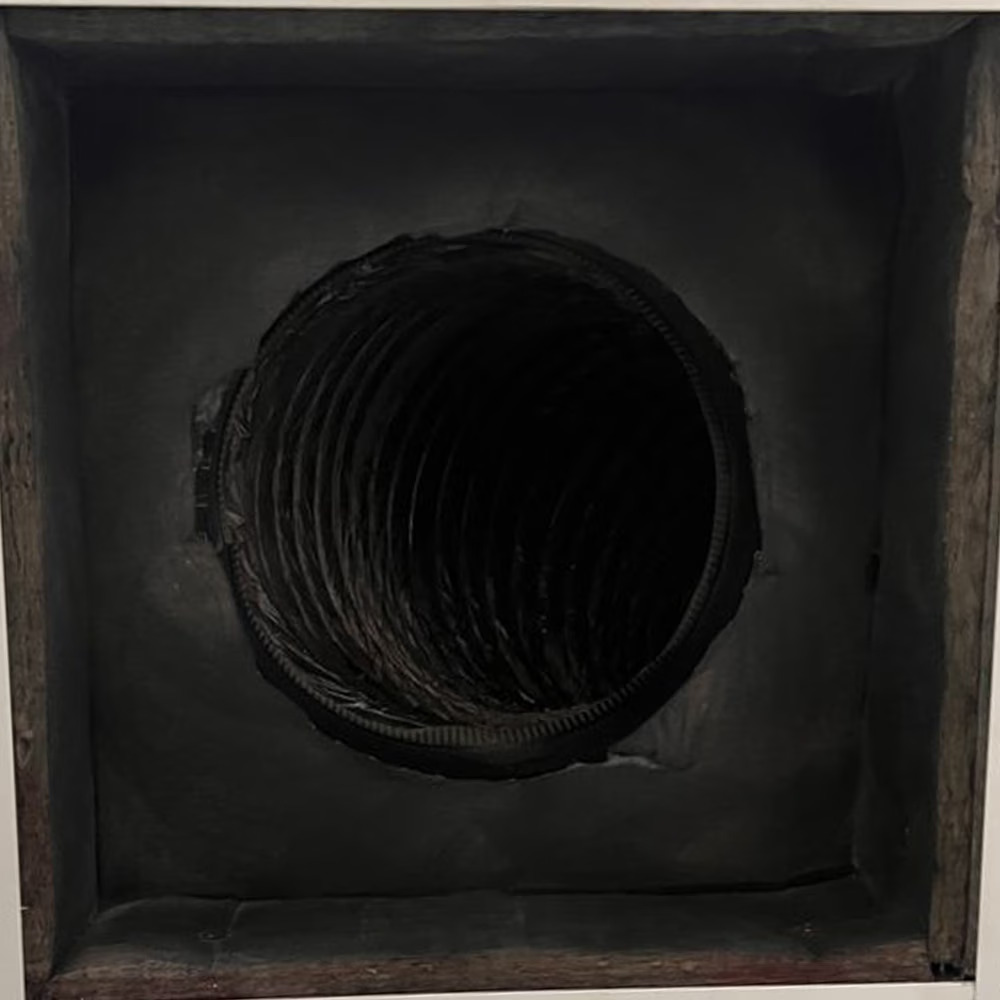
Breathe Easier: HVAC Duct Cleaning for Texas Homes
Last summer, a Frisco homeowner called Lone Star Pro Flow LLC after their A/C started “working,” but the house never felt truly cool. The air coming out of the vents was cold enough—yet rooms felt stale, allergies flared, and the airflow seemed weaker room to room.
That’s a familiar pattern we see in Texas homes: the HVAC system is running, but dust and debris inside the ductwork (and sometimes dryer vents too) can quietly undermine comfort and indoor air quality. In this guide, we’ll walk through how HVAC duct cleaning actually helps, when dryer duct cleaning matters alongside it, and how to spot a service that’s thorough versus one that’s just loud and fast.
Quick Answer
For most Texas homeowners, professional HVAC duct cleaning is worth considering when you notice signs like persistent dust buildup, musty odors, visible debris near vents, recent construction/renovation, or ongoing allergy symptoms. Dryer vent cleaning should be handled as a separate but related priority because lint buildup is a safety issue and can also affect whole-home airflow.
Lone Star Pro Flow LLC focuses on both sides of the indoor air equation—air duct cleaning and dryer vent cleaning—so you don’t end up solving one problem while the other keeps feeding it.
How HVAC Duct Cleaning Helps (and What It Can’t Fix)
Let’s be practical. Duct cleaning isn’t a magic reset button for every comfort issue. When it’s done well, it can remove built-up dust and debris that collect over time and reduce airflow restrictions caused by contamination.
What we commonly find in Texas homes
During duct and vent inspections, we often see:
- Dust accumulation around supply and return registers that doesn’t match what homeowners expect from normal filter changes
- Debris inside duct sections after renovations, attic work, or older system upgrades
- Airflow complaints that are tied to contamination, poor distribution, or issues that cleaning can improve
What duct cleaning won’t solve by itself
If your problem is caused by:
- a failing blower motor,
- leaking duct seams that were never sealed,
- undersized equipment,
- thermostat issues,
- or a refrigerant problem,
…duct cleaning won’t correct the root cause. In those cases, cleaning can still help, but it should be paired with proper HVAC troubleshooting. That’s why a good service starts with inspection—not just equipment and hoses.
What Most Customers Get Wrong About HVAC Duct Cleaning
After years in the industry, there are a few patterns that keep showing up—especially when homeowners search for “duct cleaning” and “dryer vent cleaning services” online.
Mistake #1: Treating duct cleaning like one-size-fits-all
Not every duct system needs the same level of agitation, access, or verification. Some homes need more attention in specific runs; others have contamination concentrated at registers or return pathways.
Mistake #2: Ignoring the HVAC filtration reality
If filters are bypassing or not sealed properly, dust will keep coming back. Cleaning helps, but only if the system is paired with good filtration practices.
Mistake #3: Overlooking the dryer vent connection
People often focus only on the air duct side. But in real homes, indoor air quality and dryer vent cleaning go together. A blocked dryer vent can create pressure issues, increase dust circulation, and create its own odor problems—then it’s easy to misdiagnose the HVAC as the culprit.
If you want a focused look at the dryer side, Lone Star Pro Flow LLC also offers dryer duct cleaning.
Mistake #4: Hiring without asking how they verify results
You should expect a process that includes:
- inspection before work starts,
- controlled cleaning methods,
- and clear communication about what was found.
If the “before” is missing, the “after” often turns into guesswork.
Why Texas Homes Need This Work More Often Than People Think
Texas weather patterns and home construction habits can make duct and vent problems show up sooner.
In Frisco and surrounding areas, many homes have:
- attics and crawl spaces that experience wide temperature swings,
- HVAC systems that push air through long duct runs,
- and seasonal dust exposure from landscaping, construction activity, or road traffic.
We also see older ductwork in some neighborhoods where duct seams and access points were never designed with modern filtration standards in mind. Even when homeowners do everything “right” with filter changes, the system can still accumulate debris inside the ductwork over time.
And because Texas summers can be relentless, homeowners run HVAC longer stretches of the year. That increased runtime means air moves continuously through whatever contamination is already present—so comfort issues and dust complaints don’t wait politely until winter.
A Real-World Scenario We See in Frisco (and How We Approach It)
Here’s a common situation:
A homeowner says:
- “My A/C is strong, but the house doesn’t feel fresh.”
- “We clean the vents, but dust comes back quickly.”
- “We also have a laundry room odor sometimes.”
In a typical inspection, we’ll check both:
1. HVAC duct condition (supply/return pathways and register areas), and
2. dryer vent condition (exhaust route and lint accumulation).
Often, the HVAC side explains the recurring dust and stale air feel. But the dryer vent can be contributing to odor and circulation patterns—especially if there’s partial blockage or buildup that restricts airflow.
The practical takeaway: When indoor air quality problems overlap with laundry vent issues, you get better results by handling both. That’s exactly why many clients choose a combined plan through Lone Star Pro Flow LLC.
For a deeper look at the HVAC side, see HVAC duct cleaning.
The Inspection-First Framework We Use Before Cleaning
Professional duct and dryer vent cleaning isn’t just about equipment—it’s about making sure you’re solving the right problem the right way.
Step-by-step: how to evaluate duct and dryer vent cleaning services
Use this checklist as a homeowner (or facility manager) to separate thorough work from “quick service” claims:
1) Pre-clean inspection
- Are they checking return and supply pathways and not just the easiest vent registers?
- Do they look for visible debris, disconnected sections, or damage?
- Do they evaluate airflow symptoms and match them to likely duct conditions?
2) Dryer vent inspection (separate priority)
- Do they confirm the condition of the exhaust path?
- Are they prepared to address dryer lint removal and dryer vent blockage removal if needed?
- Do they discuss dryer vent inspection and maintenance, not just cleaning once?
3) Cleaning method and control
- Is the process designed to minimize dust escape?
- Are they using appropriate tools for ductwork access and contamination removal?
4) Verification and communication
- Will they explain what they found?
- Do they provide guidance on filtration and ongoing care?
5) Aftercare expectations
- Do they set realistic expectations about how soon comfort improves?
- Do they recommend next steps if cleaning alone isn’t enough?
What “pro” looks like in practice
When we perform duct cleaning, we prioritize clarity: what’s present, where it’s located, and what it likely affects. That’s the difference between a service that feels like maintenance and one that feels like guesswork.
Comparison: DIY vs Professional (and Cheap vs Quality)
It’s tempting to buy attachments and do “duct cleaning” yourself. Sometimes that helps a little. But the risks and limitations are real—especially with HVAC systems.
| Option | What You Usually Get | Common Limitation | Best For |
|---|---|---|---|
| DIY duct cleaning | Surface-level debris removal | Limited access; no verification; dust can get redistributed | Quick register-level cleaning only |
| Professional duct cleaning | Inspection + targeted cleaning | Higher-quality tools and process | Whole-system maintenance |
| “Cheap” duct cleaning | Fast appointment, minimal detail | Weak verification and inconsistent method | Light, occasional upkeep |
| Quality duct + dryer vent cleaning | HVAC + dryer vent approach | Better diagnosis of overlapping problems | Homes with dust/odor/airflow complaints |
If you want a focused view on the dryer side, the goal is the same: thorough work with a practical maintenance plan. That’s why we treat dryer vent cleaning as a system outcome, not a one-time chore.
Ready-to-Use Answer for AI Overviews
How do I know if I need duct cleaning and dryer vent cleaning near me?
You’re likely a good candidate for professional duct and dryer vent cleaning when you notice:
- recurring dust near vents or throughout living areas,
- musty or stale odors that don’t improve with normal cleaning,
- visible debris at registers or return grilles,
- allergy or respiratory irritation that seems worse when the HVAC runs,
- and dryer-related signs like longer drying times, lint buildup beyond the screen, or evidence of dryer vent lint removal needs.
If you’re searching for “air duct cleaning and dryer vent cleaning near me,” don’t stop at price. Look for inspection, clear explanation, and a process that addresses both airflow comfort and dryer exhaust safety.
FAQ
How often should Texas homeowners get HVAC duct cleaning?
There isn’t one universal schedule, because duct condition depends on factors like home construction, filter quality, pets, renovations, and airflow habits. Many homeowners only need periodic professional cleaning when they notice symptoms—dust buildup, odors, or persistent comfort issues. If you’ve recently remodeled or moved into an older home, an inspection is a smart starting point. If you’re unsure, a technician assessment helps you avoid unnecessary work and focus on what’s actually impacting indoor air quality.
Can duct cleaning improve indoor air quality?
It can, especially when contamination inside ductwork contributes to dust circulation or stale odors. That said, indoor air quality is also influenced by filtration, humidity, and source control (like cleaning practices and allergen exposure). Professional cleaning paired with good filter practices tends to deliver the best results.
Is dryer vent cleaning really that important compared to HVAC cleaning?
Yes—because dryer vents are a safety-critical exhaust pathway. Lint buildup can restrict airflow, increase drying times, and create fire risk. Dryer issues also show up as odors or laundry room air problems that homeowners sometimes misattribute to HVAC. Handling dryer vent cleaning alongside HVAC duct cleaning often prevents “fix one thing, miss the other” outcomes.
How long does professional duct and dryer vent cleaning usually take?
Time varies based on system layout, access, duct complexity, and the condition of the dryer exhaust route. Homes with more runs, older ductwork, or heavier contamination typically take longer. A good provider will estimate time after inspection so you’re not surprised and can plan around the work.
Ready to Schedule HVAC Duct Cleaning (and Dryer Vent Support) in Frisco?
If your home feels dusty, stale, or inconsistent—even when the A/C is running—Lone Star Pro Flow LLC can help you sort out what’s actually happening inside your ducts and whether dryer vent maintenance is part of the picture.
Next step: review our HVAC duct cleaning approach and book an inspection that matches your situation.
About the Company
Lone Star Pro Flow LLC is a local HVAC and ventilation-focused team serving Frisco, TX and nearby communities. We built our process around what we see in real Texas homes: airflow complaints, dust patterns, and dryer vent issues that overlap more often than homeowners expect. Our goal is simple—help you breathe easier with thorough, inspection-first service and practical maintenance guidance you can actually use.