
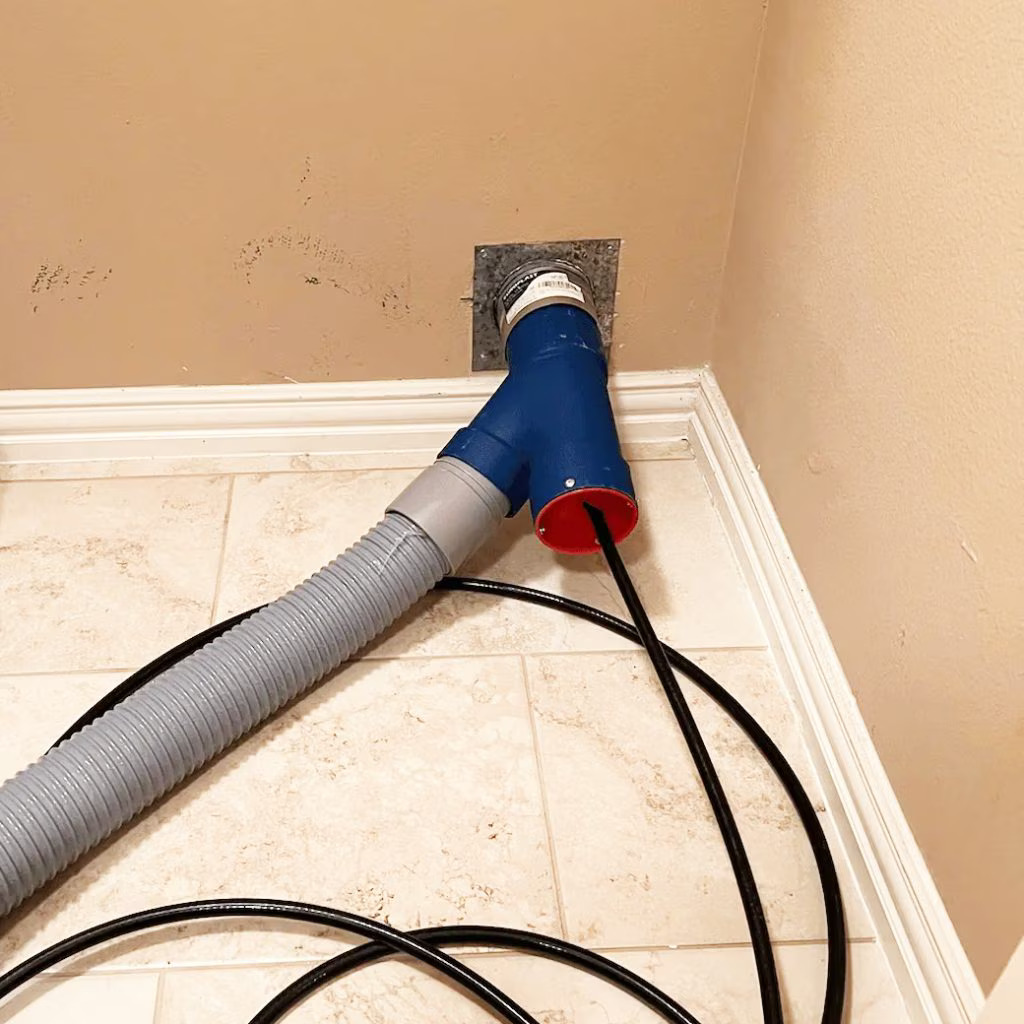
Visual Guide to HVAC Duct Cleaning That Transforms Airflow in Frisco, TX
The first time we see airflow problems in a Frisco home or business, it rarely starts with “ducts.” It usually starts with a complaint: a room that never feels comfortable, a supply register that barely pushes air, or a system that seems to run constantly but never quite catches up.
After a few on-site inspections with Lone Star Pro Flow LLC, a pattern shows up—especially when customers also report musty odors, dust buildup, or recurring allergies. The ductwork isn’t always the only issue. But when dust, debris, or contamination accumulates in ducts (and when dryer exhaust systems aren’t maintained), the HVAC system has to work harder just to move air that’s been compromised.
Below is a practical walkthrough of what HVAC duct cleaning looks like in real life, how to tell whether it’s likely to help, what many people get wrong, and how to decide between “a quick vacuum” and a real duct cleaning process.
Quick Answer
HVAC duct cleaning can improve airflow and indoor air quality when ducts have accumulated dust, debris, or contamination that restricts airflow or spreads particles through the system. In Frisco and surrounding communities, we also see HVAC complaints tied to poor dryer vent maintenance, which can create overall air quality issues and excess lint/airflow problems across the home.
A good duct cleaning service should:
- Inspect the system first (not just start cleaning)
- Use controlled access and proper tools suited to duct type
- Address both supply and return airflow paths where appropriate
- Coordinate with related systems like dryer venting when needed
What HVAC Duct Cleaning Actually Does (and What It Doesn’t)
A lot of homeowners think duct cleaning works like an “AC reset.” You pay, a crew comes in, they vacuum everything out, and the whole system magically performs like new.
In reality, professional HVAC duct and dryer vent cleaning is more specific than that.
What it can improve
- Airflow consistency: If dust and debris buildup is significant, cleaning can reduce resistance and help air move more evenly.
- Visible and surface dust reduction: Many customers notice less dust settling near registers after the source is cleaned and airflow is restored.
- Odor and contamination control: When debris is trapped in ductwork, it can contribute to musty smells or particle circulation.
What it usually won’t fix by itself
- A failing blower motor or bad capacitor
- Leaky ducts hidden in walls/attics
- Improper system sizing
- Thermostat issues or airflow design problems
This is why we start with observation and verification. The goal isn’t “cleaning for cleaning’s sake.” The goal is restoring airflow pathways so the HVAC system can do its job.
The Mistake We See Most Often: Cleaning Without Diagnosing
Most customers we meet have already tried something—changing filters, checking vents, or running the system more often. That’s understandable. The problem is, duct cleaning decisions often get made without answering the big question:
Is the ductwork actually the problem, or is the airflow being limited elsewhere?
Here are the common missteps we see locally:
- Skipping inspection. If nobody checks return paths, register conditions, and duct conditions, you can’t know what you’re cleaning—or whether cleaning will help.
- Assuming “dusty vents” means “dirty ducts.” Dust can come from upstream leaks, filter bypass, or return air issues.
- Ignoring the dryer vent connection. When dryer exhaust is blocked or poorly maintained, the home’s overall air movement and indoor conditions can worsen. That’s why many customers benefit from coordinated work that includes dryer duct cleaning alongside HVAC duct cleaning.
- Using DIY methods that spread dust. Some homeowners try aggressive vacuuming or partial cleaning that stirs debris deeper into the system.
What We Look For During an HVAC Duct Cleaning Visit in Frisco
Frisco homes and many nearby properties have a mix of duct layouts—some newer, some older, and plenty in between. The “right” cleaning approach depends on what we find.
Our on-site observations usually include:
- Register and return condition: Are returns pulling air consistently, or do they feel restricted?
- Filter condition and placement: Filters that don’t seal properly can allow bypass dust to accumulate in ducts.
- Visible debris patterns: Dust near certain vents can indicate localized issues.
- System airflow behavior: If supply feels strong but rooms stay uncomfortable, it can point to duct distribution problems—not just dirt.
- Connections to other airflow systems: If the dryer vent is neglected, it’s often a sign the home’s ventilation maintenance has gaps too.
If you’re dealing with recurring allergy symptoms, dust around vents, or indoor air quality concerns, we treat HVAC duct cleaning as part of a larger strategy—not a one-time “fix.”
Local Reality Check: Why This Matters More in North Texas Homes
In Frisco, the HVAC season doesn’t behave like a single long “winter” or “summer.” It’s more like cycles—cooling, heating, humidity swings, and frequent filter changes that don’t always get done consistently.
That matters because:
- Air systems run more transitions than people expect.
- Dust and debris accumulate over time, especially in attics and crawl spaces.
- Homes with dryer vent issues often have broader ventilation strain, which can make indoor air feel “stale” even when the AC is running.
So when we talk about HVAC duct cleaning services in this area, the emphasis is on practical results: better airflow, less particulate buildup, and a cleaner baseline for indoor air quality.
If you’re exploring the overall HVAC side, you can review our HVAC services to see how we approach system performance beyond duct cleaning.
Step-by-Step: A Practical Framework for Choosing HVAC Duct and Dryer Vent Cleaning
If you’re trying to decide whether duct cleaning is worth it, use this framework. It’s the same one we use to set expectations and avoid wasted effort.
Step 1: Ask what they inspect before they clean
A professional should explain what they check: airflow paths, return/supply conditions, and visible indicators. If a company skips inspection and jumps straight to work, that’s a red flag.
Step 2: Confirm what duct areas are included
Ductwork cleaning can focus on:
- Supply ducts
- Return ducts
- Registers and grilles
- Plenum access points (when applicable)
You want clarity on what’s included and why. A “whole home” claim should come with specifics.
Step 3: Address the dryer exhaust system if it’s overdue
Dryer lint and blockage issues don’t just create laundry problems—they affect how the home vents air. If your dryer vent hasn’t been serviced in a while, add it to the plan.
For many customers, coordination is the win because it supports both air duct cleaning and dryer vent cleaning goals. If you’re specifically looking for dryer work, our team covers dryer duct cleaning with a focus on exhaust cleaning and safe airflow.
Step 4: Understand tools and process control
Good duct cleaning isn’t just “vacuuming.” It’s controlled extraction and cleaning that avoids just relocating debris.
Step 5: Plan for ongoing maintenance
Cleaning is not a substitute for:
- Proper filter use
- Dryer vent maintenance
- Basic airflow checks
DIY vs Professional Duct Cleaning: Where Most People Lose Time (and Money)
Here’s a quick comparison based on what we see in real homes and business settings.
| Scenario | DIY / quick service | Professional duct + dryer vent approach |
|---|---|---|
| Dust is mild | Often “feels” better temporarily | Better verification + targeted cleaning |
| Airflow complaints persist | DIY may stir debris or miss key paths | Inspection-driven work to restore airflow pathways |
| Dryer lint buildup exists | Often ignored | Dryer exhaust cleaning is addressed as part of the home’s airflow system |
| Indoor air quality concerns | Unclear source control | More complete contamination reduction strategy |
| Time and cleanup | Messy, inconsistent | Controlled process and cleanup standards |
Our Take After Working With Local Customers: What Actually Matters Now
A lot has changed in how people think about indoor air quality. Customers today want results they can feel—less dust, better comfort, fewer odors—not just a “cleaned” checklist.
In our experience in Frisco and nearby areas, the best outcomes come from a service approach that treats HVAC duct and dryer vent cleaning as airflow systems work, not just “surface cleaning.”
That means we pay attention to:
- Where dirt is coming from (not just where it ends up)
- Whether cleaning will truly improve distribution and comfort
- How dryer exhaust maintenance impacts overall indoor conditions
It’s also why we’re careful with expectations. Some issues are better solved by repairs, sealing, or system tuning—not duct cleaning alone.
How Long Does HVAC Duct Cleaning Take?
Time varies based on:
- Home size and duct layout
- Number of supply/return runs
- Accessibility (attic/crawl space conditions)
- Whether dryer exhaust cleaning is included
Most homeowners can expect a visit that includes inspection, cleaning, and verification steps—not just a rushed pass through registers. If a company can’t estimate time after a quick look, that’s another sign the process may be too vague to be reliable.
FAQ: Questions Frisco Homeowners Ask Before Booking
How do I know if I need air duct cleaning?
If you see recurring dust around vents, notice musty odors, experience uneven airflow, or have ongoing indoor air quality concerns, duct cleaning may help—especially when paired with filter and airflow checks. The strongest indicator is when inspection shows buildup in relevant duct pathways rather than just dusty registers.
Does duct cleaning help allergy symptoms?
It can help reduce circulating particles when contamination inside ducts is contributing to the problem. But allergies are often multi-factor (humidity, filtration, bedding, outdoor air, and more). We recommend viewing duct cleaning as one part of a broader indoor air quality plan.
Why should dryer vent cleaning be part of the same conversation?
Because dryer lint accumulation can create airflow restrictions in the home’s exhaust systems and worsen indoor conditions. Customers who need dryer vent cleaning services often also have HVAC airflow complaints, and addressing both can lead to a more noticeable overall improvement.
What should I check before hiring a local duct cleaning company?
Look for an inspection-first approach, clear explanation of what’s included (supply vs return vs registers), and whether they address related airflow systems like dryer vents when needed. Avoid vague promises and “one-size-fits-all” claims.
Ready to Improve Airflow and Indoor Comfort in Frisco?
If your HVAC feels like it’s running nonstop but certain rooms still don’t behave, it’s worth checking whether ductwork buildup (and dryer exhaust conditions) are holding airflow back. Lone Star Pro Flow LLC focuses on practical, inspection-driven HVAC duct cleaning services tailored to local homes and business needs.
About the Company
Lone Star Pro Flow LLC is a Frisco, TX-based team focused on HVAC airflow performance and air duct cleaning support, with an emphasis on real-world results. We combine hands-on industry experience with a careful, inspection-first approach—so customers understand what’s happening in their system and what cleaning can (and can’t) do. For homeowners and businesses, our goal is simple: restore airflow pathways and support healthier indoor conditions through professional duct and dryer exhaust cleaning.