
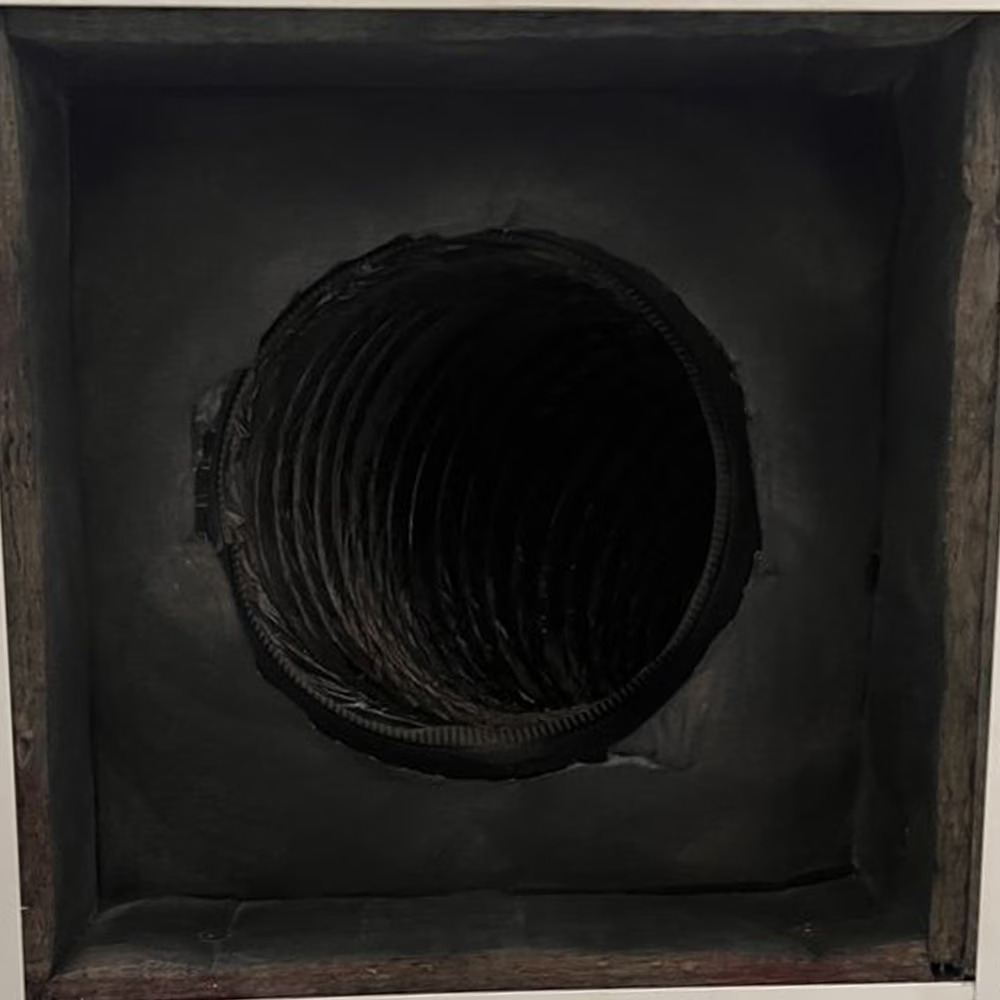
Dryer Exhaust Cleaning After Renovations: What Changes (and What Actually Needs Attention) for Homes in Frisco, TX
The first week after a renovation is usually when homeowners notice the “new house smell,” fresh paint, and cleaner air—until laundry day hits. I’ve been on service calls in the Frisco area where a remodel was completed, the dryer was reconnected, and everything seemed fine… right up until the dryer started taking longer to dry, leaving clothes slightly warm but not fully dry, or making a musty odor in the laundry room.
After renovations, dryer performance and airflow issues often show up fast. Sometimes it’s just lint buildup that was already there. Other times, the renovation changed the route of the ducting, altered airflow resistance, or disturbed debris that ends up in the exhaust path.
Below is what changes after renovations, how to tell whether you need dryer exhaust cleaning vs. a full dryer vent inspection, and what Lone Star Pro Flow LLC typically finds when we clean and verify airflow for residential and commercial setups around Frisco and nearby communities.
Quick Answer
Renovations can change dryer airflow even when the dryer itself is “brand new.” Common issues include shifted duct runs, tighter bends, disconnected or partially crushed duct sections, and construction dust/debris settling in the exhaust path. A professional dryer duct cleaning and dryer vent inspection usually makes sense if you notice longer dry times, a burning smell, vent blockage indicators, or lint buildup that appears unusually fast after the remodel.
For most homes, the best approach is:
1) visually inspect the outside termination and accessible duct sections,
2) check airflow path and restrictions (bends, diameter, crushed sections),
3) perform dryer lint removal and dryer exhaust vent cleaning as needed,
4) confirm airflow and safe operation.
What Renovations Change in Dryer Vent Systems (Why Problems Show Up So Quickly)
Renovations don’t just “update” a space—they often change how air moves through it. With dryer exhaust, small changes can create big problems because the system depends on consistent airflow and a clear path to the exterior.
Here are the changes we see most often:
1) The duct path gets longer—or less direct
Builders and contractors sometimes reroute the duct to avoid framing, plumbing, or cabinetry. Even if the total length seems minor, added sections and additional elbows increase resistance. That means the dryer has to work harder to move moisture out.
2) Bends and transitions become the bottleneck
A renovation might introduce:
- extra 90-degree turns,
- tighter offsets,
- or duct connections that don’t align cleanly.
These are classic spots for lint accumulation and airflow restriction. Lint forms where airflow slows down and where debris settles.
3) Duct sections get crushed or compressed
During flooring changes, wall openings, or cabinet installs, flexible duct can be accidentally compressed. Even a “temporary” pressure point can permanently reduce airflow once everything is put back together.
4) Construction debris ends up in the exhaust route
Drywall dust, insulation fibers, and general construction debris can migrate into the ducting. Sometimes it’s not enough to cause an immediate blockage, but it can accelerate lint buildup and create odors.
5) The outside vent termination may be compromised
Renovations can affect the exterior wall area where the vent exits:
- siding gets replaced,
- the termination is painted over or partially sealed,
- landscaping changes reduce airflow around the hood,
- or the vent flap doesn’t open freely.
That exterior termination is the “escape route.” If it’s restricted, the whole system suffers.
Quick Diagnostic: Signs Your Renovation Changed the Dryer Exhaust
If you’re trying to decide whether dryer duct cleaning is the right next step, look for patterns. Most of the time, renovation-related issues have a specific “timeline” and behavior.
Common homeowner signals
- Dry times increased noticeably after the remodel
- Clothes come out hotter but still damp
- A musty smell appears in the laundry room or around the dryer
- The dryer vent hood outside looks unchanged but feels “colder” air is not moving well
- Lint buildup appears faster around the dryer cabinet or lint trap area
Common business signals (apartments, condos, small commercial properties)
- Residents complain of longer drying cycles
- Maintenance staff find lint in unexpected places
- Multiple units show similar symptoms after unit turnover/remodels
- Complaints spike after flooring or wall work
A practical scenario we see locally
In one Frisco-area home, the renovation replaced a wall and moved the dryer outlet to “make things cleaner.” The duct run ended up with an additional elbow and a section that was slightly crushed behind the new wall panel. The homeowner didn’t notice until after everything was sealed and painted—then drying times climbed and a faint odor showed up. A proper dryer vent inspection identified the restriction, and dryer lint removal restored performance.
What Most Customers Get Wrong About Renovation-Related Vent Problems
This part is where I’ll be a little opinionated—because we see preventable mistakes a lot.
Mistake #1: Assuming the dryer is the problem
New dryers are great, but they still rely on airflow. If the vent path is restricted, the dryer can’t exhaust moisture efficiently. Higher heat settings won’t fix airflow restrictions; they can sometimes make the situation worse.
Mistake #2: Cleaning only the lint trap and calling it “done”
The lint trap is necessary, but it’s not the system. Lint and debris accumulate farther down the duct and near bends and transitions.
Mistake #3: Believing visible ducting means everything’s fine
A duct run that “looks okay” can still have crushing, poor connections, or restrictions hidden behind walls or in tight corners.
Mistake #4: Choosing the cheapest duct cleaning option without verification
Some services focus only on scraping what’s accessible. After renovations, the key question is whether the system has restrictions, damaged sections, or an exterior termination issue. Without that inspection and verification, the problem can come right back.
How Lone Star Pro Flow LLC Approaches Dryer Exhaust Cleaning After Renovations
After renovations around Frisco, TX, our process usually starts with understanding the timeline and the duct layout. Then we verify what’s actually happening in the airflow path.
Here’s the typical workflow for dryer exhaust cleaning and dryer vent inspection:
1) Review the remodel changes
- Did the duct route change?
- Were walls opened or floors replaced?
- Was the exterior vent hood altered or painted?
2) Inspect the dryer connection and duct condition
- Look for proper connection style, gaps, and alignment
- Check for crushed or compressed sections where accessible
3) Check bends, transitions, and likely lint-fall zones
- Elbows and transitions are usually where restrictions build up first
4) Perform dryer lint removal and dryer exhaust vent cleaning
- Remove accumulated lint and debris in the exhaust path
- Address areas that trap material, not just what’s easiest to reach
5) Confirm airflow and safe operation
- We focus on restoring performance, not just “making it look cleaner”
If you’re also dealing with a broader renovation dust issue, it can be worth pairing dryer duct work with HVAC attention—because indoor air quality issues often overlap after construction. If you want to explore that side, our HVAC resources are here: HVAC duct and dryer vent cleaning considerations.
Local Frisco Context: Why This Shows Up More After Certain Renovation Types
Frisco homes and many nearby communities see waves of remodels—especially when homeowners update kitchens, add storage, or finish spaces. A few local realities influence how dryer vent issues present:
- More interior modifications: wall openings and cabinet changes often lead to duct reroutes.
- A mix of older and newer ducting styles: some homes have legacy duct setups that are more sensitive to added elbows or minor compression.
- Exterior finish changes: siding updates and exterior repairs can unintentionally alter the vent termination’s operation.
In nearby areas such as Plano, McKinney, and Allen, we also hear the same theme: after remodeling, the system behaves differently even if the homeowner didn’t “touch” the dryer itself. The vent path did change—sometimes subtly.
Actionable Strategy: Decide What You Need in 10 Minutes
If you’re standing near the dryer wondering whether to schedule service, use this quick framework.
Renovation Vent Check Framework
A. Look for performance change (yes/no)
- Did dry time increase since the remodel?
- Do clothes feel hotter but still damp?
- Any musty or burning-leaning odor?
B. Look for airflow termination issues
- Is the outside vent hood obstructed by landscaping, paint, or siding work?
- Does the vent hood flap move freely when the dryer runs?
C. Check duct route changes
- Did anyone reroute ducting to avoid framing or new flooring?
- Are there added bends compared with the previous layout?
D. Inspect for “high-lint risk” areas
- Any elbows you can see?
- Any sections that look slightly wrinkled, compressed, or poorly connected?
If you answered “yes” to performance change or you suspect duct rerouting, schedule a dryer vent inspection and dryer duct cleaning.
Professional vs. DIY: What’s the Real Difference After Renovations?
After renovations, DIY cleaning can be tempting—especially if the dryer seems to be “just taking longer.” The issue is that DIY often can’t verify the full pathway and hidden restrictions.
| Approach | What it typically addresses | What it may miss after renovations |
|---|---|---|
| DIY lint removal | Lint in accessible areas and lint trap cleaning | Crushed duct sections behind walls, poor transitions, exterior termination problems |
| Basic “vacuum only” service | Some surface lint removal | Deep buildup in bends, debris in transitions, disconnected or restricted duct segments |
| Professional dryer vent inspection + dryer exhaust cleaning | Full pathway verification and cleaning where needed | Airflow restrictions, damaged sections, improper duct configuration |
If your renovation changed the duct layout, verification matters as much as cleaning.
FAQ: Renovations, Dryer Vents, and Exhaust Cleaning
How do I know if I need dryer duct cleaning after a renovation?
If dry times increased after the remodel, you notice musty odors during/after cycles, or lint appears faster than before, it’s a strong sign. Renovations can also introduce crushed duct sections or added elbows that trap lint. A professional dryer vent inspection can confirm whether the airflow path has restrictions that cleaning alone can’t fix.
Can a renovation cause a blockage even if the dryer vent wasn’t touched?
Yes. Renovation work can affect the vent termination outside, compress duct sections behind new walls, or add bends during rerouting. Even if the dryer connection looks unchanged, the exhaust route may have been altered indirectly.
What should I check before hiring a local company for dryer vent lint removal?
Ask whether they include dryer vent inspection (not just cleaning), how they handle inaccessible sections, and whether they verify airflow and safe operation. You should also confirm they address the exterior termination and duct condition—not only the lint trap.
Is it worth cleaning HVAC ducts after renovations too?
Sometimes. Construction dust and airflow changes can affect indoor air quality. If you’re noticing unusual dust, odors, or HVAC airflow issues, pairing HVAC duct cleaning with dryer exhaust cleaning can be a smart way to reduce overall indoor contaminants. You can explore related support here: HVAC support.
Ready to Take the Next Step With Dryer Exhaust Cleaning?
If your renovation finished recently and your dryer isn’t performing the way it used to, don’t guess. Lone Star Pro Flow LLC can inspect the exhaust path, remove dryer lint and debris, and help restore safe, efficient drying performance in Frisco and nearby communities.
For scheduling and service details, you can book through our dryer duct cleaning page:
About the Company
Lone Star Pro Flow LLC is a local Frisco, TX team focused on practical, experience-based ventilation cleaning—so homes and businesses can breathe easier and dry laundry efficiently. We handle dryer exhaust cleaning and support for HVAC ductwork with a straightforward approach: inspect what’s changed, clean what’s restricted, and verify results so the system works the way it should. You can learn more about our services at HVAC solutions or review our dryer duct cleaning support at dryer duct cleaning services.