
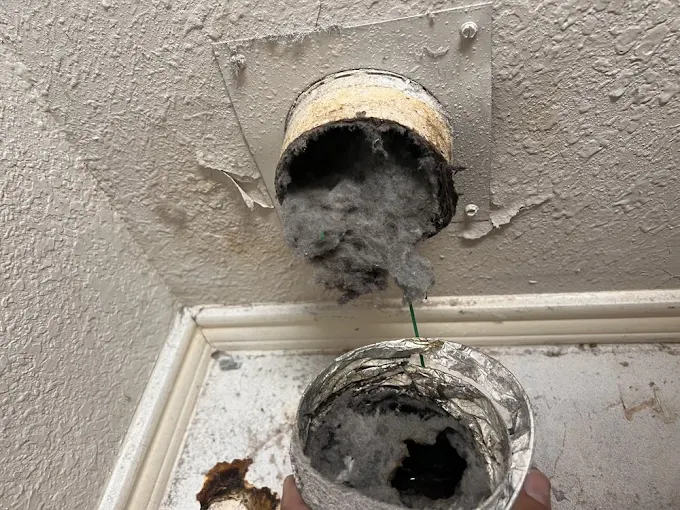
HVAC Duct Cleaning for Pet Homes and Allergy Relief in Frisco, TX
The day after a big blowout at the park, one of our Frisco customers texted, “The house smells different—like it’s stuck inside.” Their two dogs weren’t sick. No obvious mess. But their allergy symptoms flared anyway, especially in the bedrooms.
That’s a pattern we see locally: when pets shed, dander and hair don’t just float around—they get pulled into the HVAC system, lodge in ductwork, and can contribute to the “why do my allergies get worse at home?” feeling. It’s not always the filter, and it’s rarely just one simple cause.
In this guide, Lone Star Pro Flow LLC will walk through what we look for during HVAC duct cleaning, how it connects to allergy relief for pet homes, and how to decide what’s worth doing (and what’s not). We’ll also cover common mistakes people make when they search for air duct and dryer vent cleaning.
Quick Answer
If you have pets and allergies, HVAC duct cleaning can help when there’s measurable buildup in your duct system that’s contributing to dust and airflow issues. It’s most effective when paired with proper filtration, correct cleaning methods, and air-path verification (not just “we sprayed and vacuumed”).
For many homes, the biggest wins come from targeting the right problem areas—return ducts, supply registers, and any sections that accumulate debris—while also addressing dryer lint and dryer vent airflow, because blocked or restricted vents can worsen indoor air conditions.
Why Pet Homes and Allergy Relief Often Start With Ducts
Pets bring more than fur. Dander, skin flakes, and fine debris are light enough to stay airborne, then get captured by HVAC airflow. Over time, that material can accumulate in places homeowners can’t easily see: return duct runs, inside elbows, and areas where airflow changes direction.
From our work in Frisco and surrounding communities, we’ve learned something important: people tend to blame the HVAC system for everything—then they blame it for nothing. The truth is more practical:
- Filters catch a lot, but not everything. Even a good filter won’t stop all particles from entering the air stream or settling within ductwork.
- Ducts are part of a system. If ductwork is dirty and airflow is uneven, more dust can be re-aerosolized each time the system cycles.
- Allergies are sensitive to irritants—not just “dirt.” Pet-related particles are tiny. They don’t always “look dirty,” but they can still affect how a home feels.
A common real-world scenario we hear:
“We vacuum constantly, we change the filter, and our allergies improve briefly—then they come right back.”
In many cases, the trigger isn’t the absence of cleaning effort—it’s that cleaning doesn’t address what’s sitting inside the HVAC air path. When the system runs again, dust and debris can circulate.
What Most Customers Get Wrong About HVAC Duct Cleaning
Let’s be blunt—this is where homeowners and businesses often waste time and money.
1) They assume “duct cleaning” means the same thing everywhere
Some services focus on surface areas while missing the duct sections that actually collect debris. Others don’t verify what’s being removed or cleaned. Professional duct and dryer vent cleaning should be methodical, not just cosmetic.
2) They ignore the return side
Many people think about supply vents—where air blows out. But the return system is what pulls air from rooms back into the HVAC. If returns have buildup, it can keep “recycling” dust and pet debris through the system.
3) They treat the HVAC system like it’s independent from other airflow problems
If the dryer vent is blocked or clogged, the home can experience pressure imbalances and airflow changes that affect how air moves. That can make “indoor air quality” feel worse, even if the HVAC is only part of the story.
If you’re already searching for HVAC help, it’s smart to look at the full ventilation picture—especially when you’re dealing with allergies and pets.
4) They don’t plan for what happens after cleaning
Cleaning without a filtration and maintenance plan is like washing a car and leaving it parked on a dirt road. The next cycle of pet activity and normal shedding will refill the system—just with better baseline conditions if you do it right.
Our Take After Working With Local Pet Owners in the Frisco Area
Frisco homes often blend newer construction with older duct layouts depending on the neighborhood and remodel history. That matters because duct runs, insulation condition, and how flex duct was installed can vary a lot.
Here’s what we’ve noticed with local pet households:
- Bedrooms and hallway returns are common trouble spots. Rooms with heavy pet traffic tend to show more dust accumulation around registers and return pathways.
- Seasonal HVAC cycling changes the “severity” of symptoms. Even if the buildup doesn’t change dramatically, the amount of system runtime can.
- People usually notice the problem during calmer times—then attribute it to allergies. After a weekend at home, symptoms can seem worse. That’s often when the system runs more consistently.
We also see a lot of DIY attempts that don’t solve the root issue. Homeowners sometimes vacuum registers and call it done. That’s helpful for what’s accessible, but it doesn’t remove settled material inside ductwork that’s out of sight.
How HVAC Duct Cleaning Fits Into a Pet-Allergy Relief Plan
If you want allergy relief, duct cleaning should be one part of a coordinated approach. Our clients usually get better results when we align the steps instead of treating everything as a single “one-time fix.”
What we typically focus on during service
While every home is different, the practical goals are consistent:
- Remove debris from relevant duct sections (especially areas that accumulate more material)
- Improve how air moves through the system
- Reduce the chance of dust being redistributed with each HVAC cycle
- Coordinate the process with filter strategy and airflow behavior
If your main concern is also dryer-related (lint buildup, laundry venting issues, or lingering “stale” odors), we recommend addressing that too. Dryer vent problems can contribute to a home that feels harder to keep clean.
If you’d like a deeper look at that side of the system, you can review dryer duct cleaning options as well.
Actionable Strategy: Decide What’s Worth Doing (and What Isn’t)
Use this framework before you hire anyone or schedule service.
Step-by-Step Checklist (Homeowners + Property Managers)
1. Track when symptoms flare
- Right after HVAC runs? Often points to air-path issues.
- Mostly after laundry? Often points to dryer exhaust and moisture/airflow.
2. Inspect what you can see
- Check return registers for buildup
- Look at supply vents for dust residue
- Confirm your filter size and rating match your HVAC system
3. Evaluate the dryer vent reality
- If you’re noticing longer dry times, musty odors, or visible lint around the vent area, don’t wait.
- Dryer duct cleaning and dryer vent maintenance are often overlooked in allergy conversations—but they matter for overall indoor air comfort.
4. Ask the service provider how they verify results
- Good answers include method, containment approach, and how they handle debris removal—not just “we vacuum.”
5. Plan post-cleaning habits
- Replace filters on schedule
- Keep pet routines consistent (vacuuming, HEPA filtration if appropriate, and managing shedding in the main living zones)
Quick Comparison: DIY vs Professional Service
| Area | DIY Register Cleaning | Professional Duct Cleaning |
|---|---|---|
| Visible vents | Usually helpful | Helpful, but not the whole job |
| Hidden duct sections | Not typically reached | Targeted based on airflow paths and buildup |
| Allergy impact | Limited unless dust source is addressed | More likely to reduce circulating debris when done correctly |
| Verification | Often guesswork | Method + process focused on real removal and cleanup |
| Time/effort | Can be time-consuming | More efficient when done right |
This is also why searches for “duct cleaning services” and “air duct cleaning services” near you often lead to mixed results—quality depends on process, not just a quote.
Where Dryer Vent Cleaning Comes Into the Picture (Especially With Pets)
Allergies aren’t only about airborne particles from pets. Indoor comfort also depends on how the home breathes. A dryer that doesn’t exhaust properly can affect airflow and leave behind lint residue.
If you’re already looking at dryer duct cleaning, it’s worth thinking about it as part of your overall indoor air quality and dryer vent cleaning routine—not a separate “maybe later” task.
When dryer vent lint builds up, it can lead to:
- Longer dry times
- More heat in the laundry area
- Increased lint risk
- Poor exhaust performance
And if your home is already dealing with pet shedding, you’re stacking more airborne irritants on top of airflow issues. That’s a common reason people say allergies “changed” after a season shift—even if the real drivers are home ventilation and air movement.
Ready to Take the Next Step Toward Cleaner Air in Your Frisco Home?
If your pet household allergies feel like they flare every time the HVAC cycles, it’s time for a targeted plan—not another generic filter change and hope.
Lone Star Pro Flow LLC serves homeowners and businesses in Frisco, TX and surrounding areas with practical, system-focused duct cleaning. If you want to talk through your situation, we’ll help you decide what to address first: HVAC duct cleaning, dryer duct cleaning, or both.
About the Company
Lone Star Pro Flow LLC is a local duct and vent cleaning team serving Frisco, TX. We focus on professional duct cleaning and HVAC system cleaning with an emphasis on what actually affects indoor air quality: airflow paths, real debris removal, and practical next steps that keep your home feeling cleaner between cleanings. If you’re dealing with pet shedding, allergy symptoms, or ventilation problems, our goal is to make the process straightforward and effective—without guesswork.